Directing
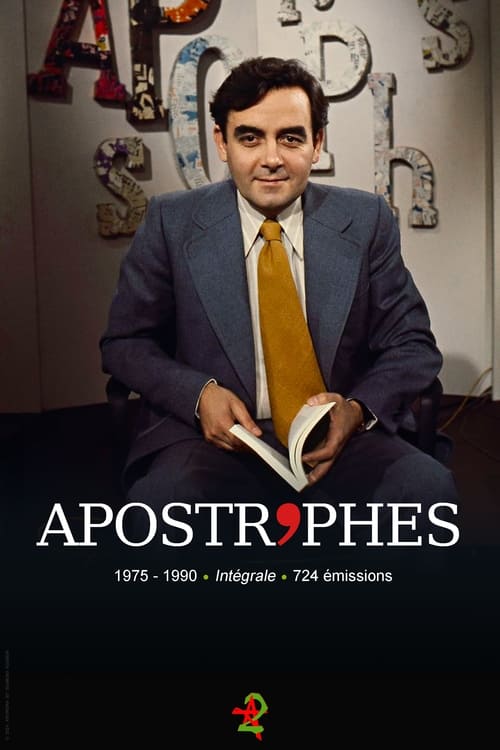
Apostrophes was a live, weekly, literary, prime-time, talk show on French television created and hosted by Bernard Pivot. It ran for fifteen years (724 episodes) from January 10, 1975, to June 22, 1990, and was one of the most watched shows on French television (around 6 million regular viewers). It was broadcast on Friday nights on the channel France 2 (which was called "Antenne 2" from 1975 to 1992). The hourlong show was devoted to books, authors and literature. The format varied between one-on-one interviews with a single author and open discussions between four or five authors.
No description available.
Jesus of Nazareth, the founding figure of Christianity, is also an exceptional character in the Koran. Why? In what way? A deep investigation around the world exploring the rise of Islam during the time of prophet Muhammad.
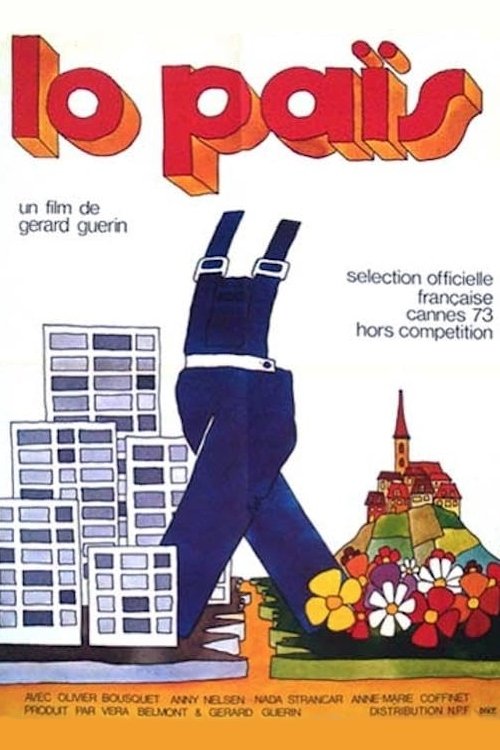
Brittany is ethnically rather different from the rest of France and is the home of the largest number of Celtic-speakers outside of the British Isles and Ireland. This French film follows one young man who leaves his Breton homeland and journeys to Paris with the intention of living there. Despite some success in finding work and friends, Paris is not home and the Parisians are not family, so he returns to work with his own people.
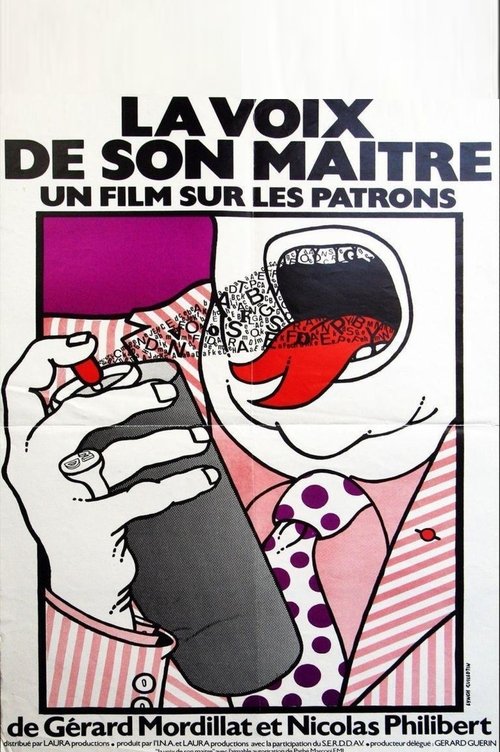
Three programs made on the basis of material gathered for the documentary His Master's Voice, where twelve CEOs of large French companies face the camera and talk about power, hierarchy, trade unions, strikes and self-management: Secrets About the Worker; A Spanner in the Works and The Battle Started at Landerneau. The three parts were banned from French national television (Antenne 2) but released at Cinéma La Clef in Paris a few weeks later.
Stumbling across an uncompleted 1939 film called "Princess Marushka", filmmaker Sam becomes intrigued with the young actor Sylvain Marceau, who last appeared in the film. Hoping to discover the mystery behind Sylvain's disappearance, Sam decides to make a documentary and sets off to interview those who knew Sylvain, including elderly Lisa Morain. Through her interview, Sam learns the story of Lisa and Sylvain's doomed love affair on the eve of World War II.
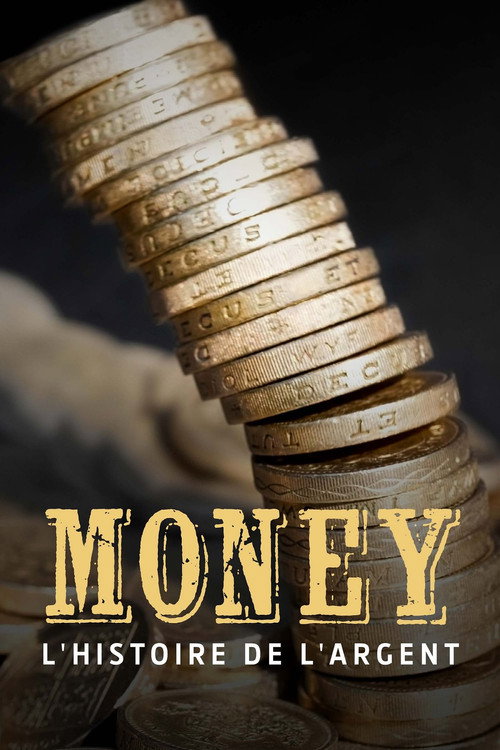
From cowrie shells to the first banknotes and digital currencies, this documentary series takes a critical look at how money shapes societies and determines our lives. International experts and economists explain the mechanisms of money and scrutinise common theoretical concepts of monetary policy.
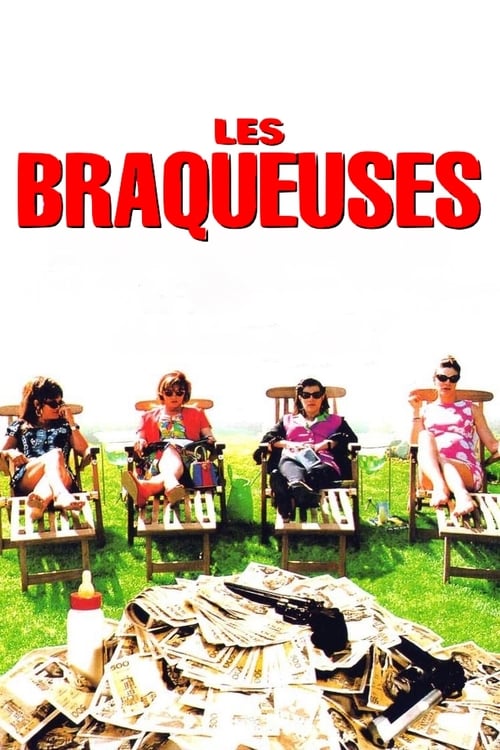
In Montelimar, four young women whom life has not spared want to emerge from mediocrity. They decide to rob a bank, but everything is not so simple and the perfectly developed heist could turn into disaster.
Long live the strike! Lucie Baud, one of the pioneers of the women's movement, went with creativity, fighting spirit and the power of singing against the weapons of male-dominated capitalist society in nineteenth-century France. The film, based on true events, describes the ambitious fight of a silk moth. She stood up for the rights of the female working class to end maltreatment and oppression once and for all. For the revolution in women's rights, she even put her family back and fought to the end for their beliefs.
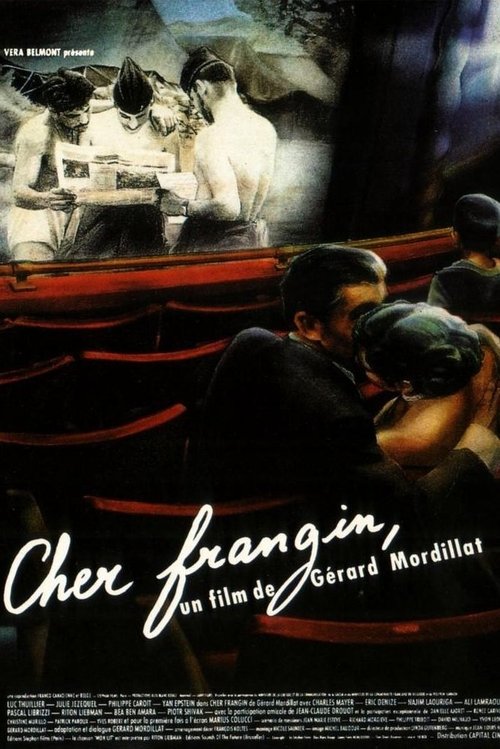
The French military is known for its draconian treatment of soldiers who desert or otherwise tangibly register disagreements with official policy. In this movie the story takes place during the Algerian War (late 1950s). Alain (Luc Thullier) is a deserter who has been sent back to the front lines as a member of a special disciplinary battalion. Such battalions are given only the most dangerous assignments, and most of the soldiers in them are expected to die in combat. As his unit skirmishes with the enemy, it suffers many losses until Alain is the only one left. Freed from supervision once more, he escapes again, this time to Tunisia, with the intention of trying to inform the French public about what is really happening in Algeria.
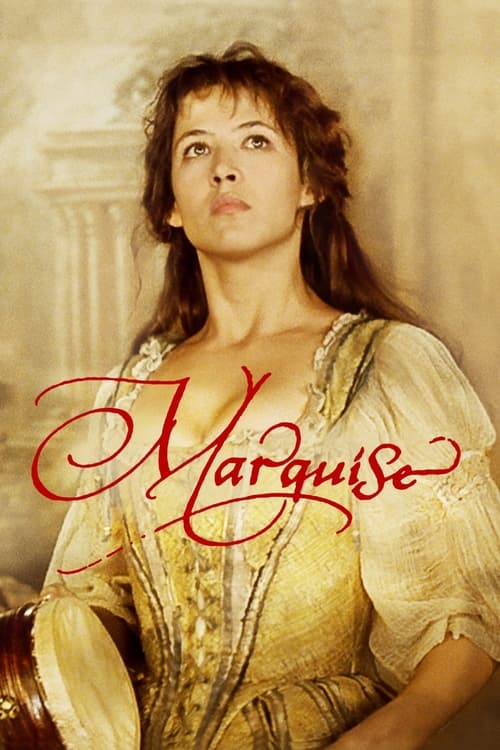
Marquise is a drama about the rise and fall of a beauteous actress. As cheerfully portrayed by Sophie Marceau, the eponymous heroine is an engagingly ribald, but perhaps rather too modern, character. She rises from an impoverished background to become a favourite of the Sun King, Louis XIV, and the mistress of the celebrated Racine, who wrote roles especially for her; but her fate, in the end, is a tragic one.
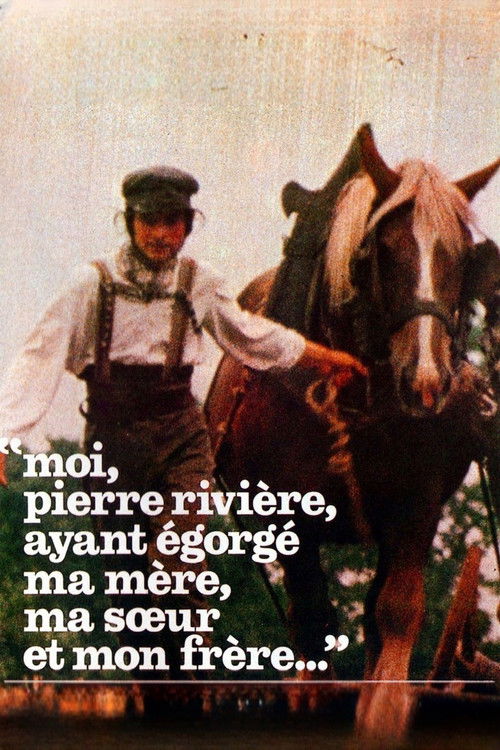
Based on documents compiled by leading French philosopher Michel Foucault, this unique and original film charts the gruesome events which took place in a Normandy village in 1835, when a young man, Pierre Rivière, murdered his mother, sister and brother before fleeing to the countryside. With a cast made up of real-life villagers from the area where the events took place, the detailed re-enactments and careful attention to the gestures of their ancestors serve to create an intense and sometimes disturbing atmosphere of hyper-realism. Details of the crime and of the trial that followed are told from varied perspectives, including the written confession of Pierre himself, and form a rich and complex narrative that interrogates the concepts of “truth” and “history”.
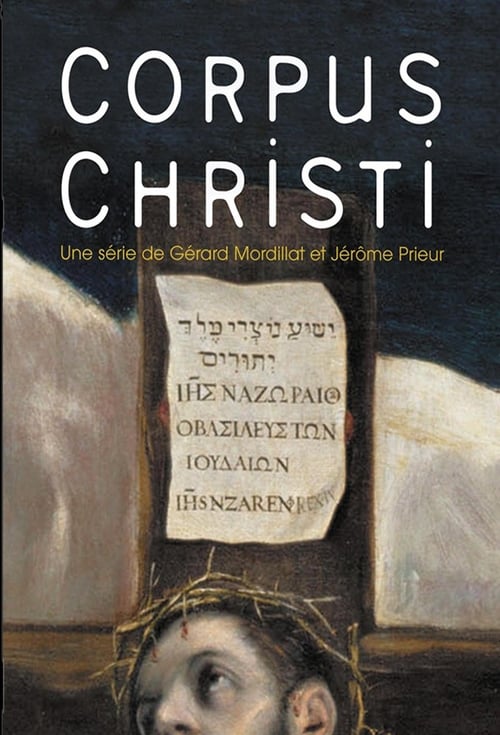
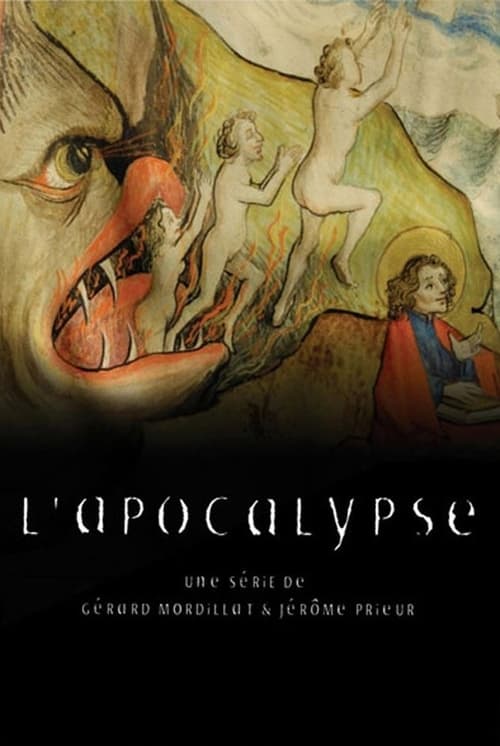
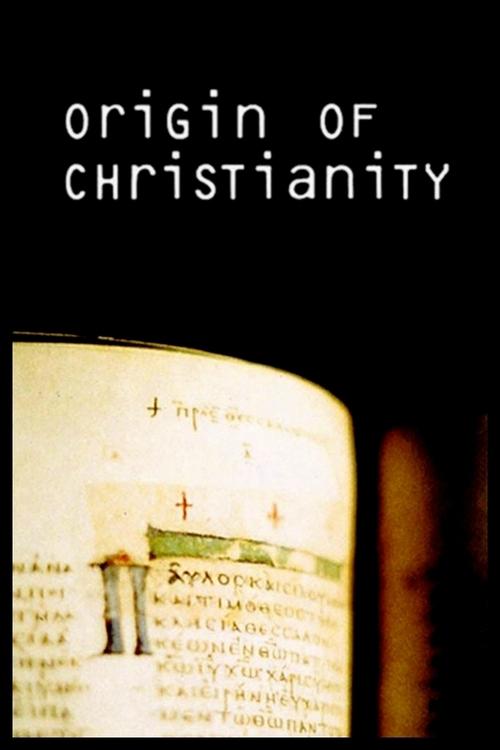
The epic story of the emergence of Christianity in just over a century, from the death of Jesus of Nazareth, around the year 30, to the moment when the leaders and followers of the new faith, already scattered throughout the eastern Mediterranean, from Jerusalem to Rome, are definitely moving away from Judaism, around the year 150.
Jacques Lemonnier of IBM France, Francois Dalle of L'Oreal and other ultrapowerful French moguls are surprisingly candid -- and cold-blooded -- as they discuss their attitudes about business in this startling 1978 documentary. After sounding off about unions, strikes, hierarchy and management, the subjects realized how callous they sounded and managed to convince the French government to suppress the film.
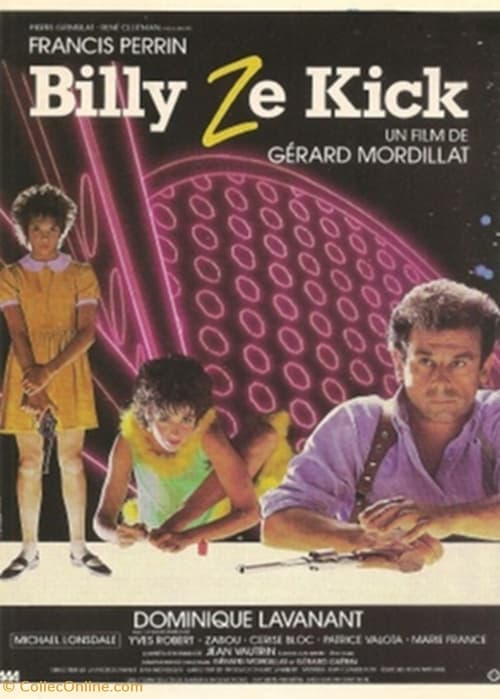
Billy Ze Kick is name of a fictional serial killer in a bedtime story that a police inspector reads to his daughter. Soon three girls turn up murdered in his neighbourhood, and the killer leaves a note signed "Billy Ze Kick."
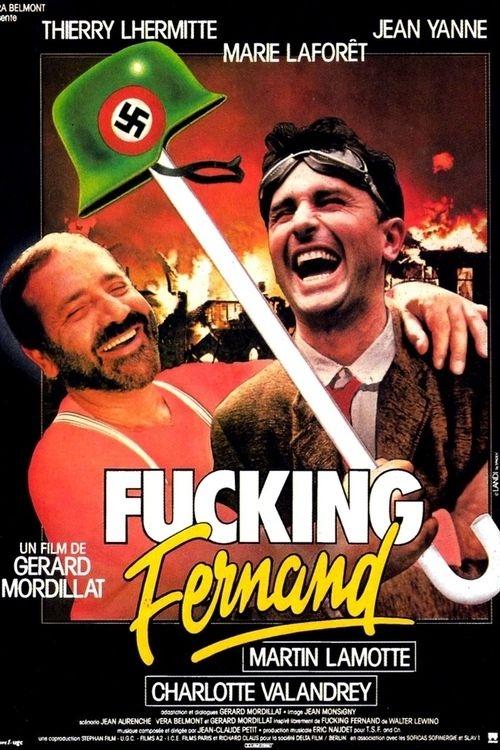
A bombing raid makes travelling companions of a blind man, Fernand, and Antoine, a criminal. Fernand is a virgin and is depending on his new friend to find him a woman. But to Antoine, on the run, his fellow victim is more a burden than a boon.