Maureen O'Sullivan
Acting
Biography
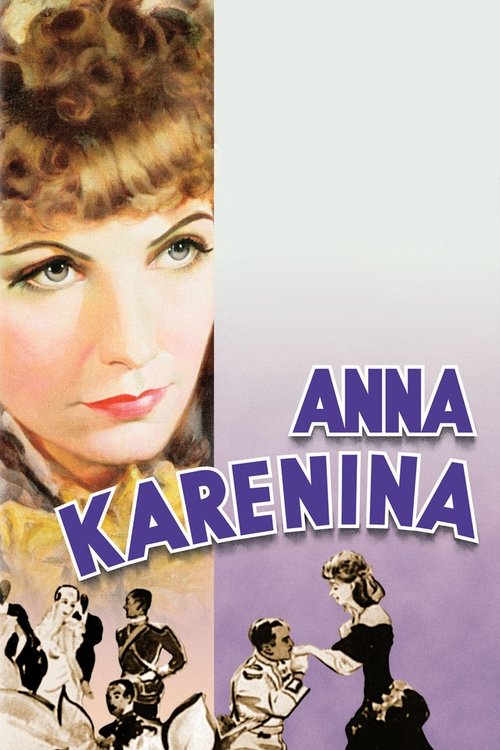
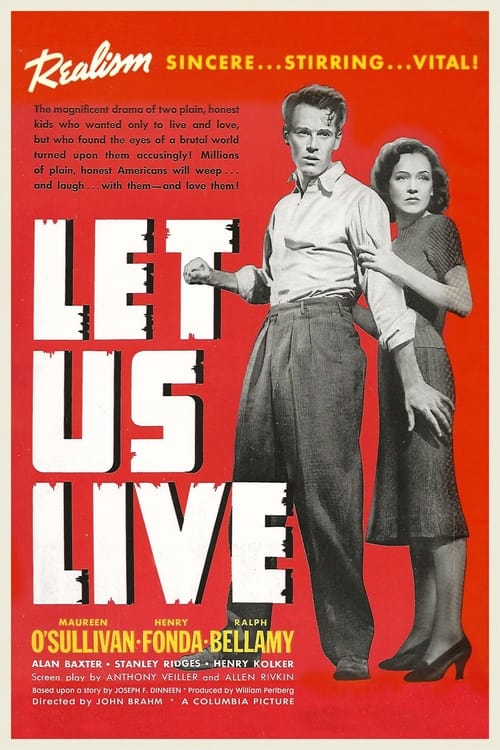
Maureen Paula O'Sullivan was born in County Roscommon, Ireland, on May 17, 1911. The future mother of Mia Farrow was a schooldays classmate of Vivien Leigh at the Convent of the Sacred Heart at Roehampton in London. Even as a schoolgirl, Maureen desired an acting career; she studied hard and read widely. When the opportunity to be an actress came along, it almost dropped in her lap. The director Frank Borzage was in Dublin filming “Song o’ My Heart” (1930) when Maureen, then 18, met him. Borzage suggested a screen test, which she took. The results were more than favorable, as she won the part of Eileen O’Brien. The part was a substantial one, so much so that Maureen went on to Hollywood to complete the filming. Once in sunny California, Maureen wasted no time landing roles in other films such as “Just Imagine” (1930), “Princess and the Plumber” (1930), and “So This Is London” (1930). Maureen was on a roll that her contemporaries could only have wished for when they were coming up through the ranks. In 1932, Maureen was teamed up with Olympic medal winner Johnny Weissmuller for the first time in “Tarzan the Ape Man” (1932). Five other Tarzan films followed, the last being “Tarzan’s New York Adventure” (1942). The Tarzan epics rank as one of the most memorable series ever made. Most people agree that those movies would not have been successful had it not been for the fine acting talents, not to mention beauty, of Maureen O’Sullivan. But she was more than Jane Parker in the Tarzan films; she had great roles and played beautifully in films such as “The Flame Within” (1935), “David Copperfield” (1935), and “Anna Karenina” (1935). She turned in yet another fine performance in “Pride and Prejudice” (1940). After the 1940s, Maureen made far fewer films, not because she lost popularity but by choice. It isn’t always easy to walk away from a lucrative career, but she did because she wanted to devote more time to her husband, John Farrow, an Australian writer, and their seven children. The couple were married from 1936 until his death in 1963. She did not, however, retire completely; Maureen still found time to make an occasional appearance in films or TV or on the stage. Later movie-goers remember her as Elizabeth Alvorg in the hit film “Peggy Sue Got Married” (1986). Her final silver screen appearance was in “The River Pirates” (1988). Some TV movies followed, but only until 1996. She maintained homes in New Hampshire and Arizona, and it was in Scottsdale that Maureen died on June 23, 1998, of a heart attack. She was 87 years old.
Known For

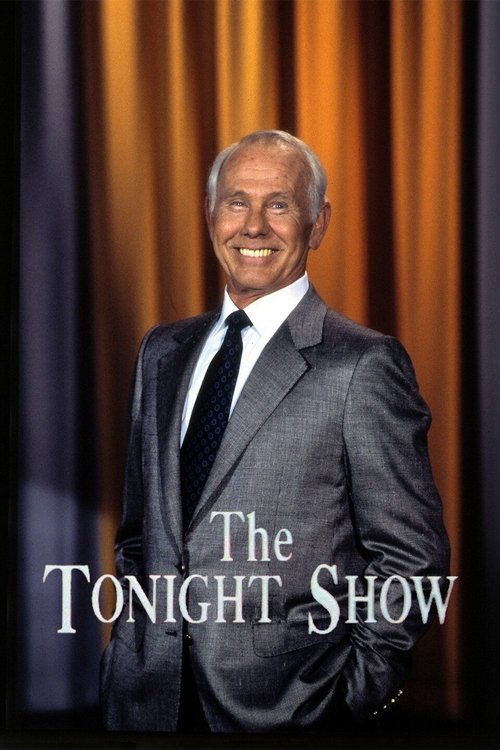
The Tonight Show Starring Johnny Carson is a talk show hosted by Johnny Carson under The Tonight Show franchise from 1962 to 1992. It originally aired during late-night. For its first ten years, Carson's Tonight Show was based in New York City with occasional trips to Burbank, California; in May 1972, the show moved permanently to Burbank, California. In 2002, The Tonight Show Starring Johnny Carson was ranked #12 on TV Guide's 50 Greatest TV Shows of All Time.
The Tonight Show Starring Johnny Carson

The Mike Douglas Show is an American daytime television talk show hosted by Mike Douglas that originally aired only in the Cleveland area during much of its first two years on the air. It then went into syndication in 1963 and remained on television until 1982. It was distributed by Westinghouse Broadcasting and for much of its run, originated from studios of two of the company's TV stations in Cleveland and Philadelphia.
The Mike Douglas Show

Four panelists must determine guests' occupations - and, in the case of famous guests, while blindfolded, their identity - by asking only "yes" or "no" questions.
What's My Line?

Climax! is an American anthology series that aired on CBS from 1954 to 1958. The series was hosted by William Lundigan and later co-hosted by Mary Costa. It was one of the few CBS programs of that era to be broadcast in color. Many of the episodes were performed and broadcast live.
Climax!

No description available.
The Merv Griffin Show

No description available.
Ben Casey
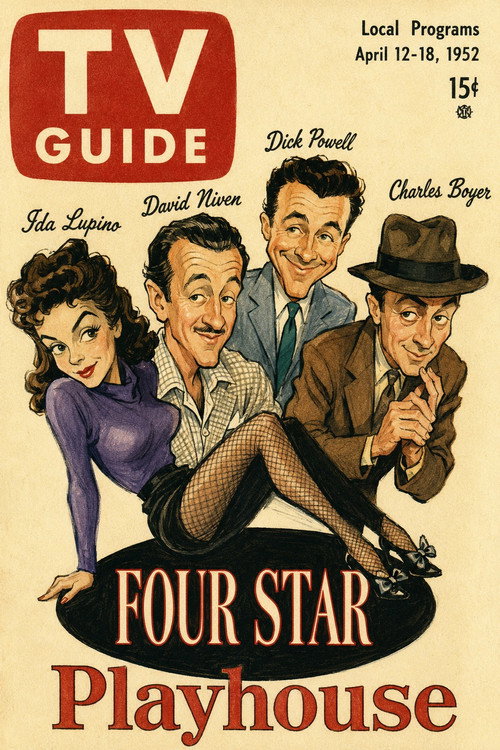
Four Star Playhouse is an American television anthology series that ran from 1952 to 1956, sponsored in its first bi-weekly season by The Singer Company; Bristol-Myers became an alternate sponsor when it became a weekly series in the fall of 1953. The original premise was that Charles Boyer, Ida Lupino, David Niven, and Dick Powell would take turns starring in episodes. However, several other performers took the lead from time to time, including Ronald Colman and Joan Fontaine. Blake Edwards was among the writers and directors who contributed to the series. Edwards created the recurring character of illegal gambling house operator Willie Dante for Dick Powell to play on this series. The character was later revamped and spun off in his own series starring Howard Duff, then-husband of Lupino. The pilot for Meet McGraw, starring Frank Lovejoy, aired here, as did another episode in which Lovejoy recreated his role of Chicago newspaper reporter Randy Stone, from the radio drama Nightbeat.
Four Star Playhouse

Matinee Theater is an American anthology series that aired on NBC during the Golden Age of Television, from 1955 to 1958. The series, which ran daily in the afternoon, was frequently live. It was produced by Albert McCleery, Darrell Ross, George Cahan and Frank Price with executive producer George Lowther. McCleery had previously produced the live series Cameo Theatre which introduced to television the concept of theater-in-the-round, TV plays staged with minimal sets. Jim Buckley of the Pewter Plough Playhouse recalled: When Al McCleery got back to the States, he originated a most ambitious theatrical TV series for NBC called Matinee Theater: to televise five different stage plays per week live, airing around noon in order to promote color TV to the American housewife as she labored over her ironing. Al was the producer. He hired five directors and five art directors. Richard Bennett, one of our first early presidents of the Pewter Plough Corporation, was one of the directors and I was one of the art directors and, as soon as we were through televising one play, we had lunch and then met to plan next week’s show. That was over 50 years ago, and I’m trying to think; I believe the TV art director is his own set decorator —yes, of course! It had to be, since one of McCleery’s chief claims to favor with the producers was his elimination of the setting per se and simply decorating the scene with a minimum of props. It took a bit of ingenuity.
Matinee Theater

Cavalcade of America is an anthology drama series that was sponsored by the DuPont Company, although it occasionally presented a musical, such as an adaptation of Show Boat, and condensed biographies of popular composers. It was initially broadcast on radio from 1935 to 1953, and later on television from 1952 to 1957. Originally on CBS, the series pioneered the use of anthology drama for company audio advertising. Cavalcade of America documented historical events using stories of individual courage, initiative and achievement, often with feel-good dramatizations of the human spirit's triumph against all odds. This was consistent with DuPont's overall conservative philosophy and legacy as an American company dating back to 1802. The company's motto, "Maker of better things for better living through chemistry," was read at the beginning of each program, and the dramas emphasized humanitarian progress, particularly improvements in the lives of women, often through technological innovation.
Cavalcade of America
Lux Video Theatre is an American anthology series that was produced from 1950 until 1959. The series presented both comedy and drama in original teleplays, as well as abridged adaptations of films and plays.
Lux Video Theatre
No description available.
The Whistler

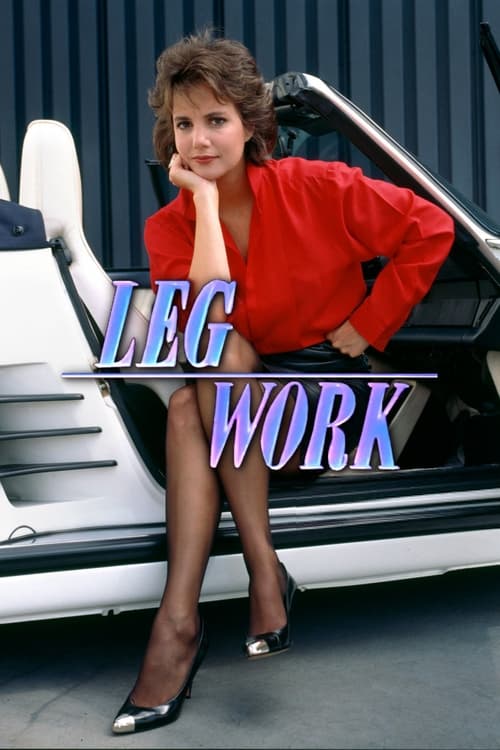
Leg Work is an American detective drama television series created by Frank Abatemarco that premiered on CBS on October 3, 1987. The show was short-lived and only 10 episodes were produced, of which only six were aired prior to the show's cancellation. The final episode aired on November 7, 1987. The cable network TV Land later aired the remaining four episodes.
Leg Work

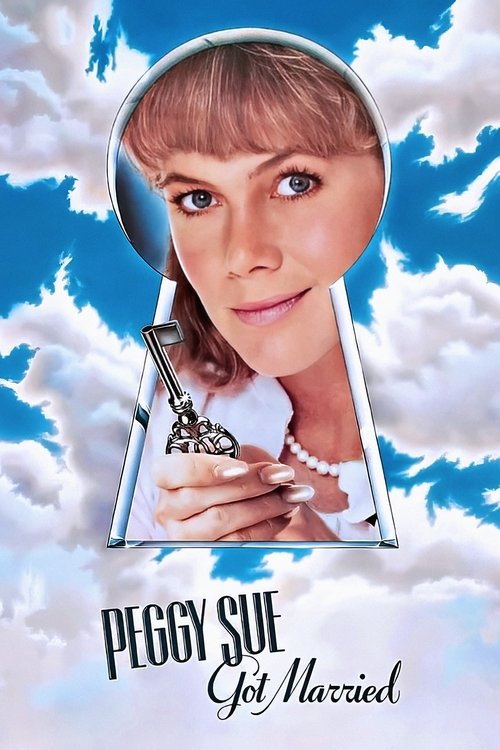
At her 25th high school reunion, Peggy Sue faints and awakens in 1960—back in her senior year, before her marriage and all her regrets. Given a second chance to relive her youth, she must decide whether to change the choices that shaped her life or embrace the past that made her who she is.
Peggy Sue Got Married

Schlitz Playhouse of Stars is an anthology series that was telecast from 1951 until 1959 on CBS. Offering both comedies and drama, the series was sponsored by the Joseph Schlitz Brewing Company. The title was shortened to Schlitz Playhouse, beginning with the fall 1957 season.
Schlitz Playhouse of Stars

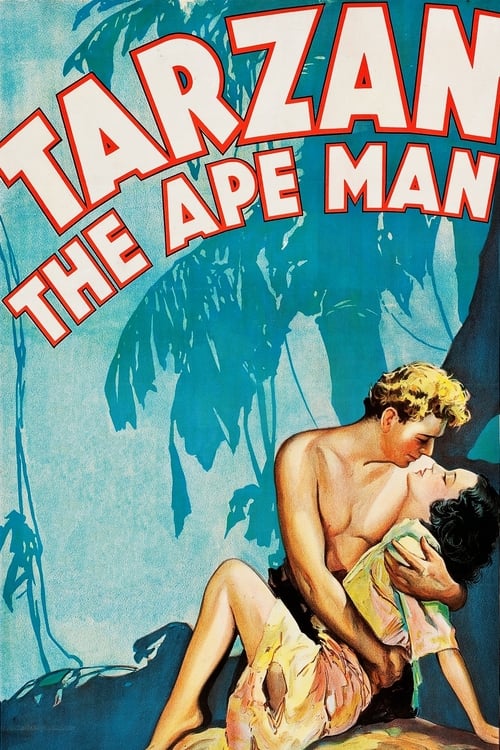
James Parker and Harry Holt are on an expedition in Africa in search of the elephant burial grounds that will provide enough ivory to make them rich. Parker's beautiful daughter Jane arrives unexpectedly to join them. Jane is terrified when Tarzan and his ape friends abduct her, but when she returns to her father's expedition she has second thoughts about leaving Tarzan.
Tarzan the Ape Man

Between two Thanksgivings, Hannah's husband falls in love with her sister Lee, while her hypochondriac ex-husband rekindles his relationship with her sister Holly.
Hannah and Her Sisters

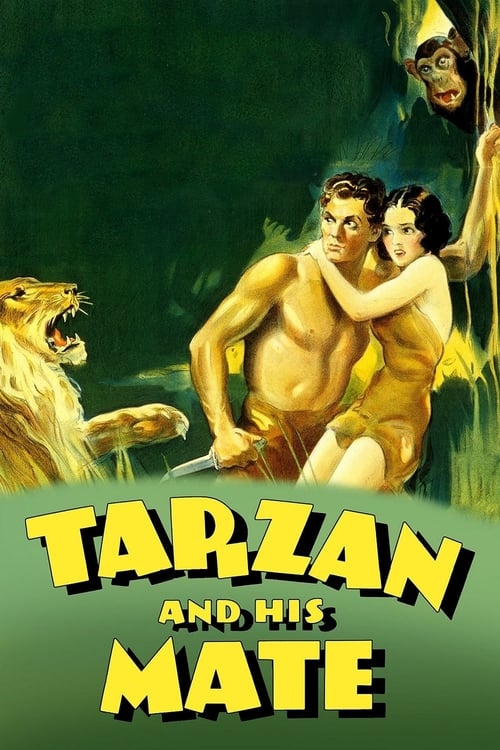
Harry Holt returns to Africa with his friend Martin Arlington to head up a large ivory expedition.
Tarzan and His Mate

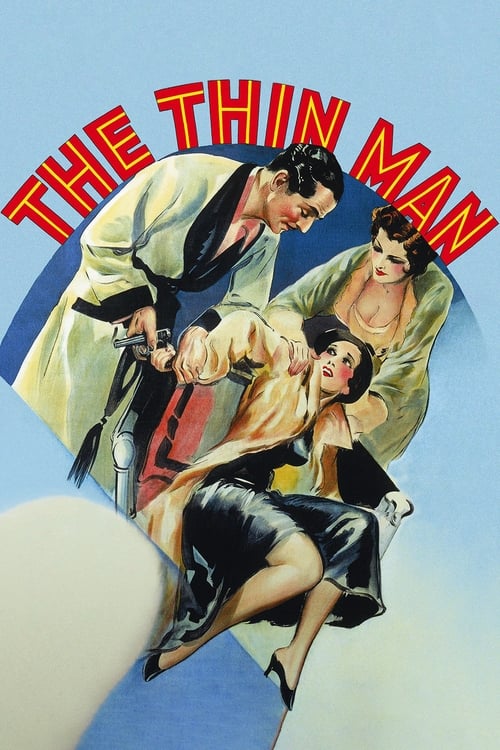
A husband and wife detective team takes on the search for a missing inventor and almost get killed for their efforts.
The Thin Man

In early 19th century England, Mr and Mrs Bennet's five unmarried daughters vie for the affections of rich and eligible Mr Bingley and his status-conscious friend, Mr Darcy, who have moved into their neighbourhood. While Bingley takes an immediate liking to eldest daughter Jane, Darcy has difficulty adapting to local society and repeatedly clashes with second-eldest Elizabeth.
Pride and Prejudice

A TV special on the 100th anniversary of the birth of film.