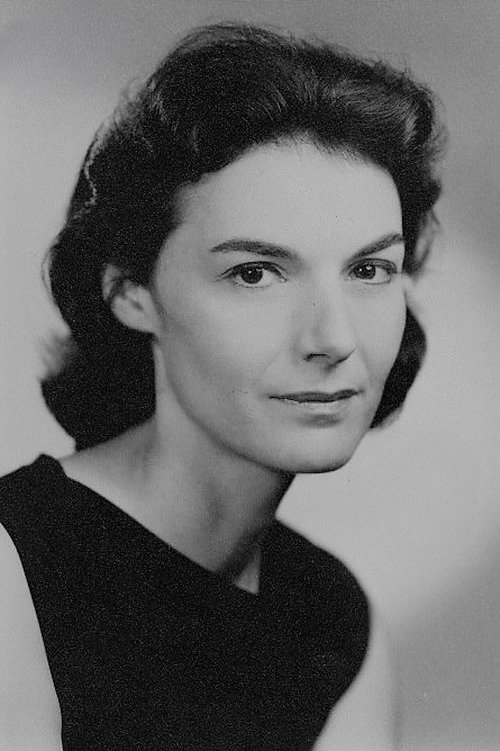
Marian Seldes
Acting
Biography
Marian Hall Seldes was an American actress. A five-time Tony Award nominee, she won the Tony Award for Best Featured Actress in a Play for A Delicate Balance in 1967, and received subsequent nominations for Father's Day (1971), Deathtrap (1978–82), Ring Round the Moon (1999), and Dinner at Eight (2002). She also won a Drama Desk Award for Father's Day. Her other Broadway credits include Equus (1974–77), Ivanov (1997), and Deuce (2007). She was inducted into the American Theater Hall of Fame in 1995 and received the Special Tony Award for Lifetime Achievement in 2010. Description above from the Wikipedia article Marian Seldes, licensed under CC-BY-SA, full list of contributors on Wikipedia.

Known For

In the criminal justice system, sexually-based offenses are considered especially heinous. In New York City, the dedicated detectives who investigate these vicious felonies are members of an elite squad known as the Special Victims Unit. These are their stories.
Law & Order: Special Victims Unit

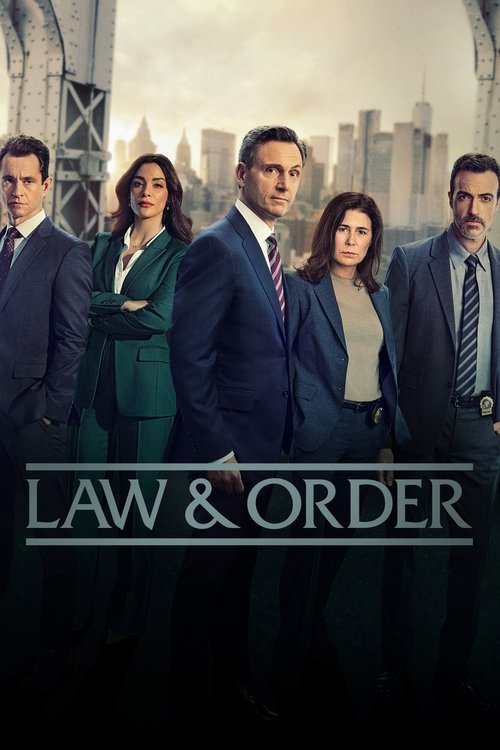
In cases ripped from the headlines, police investigate serious and often deadly crimes, weighing the evidence and questioning the suspects until someone is taken into custody. The district attorney's office then builds a case to convict the perpetrator by proving the person guilty beyond a reasonable doubt. Working together, these expert teams navigate all sides of the complex criminal justice system to make New York a safer place.
Law & Order

After many years spent at the “Cheers” bar, Frasier moves back home to Seattle to work as a radio psychiatrist after his policeman father gets shot in the hip on duty.
Frasier

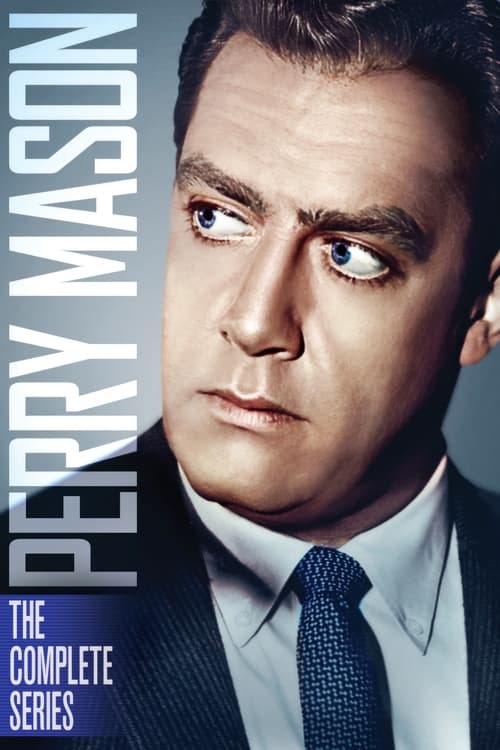
The cases of master criminal defense attorney Perry Mason and his staff who handled the most difficult of cases in the aid of the innocent.
Perry Mason

Mannix is an American television detective series that ran from 1967 through 1975 on CBS. Created by Richard Levinson and William Link and developed by executive producer Bruce Geller, the title character, Joe Mannix, is a private investigator. He is played by Mike Connors. Mannix was the last series produced by Desilu Productions.
Mannix

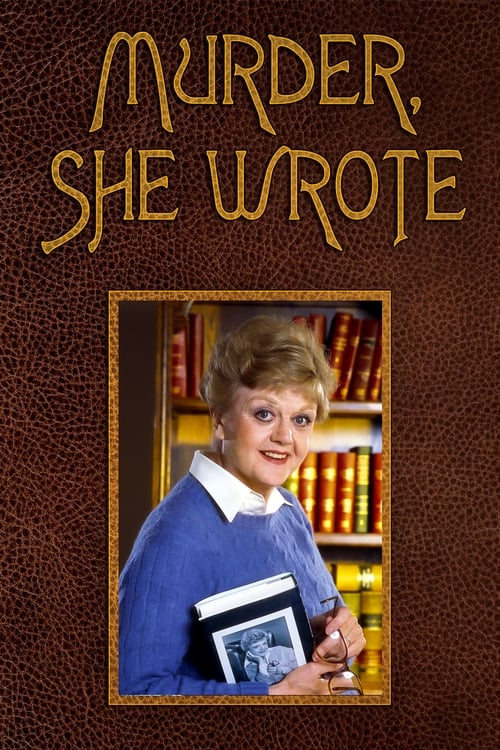
An unassuming mystery writer turned sleuth uses her professional insight to help solve real-life homicide cases.
Murder, She Wrote

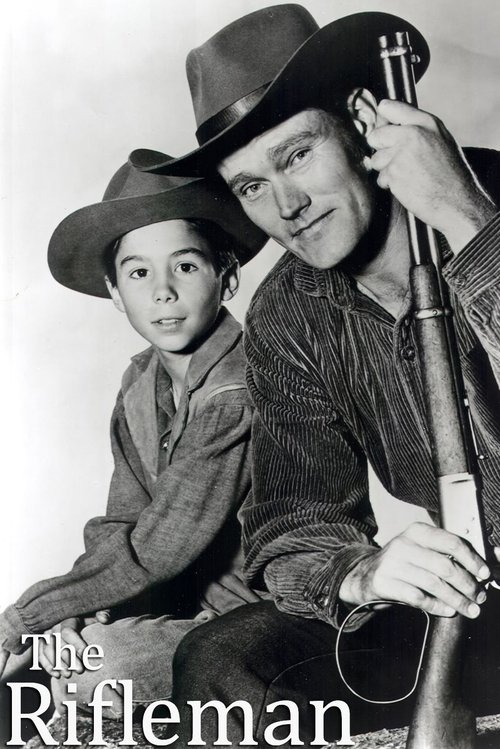
The Rifleman is an American Western television program starring Chuck Connors as rancher Lucas McCain and Johnny Crawford as his son, Mark McCain. It was set in the 1880s in the town of North Fork, New Mexico Territory. The show was filmed in black-and-white, half-hour episodes. "The Rifleman" aired on ABC from September 30, 1958 to April 8, 1963 as a production of Four Star Television. It was one of the first prime time series to have a widowed parent raise a child.
The Rifleman

Based on the bestselling book by Candace Bushnell, Sex and the City tells the story of four best friends, all single and in their late thirties, as they pursue their careers and talk about their sex lives, all while trying to survive the New York social scene.
Sex and the City

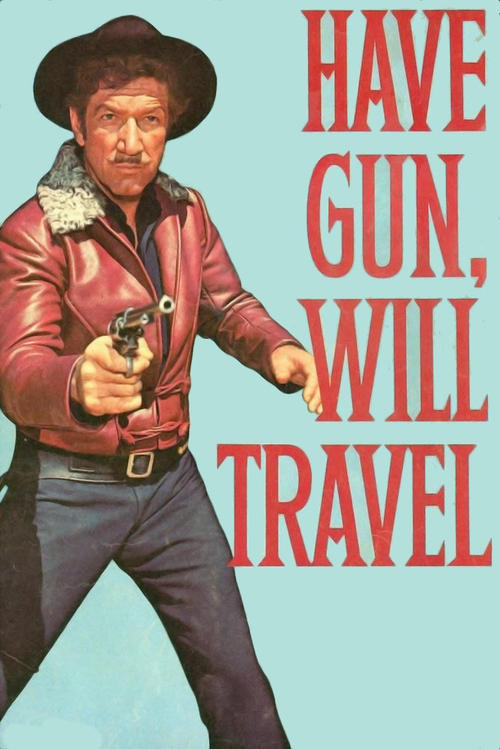
Have Gun – Will Travel is an American Western television series that aired on CBS from 1957 through 1963. It was rated number three or number four in the Nielsen ratings every year of its first four seasons. It was one of the few television shows to spawn a successful radio version. The radio series debuted November 23, 1958. The television show is presently shown on the Encore-Western channel. Have Gun – Will Travel was created by Sam Rolfe and Herb Meadow and produced by Frank Pierson, Don Ingalls, Robert Sparks, and Julian Claman. There were 225 episodes of the TV series, 24 written by Gene Roddenberry. Other contributors included Bruce Geller, Harry Julian Fink, Don Brinkley and Irving Wallace. Andrew McLaglen directed 101 episodes and 19 were directed by series star Richard Boone.
Have Gun, Will Travel

Brothers Brian and Joe Hackett attempt to run an airline on the New England island of Nantucket while surrounded by their various wacky friends and employees.
Wings

The Philco Television Playhouse is an American anthology series that was broadcast live on NBC from 1948 to 1955. Produced by Fred Coe, the series was sponsored by Philco. It was one of the most respected dramatic shows of the Golden Age of Television, winning a 1954 Peabody Award and receiving eight Emmy nominations between 1951 and 1956.
The Philco Television Playhouse

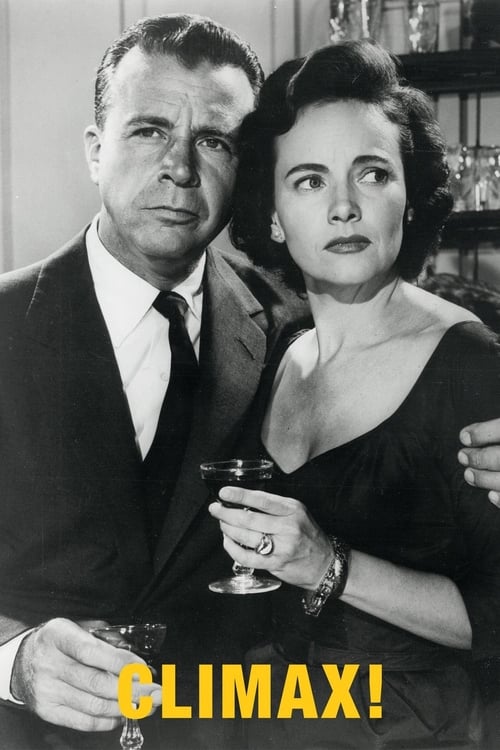
Climax! is an American anthology series that aired on CBS from 1954 to 1958. The series was hosted by William Lundigan and later co-hosted by Mary Costa. It was one of the few CBS programs of that era to be broadcast in color. Many of the episodes were performed and broadcast live.
Climax!

The Antoinette Perry Award for Excellence in Theatre, more commonly known as a Tony Award, recognizes achievement in live Broadway theatre. The awards are presented by the American Theatre Wing and The Broadway League at an annual ceremony in New York City. The awards are given for Broadway productions and performances, and an award is given for regional theatre.
Tony Awards

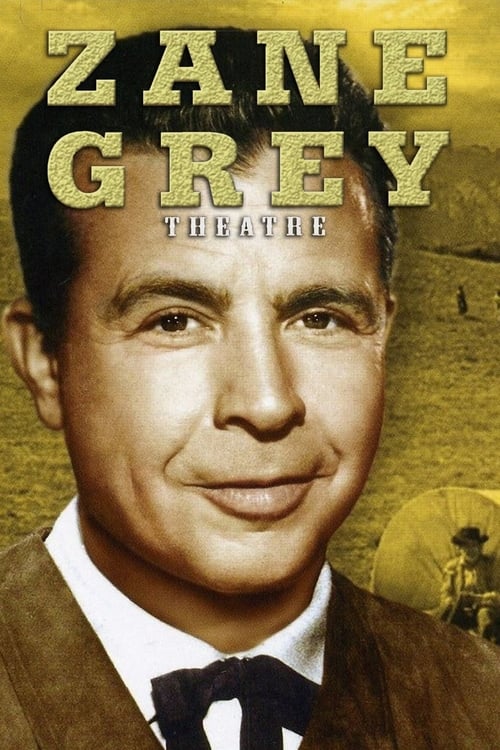
Dick Powell's Zane Grey Theatre, sometimes simply called Zane Grey Theatre, is an American Western anthology series which ran on CBS from 1956 to 1961.
Dick Powell's Zane Grey Theatre

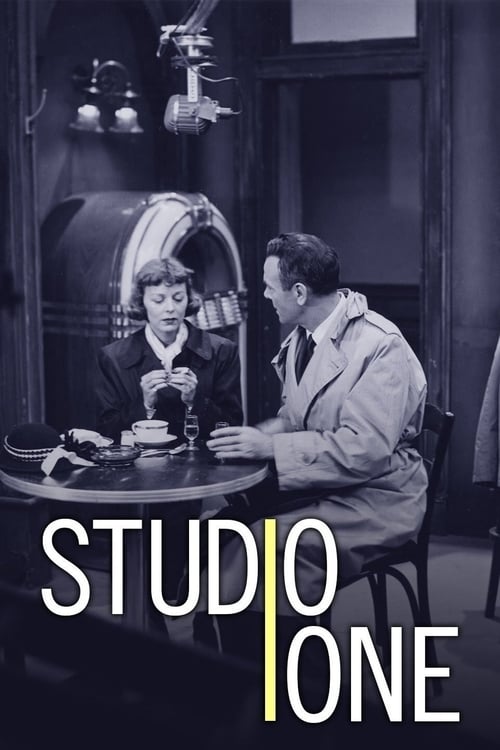
An American radio–television anthology series, created in 1947 by Canadian director Fletcher Markle, who came to CBS from the CBC. Studio One, presented by Westinghouse, was one of the first of the anthology TV programs. The episodes were often abridged remakes of movies from years gone by and many future well-known television and movie actors appeared in the productions.
Studio One

Matinee Theater is an American anthology series that aired on NBC during the Golden Age of Television, from 1955 to 1958. The series, which ran daily in the afternoon, was frequently live. It was produced by Albert McCleery, Darrell Ross, George Cahan and Frank Price with executive producer George Lowther. McCleery had previously produced the live series Cameo Theatre which introduced to television the concept of theater-in-the-round, TV plays staged with minimal sets. Jim Buckley of the Pewter Plough Playhouse recalled: When Al McCleery got back to the States, he originated a most ambitious theatrical TV series for NBC called Matinee Theater: to televise five different stage plays per week live, airing around noon in order to promote color TV to the American housewife as she labored over her ironing. Al was the producer. He hired five directors and five art directors. Richard Bennett, one of our first early presidents of the Pewter Plough Corporation, was one of the directors and I was one of the art directors and, as soon as we were through televising one play, we had lunch and then met to plan next week’s show. That was over 50 years ago, and I’m trying to think; I believe the TV art director is his own set decorator —yes, of course! It had to be, since one of McCleery’s chief claims to favor with the producers was his elimination of the setting per se and simply decorating the scene with a minimum of props. It took a bit of ingenuity.
Matinee Theater

Gunsmoke is an American radio and television Western drama series created by director Norman MacDonnell and writer John Meston. The stories take place in and around Dodge City, Kansas, during the settlement of the American West. The central character is lawman Marshal Matt Dillon, played by William Conrad on radio and James Arness on television.
Gunsmoke

Murphy Brown (Candice Bergen) is a recovering alcoholic who returns to the fictional newsmagazine FYI for the first time following a stay at the Betty Ford Clinic residential treatment center. Over 40 and single, she is sharp tongued and hard as nails. In her profession, she is considered one of the boys, having shattered many glass ceilings encountered during her career. Dominating the FYI news magazine, she is portrayed as one of America's hardest-hitting (though not the warmest or more sympathetic) media personalities.
Murphy Brown

Omnibus is an American, commercially sponsored, educational television series.
Omnibus

Every day is a matter of life and death in a hectic New York City hospital, but for Nurse Jackie that's the easiest part. Between chronic back pain that won't quit, and a personal life on the constant edge of collapse, it's going to take a white lie here, a bent rule there, and a handful of secret strategies to relieve the pain, and stay one step ahead of total disaster.