
Rafail Nakhmanovych
Directing
Known For
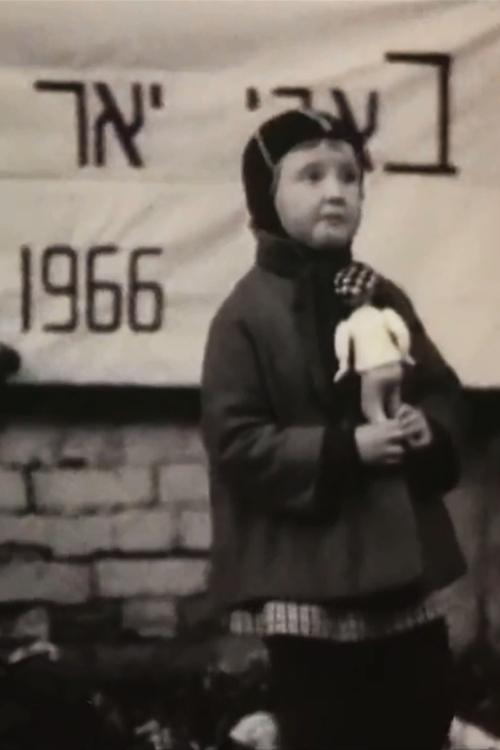
The Soviet authorities tried in every possible way to hide the truth about the shootings in Babyn Yar, because the victims there were mostly Jews. In 1966, on the eve of the 25th anniversary of the shootings, for the first time a small group of Kyivans, together with the famous writer Viktor Nekrasov, gathered near Babyn Yar to honor the memory of the victims. Employees of the Kyiv Documentary Film Studio found out about it: cameraman Eduard Timlin and director Rafail Nakhmanovych. Under the guise of shooting a film about the Soviet police, they decided to record this event on tape.
Filming in Babyn Yar
The film tells the stories of Crimean Tatars who returned to their homeland half a century after their forced deportation by Stalin’s regime on 18 May 1944. At the heart of the film is an interview with Besibe Aksakova, an activist in the Crimean Tatar movement. She shares her own experience of exile and reflects on how, in her life story, the statuses of “war heroine” and “enemy of the people” were paradoxically combined.
The Past...?
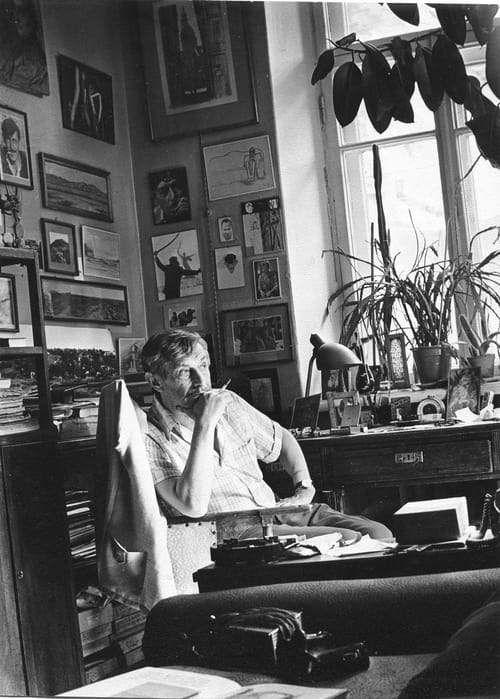
The film is a reflection on the difficult fate in the Soviet state of V. Nekrasov, a world-famous writer, an honest and principled man.
Viktor Nekrasov is Free and at Home
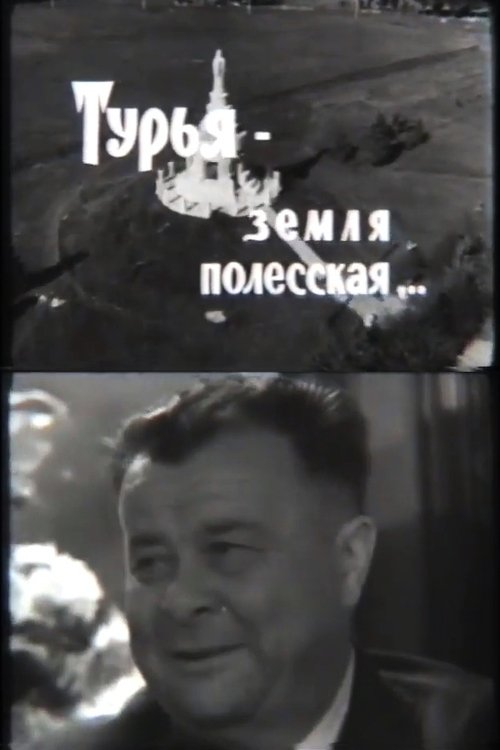
An innovative Soviet documentary film directed by Rafail Nakhmanovich. Most of the film was shot with a hidden camera, and the characters' lines were recorded live without staged scenes. The film tells the story of one of the most successful collective farm chairmen in Ukraine, Oleksandr Myaz, who introduced elements of market relations.
Turya - the Land of Polissya
The film is dedicated to the excavation and reburial of executed prisoners of the Daugavpils ghetto in the Pogulianka region (Latvia) in June 1989. This is documentary evidence of the discovery of mass graves from the time of the Holocaust and attempts to restore the memory of the dead.
Jewish Cemetery
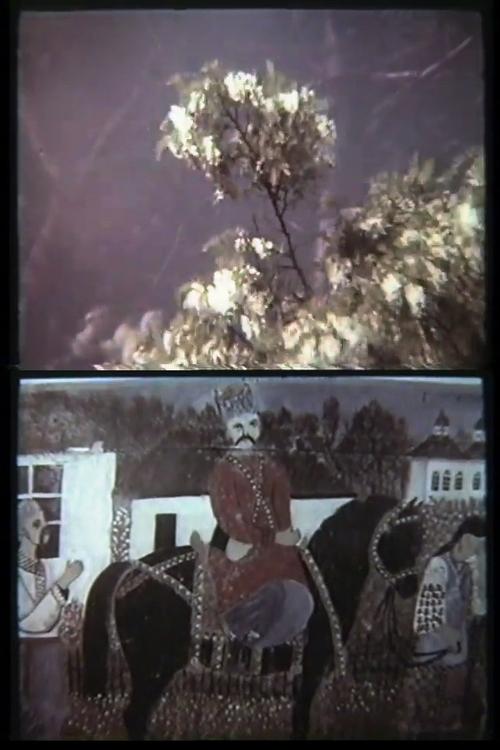
Documentary about the director of the Pereyaslav-Khmelnytskyi Historical and Cultural Reserve (Kyiv region), M. Sikorsky. Dr. Drektor speaks at a meeting and gives an interview. Employees of the reserve tell about M. Sikorsky. The Pereiaslav-Khmelnytskyi Museum of Folk Architecture and Life is shown.