John Ericson
Acting
Biography
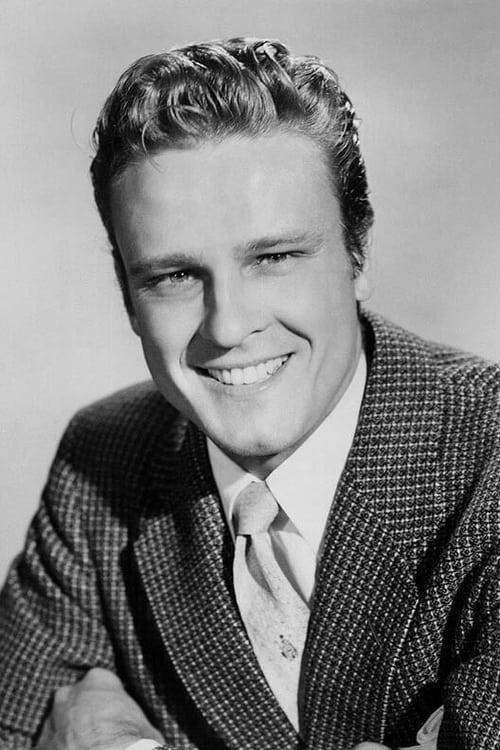
John Ericson (sometimes Erickson; born Joachim Alexander Ottokar Meibes; September 25, 1926 - May 3, 2020) was a German-American actor and film and television star. He trained at the American Academy of Dramatic Arts in New York, played the lead role in Stalag 17 by Donald Bevan and Edmund Trzcinski on Broadway (1951). He went on to make a number of films for MGM in quick succession in the 1950s. His first appearance was in Teresa (1951), directed by Fred Zinnemann, which also launched the film careers of Pier Angeli and Rod Steiger. He then went on to appear in a series of films which included Rhapsody, The Student Prince, Green Fire (all in 1954), and Bad Day at Black Rock (1955). His career continued, mostly on television, for the next thirty years. He appeared in the lead role in "The Peter Bartley Story" of CBS's fantasy drama, The Millionaire. Child actor Johnny Washbrook appeared in the same episode in a flashback segment of Ericson as a boy. He appeared with Dorothy Malone in the January 1, 1956, episode entitled "Mutiny" of CBS's Appointment with Adventure. He guest-starred in 1958 in the NBC western series The Restless Gun, starring John Payne. He also guest-starred in the 1961 ABC crime drama, Target: The Corruptors! In 1965-1966, he co-starred with Anne Francis in the detective series Honey West. He occasionally appeared in such films as Pretty Boy Floyd (1960), 7 Faces of Dr. Lao (1964), and Bedknobs and Broomsticks (1971). He was married twice and had two children from his first marriage to Milly Coury. Description above from the Wikipedia article John Ericson, licensed under CC-BY-SA, full list of contributors on Wikipedia.
Known For

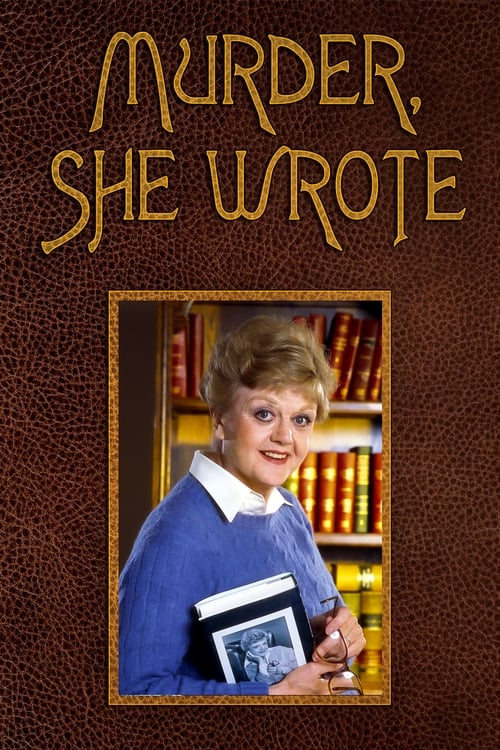
An unassuming mystery writer turned sleuth uses her professional insight to help solve real-life homicide cases.
Murder, She Wrote

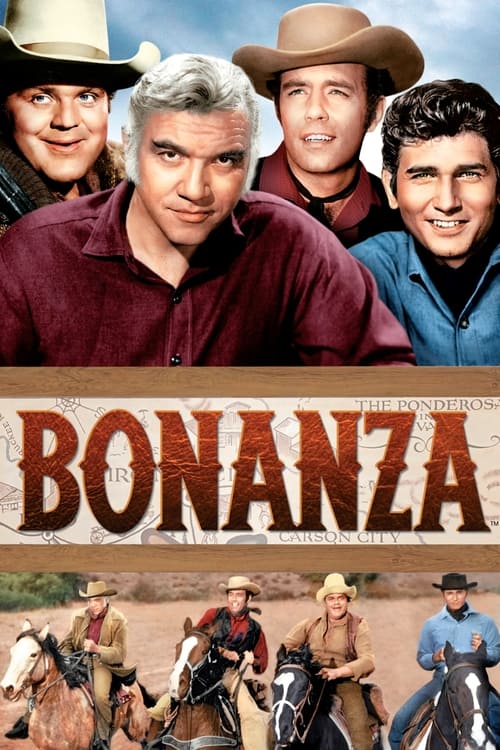
The High-Sierra adventures of Ben Cartwright and his sons as they run and defend their ranch while helping the surrounding community.
Bonanza

Richard Kimble is falsely convicted of his wife's murder and given the death penalty. En route to death row, Kimble's train derails and crashes, allowing him to escape and begin a cross-country search for the real killer, a "one-armed man". At the same time, Dr. Kimble is hounded by the authorities, most notably dogged by Police Lieutenant Philip Gerard.
The Fugitive

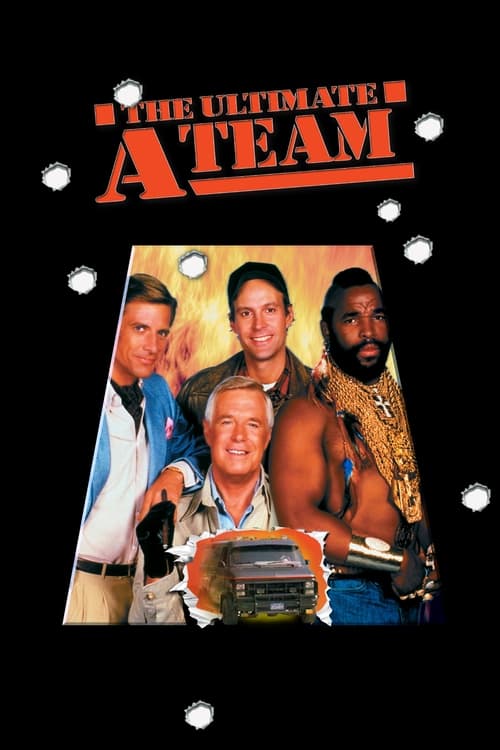
A fictional group of ex-United States Army Special Forces personnel work as soldiers of fortune while on the run from the Army after being branded as war criminals for a "crime they didn't commit."
The A-Team

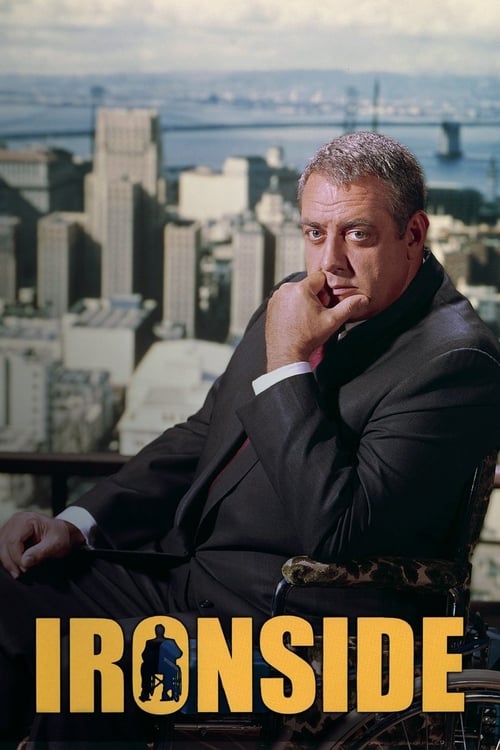
When an assassin's bullet confines him to a wheelchair for life ending his career as Chief of Detectives, Robert T. Ironside becomes a consultant to the police department. Detective Sergeant Ed Brown and policewoman Eve Whitfield join with him to crack varied and fascinating cases. Ex-con Mark Sanger is employed by the chief as home help but eventually becomes a fully fledged member of the team also. Officer Whitfield leaves after 4 years service, and is replaced by Officer Fran Belding.
Ironside

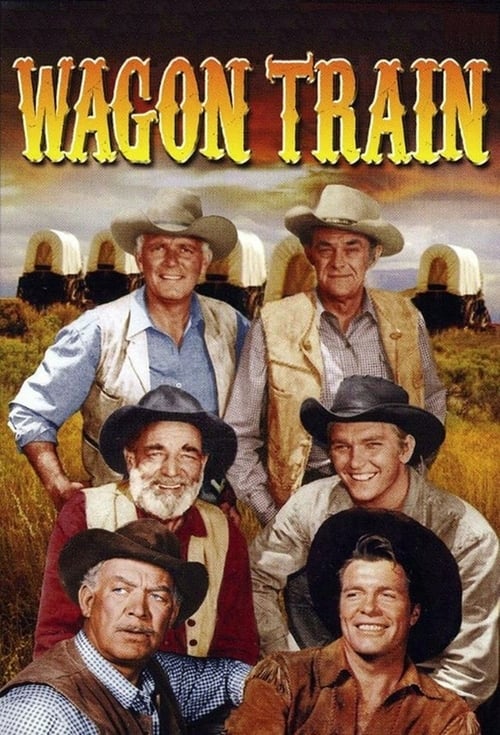
The series initially starred veteran movie supporting actor Ward Bond as the wagon master, later replaced upon his death by John McIntire, and Robert Horton as the scout, subsequently replaced by lookalike Robert Fuller a year after Horton had decided to leave the series. The series was inspired by the 1950 film Wagon Master directed by John Ford and starring Ben Johnson, Harry Carey Jr. and Ward Bond, and harkens back to the early widescreen wagon train epic The Big Trail starring John Wayne and featuring Bond in his first major screen appearance playing a supporting role. Horton's buckskin outfit as the scout in the first season of the television series resembles Wayne's, who also played the wagon train's scout in the earlier film.
Wagon Train

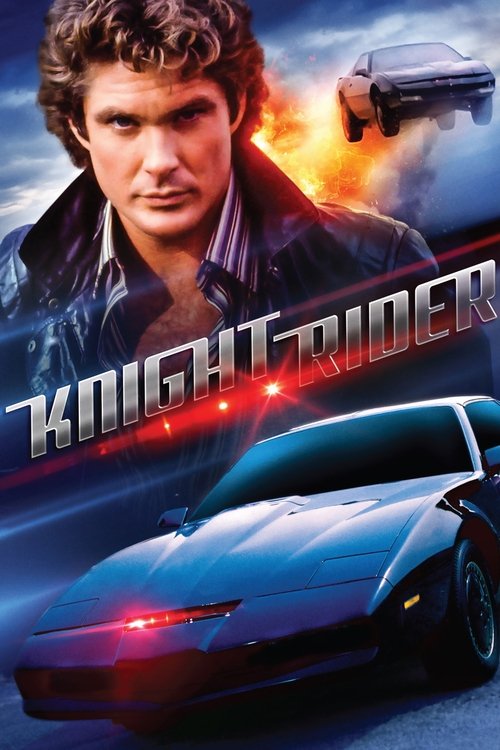
Michael Long, an undercover police officer, is shot while investigating a case and left for dead by his assailants. He is rescued by Wilton Knight, a wealthy, dying millionaire and inventor who arranges life-saving surgery, including a new face and a new identity--that of Michael Knight. Michael is then given a special computerized and indestructible car called the Knight Industries Two Thousand (nicknamed KITT), and a mission: apprehend criminals who are beyond the reach of the law. The series depicts Michael's exploits as he and KITT battle the forces of evil on behalf of the Foundation for Law and Government.
Knight Rider

The Shiloh Ranch in Wyoming Territory of the 1890s is owned in sequence by Judge Henry Garth, the Grainger brothers, and Colonel Alan MacKenzie. It is the setting for a variety of stories, many more based on character and relationships than the usual western.
The Virginian

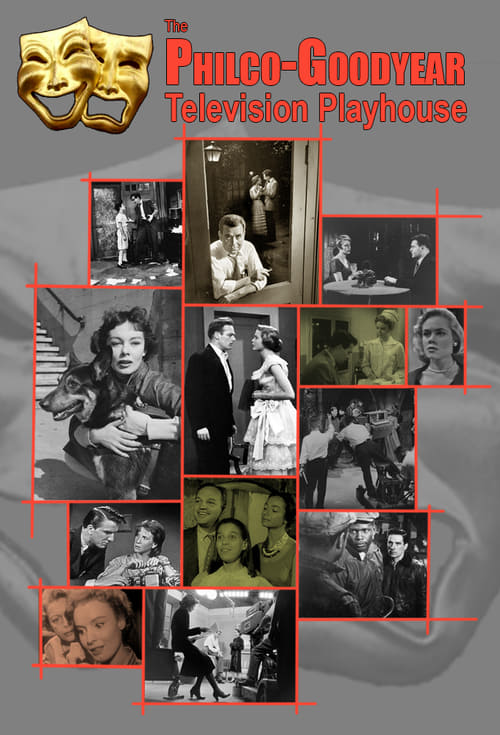
The Philco Television Playhouse is an American anthology series that was broadcast live on NBC from 1948 to 1955. Produced by Fred Coe, the series was sponsored by Philco. It was one of the most respected dramatic shows of the Golden Age of Television, winning a 1954 Peabody Award and receiving eight Emmy nominations between 1951 and 1956.
The Philco Television Playhouse

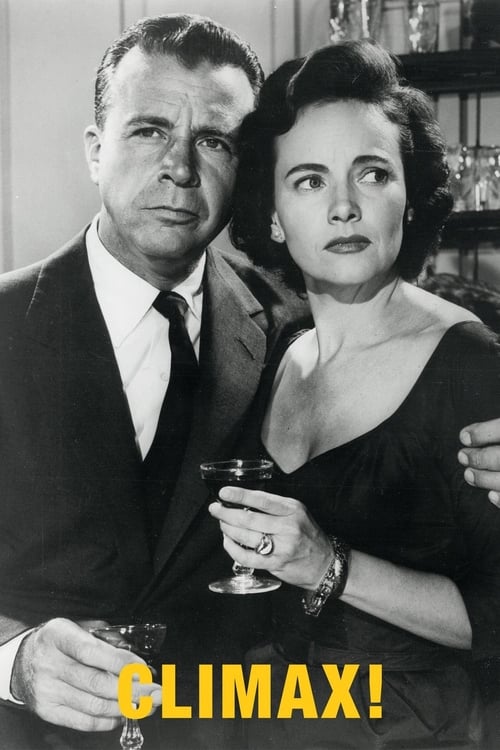
Climax! is an American anthology series that aired on CBS from 1954 to 1958. The series was hosted by William Lundigan and later co-hosted by Mary Costa. It was one of the few CBS programs of that era to be broadcast in color. Many of the episodes were performed and broadcast live.
Climax!

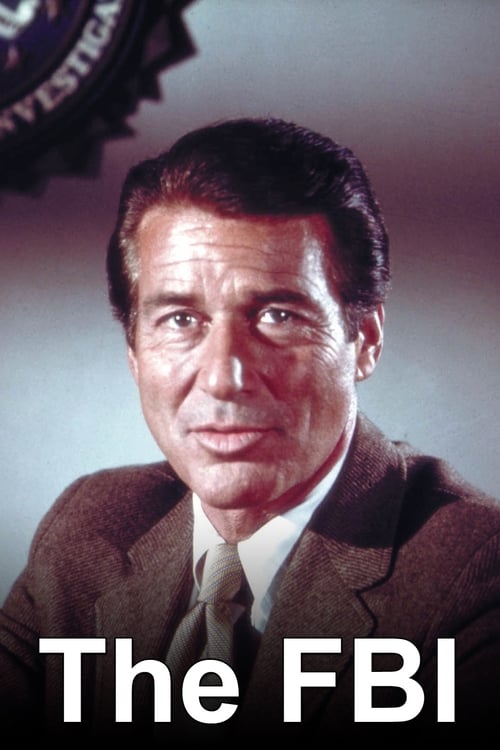
The F.B.I. is an American television series that was broadcast on ABC from 1965 to 1974. It was sponsored by the Ford Motor Company, and the characters almost always drove Ford vehicles in the series. Alcoa was co-sponsor of Season One only.
The F.B.I.

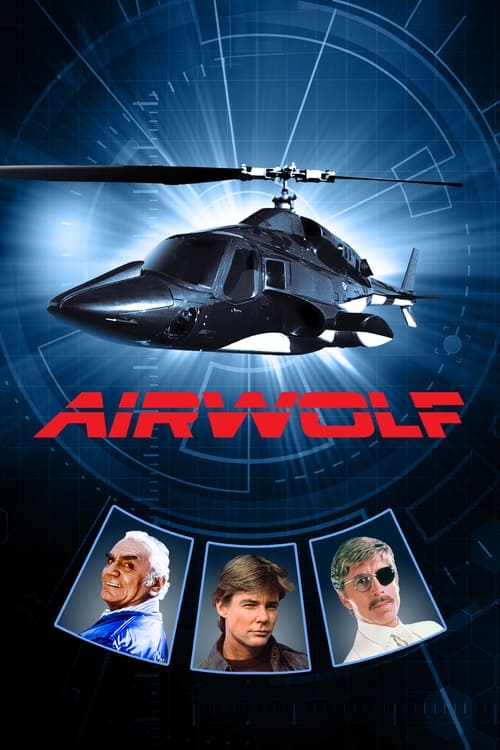
As part of a deal with an intelligence agency to look for his missing brother, a renegade pilot goes on missions with an advanced battle helicopter.
Airwolf

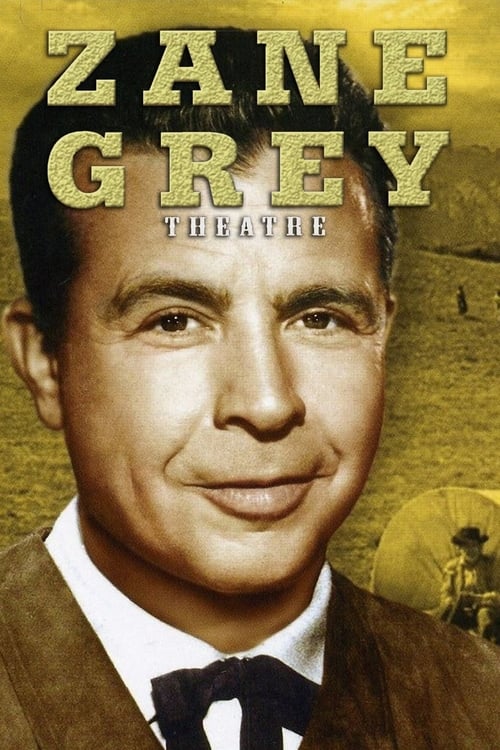
Dick Powell's Zane Grey Theatre, sometimes simply called Zane Grey Theatre, is an American Western anthology series which ran on CBS from 1956 to 1961.
Dick Powell's Zane Grey Theatre

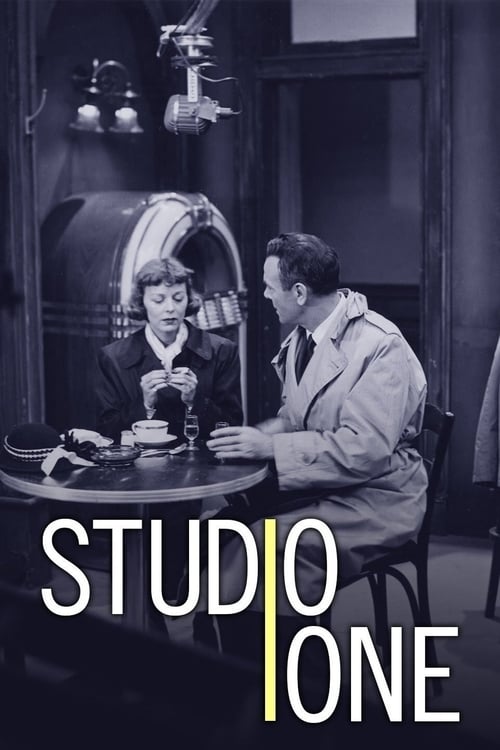
An American radio–television anthology series, created in 1947 by Canadian director Fletcher Markle, who came to CBS from the CBC. Studio One, presented by Westinghouse, was one of the first of the anthology TV programs. The episodes were often abridged remakes of movies from years gone by and many future well-known television and movie actors appeared in the productions.
Studio One

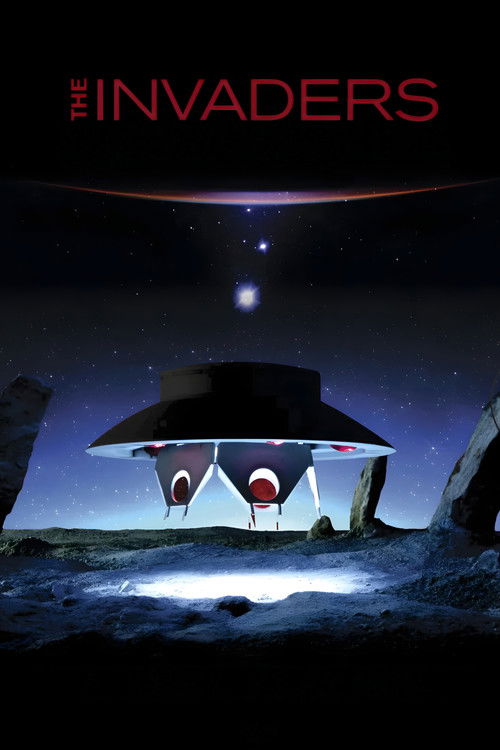
The Invaders, alien beings from a dying planet. Their destination: the Earth. Their purpose: to make it their world. David Vincent has seen them, for him it began one lost night on a lonely country road, looking for a shortcut that he never found. It began with a closed deserted diner, and a man too long without sleep to continue his journey. It began with the landing of a craft from another galaxy. Now, David Vincent knows that the Invaders are here, that they have taken human form. Somehow he must convince a disbelieving world that the nightmare has already begun.
The Invaders

Lighthearted look at the adventures of two Highway Patrol officers in Los Angeles. The main characters are Jon Baker and Frank Poncherello, two motorcycle officers always on the street to save lives.
CHiPs

Two police officers, the older Lt. Stone and the young upstart Inspector Keller, investigate murders and other serious crimes in San Francisco. Stone would become a second father to Keller as he learned the rigors and procedures of detective work.
The Streets of San Francisco

Adventures in Paradise is an American television series created by James Michener which ran on ABC from 1959 until 1962, starring Gardner McKay as Adam Troy, the captain of the schooner Tiki III, which sailed the South Pacific looking for passengers and adventure. USA Network aired reruns of this series between 1984 and 1988. The plots deal with the romantic and detective stories of Korean War veteran Troy. The supporting cast, varying from season to season, features George Tobias, Guy Stockwell, and Linda Lawson.
Adventures in Paradise

The misadventures of a divorced mother, two teenage daughters, and new building superintendent in Indianapolis.
One Day at a Time

Playhouse 90 is an American television anthology series that was telecast on CBS from 1956 to 1960 for a total of 133 episodes. It originated from CBS Television City in Los Angeles, California. Since live anthology drama series of the mid-1950s were usually hour-long shows, the title highlighted the network's intention to present something unusual, a weekly series of hour-and-a-half dramas rather than 60-minute plays. Playhouse 90 began as a pitch by Frank Stanton—the formidable, forward-thinking right-hand man to CBS chairman William S. Paley—during a brainstorming session for program ideas. The project was ultimately developed by Hubbell Robinson, a CBS vice president who received no screen credit on Playhouse 90 but is often described as its creator.