FEEL IT.STREAM
Helmut Dantine

Helmut Dantine

Acting

Biography

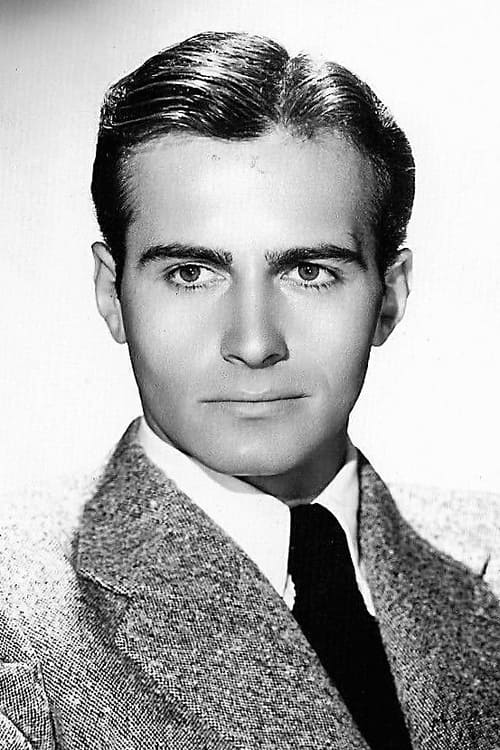
Helmut Dantine was an Austrian-American actor who often played Nazis in thriller films of the 1940s. His best-known performances are perhaps the German pilot in Mrs. Miniver, and the desperate refugee in Casablanca, who tries gambling to obtain travel visa money for himself and his wife. As his acting career waned, he turned to producing. Dantine enrolled at the University of California, Los Angeles. His relatives thought he would go into business, but he became interested in theater. He began his U.S. acting career at the Pasadena Playhouse, while running two gas stations in order to pay his expenses. Dantine was spotted by a talent scout from Warner Bros, who signed him to a contract. Dantine had uncredited parts in International Squadron and To Be or Not to Be, before his first credited role in MGM's Mrs. Miniver, playing a downed German pilot captured by the title character (played by Greer Garson). It was a huge hit, and Dantine received much positive attention from being in the film. In August 1942, Warners signed him to a new acting contract. The studio kept him busy with roles in the World War II films, The Pied Piper, Desperate Journey fighting Errol Flynn, and The Navy Comes Through. He had a sympathetic role in Casablanca, as a young refugee trying and failing to earn money via gambling. Warners begin to give Dantine more sizeable roles in their "A" films, Watch on the Rhine, Edge of Darkness, playing a Nazi officer, again fighting Errol Flynn, and Mission to Moscow, playing a sympathetic Russian. Dantine's good looks caused him to receive a lot of fan mail and, in the words of one profile, "the studio began to realize it had something else besides a Hollywood Hitlerite on its hands". Warners announced they had bought Night Action by Norman Krasna as a vehicle for Dantine, but the film appears not to have been made. Instead, he had a large role playing the villain in Northern Pursuit (1943), as a Nazi running loose in northern Canada fighting Errol Flynn again. Warner Bros. later cast him in a sympathetic role in Passage to Marseille, and he was one of several stars in Hollywood Canteen. In 1944, exhibitors voting for "Stars of Tomorrow", picked Dantine at number 10. Warners gave him a sympathetic lead in Hotel Berlin, as the leader of the German underground. He was once again a Nazi on-the-run in Escape in the Desert, a remake of The Petrified Forest. His last role for Warners was in the film noir, Shadow of a Woman. He then left the studio. As his acting career wound down, he became a vice-president of Hollywood mogul Joseph Schenck's company, Schenck Enterprises, in 1959; Schenck was his wife's uncle. He later went to work as producer with Robert L. Lippert Productions and then as president of Hand Enterprises Inc. Among Dantine's later screen appearances, there were three films for which he was the executive producer: Bring Me the Head of Alfredo Garcia and The Killer Elite, both directed by Sam Peckinpah, and The Wilby Conspiracy. He was also in The Fifth Musketeer and Tarzan the Apeman. On 2 May 1982, Helmut Dantine died in Beverly Hills from a heart attack at age 63. According to one obituary, "He specialized in portrayals of Nazis, sometimes as the handsome but icy SS sadist battling Allied heroes, sometimes as a sympathetic German soldier forced, against his better judgment, to fight".
Known For

Climax!
3.8

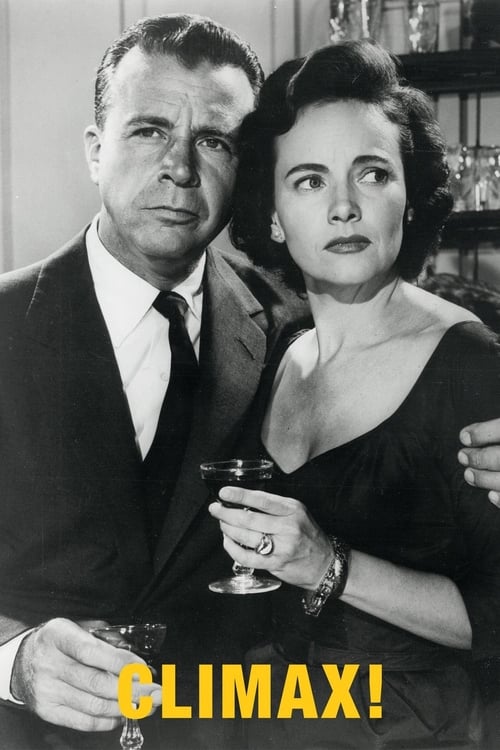
Climax! is an American anthology series that aired on CBS from 1954 to 1958. The series was hosted by William Lundigan and later co-hosted by Mary Costa. It was one of the few CBS programs of that era to be broadcast in color. Many of the episodes were performed and broadcast live.

Climax!

1954
Studio One
5.4

An American radio–television anthology series, created in 1947 by Canadian director Fletcher Markle, who came to CBS from the CBC. Studio One, presented by Westinghouse, was one of the first of the anthology TV programs. The episodes were often abridged remakes of movies from years gone by and many future well-known television and movie actors appeared in the productions.

Studio One

1948
Run for Your Life
7.1

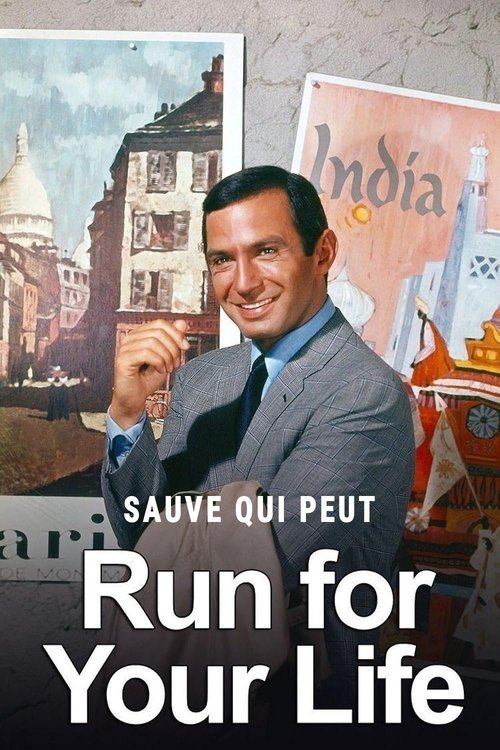
Run for Your Life is an American television drama series starring Ben Gazzara as a man with only a short time to live. It ran on NBC from 1965 to 1968. The series was created by Roy Huggins, who had previously explored the "man on the move" concept with The Fugitive.

Run for Your Life

1965
Night Gallery
7.8

Rod Serling narrates an anthology of fantasy, horror and sci-fi stories from a set resembling a macabre museum. A chilling work of art serves as the connective link between the stories.

Night Gallery

1970
Sugarfoot
5.2

Sugarfoot is an American western television series that aired on ABC from 1957 to 1961. The series stars Will Hutchins as Tom Brewster, an Easterner who comes to the Oklahoma Territory to become a lawyer. Jack Elam is cast in occasional episodes as sidekick Toothy Thompson. Brewster was a correspondence-school student whose apparent lack of cowboy skills earned him the nickname "Sugarfoot", a designation even below that of a tenderfoot.

Sugarfoot

1957
Lights Out
6.0

Lights Out was an extremely popular American old-time radio program, an early example of a network series devoted mostly to horror and the supernatural, predating Suspense and Inner Sanctum. Versions of Lights Out aired on different networks, at various times, from January 1934 to the summer of 1947 and the series eventually made the transition to television. In 1946, NBC Television brought Lights Out to TV in a series of four specials, broadcast live and produced by Fred Coe, who also contributed three of the scripts. NBC asked Cooper to write the script for the premiere, "First Person Singular", which is told entirely from the point of view of an unseen murderer who kills his obnoxious wife and winds up being executed. Variety gave this first episode a rave review ("undoubtedly one of the best dramatic shows yet seen on a television screen"), but Lights Out did not become a regular NBC-TV series until 1949.

Lights Out

1949
Studio 57
8.0

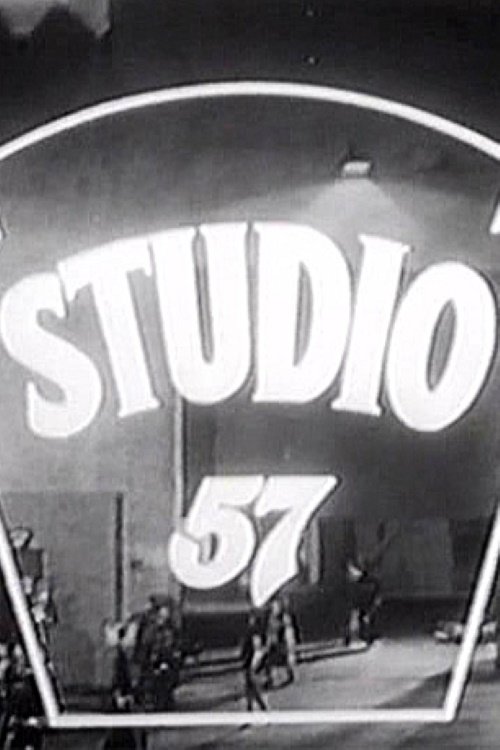
Studio 57 is an American anthology series that was broadcast on the now-defunct DuMont Television Network from September 1954 to September 1955, and in syndication from 1955 to 1956.

Studio 57

1954
Suspense
5.1

An anthology series adapted from the radio program of the same name. Like the radio program, many scripts were adaptations of literary classics by well-known authors. Classic authors such as Edgar Allan Poe, Agatha Christie, and Charles Dickens all had stories adapted for the series, while contemporary authors such as Roald Dahl and Gore Vidal also contributed.

Suspense

1949
The Millionaire
5.8

An anthology series that explored the ways sudden and unexpected wealth changed life for better or for worse. It told the stories of people who were given one million dollars from a benefactor who insisted they never know him, with one exception.

The Millionaire

1955
The Rogues
8.0

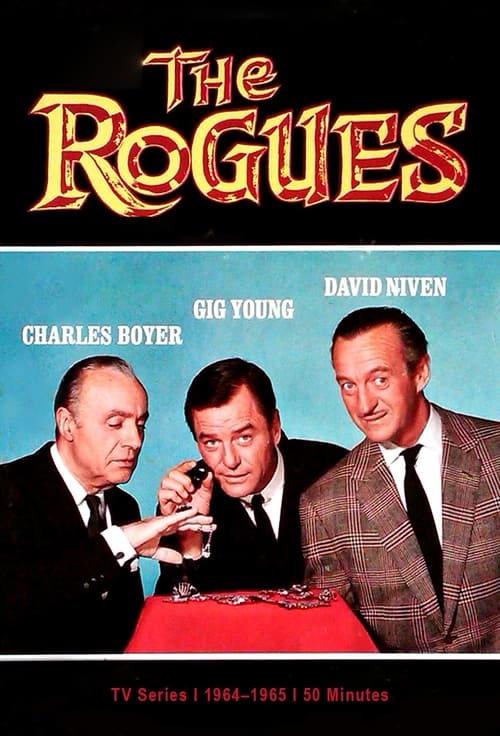
The Rogues is an American television series that appeared on NBC from September 13, 1964, to April 18, 1965, starring David Niven, Charles Boyer, and Gig Young as a related trio of former conmen who could, for the right price, be persuaded to trick a very wealthy and heinously unscrupulous mark. Although it won the 1964 Golden Globe award for Best Television Series, the show was cancelled after one season consisting of thirty episodes.

The Rogues

1964
Casablanca
8.1

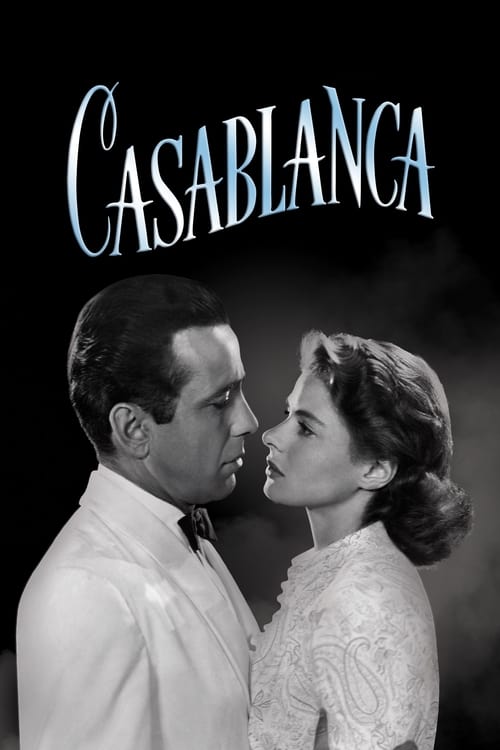
In Casablanca, Morocco in December 1941, a cynical American expatriate meets a former lover, with unforeseen complications.

Casablanca

1943
The Thin Man
7.6

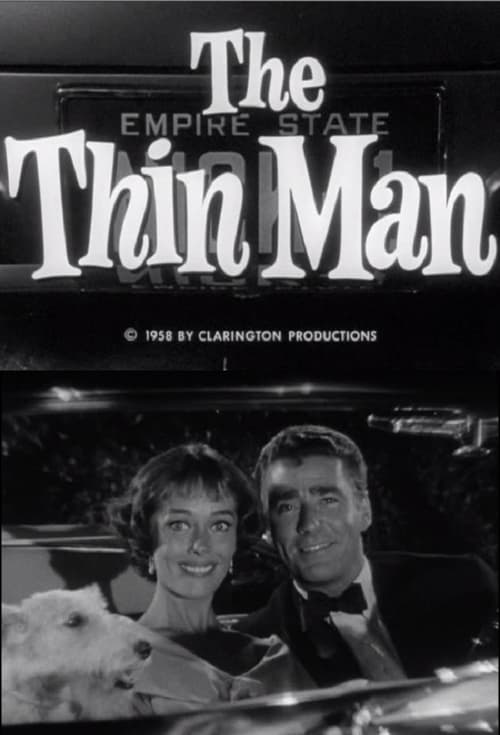
Nick Charles was a private detective who married the wealthy Nora and decided to settle down and leave the good life. Unfortunately for the couple, Nick's past frequently caught up with him and got the couple involved in mystery after mystery. The series was based on the popular MGM series of movies of the 1930's starring William Powell and Myrna Loy. Peter Lawford and Phyllis Kirk starred as the televison versions of Nick and Nora which ran on NBC for two seasons from 1957-59.

The Thin Man

1957
Medical Story
5.0

Medical Story is an American anthology series that aired on NBC from September 4, 1975, until January 8, 1976. Police Story's producers probe the medical world! Result: strong medicine!

Medical Story

1975
Hallmark Hall of Fame
8.8

Long-running anthology program sponsored by Hallmark Cards. Beginning in 1951 and continuing into 2019, the series received 80 Emmy Awards, 24 Christopher Awards, 11 Peabody Awards, 9 Golden Globes, and 4 Humanitas Prizes. Early seasons were a weekly live drama, eventually transitioning to videotaped and then filmed productions broadcast as occasional specials.

Hallmark Hall of Fame

1951
War and Peace
6.6

The love story of young Countess Natasha Rostova and Count Pierre Bezukhov is interwoven with the Great Patriotic War of 1812 against Napoleon's invading army.

War and Peace

1956
General Electric Theater
6.8

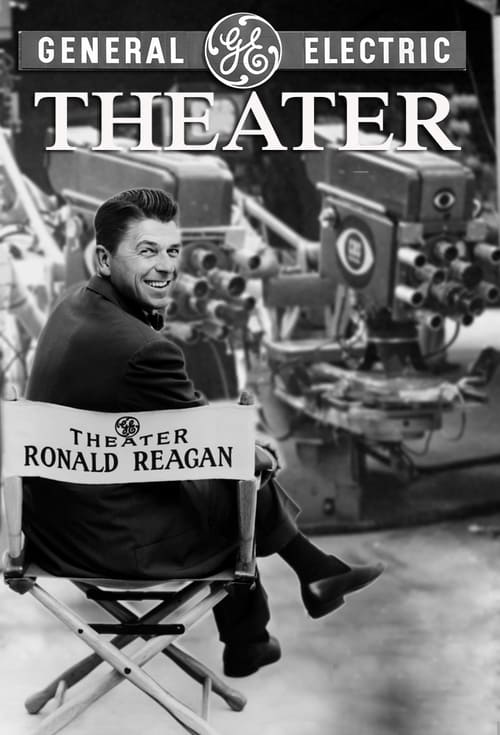
General Electric Theater is an American anthology series hosted by Ronald Reagan that was broadcast on CBS radio and television. The series was sponsored by General Electric's Department of Public Relations.

General Electric Theater

1953
Schlitz Playhouse of Stars
7.2

Schlitz Playhouse of Stars is an anthology series that was telecast from 1951 until 1959 on CBS. Offering both comedies and drama, the series was sponsored by the Joseph Schlitz Brewing Company. The title was shortened to Schlitz Playhouse, beginning with the fall 1957 season.

Schlitz Playhouse of Stars

1951
To Be or Not to Be
7.8

During the Nazi occupation of Poland, an acting troupe becomes embroiled in a Polish soldier's efforts to track down a German spy.

To Be or Not to Be

1942
Mrs. Miniver
7.1

Middle-class housewife Kay Miniver deals with petty problems. She and her husband Clem watch her Oxford-educated son Vin court Carol Beldon, the charming granddaughter of the local nobility as represented by Lady Beldon. Then the war comes and Vin joins the RAF.

Mrs. Miniver

1942
Bring Me the Head of Alfredo Garcia
7.1

An American bartender and his prostitute girlfriend go on a road trip through the Mexican underworld to collect a $1 million bounty on the head of a dead gigolo.

Bring Me the Head of Alfredo Garcia

1974