Camera
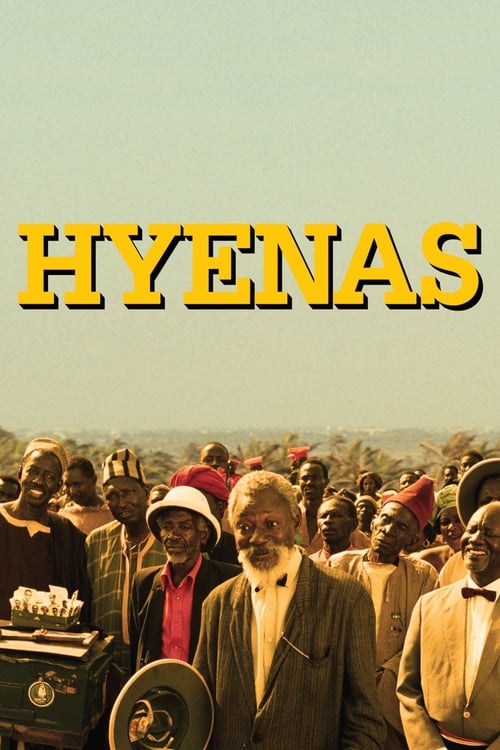
A now-rich woman returns to her poor desert hometown to propose a deal to the populace: her fortune, in exchange for the death of the man who years earlier abandoned her and left her with his child.
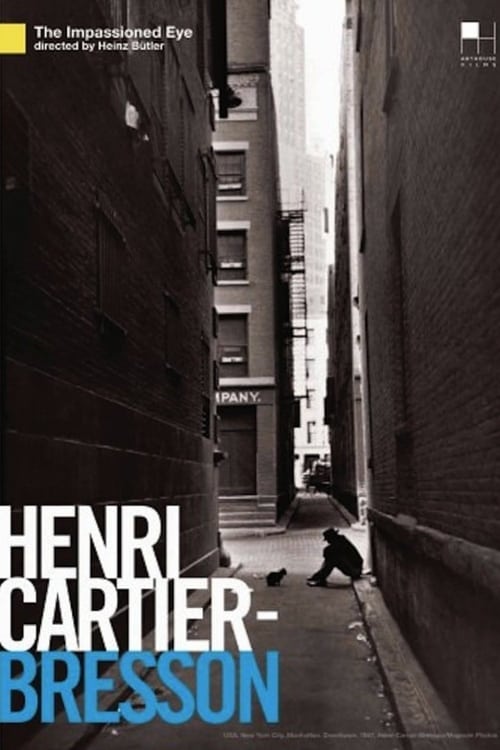
Heinz Bütler interviews Henri Cartier-Bresson (1908-2004) late in life. Cartier-Bresson pulls out photographs, comments briefly, and holds them up to Bütler's camera. A few others share observations, including Isabelle Huppert, Arthur Miller, and Josef Koudelka. Cartier-Bresson talks about his travels, including Mexico in the 1930s, imprisonment during World War II, being with Gandhi moments before his assassination, and returning to sketching late in life. He shows us examples. He talks about becoming and being a photographer, about composition, and about some of his secrets to capture the moment.
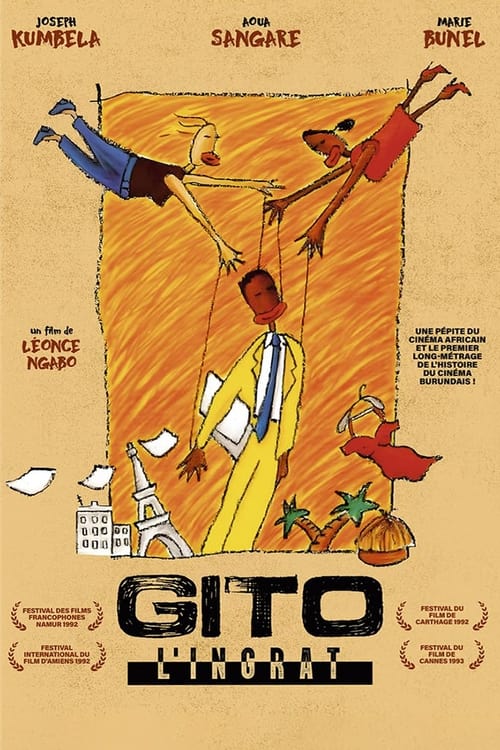
Back home in Bujumbura with a Parisian diploma in his pocket and expecting to walk into a civil service job, Gito finds himself both unemployed and caught between two women: his current French girlfriend Christine and his local old flame Flora.
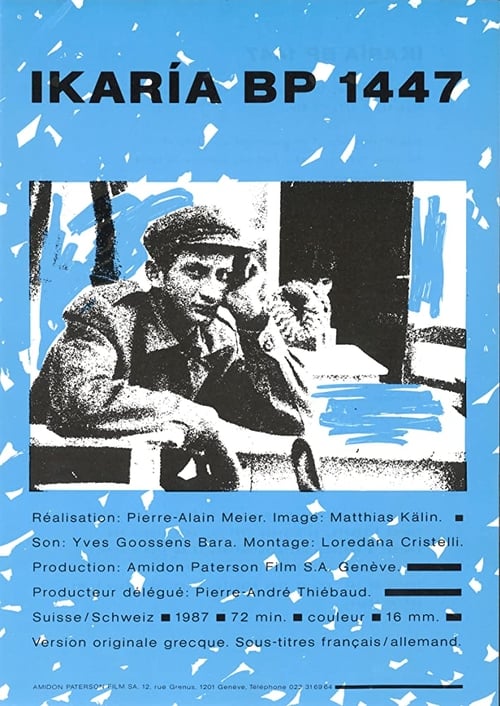
No description available.
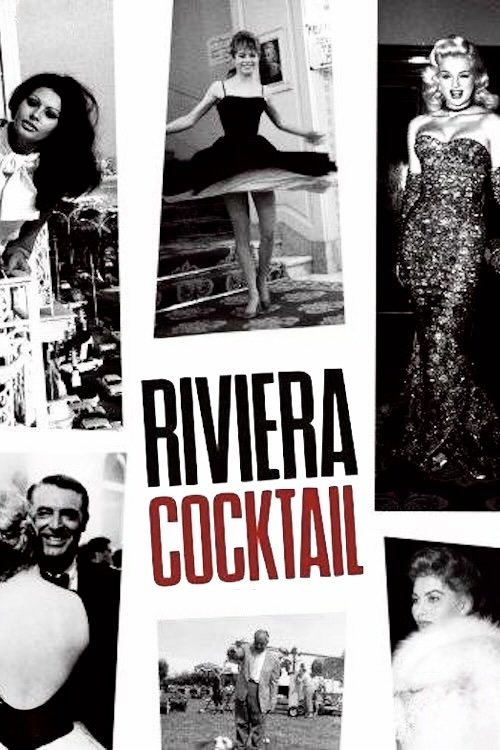
This documentary charts the life of Irish photographer Edward Quinn who shot some of the most iconic photos of 20th century glitterati. He was a fixture on the French Riviera in the 1950s and witnessed its glitz and glamour. The film recounts a dazzling era of stars, starlets, playboys, princes and artists.
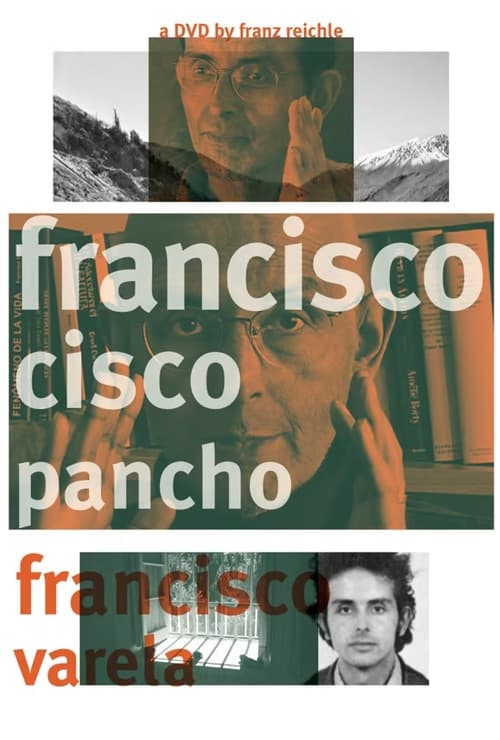
AUTOBIOGRAPHY: The personal history of Francisco Varela as told by him on his veranda in Monte Grande, Chile, on February 17, 2001 when he was already greatly weakened by chemotherapy but still extremely present and awake, three months before he died on May 28, 2001. As very few before him have done, Francisco Varela attained levels of accomplishment in Western science as well as in Buddhist philosophy and meditation. ORAL ANTHOLOGY: Individual interviews with Francisco Varela, Amy Cohen Varela, Bruno Latour, H.H. Dalai Lama, Tsoknyi Rinpoche; and poems by Francisco Varela, read by his father, Raúl Varela Rodríguez.
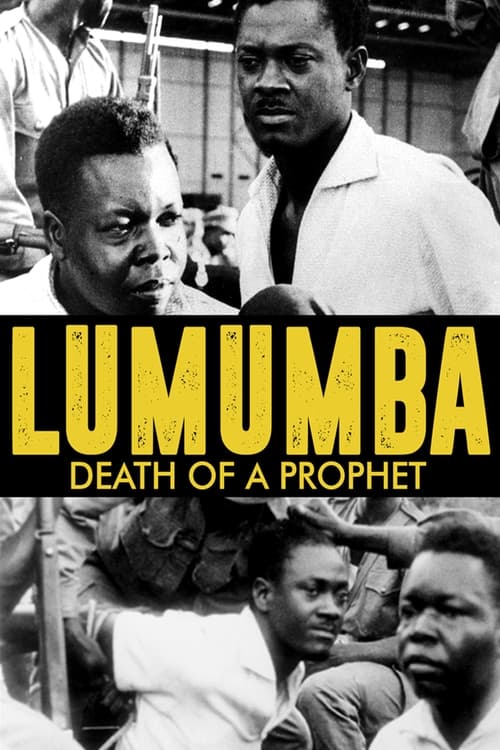
Documentary about African political leader Patrice Lumumba, who was Prime Minister of Zaire (now Democratic Republic of Congo) when he was assassinated in 1961.
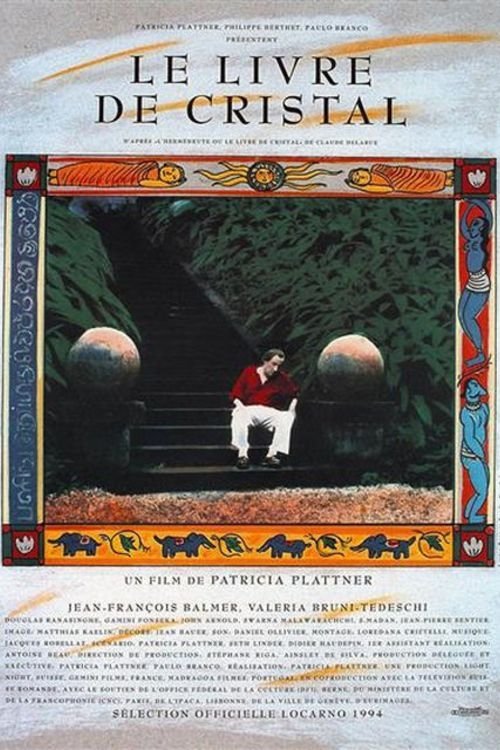
This European thriller, set in Sri Lanka, attempts to expound upon the philosophical implications of life, death, and memory. JB, an academic famed for his studies of oriental culture and alcoholic who has never recovered from his wife's suicide, returns to Sri Lanka to translate a book written on glass. It is supposed to contain Buddha's discourse upon memory. While he is there, an attractive nurse, Julia asks him to assist a young boy who wants to locate his father who is now living in a Tamil-occupied area. The Tamil terrorists will kill any trespassers. Compounding JB's conflict in deciding to go is that his former home where he lived with his wife is in that area. Unbeknownst to him, the boy is really a Tamil spy.
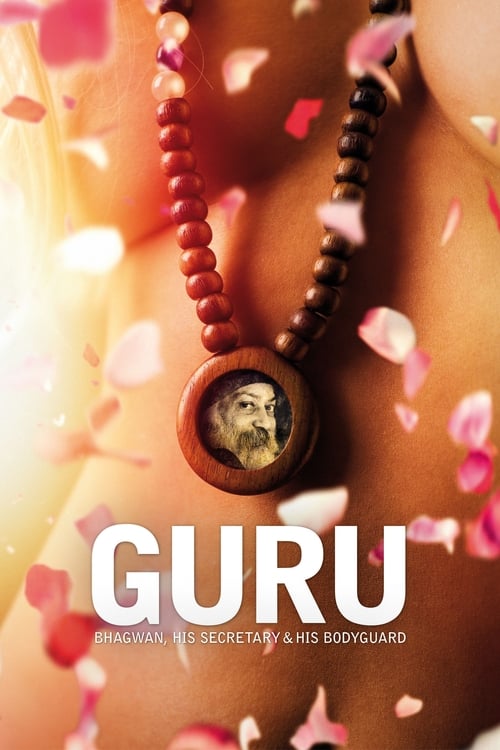
The wild Seventies. A quest for higher consciousness, spirituality and sexual freedom. In England, young Hugh Milne hears the voice of spiritual teacher Bhagwan Shree Rajneesh on an audiotape and travels to India in search of his own self. Sheela Patel, a young Indian woman, is brought to the charismatic guru by her father. At 21, she knows: all she wants is to be with this man. In his Ashram in Poona, Bhagwan urges his disciples to meditate and practise tantric sex in order to reach a higher plane of consciousness. Hugh watches the guru's ascent as his bodyguard. Sheela becomes his secretary and the powerful boss of Bhagwan's model community born in the mountains of Oregon...
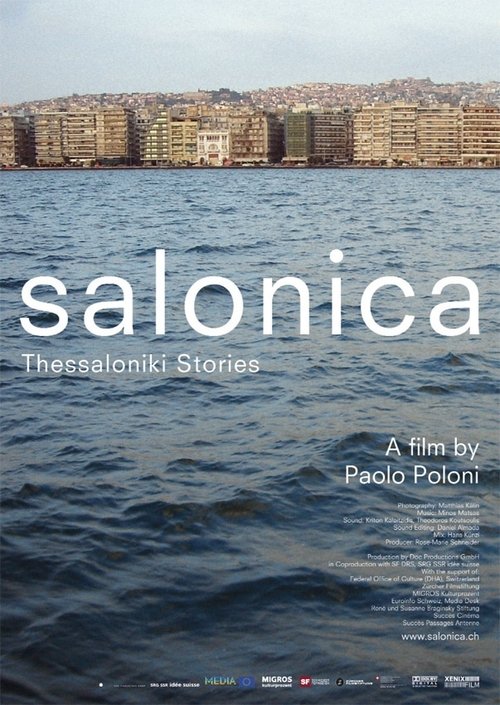
A look at Thessaloniki which for 450 years was mainly Jewish and the predominant language was Spanish. It was populated by the Jews who were expelled from Catholic Spain in 1492 who found refuge in the Ottoman Empire.
A film made in Cameroon and France about the life and work of filmmaker Djibril Diop Mambéty, with testimonials from filmmakers Abderrahmane Sissako, Newton Aduaka and Mahamat-Saleh Haroun, Cheick Fantamady Camara, Mahama Johnson Traoré; critics Catherine Ruelle, Thierno I. Dia and Brice Ahounou; Cameroonian actor Gérard Essomba; Mambéty's brother, Wasis Diop; and his son, Teemour Diop Mambéty.
This documentary follows Swiss improvisation musicians and tells their stories.
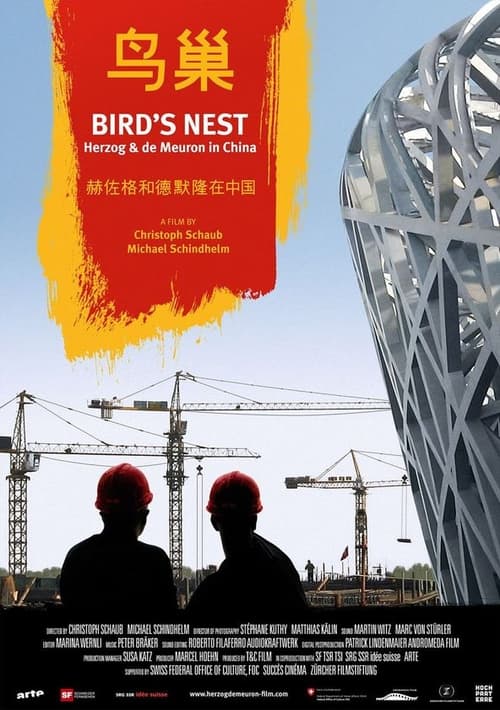
Schaub and Schindelm’s documentary follows two Swiss star architects, Jacques Herzog and Pierre de Meuron, on two very different projects: the national stadium for the Olympic summer games in Peking 2008 and a city area in the provincial town of Jinhua, China.
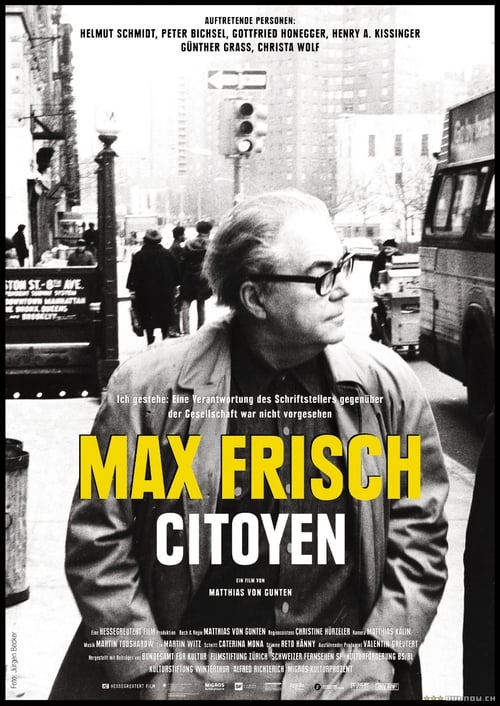
Max Frisch was the last big Swiss intellectual widely respected as a “voice” in its own right – a character hardly found today. The film retells Frisch’s story as a witness of the unfolding 20th century, wondering if such “voices” are needed at all, or if we could do without them.
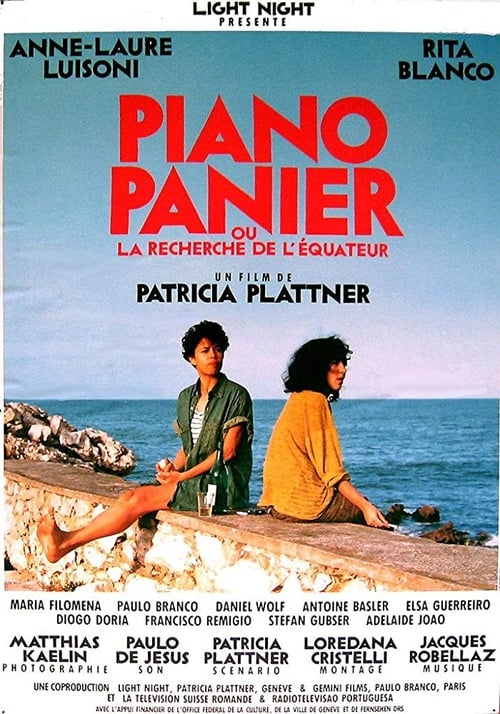
A film about two young women, trying to decide how to go on with their lives and loves: Marie just dumped her boyfriend, who's married and can see her just secretly twice a week. At this point Pipa invites her to join her on a visit at her home at the coast of Portugal. Only when they are arrived there, Marie learns that Pipa has come to marry Manuel, and that she too is unsure if she'll be happy with her decision.
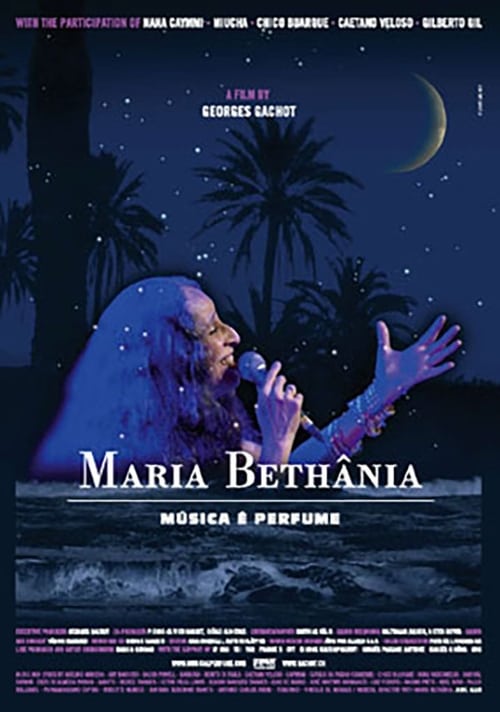
Brazilian singer Maria Bethania has a 40-year singing career. A documentary shows her concerts and famous family.
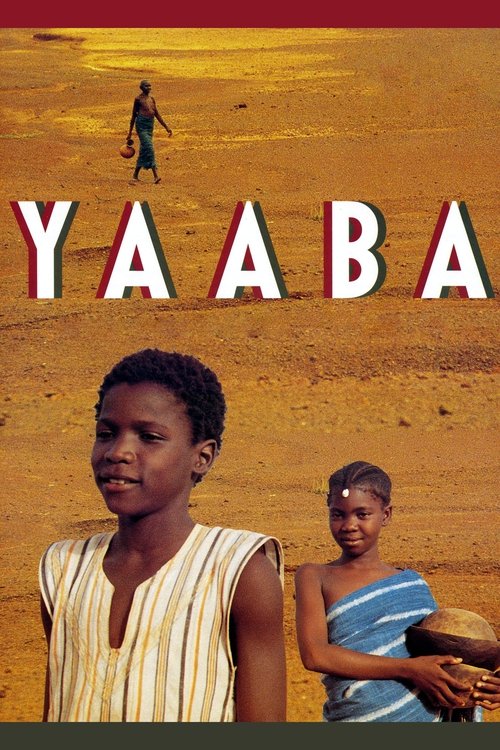
A small African village. The story focuses on Bila, a ten year old boy who befriends an old woman, Sana. Everybody calls her 'Witch' but Bila himself calls her 'Yaaba' (grandmother). When Bila's cousin Nopoko gets sick it is Sana's medicine that saves her.
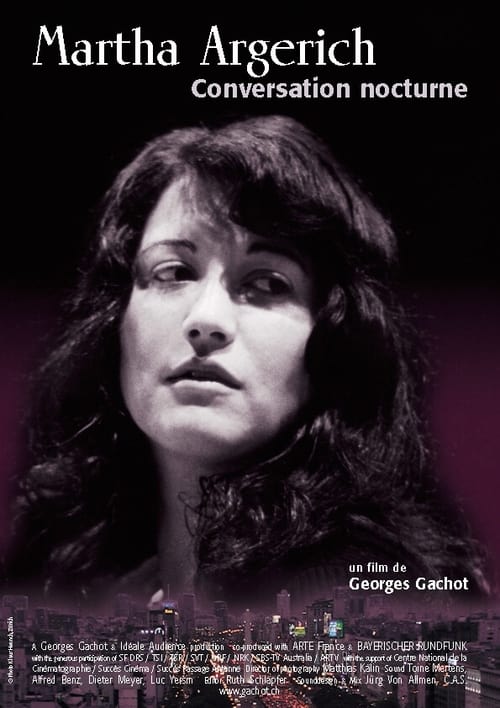
Martha Argerich is the last remaining pianist of legend. A wild child and a rebel at heart, this legendary Argentinean musician is surrounded by an aura of mystery: some find her too uncompromising, others generous and beautiful, yet to all she is without doubt incredibly talented. Thanks to these "evening talks", Georges Gachot lifts a corner of the veil: Martha Argerich shares with us her memories, confides in us her doubts, and transmits to us her incredible appetite for music making. Images of Argentina, rehearsals in the concert hall or at home, excerpts of recent concerts and archival clips complete this unique film on one of the most secretive and endearing artists of our time.
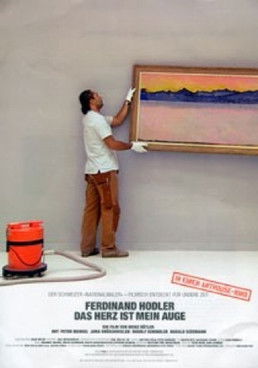
Bütler’s film is the first documentary to tell the story of the great artist Ferdinand Hodler, a huge national figure in Swiss art history. Born in 19th Century Bern, Hodler was an orphan whose painting of Wilhelm Tell has become an iconic piece of Swiss art. Prominent contributors such as writer Peter Bichsel and artist Rudolf Schindler comment on what makes Hodler’s pictures so iconic. Enlightening, moving and far removed from any clichés, the film explains the great themes of Hodler’s work – man, nature, love and death – and takes a fascinating journey into an artistic and very contemporary world.
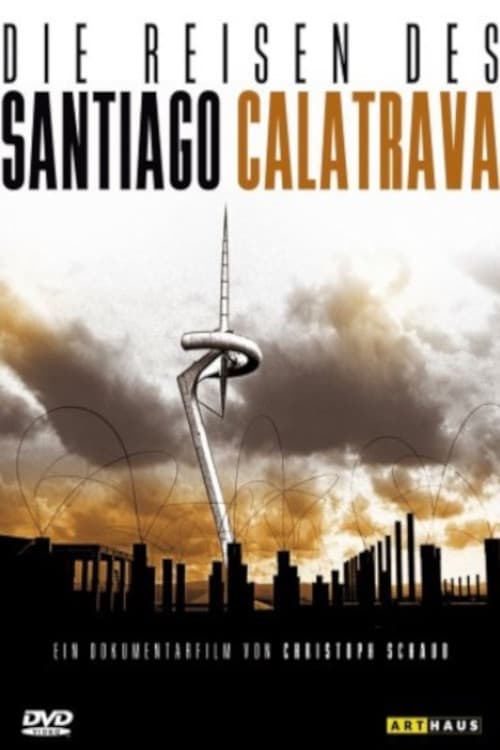
A documentary feature about architect Santiago Calatrava.