
Tony Gatlif
Directing
Biography
Gatlif was born in Algiers to a Kabyle father and a Romani mother. After his childhood there, Gatlif arrived in France in 1960 following the Algerian War of Independence. Gatlif struggled for years to break into the film industry, playing in several theatrical productions until directing his first film, La Tête en ruine, in 1975. He followed it with the 1979 La Terre au ventre, a story of the Algerian War of Independence. Since the 1981 Corre, gitano, Gatlif's work has been focused on the Romani people of Europe, from whom he partially traces his descent. After making Gaspard et Robinson in 1990, Gatlif spent 1992 and 1993 shooting Latcho Drom, which was awarded numerous prizes. This feature-length musical film, often mislabelled as a documentary, deals with gypsy culture throughout the world around the theme of their music and dance. For Vincent Ostria, then journalist at the Cahiers du Cinéma, it was "the most genuine film of the year (1993 editor's note)." A year later, Gatlif brought the world of the author J. M. G. Le Clézio (pen-name) to the screen in Mondo (1994). His 2004 film Exils, won the Best Director Award at the 2004 Cannes Film Festival. His film Transylvania also premiered at Cannes in May 2006.
Known For

No description available.
Vivement dimanche

The César Awards are cinematographic awards created in 1976 and presented annually in Paris to professionals of the 7th art in various categories to recognize the best French productions. They are often cited as the French equivalent of the Oscars in the United States.
Cérémonie des César
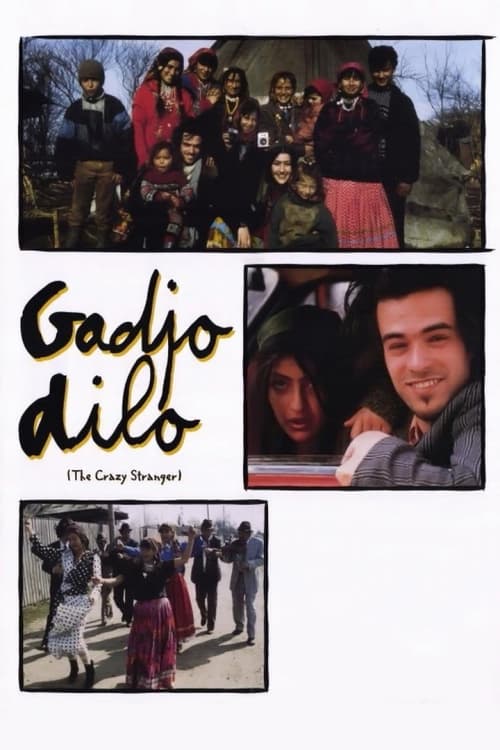
A man is looking for a singer he had heard on cassette. He finds much more.
The Crazy Stranger

Nara, a 30-year-old gypsy, lives with her nine-year-old daughter Zorka and her grandmother in a public housing project in the Paris region.
Les Princes
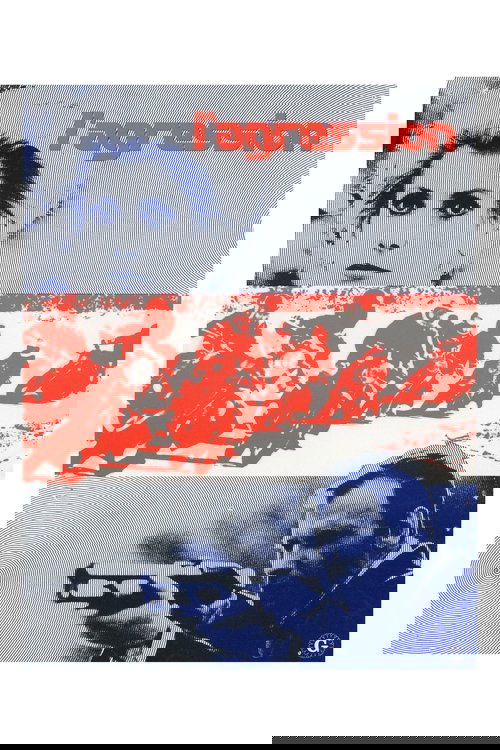
After his wife and daughter are raped and killed by a motorbike gang, a man sets out to take revenge.
Act of Aggression
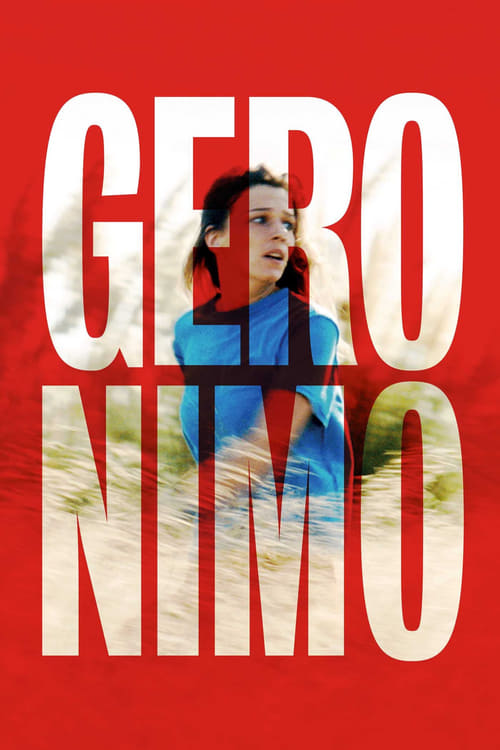
South of France. In the sultry August heat, Geronimo, a young social educator, tries to ease tensions between the youngsters of the St Pierre neighborhood. The mood changes when Nil Terzi, a teenage girl of Turkish origin, flees an arranged marriage, running to the arms of her gypsy lover, Lucky Molina. Their escape sparks hostilities between the two clans. When the jousting and the musical battles begin, Geronimo struggles to quell the ensuing unrest around her.
Geronimo

Zingarina arrives in Transylavania, accompanied by her close friend Marie and her guide and interpreter Luminitsa. She is not there only to visit this region of Romania but to trace her lover Milan, a musician who has made her pregnant and who left her without a word of explanation. When she finds him back, he brutally rejects her and Zingarina is terribly upset. She leaves her two companions and having become a wreck she hardly survives by following a wandering little girl. Her destiny changes for the best when she meets Tchangalo, a traveling trader...
Transylvania
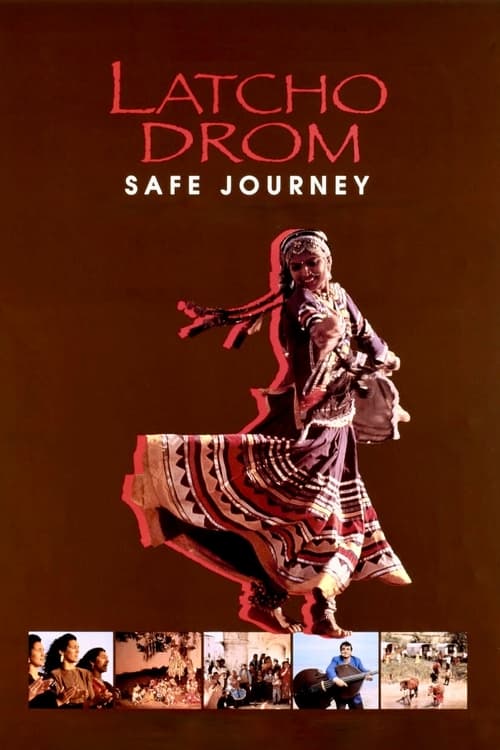
Latcho Drom is a vista of the music, culture, and journey of the Romani people—from their homeland of India, to Europe and Southwest Asia.
Safe Journey

Twenty-five films from twenty-five European countries by twenty-five European directors.
Visions of Europe
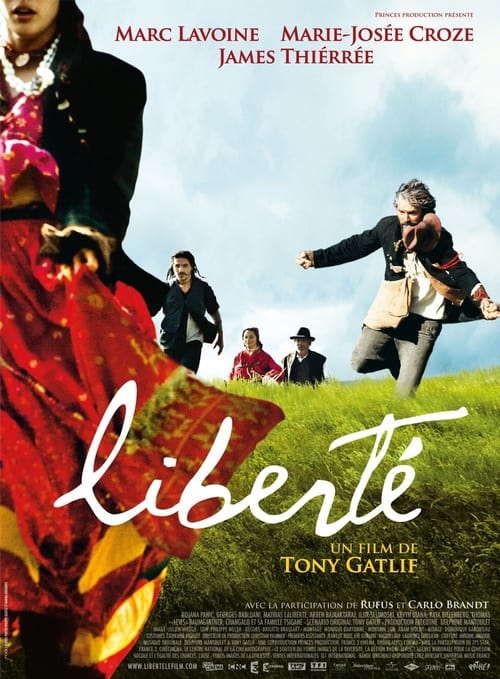
A Gypsy family travels the French roads during the Second World War, followed by Little Claude, a young boy seeking a new family after his parents "left and never returned". Upon reaching a town where they traditionally stop for a few months and work in vineyards, they learn that a new law forbids them from being nomadic. Theodore, the town's mayor, and Miss Lundi, the schoolteacher, protect and help the Gypsies. Despite this, They are arrested and placed in an internment camp. Theodore manages to rescue them and gives them a piece of property where they must settle. But the Gypsies' deeply ingrained thirst for freedom makes this sedentary lifestyle difficult to bear. After Theodore and Miss Lundi are arrested for resistance, the Gypsies decide they must get back on the move in order to remain free.
Freedom

Djam, a young Greek woman, is sent to Istanbul by her uncle Kakourgos, a former sailor with a passion for Rebetiko, to find a rare part that will repair their boat. In Istanbul, she encounters Avril, a nineteen-year-old French girl, alone and without any money, who came to Turkey as a voluntary worker with refugees. Djam, generous, cheeky, unpredictable, and free-spirited, takes Avril under her wing on the way to Mytilene. A journey filled with encounters, music, sharing, and hope.
Journey from Greece
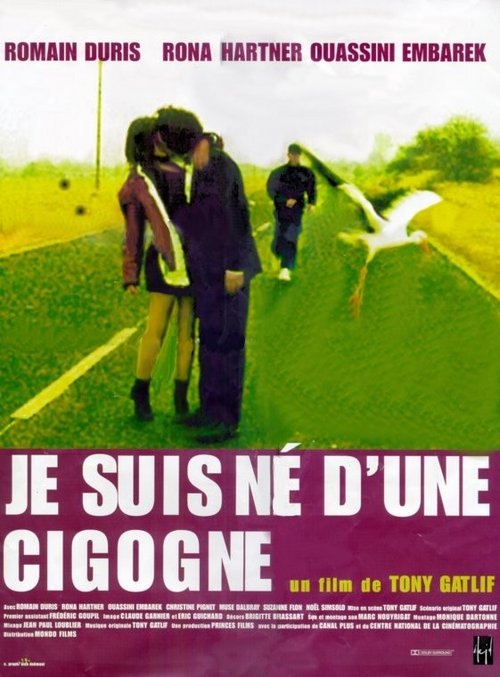
Three French pals take to the road in a stolen car and discover a talking, wounded stork — who claims to have deserted the Algerian army — and help it to escape to the home of a relative in Germany.
Children of the Stork
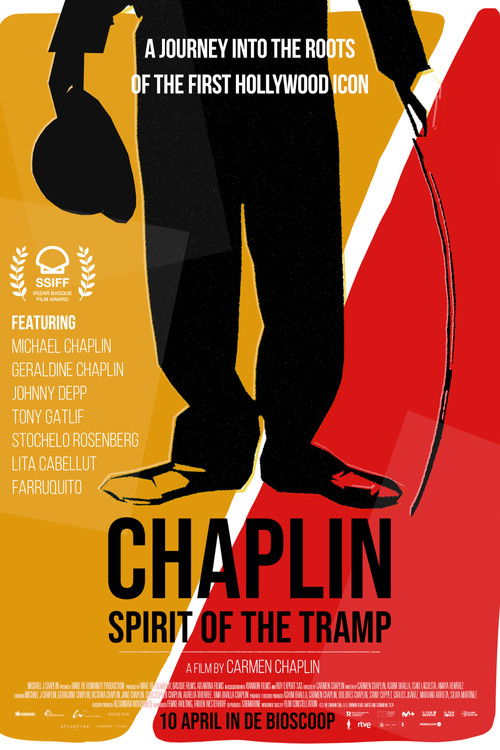
A revealing exploration of Chaplin’s Romani heritage constructed from intimate interviews, film extracts, home movies and contributions from renowned contemporary Romani artists.
Chaplin: Spirit of the Tramp

Lola, a young, energetic and cheerful student lives in Paris. She’s preparing to sit her law thesis, and works part-time at Chloroville, “Our green fingers look after your interior plants”. She has split up with Simon, a lawyer in his thirties who is always busy defending “the trial of his life”. Their stormy relationship held Lola back, and although they’ll love each other forever, it won’t be on an everyday basis.
Like An Airplane
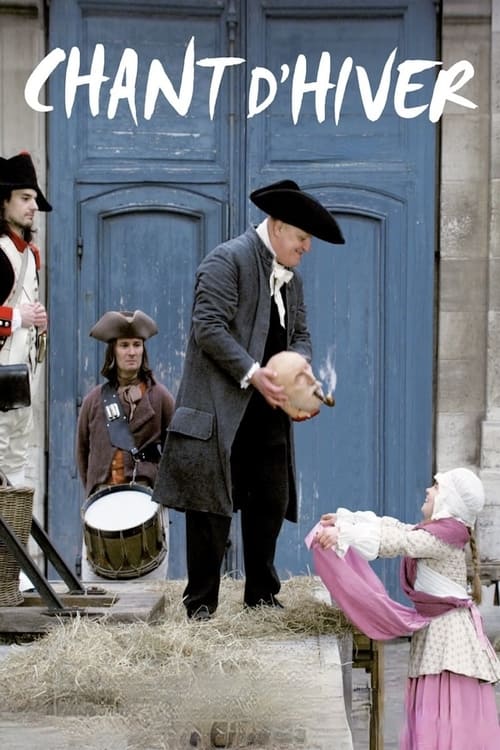
Two old friends have urban adventures connected to the skull of an executed French aristocrat.
Winter Song
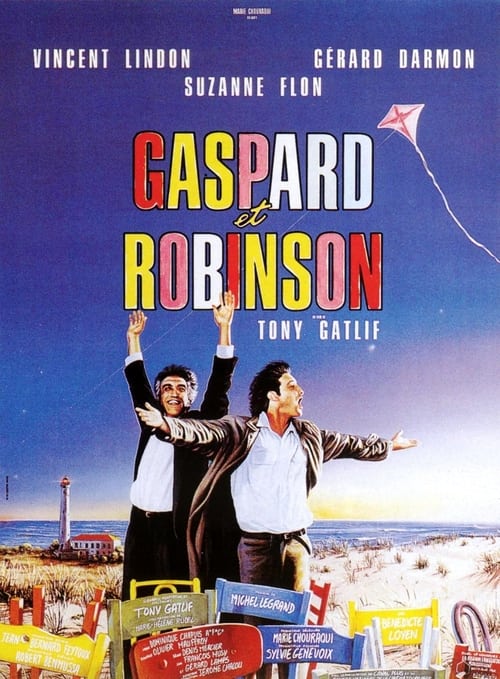
Two underdogs, Gaspard and Robinson, welcome an old woman, Mamie, whose family has left on the roadside.
Gaspard and Robinson
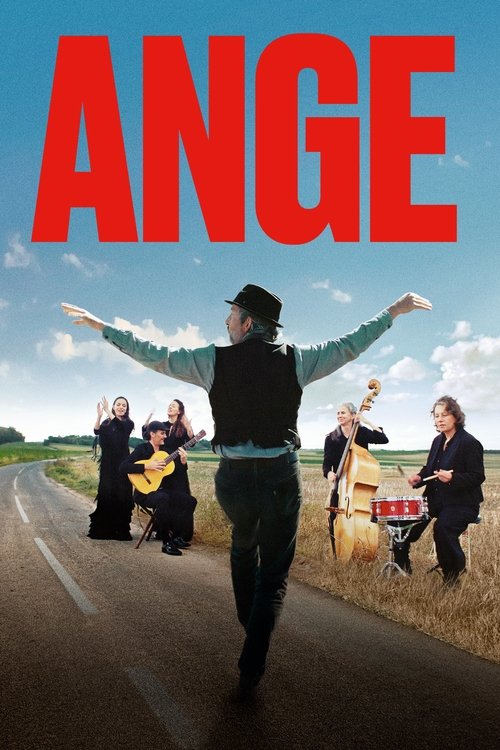
Ange, a rootless musician, feels a vital need to reconnect and make peace with his old friend Marco. Solea, his past love’s daughter revolted against her era, joins him on this journey. Together, they rediscover the path to joy.
Ange
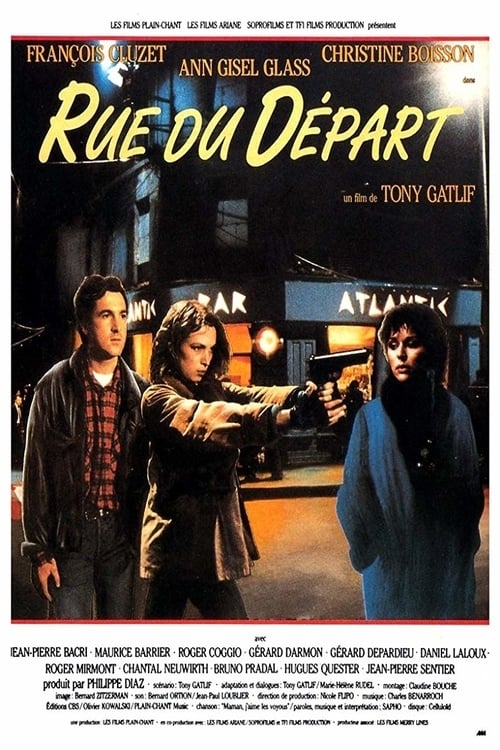
Leaving prison, Paul goes to the port. That's where he lived and where he got caught. This is also where his father died. And before leaving to try his luck elsewhere, Paul wants to avenge him.
The Way Out

One day Zano suggest a crazy idea to his companion Naïma: travel across France and Spain down to Algeria, where they might ultimately come to know the land their parents once had to flee.
Exiles
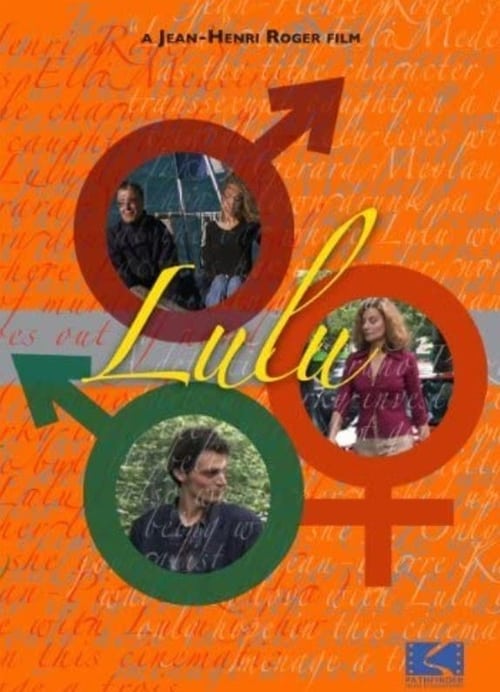
It's the beginning of the bullfighting season and all paths seem to lead from the arena straight to Lulu's bar. Lulu is radiant. When she was seventeen, and went by the name of Lucien, she headed off for more convivial surroundings.