FEEL IT.STREAM
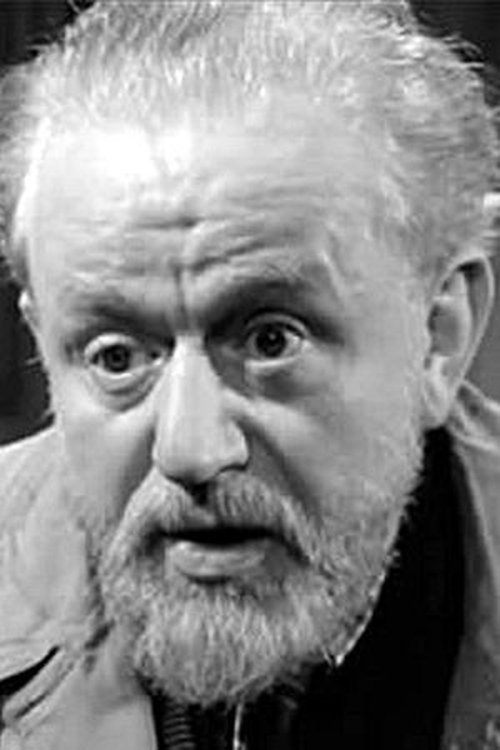
Antoine Balpêtré

Antoine Balpêtré

Acting

Biography

Antoine Balpêtré (3 May 1898 – 28 March 1963) was a French stage and film actor. He appeared in 52 films between 1933 and 1963. Source: Article "Antoine Balpêtré" from Wikipedia in English, licensed under CC-BY-SA 3.0.
Known For

Justice Is Done
6.4

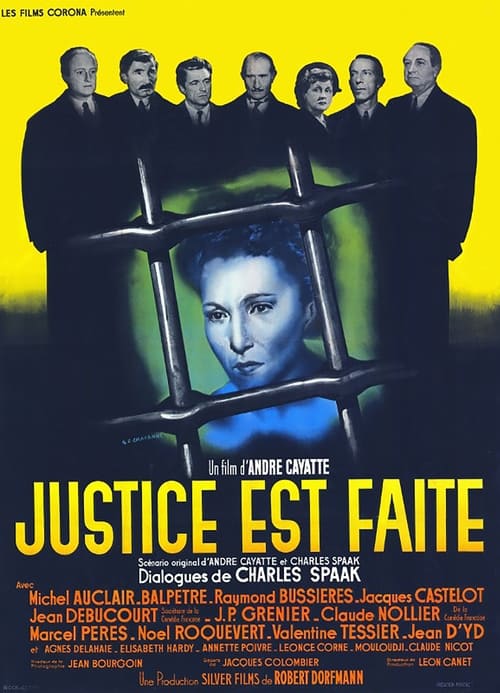
Elsa Lundenstein is accused of having murdered her lover. The jury discusses the case vividly. All members are somehow prejudiced because of personal life experience and subsequently each member reads something different into the presented facts.

Justice Is Done

1950
Le Corbeau
7.5

Remy Germain is a doctor in a French town who becomes the focus of a vicious smear campaign, as letters accusing him of having an affair and performing unlawful abortions are mailed to village leaders. The mysterious writer, who signs each letter as "Le Corbeau" (The Raven) soon targets the whole town, exposing everyone's dark secrets.

Le Corbeau

1943
Katia
6.5

Tsar Alexandre II meets a young student, Katia. He understands that he loves her and try to send her away but they end up seeing each other again and becomes his mistress. With the help of Katia, Alexandre prepares a liberal constitution, but these reforms make him hostile to the more privileged subjects without satirising the revolutionaries against the regime.

Katia

1959
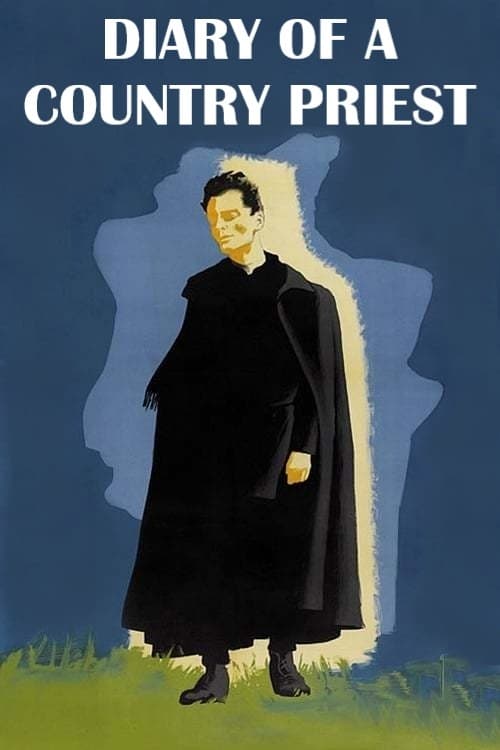
Diary of a Country Priest
7.5

An inexperienced, sickly priest shows up in the rural French community of Ambricourt, where he joins the community's clergy. But the locals don't take kindly to the priest, and his ascetic ways and unsociable demeanor make him an outcast. During Bible studies at the nearby girls school, he is continually mocked by his students. Then his attempt to intervene in a family feud backfires into a scandal. His failures, compounded with his declining health, begin to erode his faith.

Diary of a Country Priest

1951
Le Plaisir
7.5

Three stories about the pleasure. The first one is about a man hiding his age behind a mask to keep going to balls and fancying women - pleasure and youth. Then comes the long tale of Mme Tellier taking her girls (whores) to the country for attending her niece's communion - pleasure and purity. And lastly, Jean the painter falling in love with his model - pleasure and death.

Le Plaisir

1952
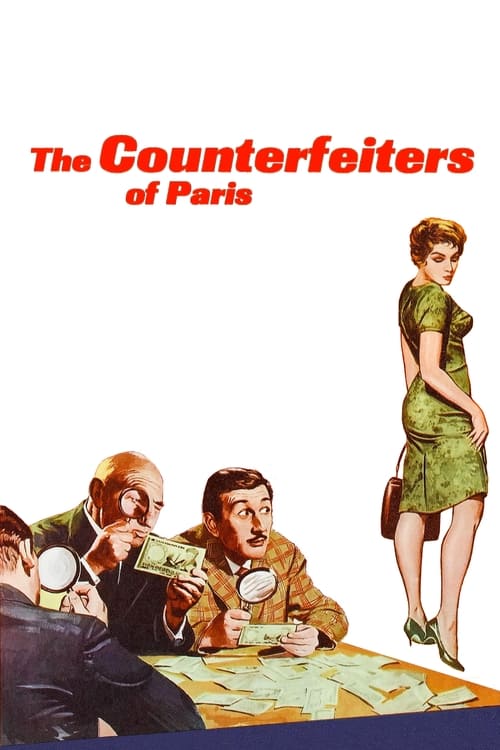
The Counterfeiters of Paris
7.0

"Le Dabe" retired many years ago and now he lives in the Tropics where he owns stables and horses. He is a very rich man. He was the king of all money counterfeiters. He is contacted from Paris to organize a new job. He says no. But when he finds out the the currency that should be counterfeited is the Dutch florin, he accepts immediately. He retired after having counterfeited 100 florin notes just before the Queen Wilhelmina retired them from circulation. He flies to Paris. But the gang is not to be trusted, at least not all of them.

The Counterfeiters of Paris

1961
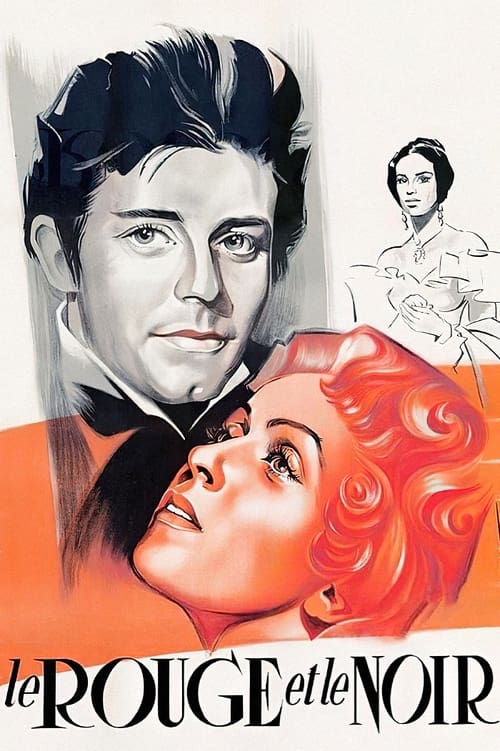
Le Rouge et le Noir
6.3

It's no holds barred for Julian in pursuit of upward mobility. Although expected to channel career aspirations into the Church of the post-Napoleonic era, his intensely romantic liaisons propel him forward at a pace he cannot control.

Le Rouge et le Noir

1954
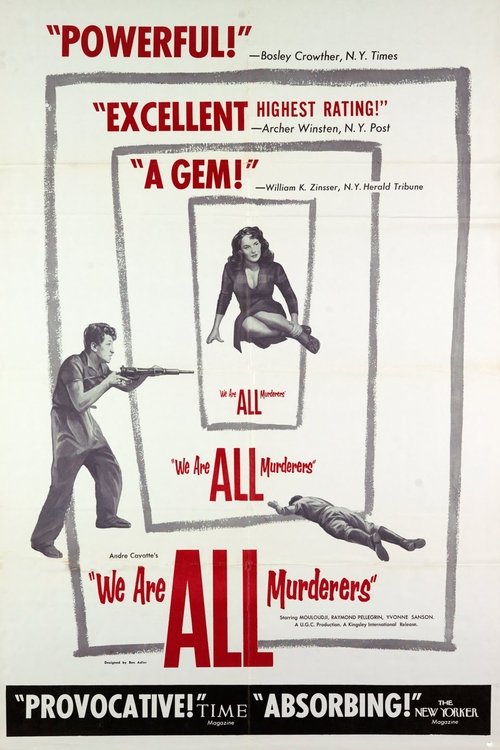
We Are All Murderers
6.7

Originally titled Nous Sommes Tout des Assassins, We Are All Murderers was directed by Andre Cayette, a former lawyer who detested France's execution system. Charles Spaak's screenplay makes no attempt to launder the four principal characters (Marcel Mouloudji, Raymond Pellegrin, Antoinine Balpetre, Julien Verdeir): never mind the motivations, these are all hardened murderers. Still, the film condemns the sadistic ritual through which these four men are brought to the guillotine. In France, the policy is to never tell the condemned man when the execution will occur--and then to show up without warning and drag the victim kicking and screaming to his doom, without any opportunity to make peace with himself or his Maker. By the end of this harrowing film, the audience feels as dehumanized as the four "protagonists." We Are All Murderers was roundly roasted by the French law enforcement establishment, but it won a special jury prize at the 1952 Cannes Film Festival.

We Are All Murderers

1952
House of Ricordi
6.3

The film covers a hundred years in the lives of the Ricordi family, the Milan publishing house of the title, and the various composers and other historic personalities, whose careers intersected with the growth of the Ricordi house. It beautifully draws the parallel between the great music of the composers, the historic and social upheavals of their times, as well as the "smaller stories" of the successive generations of Ricordi.

House of Ricordi

1954
The Burning Court
5.1

A group of people visit a weird old man who is a student of the black arts. The man lives in an ancient, cursed castle. Soon people in the group start being killed off.

The Burning Court

1962
Story of San Michele
6.5

A biographical drama is based on the 1929 autobiography of Swedish doctor Axel Martin Fredrik, The Story of San Michele. It follows the physician, psychiatrist, and adventurer as he travels the distances from Lapland to his Villa San Michele on Capri, with special stops in Paris and Rome. Personal physician to Queen Victoria, also physician to the Swedish royal family (he spent his last years living in the Royal Palace in Sweden), "Axel Munthe" knew everyone from the poorest clients to the most well-endowed. His love of animals, his support of bird sanctuaries, his involvement with architecture as he constructs his impressive villa throughout five summers, and his interests in archaeology and hypnotism are all explored.

Story of San Michele

1962
The Murderer Lives at Number 21
7.3

Paris, France. Commissaire Wens follows the lead of a ruthless murderer to an unexpected place.

The Murderer Lives at Number 21

1942
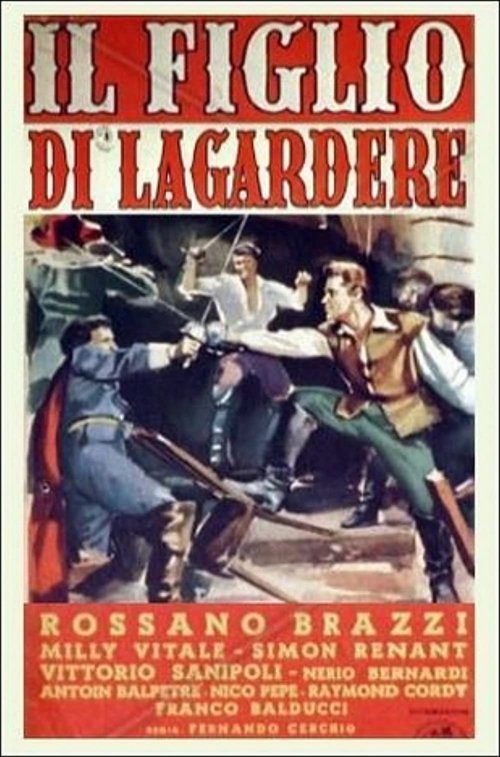
Son of the Hunchback
7.0

20 years after the assassination of his father, the son of Lagardère seeks revenge.

Son of the Hunchback

1952
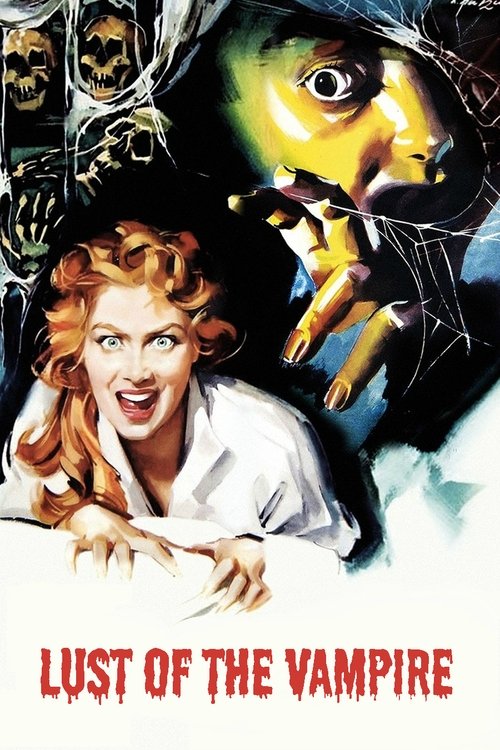
Lust of the Vampire
6.3

A mad scientist captures young women and drains their blood, in order to keep alive an ancient, evil duchess.

Lust of the Vampire

1957
If Paris Were Told to Us
5.9

Historical film directed and written by Sacha Guitry follows the the history of Paris from its founding through the significant events in the city's history.

If Paris Were Told to Us

1956
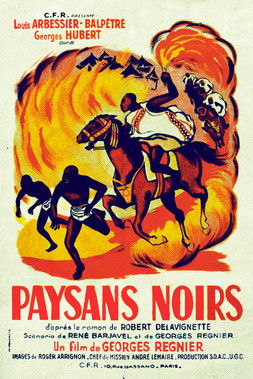
Paysans Noirs
10.0

In Ivory Coast, an administrator is appointed to replace a colleague who has just been assassinated. The newly appointed administrator, Guillon, clashes with a powerful elite that extorts money from farmers who refuse to cultivate the land. A peanut processing plant, nearing completion, unfolds against a backdrop of ethnic rivalries and resistance from the rural population to the changes imposed by the colonial regime, which is striving to modernize traditional agriculture to demand increased production. Aided by a doctor and an engineer, Guillon succeeds in restoring the confidence of the Black farmers after thwarting the schemes of those who dared to stand in his way.

Paysans Noirs

1949
Black Dossier
6.3

In the 1950s, in a small provincial town, a young inexperienced judge clashes with an influential notable during an investigation into a suspicious death. His perseverance to get to the truth will cause a huge scandal.

Black Dossier

1955
Before the Deluge
6.6

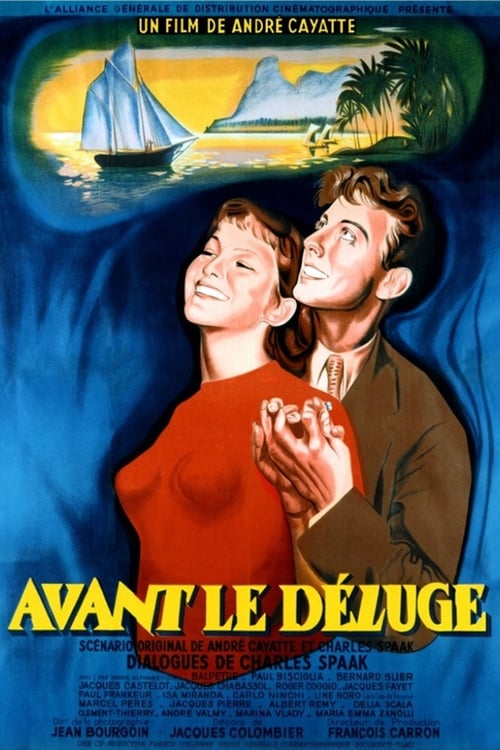
The title of this French "reality" drama, which translates to Before the Deluge, is a play on Louis XVI's famous prognostication, "Apres moi, le deluge." Set in 1950, the film concentrates on five Parisian adolescents. Certain that the next war will herald the apocalypse, the youngster make plans to run off to a desert island and set up a new society. This, however, will require money, which is why the boys decide to pull off a "necessary" robbery. Idealism collapses in the face of cold reality, as the five youths suffer from the consequences of their actions. Avant le Deluge was one of a group of films cowritten by director Andre Cayatte and Charles Spaak which endeavored to explore the touchy social issues of the day: others in the Cayatte-Spaak canon include the euthanasia-themed Justice est Faite and the capital-punishment tract Nous sommes tous des assassins.

Before the Deluge

1954
Mathias Sandorf
6.1

1868. Revolutionary Mathias Sandorf is determined to oust the dictatorship oppressing his country. The people see him as their liberator. Denounced by his banker, Mathias is arrested and sentenced to death. He manages to escape and takes refuge in a fishing village where he prepares a new uprising.

Mathias Sandorf

1963
Fantomas Against Fantomas
7.1

Everyone in Paris thinks Fantomas is dead. A wave of extortion, blackmail and murder all point to the master criminal. Inspector Juve and his reporter friend Fandor set out to find the truth.

Fantomas Against Fantomas

1949