Sound
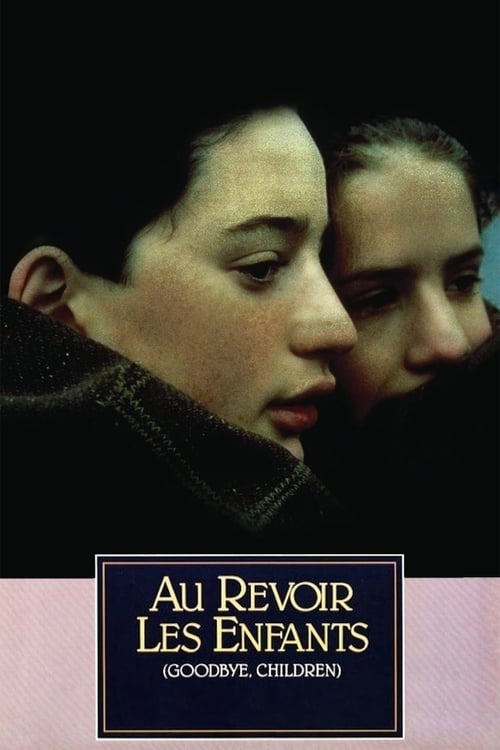
Au revoir les enfants tells a heartbreaking story of friendship and devastating loss concerning two boys living in Nazi-occupied France. At a provincial Catholic boarding school, the precocious youths enjoy true camaraderie—until a secret is revealed. Based on events from writer-director Malle’s own childhood, the film is a subtle, precisely observed tale of courage, cowardice, and tragic awakening.
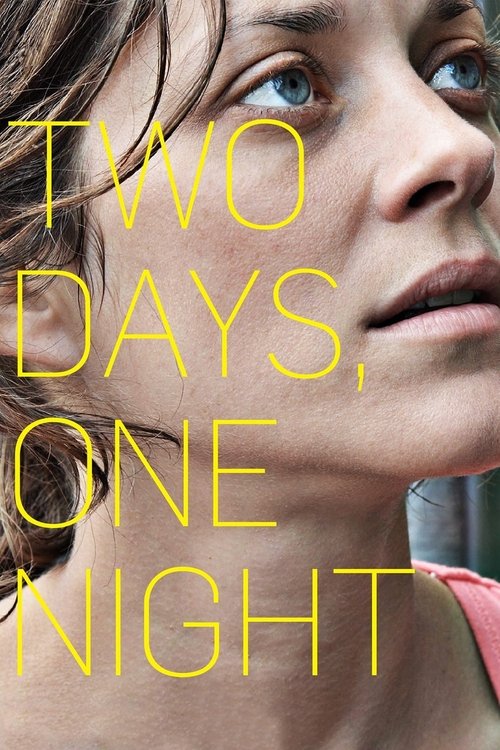
Sandra is a young woman who has only one weekend to convince her colleagues they must give up their bonuses in order for her to keep her job — not an easy task in this economy.
The dawn of the 20th century: L’Apollonide, a luxurious and traditional brothel in Paris, is living its last days. In this closed world, where some men fall in love and others become viciously harmful, the women share their secrets, their fears, their joys and their pains.
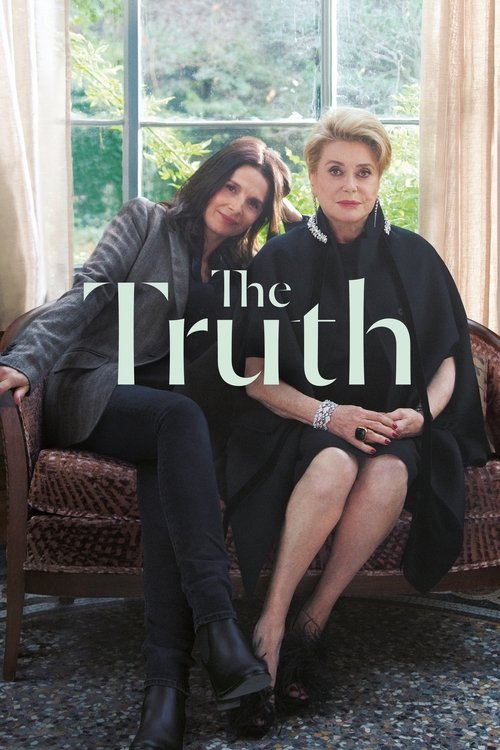
Fabienne is a star; a star of French cinema. She reigns amongst men who love and admire her. When she publishes her memoirs, her daughter Lumir returns from New York to Paris with her husband and young child. The reunion between mother and daughter will quickly turn to confrontation: truths will be told, accounts settled, loves and resentments confessed.
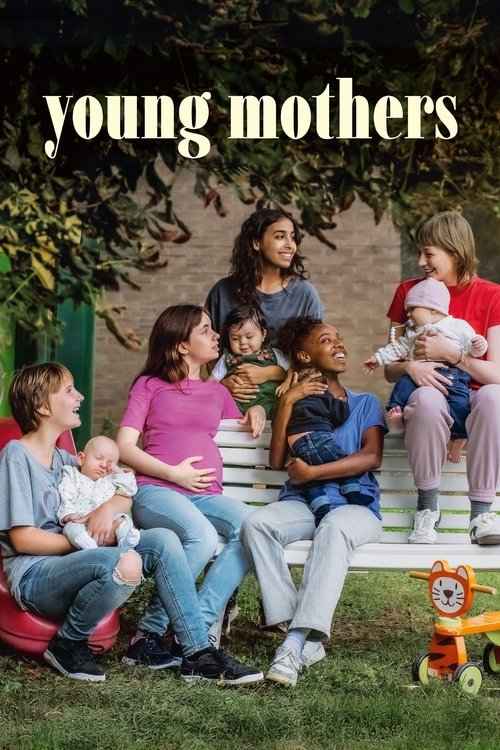
Housed in a shelter for young mothers, Jessica, Perla, Julia, Ariane, and Naïma, all of whom have grown up in difficult circumstances, struggle to obtain a better life for themselves and their children.
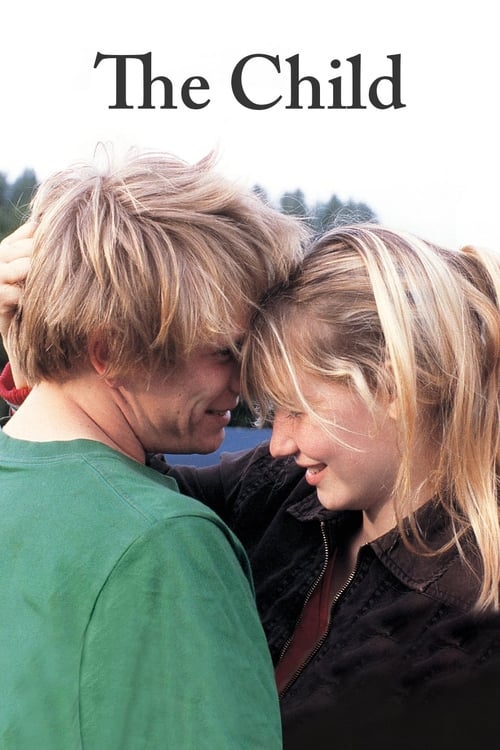
A poor young Belgian mother wants her petty thief of a boyfriend to be gainfully employed to raise their newborn child, but he has other ideas.
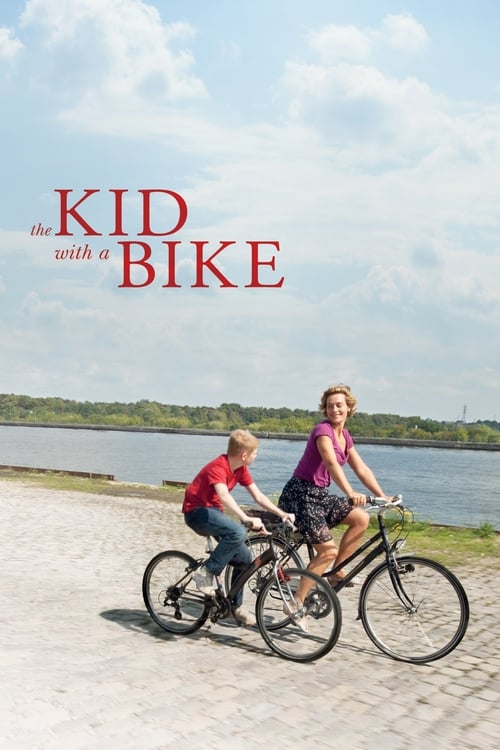
Abandoned by his father, a young boy is left in the hands of an unqualified childcare provider.
French-American artist Niki de Saint-Phalle, from the age of 23, is a model and an aspiring actor who is married and has a two year old daughter. Together, they flee the U.S. during the oppressive McCarthy era and come to France, where they experience a short-lived euphoria. Soon, distant and frightening memories begin to emerge in Niki’s mind. Her vocation as an artist will be her salvation.
Marianne Winckler relocates to the port city of Caen in order to pass herself off as a member of a large community of itinerant workers desperate to make ends meet. She gains employment as a cleaner on a ferry travelling between Ouistreham and Portsmouth, recording the drudgery of the work she and her colleagues are required to do.
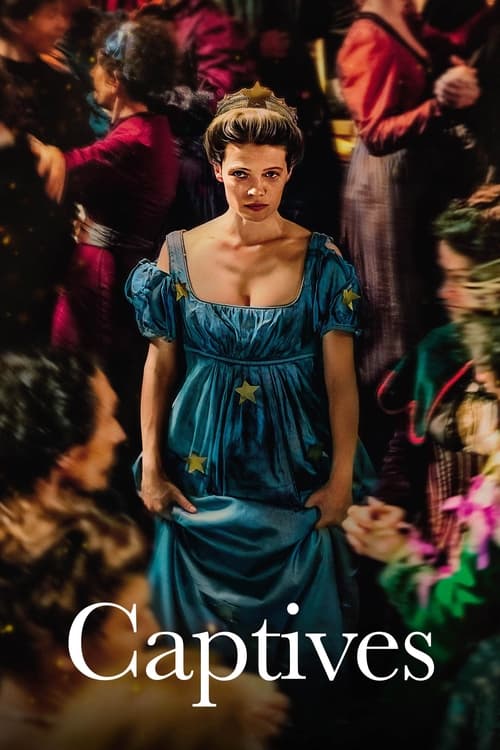
Paris, 1894. Who is Fanni, who claims to be voluntarily locked up in a women-only mental institution? Searching for her mother among the multitude of so-called 'madwomen', Fanni discovers a community of modern heroines who defy her expectations, along with the unexpected friendship of fellow patients. The sumptuous and renowned 'Party of Fools' of the asylum is in preparation. Politicians, artists, and socialites will flock to it. It’s her last hope of escaping the closing trap.
Three months after surviving a terrorist attack in a bistro, Mia is still traumatized and unable to recall the events of that night. In an effort to move forward, she investigates her memories and retraces her steps.
As young French couple Gilles and Marion officially separate, we see, in reverse order, the milestone moments in their relationship: Gilles revealing his unfaithfulness at a tense dinner party; Marion giving birth to their premature son while Gilles is elsewhere; Gilles and Marion's joyous wedding; and, finally, the fateful moment when they meet as acquaintances at an Italian beach resort, and their love affair begins.
A group of men and women have been brought together after World War II, when Italy regained its national and territorial unity. They make up a primitive community which seeks to erase not only the distress created by the war but also the hardships of life, and look to protect themselves from violence, misery and fear. Amid the ruins of this post-war period, these men and women build a new rapport between themselves, between sexes, between generations, between social and geographical origins, between political camps.
With his beloved chocolate business turning sour, socially awkward boss Jean-René decides to enlist an extra pair of hands. Enter Angélique, a chronically shy young woman who shares Jean- René's passion for all things sugar and sweet. She is the answer to his prayers, in ways he didn t realise. Because while he is looking for a sales rep to keep his sinking ship afloat, she is in fact a gifted, albeit covert, chocolatière extraordinaire whose treats are legendary around town. As the pair become more and more acquainted it is not long before chocolate is not the only sensual element in the air.
Today, countless French people of all ages find it hard making ends meet. We know virtually nothing about these lives, their innermost thoughts, their daily routine and their struggle to survive. Stigmatized by misleading and unfair descriptions, they are the dark and silent face of our society that we are gradually coming to accept. However, within them, they carry the desire for rebellion, their dreams, the lust for life and the words to express all that. Alone at their side, volunteers from charity organizations, a genuine shadow army, work selflessly for an idea of justice and the common good. Their united energies fuel the desire to go on living together and mark out a pathway of hope for all. Cinema's fragile gift is to place us at the heart of these fragments of existence, both offered to our gaze and yet so modest.
Talia runs away from home taking her beloved dog with her. When her dog is stolen Talia enlists the help of a gang of boys to help her find her pet.
Jenny, a young doctor who feels guilty after a young woman she refused to see winds up dead a few days later, decides to find out who the girl was, after the police can't identify the young woman.
In 1982, André Bamberski learns about the death of his 14 year-old daughter, Kalinka, while she was on vacation with her mother and stepfather in Germany. Convinced that Kalinka’s death was not an accident, Bamberski begins to investigate. A botched autopsy report raises his suspicions and leads him to accuse Kalinka’s stepfather, Dr Dieter Krombach, as the murderer. Unable to indict Krombach in Germany, Bamberski attempts to take the trial to France, where he will dedicate his life to Kalinka’s justice and the imprisonment of Krombach.
A mother of two gathers her loved ones to celebrate her birthday in her big house near the Loire Valley. The festivities are disrupted by the arrival of her daughter, who is known for her unpredictable outbursts.
Excerpts from the novel Donna di Messina (1949 and 1964, 1967) by Elio Vittorini (1908-1966).