Directing
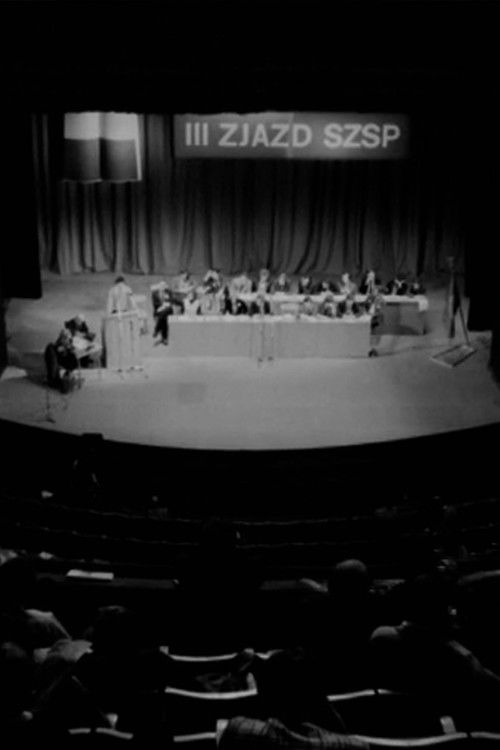
"The biography of an adult man is like a multi-storey magazine - hundreds of facts, large and small events, painful places, motives extinguishing," says Kazimierz Karabasz in the film. Andrzej Sapija decided to show the life of his "teacher and guide". The documentary, which shows the method of working with the protagonist and the master's many years of film experience, is at the same time the story of Polish documentaries told by the master.
No description available.
To say of Kantor that he is among Poland's most outstanding artists of the second half of the twentieth century is to say very little. Kantor is to Polish art what Joseph Beuys was to German art, what Andy Warhol was to American art. He created a unique strain of theatre, was an active participant in the revolutions of the neo-avant-garde, a highly original theoretician, an innovator strongly grounded in tradition, an anti-painterly painter, a happener-heretic, and an ironic conceptualist. These are only a few of his many incarnations. Apart from that, Kantor was an untiring animator of artistic life in post-war Poland, one could even say, one of its chief motivating forces. His greatness derives not so much from his oeuvre, as from Kantor himself in his entirety, as a kind of Gesamtkunstwerk that consists of his art, his theory, and his life.
Tadeusz Kantor’s “Theatre of Death” is based on a singular reversal of traditional values: in this work, which indirectly relates to the world of puppetry, death is seen as a positive counter to the values of a consumer society. Thus, in accordance with this perspective, the actor was to appear to the viewer with the same strangeness and the same distance as though surrounding a corpse.
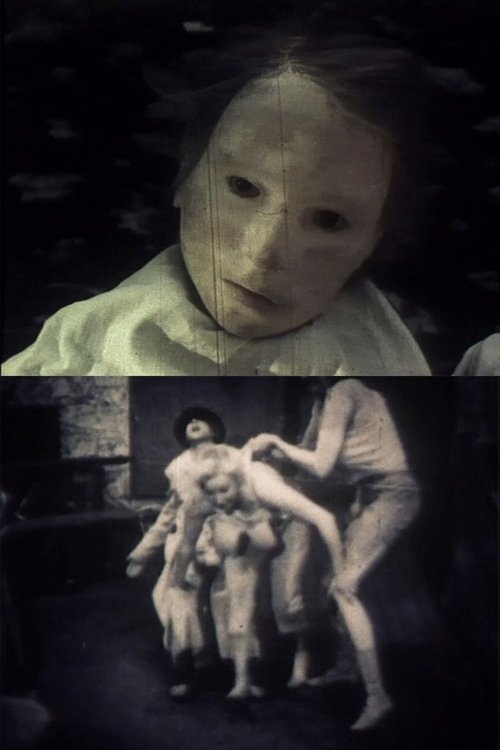
The film was created from almost 50 hours of long video footage of rehearsals for Tadeusz Kantor and Cricot 2 Theater’s spectacle "Dzis sa moje urodziny" (Today is my birthday). The rehearsals were recorded between October 13, 1989, and December 7, 1990.
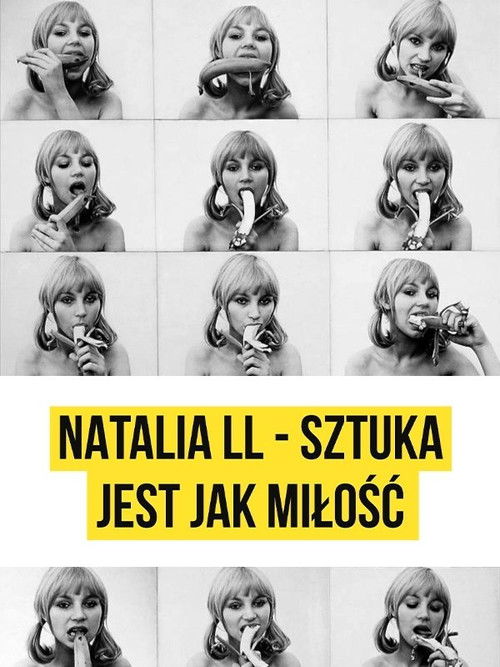
In 2019 she became famous again when the decision to censor her works taken by the Director of the National Museum spurred a wave of protests. But the art of Natalia LL was controversial as early as in the 1960s. In collaboration with her husband, an artist himself, she created art that was shocking at the time.
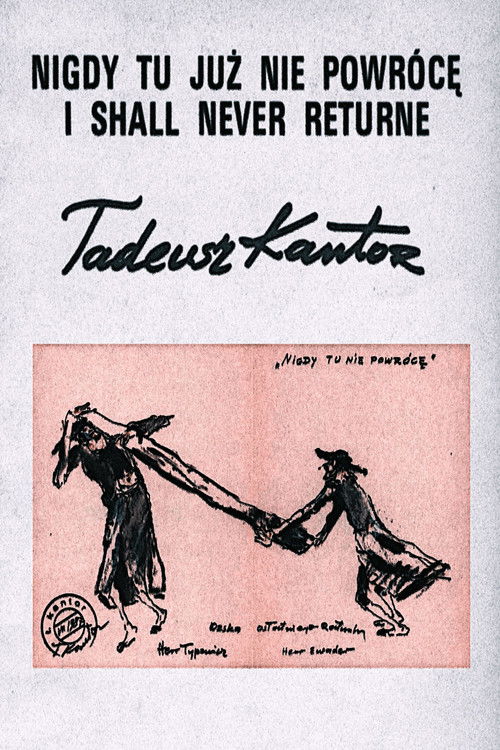
The story of Kantor’s life, including artist’s drawings and fragments from his private diary.
An analysis of the space of the Stadium of the Decade. Formerly the site of the most important sporting events and state celebrations, since 1989 it has become one of the largest markets. The director, presenting one day in the life of the Fair Europe, shows his multi-level construction and the hierarchy of sellers, often coinciding with the topographic layout of the stadium and national affiliation - mainly Polish or Vietnamese, though there are also other visitors from outside the eastern border. The film creates a mosaic of stories told by traffickers, policemen and local criminals. Their accounts show the realities of stadium life - the day of work begins at night, and besides trade, it is filled with numerous thefts, frauds and ethnic tensions. The film also uses archival material from the Documentary and Feature Film Studios, showing the life of the stadium in PRL.