Mirosław Chojecki
Production
Known For

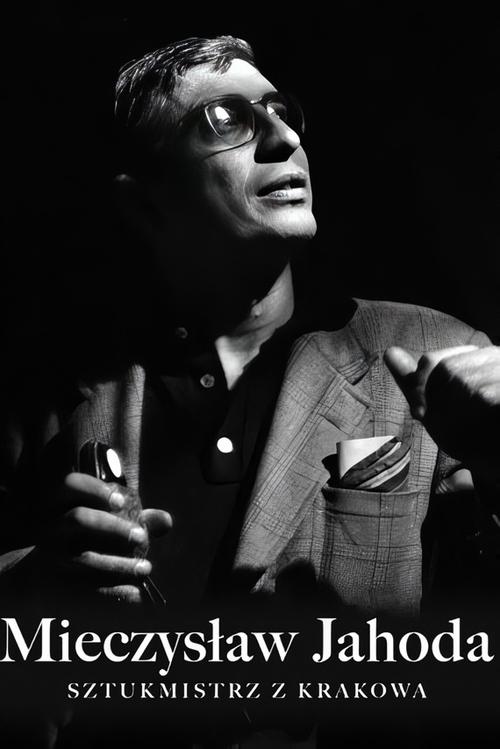
Mieczysław Jahoda, a cameraman and pioneer of photographic techniques, was a champion of mood creation. The film is a reminiscence about the author of such Polish classics as "Knights of the Teutonic Order", "The Manuscript Found in Saragossa" or "How Far, How Near".
Mieczysław Jahoda. Wizard from Krakow
December 13th, 1981 – General Jaruzelski declared martial law in Poland to put an end to the revolt by “Solidarnosc” (Solidarity), the first and only free union in the Eastern Block. It was a genuine people’s movement that counted more than 10 million members in Poland, and that met their aspirations of freedom, social justice, and democracy. The coup d’état was supported by Moscow and created a veritable diplomatic uproar, mobilizing public opinion around the world to come to the aid of Poland.
Martial Law – They Weren’t Left Alone
Witold Kaczanowski is one of Poland’s best-known artists, much more famous abroad than in his country of origin. He was born in Poland and spent his childhood under German occupation. Since 1980 he has lived and worked in the USA, where his art attracted numerous admirers and collectors.
On the Edge - Witold K.
How well, if at all, did we know Jacek Kaczmarski, an outstanding Polish poet and singer? The documentary makes an attempt to draw a complex, multi-dimensional portrait of a singer-songwriter which reveals a tragic figure torn between the passion of creation, perfectionism and his own weaknesses. It also tries to confront the myth of the bard of the Solidarity movement, the moniker that tired the charismatic author of ‘Walls’, a protest song, and became a reason for later alienation.
Bard
"If God had had more experience with man, he would have created him in Jack's likeness." These words of Lechoslaw Gozdzik, the legendary leader of the Żerań workers in October 1956, may seem blasphemous to many.