Directing
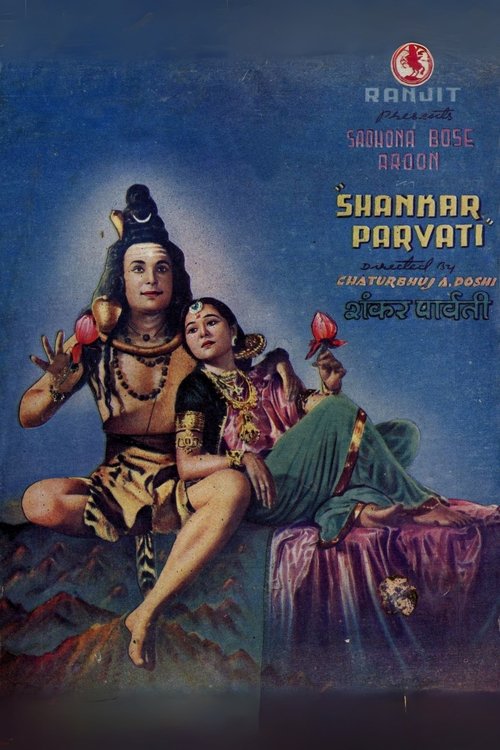
A dance-based mythological featuring Shankar (Arun), the triad in the Hindu pantheon (sometimes equated with Dionysus), who dances the Tandava, the dance of destruction, when his wife Sati kills herself after she is humiliated by her father. He then retires into meditation from which he has to be awoken to rid the world of the demon Tarakasura. The seductive powers of Sati, reborn as Parvati (Bose), liven up Shankar but she has to pay for this by doing extensive penance, after which she can be accepted again by her husband as a real wife, partly through the divine intervention of Vishnu.
This mythological film is based on the Mahabharata. It depicts the tale of how Savitri (Gohar) saves her husband Satyavan (Bhagwandas) from the clutches of Yama, the god of death.
A sculptor falls for an amnesiac woman found after a bombing, whose strange behavior hides a past that threatens their unconventional romance and a brewing love triangle.
1938 Hindi language film
An earthquake separates wealthy siblings Premnath and Mala, leaving Premnath with amnesia and in love with beggar girl Mira. As Mala seeks to reunite with her brother, the film questions whether true love can bridge societal divides.
The tyrannical Jabbar attacks a village and kidnaps the son of the devout Sayyed, named Iqbal. Raised by his captor, Iqbal becomes a tyrannical commander in Jabbar's army, forcing people to accept Jabbar as their god. During a campaign, he meets a group of "true" religious believers led by Sadiq, his daughter Sadika, and Princess Hamida. Hamida falls in love with Iqbal, much to the dismay of her suitor, Shaddad. As the plot unfolds, Iqbal learns of his true ancestry and is faced with a profound choice.
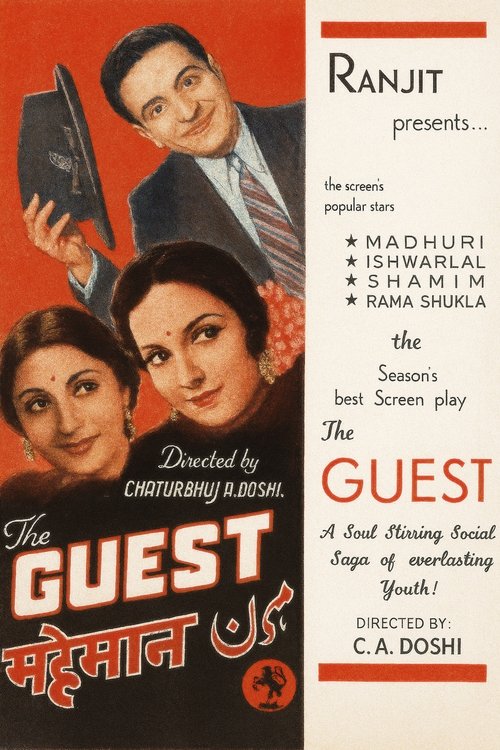
An early Indian social drama revolving around a visitor or unexpected arrival whose presence impacts the lives of others, likely leading to drama, complications, or revelations within the household.
A spoiled heiress scorns all suitors until a welfare officer's blunt honesty forces her to confront her arrogance. A misunderstanding nearly derails their engagement, sending her on a journey of regret and redemption to reunite with the man who changed her.
A prince, fresh from his foreign education, returns to find his kingdom plagued by intrigues and rigid traditions. Disillusioned, he decides to venture among the poor in search of genuine love and freedom. During his adventures, he meets a simple village maiden, and they fall in love, leading to a series of thrilling and comedic encounters. The film blends this underlying serious theme with a light-hearted, slapstick comedic approach.
Dhiraj (1942) was a Hindi social film directed by Chaturbhuj Doshi and produced by Ranjit Movietone. It featured actors like Sitara Devi and Ishwarlal. Dhiraj was banned by the British government due to alleged inclusion of "symbols like pictures of national leaders," suggesting a plot with nationalist themes.
Surdas, a blind poet, embarks on a spiritual journey. He transforms into a revered saint, dedicating his life to crafting devotional poetry for Lord Krishna.
No description available.
The first Gujarati feature film is a saint film about the life of Narasinh Mehta (1408-75), played by Master Manhar. Mehta is known for his evocative Prabhatiyan (morning hymns) and especially for his composition Vaishnava jana to ('The Vaishnav is he who knows the pain of others') made popular by Gandhi, who also adapted the poet's term Harijan (children of god) for the nation's Untouchables. The film adheres to the Gandhian interpretation of Narasinh Mehta's work, avoiding e.g. miracle scenes.
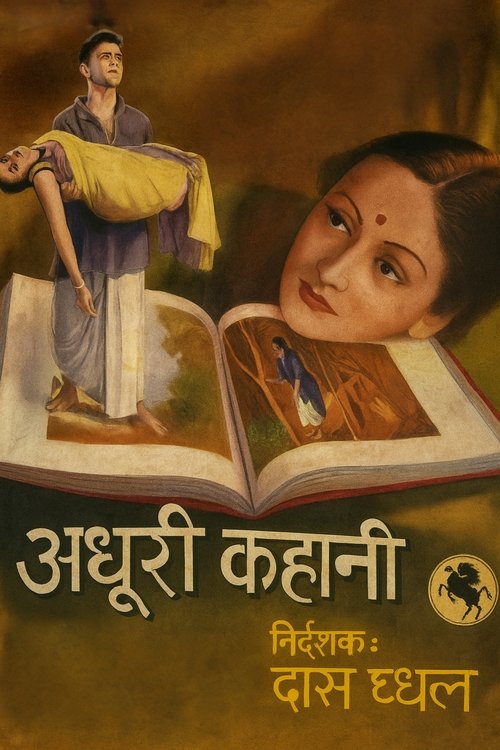
The educated Harbala battles the oppressive traditionalism of her husband, Seth Gopaldas. Desperate for her children, Somnath and Neelam, to live freely, her frustration leads to a tragic act. Haunted by guilt, her children ultimately follow. The film, aptly titled "The Unfinished Tale," suggests hope for a more liberated future.
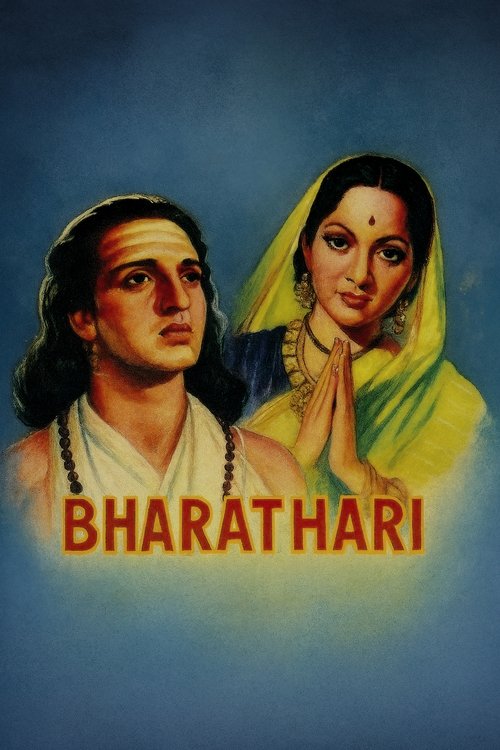
A mythological and devotional drama based on the life of Bhartrhari, a legendary king who renounced his throne and worldly life to become an ascetic and poet, known for his philosophical and moral verses. The film explored themes of renunciation, spiritual enlightenment, and the transient nature of worldly pleasures.
In the wake of an alcoholic rage that drove away his beautiful wife and children, Anil is sent to prison, where he has plenty of time to reflect on his actions. Vowing to start anew, he moves to the city of Kolkata, where his wife and children just so happen to be living. But can he really regain their trust?
An heiress, played by Madhuri, who falls in love with her father's secretary played by Trilok Kapoor