Acting
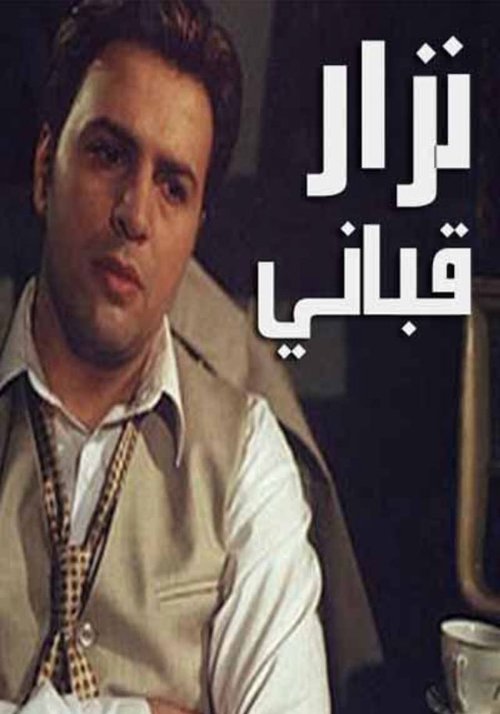
The series revolves around the biography of the late poet Nizar Qabbani, and the series tells the story of the life of this poet, including that he was born in Syria and married twice and worked in the diplomatic corps.
No description available.
During the period of the French occupation of Syria, the events of the series revolve around As'ad AlWarraq, an orphan, illiterate, poor young man who is pushed by circumstances between various paradoxes, between false accusations and the injustice of his neighborhood people towards him.
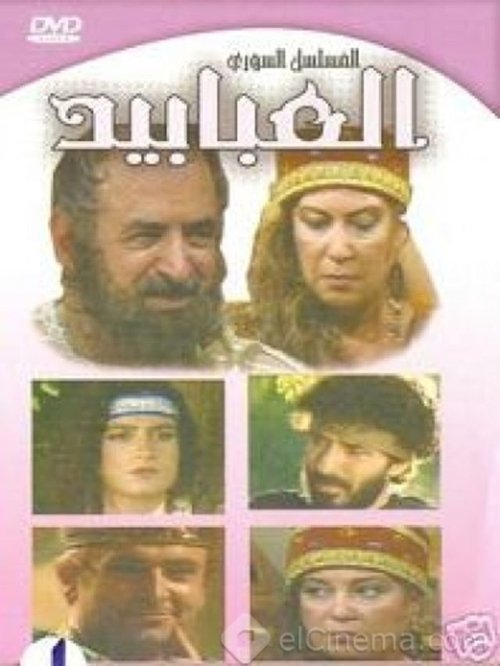
This tragic series explores numerous themes set against the backdrop of the reign of Zenobia, the “Queen of Queens,” and highlights the wealth and grandeur of the Kingdom of Palmyra, its trade, and the kingdom’s significance during Zenobia’s reign. It also explores social classes—including the nobility, the Ashraf, the priests, and the laborers—and highlights some of the customs that prevailed regarding women from the Ashraf family, as well as the traditions, norms, and marriage practices of that era.
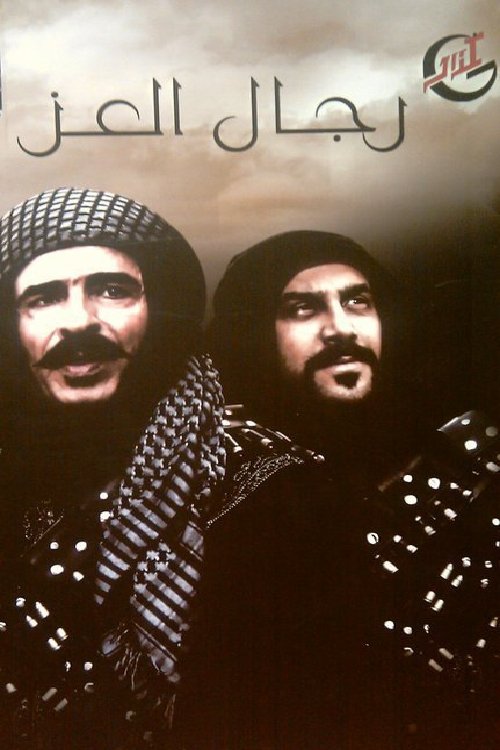
Rijal Al-Izz — Men of Honor — is a 2011 Syrian Damascene period drama set in the Saroujeh neighborhood of Damascus during the French occupation of the 1930s. The series follows Abd Al-Rahman Al-Shami, a wrongfully accused man who escapes a death sentence and transforms into a resistance fighter, striking fear into the French occupiers while navigating betrayal and injustice within his own community. Starring Rashid Assaf and Qusai Khouli.
Set in the town of Al-Rukniya in the early 1930s, the work explores the conflict between Bedouin and urban communities, the impact of World War II on Syrian politics, the outbreak of the Great Syrian Revolution, and the subsequent withdrawal of the French occupation from the country. The work also highlights the opportunists who continue to spread colonialist ideas, in contrast to the strength and unity of the people as they confront tyranny despite the conspiracies plotted against them.
A historical series that reviews the life of the martyr Izz al -Din al -Qassam, and its transition from Syria to Palestine to escape the death sentence issued by the French, to establish the resistance in Palestine against the British occupation.
The events of the series take place in the period from 1939 to 1945, the period of the Syrian struggle against the French occupation, by reviewing the current events in that period and shedding light on several characters and their social and political relationships.
Syria, 1967, rumors of war. Abu Kamel, a peasant who farms tomatoes near Latakia, bullies his family. One by one, each rebels against him or finds a route to break away.
At the early fifties in Syria, a man meets Salama, Mustafa, Hussein, and Youssef, all of whom oppose the dictatorial authority, when he is thrown into a political prison due to a misunderstanding, after which he finds himself in a place other than what he imagined, living in a difficult intellectual struggle.
Set in Syria in the early 1900s. A peasant has his land taken from him by the authorities. He gets imprisoned and beaten by the gendarme, but manages to escape to the mountains where starts a bloody struggle for revolution.
The series deals with the Al-Midan neighborhood in the year 1930 through a large family living in one house, and many issues arise among its members that appeal to viewers, and the work is not satisfied with that, but goes out to the neighborhood to notice the intertwined relations between its members, especially since Al-Midan neighborhood is one of the oldest neighborhoods of Damascus and was at that time in the heart of City.
Since her childhood, Hassiba has lived in suffering with her father because of the French occupation of Syria, as she moves with him from one place to another in search of security. She continues her struggle journey when she grows up and takes the path of resistance against the occupiers.
A political drama depicting the life of a detainee who spent 10 years in prison. When he is finally released, his joy is incomplete as he observes the struggles and tragedies of his family, willing to try his hardest to fix whatever can be fixed.
The beginning of this part was the return of Ibn Al-Wahhaj to his tribe with his daughter Al-Phoenix and his son Al-Bashiq As for Osama, he died and the punishment remained in the tribe of Al-Sha'ath and did not return with them and so his role ended in this part There was a tribe consisting of a group of thieves called the tribe of Shaqif attacks and kills all tribes They slaughter children before men and women before fighters Shaqif finds a small child with Unaizah and this child is Laith son of Osama Ibn Al-Wahhaj when Ibn Al-Wahhaj felt guilty because he was killed His son Osama decided to search for his grandson Laith to replace his father Shaqif attacked the tribe of Ibn Al-Wahhaj and with him Al-Kasir (formerly Laith)
The series takes place in Ain El Jaouzeh, a village on Lebanon's southern border, between 1920 and 1945 during French colonialism. It follows the struggle between village elders and notables, allied with the occupation, and led by Amin, and the simple farmers who are trying to protect their lands from the brutality of Amin and his allies, as Sheikh Musa supports them to preserve their rights.
A mamluk called Gaber, in order to take advantage of the rift between the Caliph of Baghdad and the prince he works for, volunteers to be a messenger for the prince. He also takes it as a chance to see his beloved Zomorod. Gaber suggests the prince write the message on his bald head, but when his hair grows the message disappears.
A close look at the modern life details of people representing different social strata, from a street vendor to a political intellectual, touching upon the story of two lovers whose life paths have faltered, as well as a crane operator who doesn't want to leave his homeland despite the circumstances.
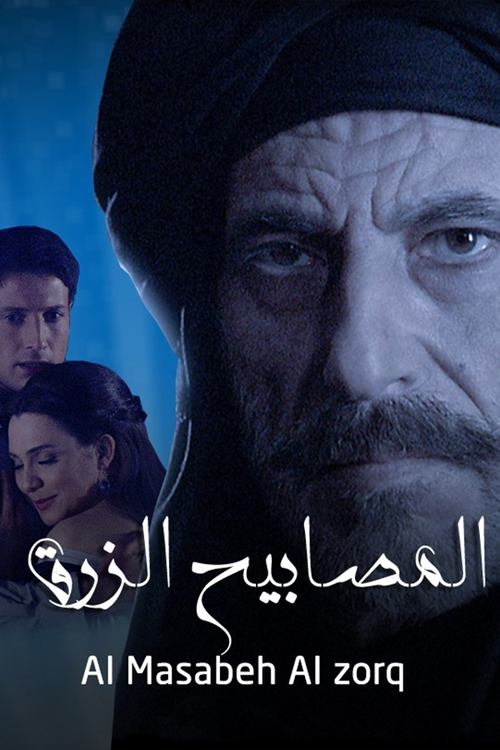
A newly graduated young doctor has hopes of making his way steadily in his country, or of traveling to another country in order to achieve his dreams. In the village, he wakes up from his rosy dream he lived before he traveled to a harsh reality, after he is accused of murder.
This series tells the story of the sheikh of an Arab tribe named Ibn al-Wahaj, who is one of the noblest and most honorable Arabs, and has three sons called al-Bashiq and Osama and the youngest Aqab. There was in the tribe of Ibn al-Wahhaj there is a man who hated him and his sons, so he submitted to the sage of the tribe and the author of the narrations in it (Ibn al-Rumiyya), and he asked him to test the ability of the sons of Ibn al-Wahhaj to live outside their father's tribe, so the idea entered his head and he decided to send his three sons to unknown destinations, and said to them: I want you to be the raptors that live in a land that is not its land. So they set off, and Osama went to the north, Al-Bashiq to the south, and Aqab went to the east