FEEL IT.STREAM
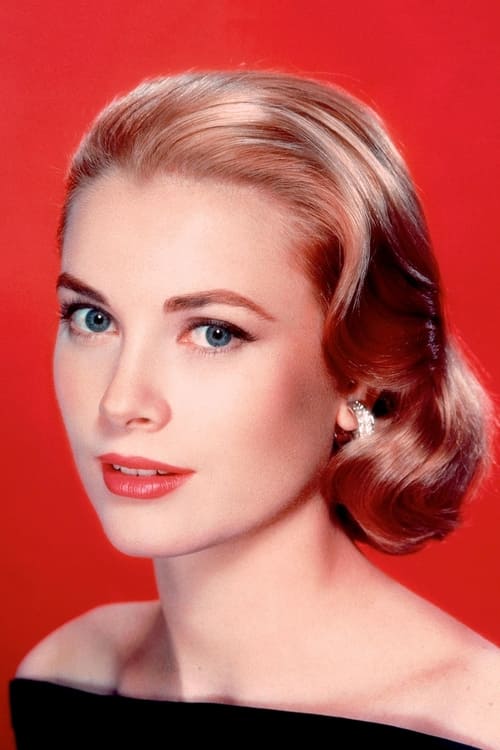
Grace Kelly

Grace Kelly

Acting

Biography

Grace Patricia Kelly (November 12, 1929 – September 14, 1982) was an American actress who, after starring in several significant films in the early to mid-1950s, became Princess of Monaco by marrying Prince Rainier III in April 1956. Kelly was born into a prominent Catholic family in Philadelphia. After graduating from the American Academy of Dramatic Arts in 1949, Kelly began appearing in New York City theatrical productions and television broadcasts. She gained stardom from her performance in John Ford's adventure-romance Mogambo (1953), for which she was nominated for an Academy Award for Best Supporting Actress. She won the Academy Award for Best Actress for her performance in the drama The Country Girl (1954). Other notable works include the western High Noon (1952), the romantic comedy High Society (1956), and three consecutive Alfred Hitchcock suspense thrillers: Dial M for Murder (1954), Rear Window (1954), and To Catch a Thief (1955). Kelly retired from acting at age 26 to marry Rainier and began her duties as Princess of Monaco. The couple had three children: Princess Caroline, Prince Albert, and Princess Stéphanie. Her charity work focused on young children and the arts. In 1964, she established the Princess Grace Foundation to support local artisans. Her organization for children's rights, AMADE Mondiale, gained consultive status within UNICEF and UNESCO. Grace's final film contribution was to the documentary The Children of Theatre Street (1977) directed by Robert Dornhelm, where she served as the narrator. The film was nominated for an Academy Award for Best Documentary Feature. Kelly died at the age of 52 at Monaco Hospital on September 14, 1982, from injuries sustained in a car crash the previous day. She is listed 13th among the American Film Institute's 25 Greatest Female Stars of Classical Hollywood cinema. Her son, Prince Albert, helped establish the Princess Grace Awards in 1984 to recognize emerging performers in film, theatre, and dance.
Known For

The Mike Douglas Show
5.8

The Mike Douglas Show is an American daytime television talk show hosted by Mike Douglas that originally aired only in the Cleveland area during much of its first two years on the air. It then went into syndication in 1963 and remained on television until 1982. It was distributed by Westinghouse Broadcasting and for much of its run, originated from studios of two of the company's TV stations in Cleveland and Philadelphia.

The Mike Douglas Show

1961
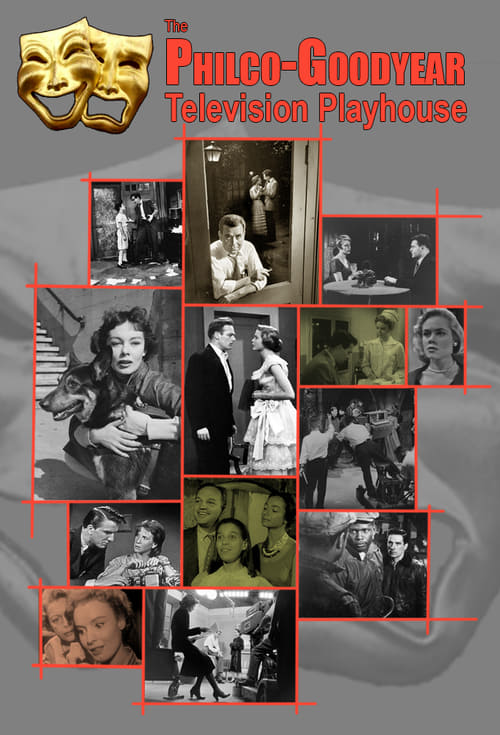
The Philco Television Playhouse
6.6

The Philco Television Playhouse is an American anthology series that was broadcast live on NBC from 1948 to 1955. Produced by Fred Coe, the series was sponsored by Philco. It was one of the most respected dramatic shows of the Golden Age of Television, winning a 1954 Peabody Award and receiving eight Emmy nominations between 1951 and 1956.

The Philco Television Playhouse

1948
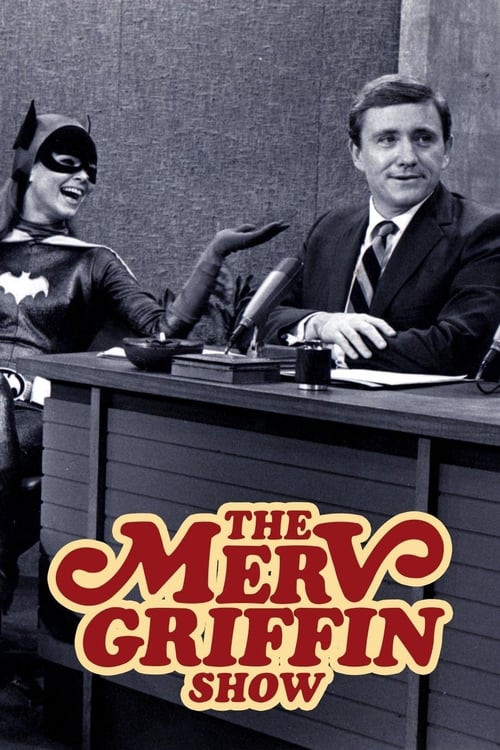
The Merv Griffin Show
6.6

No description available.

The Merv Griffin Show

1962
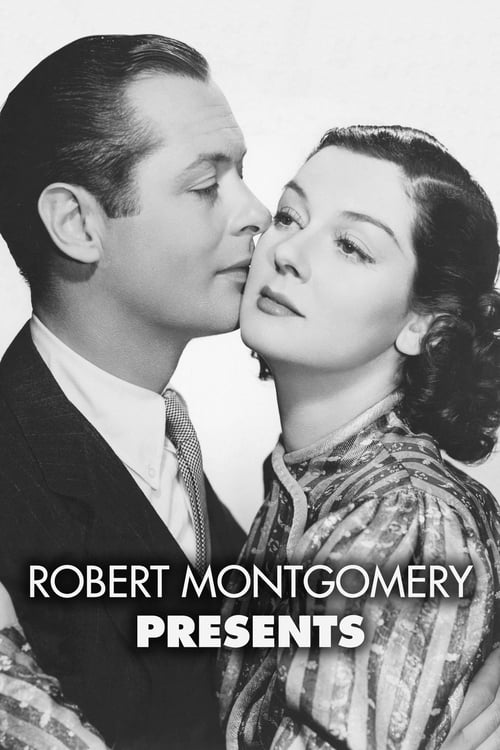
Robert Montgomery Presents
6.0

Robert Montgomery Presents is an American dramatic television series which was produced by NBC from January 30, 1950 until June 24, 1957. The live show had several sponsors during its seven-year run, and the title was altered to feature the sponsor, usually Lucky Strike cigarettes, for example, Robert Montgomery Presents Your Lucky Strike Theater, ....The Johnson's Wax Program, and so on.

Robert Montgomery Presents

1950
Studio One
5.4

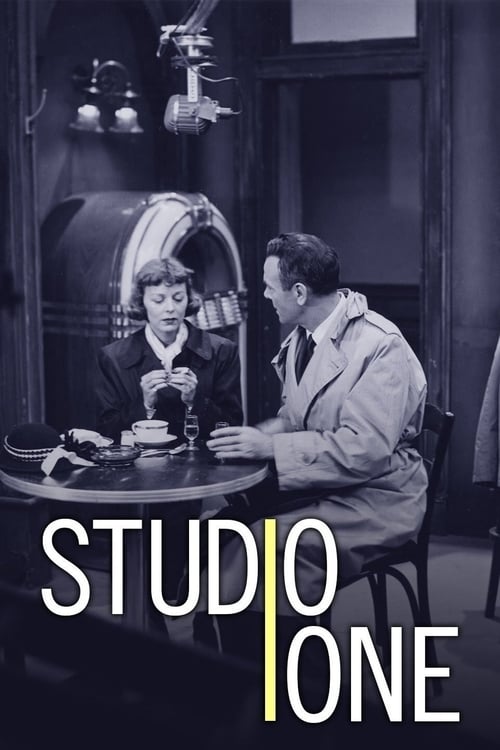
An American radio–television anthology series, created in 1947 by Canadian director Fletcher Markle, who came to CBS from the CBC. Studio One, presented by Westinghouse, was one of the first of the anthology TV programs. The episodes were often abridged remakes of movies from years gone by and many future well-known television and movie actors appeared in the productions.

Studio One

1948
Sacrée soirée
5.7

No description available.

Sacrée soirée

1987
The Ed Sullivan Show
6.8

The Ed Sullivan Show is an American TV variety show that originally ran on CBS from Sunday June 20, 1948 to Sunday June 6, 1971, and was hosted by New York entertainment columnist Ed Sullivan. It was replaced in September 1971 by the CBS Sunday Night Movie, which ran only one season and was eventually replaced by other shows. In 2002, The Ed Sullivan Show was ranked #15 on TV Guide's 50 Greatest TV Shows of All Time.

The Ed Sullivan Show

1948
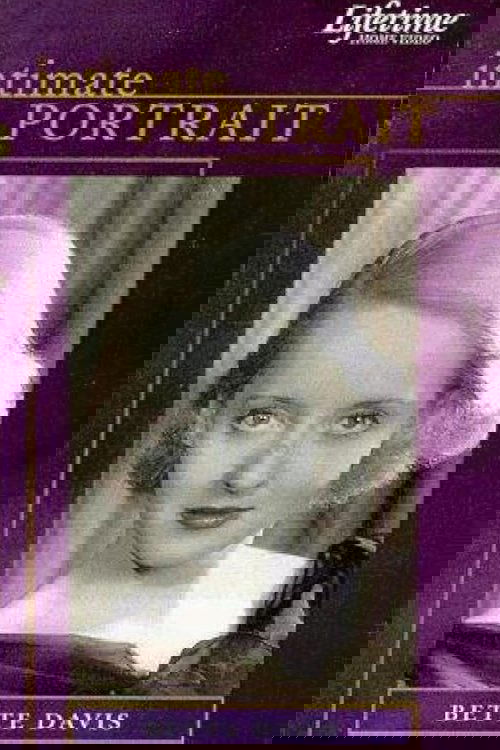
Intimate Portrait
4.5

Intimate Portrait is a biographical television series on the Lifetime Television cable network focusing on different celebrities, which includes interviews with each subject. Among the people profiled were Grace Kelly, Natalie Wood, Carly Simon, Jackie Kennedy, Katharine Hepburn, Carol Burnett, Tanya Tucker, and Marla Maples.

Intimate Portrait

1993
The Oscars
7.0

An annual American awards ceremony honoring cinematic achievements in the film industry. The various category winners are awarded a copy of a statuette, officially the Academy Award of Merit, that is better known by its nickname Oscar.

The Oscars

1953
No image
7.3

No description available.

Die Drehscheibe

1964
Le Grand Échiquier
8.0

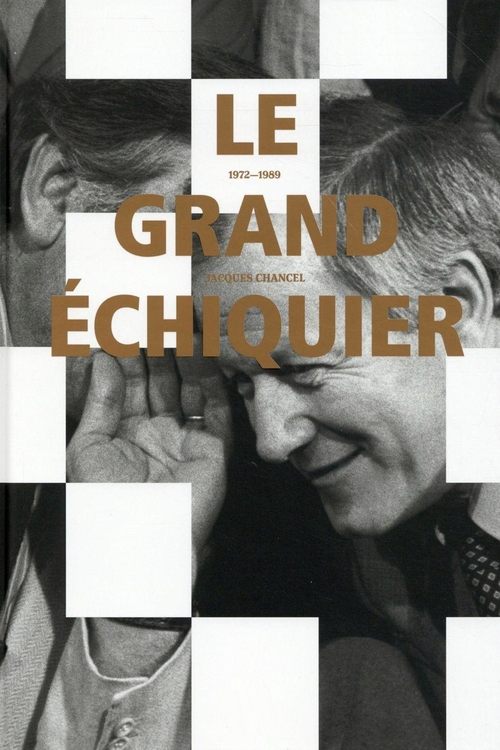
Le Grand Échiquier is a French variety television program created and presented by Jacques Chancel. It aired at 8:30 pm on the first channel of the ORTF from January 12, 1972 to July 12, 1972, then on the second color channel of the ORTF from September 1972 to December 1974, and finally on Antenne 2 from January 1975 to December 21, 1989. The program returned to France 2 on December 20, 2018 and is hosted by Anne-Sophie Lapix.

Le Grand Échiquier

1972
Lights Out
6.0

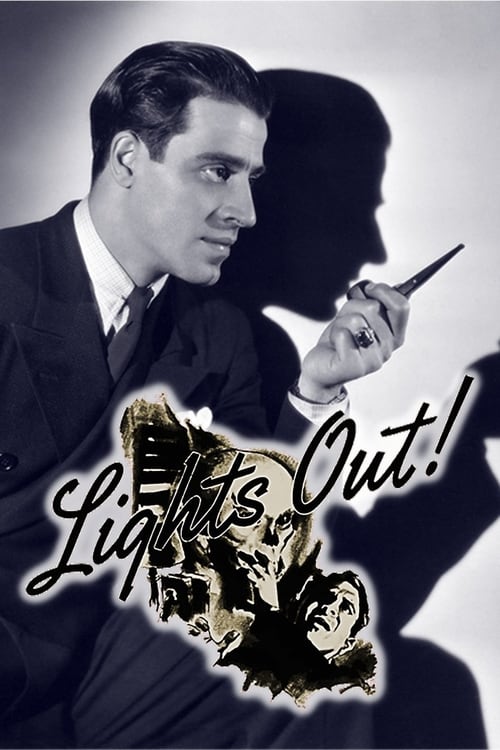
Lights Out was an extremely popular American old-time radio program, an early example of a network series devoted mostly to horror and the supernatural, predating Suspense and Inner Sanctum. Versions of Lights Out aired on different networks, at various times, from January 1934 to the summer of 1947 and the series eventually made the transition to television. In 1946, NBC Television brought Lights Out to TV in a series of four specials, broadcast live and produced by Fred Coe, who also contributed three of the scripts. NBC asked Cooper to write the script for the premiere, "First Person Singular", which is told entirely from the point of view of an unseen murderer who kills his obnoxious wife and winds up being executed. Variety gave this first episode a rave review ("undoubtedly one of the best dramatic shows yet seen on a television screen"), but Lights Out did not become a regular NBC-TV series until 1949.

Lights Out

1949
Suspense
5.1

An anthology series adapted from the radio program of the same name. Like the radio program, many scripts were adaptations of literary classics by well-known authors. Classic authors such as Edgar Allan Poe, Agatha Christie, and Charles Dickens all had stories adapted for the series, while contemporary authors such as Roald Dahl and Gore Vidal also contributed.

Suspense

1949
Rear Window
8.3

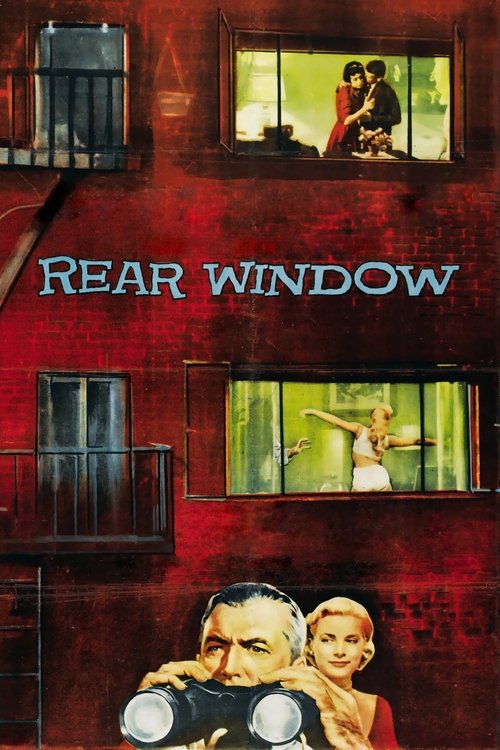
A wheelchair-bound photographer spies on his neighbors from his apartment window and becomes convinced one of them has committed murder.

Rear Window

1954
No image
6.7

Lux Video Theatre is an American anthology series that was produced from 1950 until 1959. The series presented both comedy and drama in original teleplays, as well as abridged adaptations of films and plays.

Lux Video Theatre

1950
MGM Parade
9.0

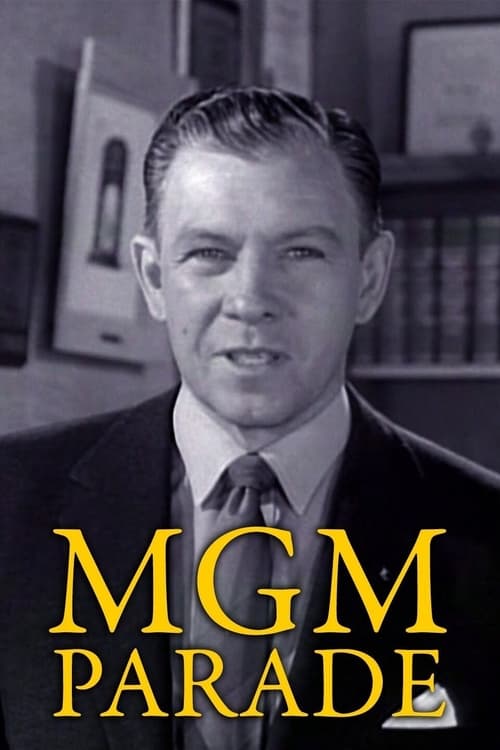
The original concept of the show was to allow the viewer to see the inner workings of a movie studio and featured interviews with MGM stars and explanations of how movies were made. Later, the format changed to show edited versions of MGM films.

MGM Parade

1955
Reflets de Cannes
5.0

No description available.

Reflets de Cannes

1954
High Noon
7.7

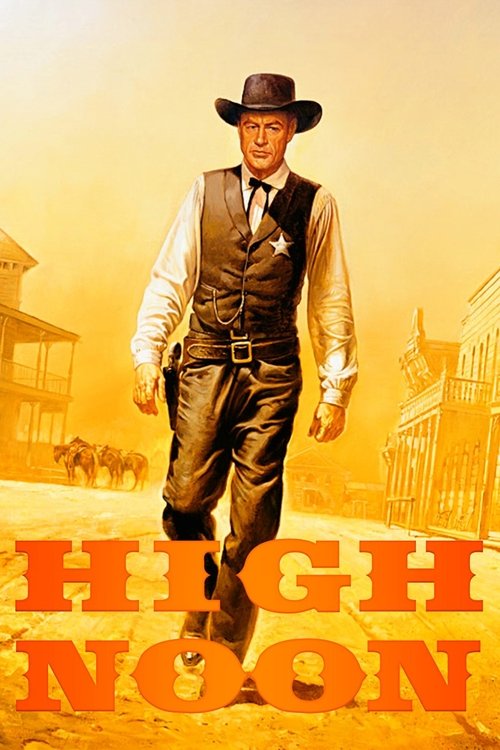
Will Kane, the sheriff of a small town in New Mexico, learns a notorious outlaw he put in jail has been freed, and will be arriving on the noon train. Knowing the outlaw and his gang are coming to kill him, Kane is determined to stand his ground, so he attempts to gather a posse from among the local townspeople.

High Noon

1952
Hallmark Hall of Fame
8.8

Long-running anthology program sponsored by Hallmark Cards. Beginning in 1951 and continuing into 2019, the series received 80 Emmy Awards, 24 Christopher Awards, 11 Peabody Awards, 9 Golden Globes, and 4 Humanitas Prizes. Early seasons were a weekly live drama, eventually transitioning to videotaped and then filmed productions broadcast as occasional specials.

Hallmark Hall of Fame

1951
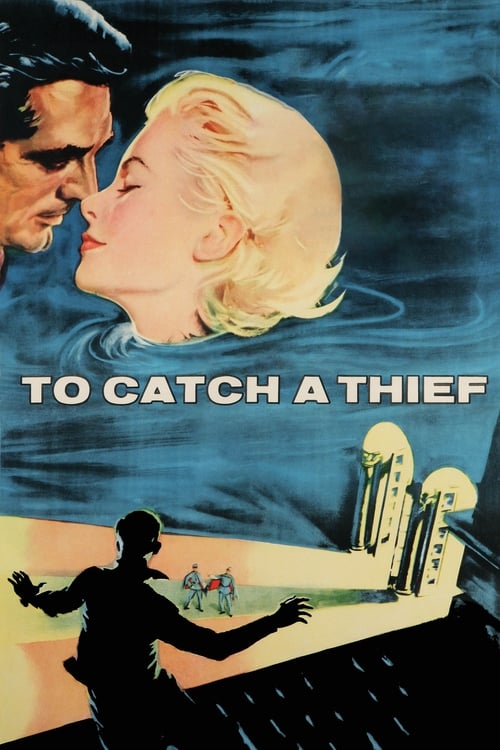
To Catch a Thief
7.3

When a string of jewel robberies hits the French Riviera, suspicion falls on retired thief John “The Cat” Robie. To clear his name, he sets out to trap the copycat himself—entangling a wealthy widow and her beguiling daughter in a seductive game of pursuit, deception, and desire.

To Catch a Thief

1955