FEEL IT.STREAM
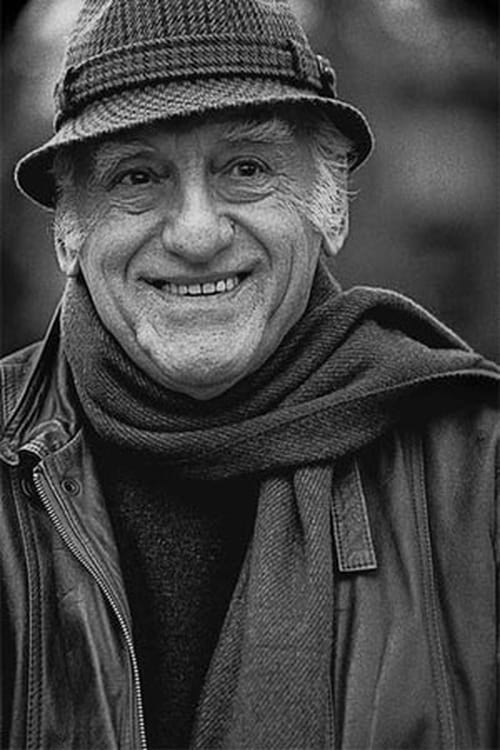
Jerzy Kawalerowicz

Jerzy Kawalerowicz

Directing

Biography

From Wikipedia Jerzy Kawalerowicz (19 January 1922 – 27 December 2007) was a Polish film director and politician, having been a member of Polish United Workers' Party from 1954 until its dissolution in 1990 and a deputy in Polish parliament since 1985 until 1989. Jerzy Kawalerowicz was noted for his powerful, detail-oriented imagery and the depth of ideas in his films. After working as an assistant director, he made his directorial debut with the 1951 film The Village Mill (Gromada). He was a leading figure in the Polish Film School, and his films Shadow (Cień, 1956) and Night Train (Pociąg, 1959) constitute some of that movement's best work. Other noted works by Kawalerowicz include Mother Joan of the Angels (Matka Joanna od Aniołów, 1961) and a 1966 adaptation of Bolesław Prus' historical novel, Pharaoh (Faraon), which was nominated for the Academy Award for Best Foreign Language Film He died on 27 December 2007 in Warsaw, Poland. He was 85.
Known For

Maddalena
5.4

The love story between a free-spirited girl and a priest.

Maddalena

1971
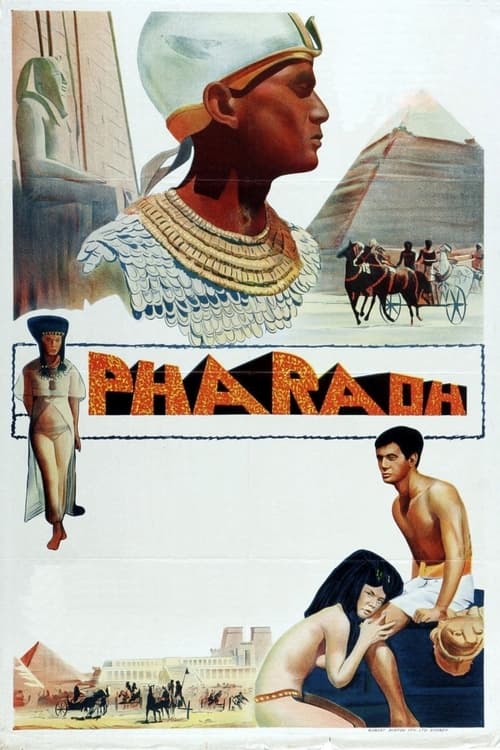
Pharaoh
6.8

Young Pharaoh Ramses XIII clashes with Egypt's clergy over influence on the affairs of the state and its coffers. inexperienced, but quite ambitious pharaoh is putting up a fight against a powerful clan of priests usurping rule over the country.

Pharaoh

1966
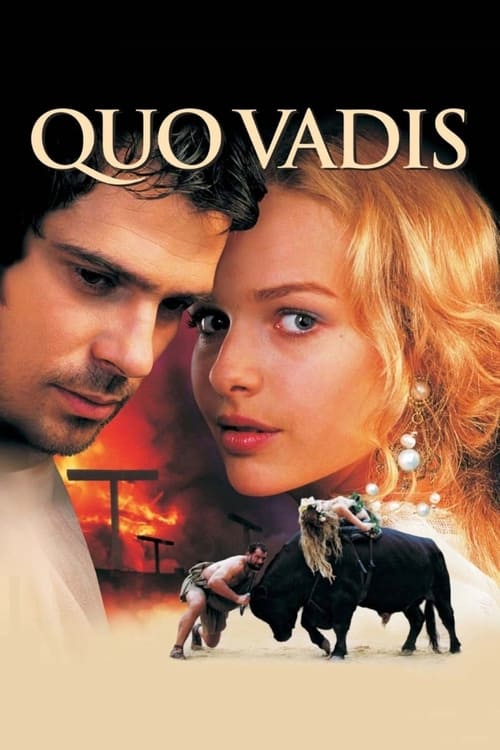
Quo Vadis
5.6

Ancient Rome, during the time of Emperor Nero. Vinicius, a young patrician, falls in love with the beautiful Lygia, the daughter of a Barbarian commander who was killed in battle, and wants her for his concubine. For Lygia, a Christian, being a pagan's concubine is a severe sin and disgrace. However, when Vinicius is wounded, Lygia cares for him, and starts to reciprocate his feelings. Vinicius, in return, becomes interested in Christian learning and asks Apostle Peter to teach him. In the meantime, Emperor Nero accuses Christians of having started a great fire in Rome. He encourages the imprisonment, torture and murder of his Christian subjects.

Quo Vadis

2001
Austeria
6.6

During a pogrom in Poland on the eve of World War I, a group of Jews seek refuge from the Cossacks. The fugitives hide out in a rural inn, terrified that they may be given away at any moment.

Austeria

1983
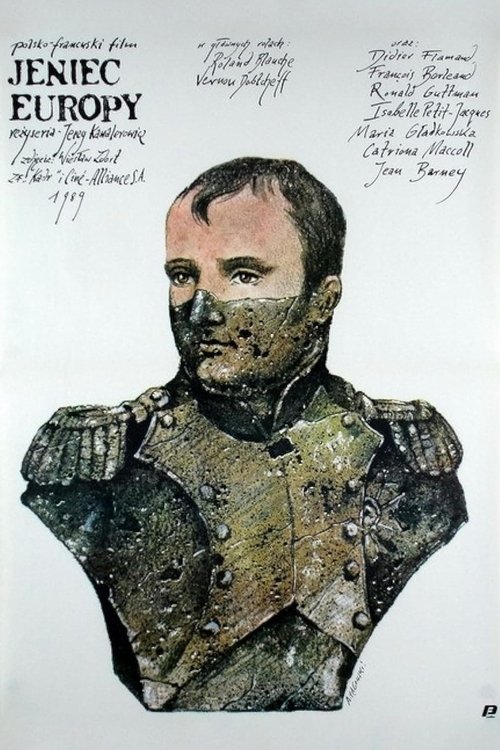
The Hostage of Europe
7.5

On the island of Saint Helena, a prisoner Napoleon resisted allies who, through the voice of the English governor, Hudson Lowe, tried to humiliate him, break him, poison him in the figurative sense of the word, and perhaps literally.

The Hostage of Europe

1989
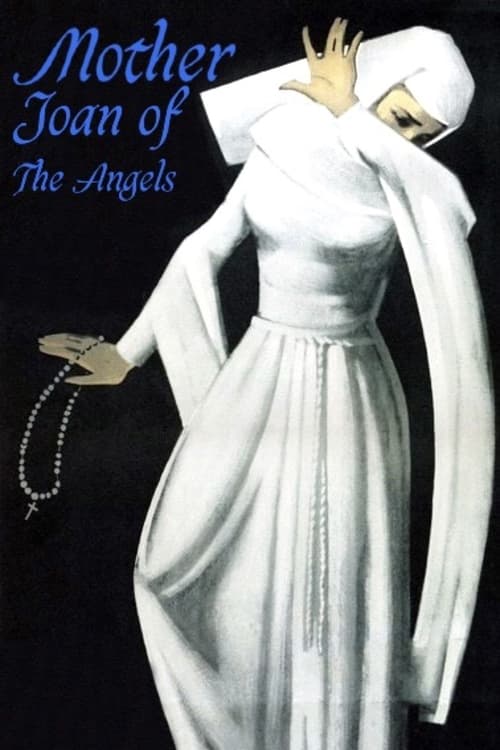
Mother Joan of the Angels
7.6

A Polish priest arrives at a convent hoping to save the Mother Superior who is supposedly possessed by eight demons.

Mother Joan of the Angels

1961
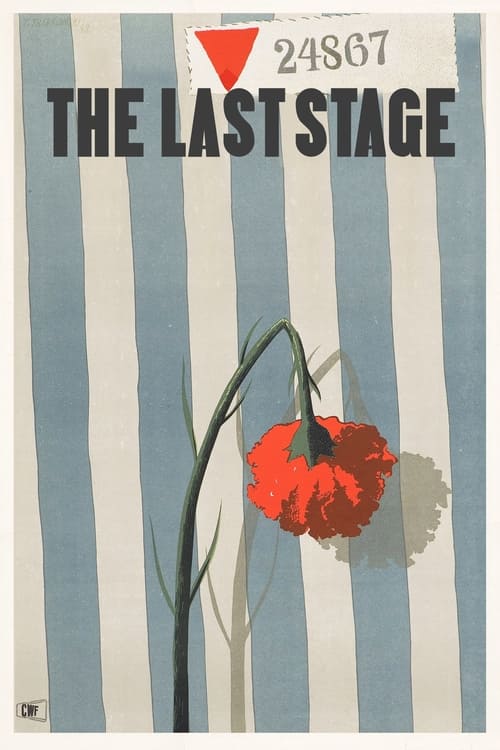
The Last Stage
7.2

Poland, during World War II. Martha Weiss, a Jewish woman, arrives at the Auschwitz extermination camp with her family. She is assigned the role of interpreter, but her loved ones are much less fortunate.

The Last Stage

1948
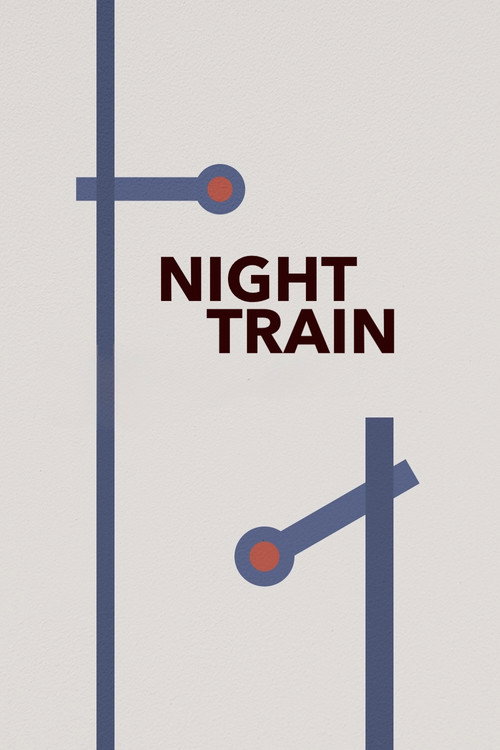
Night Train
7.6

Two strangers, Jerzy and Marta, accidentally end up holding tickets for the same sleeping chamber on an overnight train to the Baltic Sea coast. Also on board is Marta's spurned lover, who will not leave her alone. When the police enter the train in search of a murderer on the lam, rumors fly and everything seems to point toward one of the main characters as the culprit.

Night Train

1959
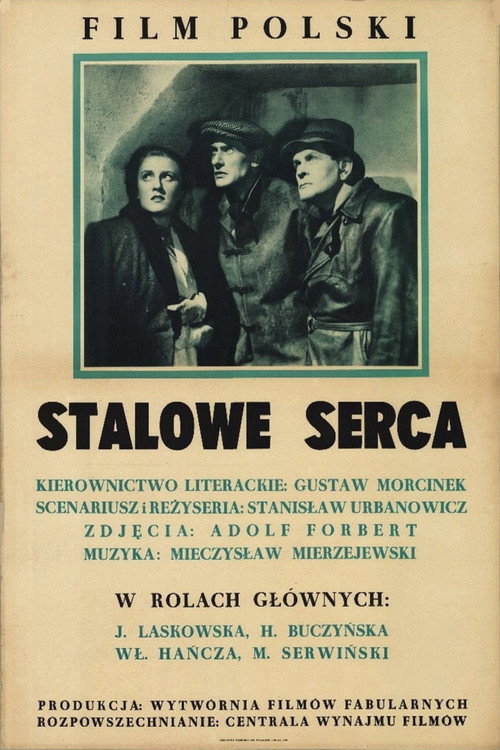
The Steel Hearts
8.0

In occupied Silesia, resistance is organizing. In close contact with the miners and led by an engineer, a group of partisans prepare the sabotage of the steel combine. The going will be tough as the place is closely guarded by the Nazis. But despite a denunciation from a traitor and several violent deaths, they get going and the operation is a success. But the Red Army is approaching and now the coal production must not be sabotaged anymore. On the contrary, the partisans must prevent the Germans from destroying the steel mill and the coal mine...

The Steel Hearts

1948
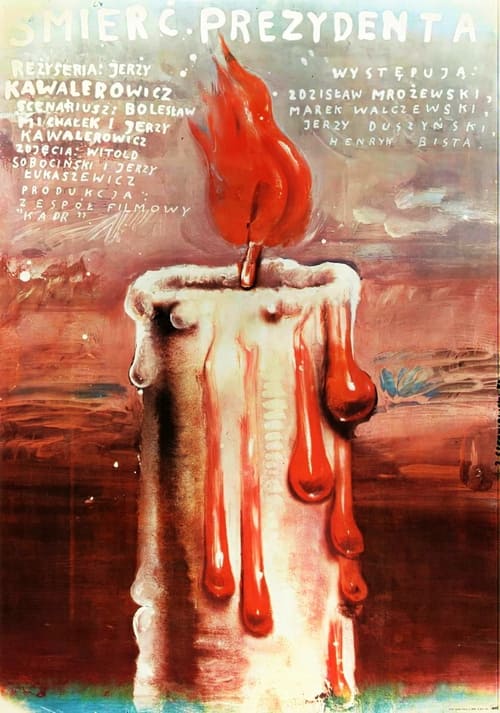
Death of a President
6.3

After Poland won freedom from of its long overlordship by Russia and the Austro-Hungarian Empire in 1918, it took a further four years for its National Assembly to elect Gabriel Narutowicz as its first president. Narutowicz was a professor who until his election had been living in Switzerland. Those were chaotic times, and shortly after his election, he was assassinated by right-wing fanatics. This epic Polish film chronicles the circumstances of Narutowicz's election and assassination.

Death of a President

1977
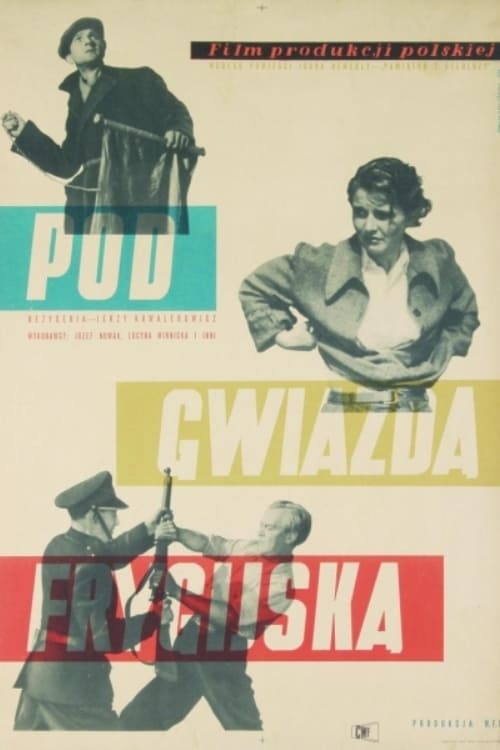
Under the Phrygian Star
6.4

Communist Szczęsny juggles between his revolutionary activities and love to a fellow party member Madzia in this sequel to "Cellulose".

Under the Phrygian Star

1954
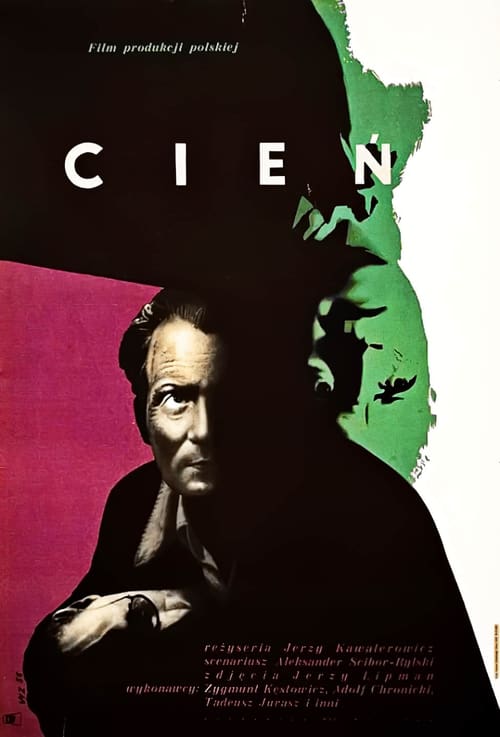
Shadow
6.4

A man has been found dead after having been hurled from a train. As security agents, police and a medical examiner piece together his identity, three accounts emerge: one set during World War II, one in the immediate aftermath of the war, and one in contemporary Poland.

Shadow

1956
Cellulose
6.5

Through the fate of the boy - whose hunger drives from his home village , and who receives a severe school of life , going through different social environments in order to become conscious , revolutionary activist - creators show a realistic panorama of conflicts in pre-WWII Poland.

Cellulose

1954
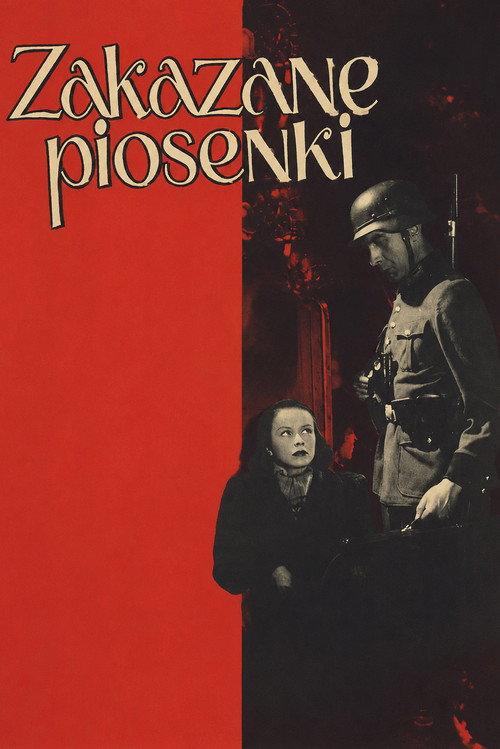
Forbidden Songs
7.4

Set during the German occupation of Warsaw during WWII, this musical tells the story of several inhabitants of the same tenement house.

Forbidden Songs

1947
No image
N/A

A mother is looking for her missing child, with whom she lost contact while in a concentration camp. The film was completed in 1948, but it was banned from distribution by the government, until finally releasing in 1991.

Powrót

1991
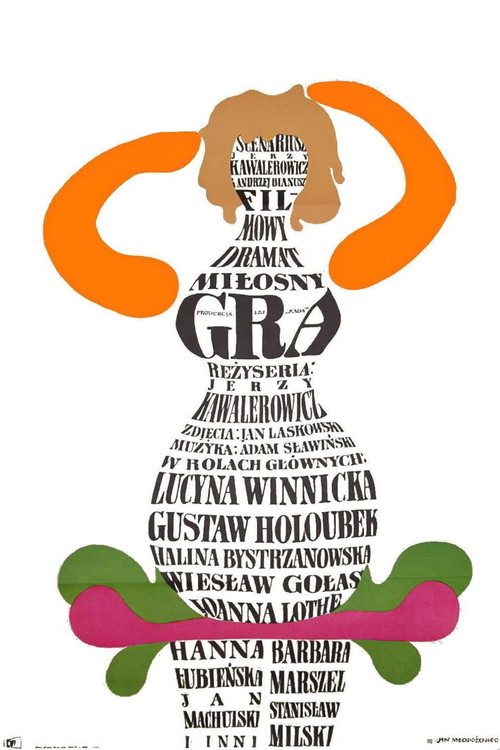
The Game
5.4

Professionally active, childless, married woman loses her father during a business trip. With an overwhelming sense of transience and the fear of death, she doubts her attachment to her husband. It turns out that in marriage, too, he only plays his part, with greater or lesser conviction.

The Game

1969
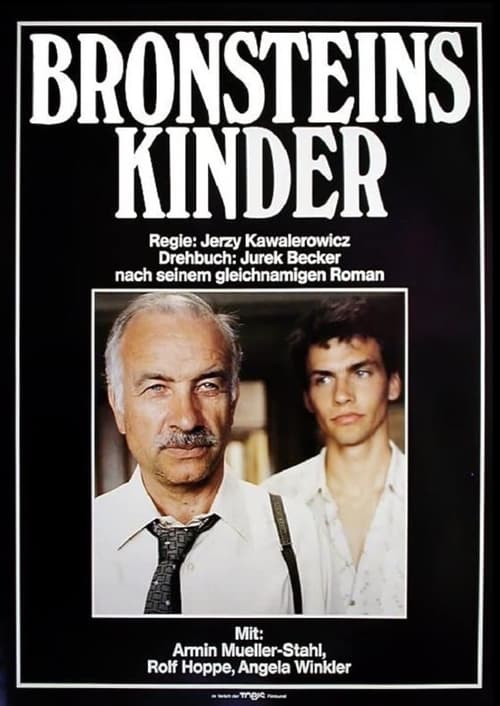
Bronstein's Children
8.0

East Berlin, 1973. Eighteen-year-old Hans Bronstein and his girlfriend arrive at his parents’ summer house to find a former Nazi camp Kapo chained there—employed when Hans’s father Arno and his friends were prisoners. Hans demands legal justice; Arno insists on his own retribution. Sister Elle, traumatized into institutionalization, cannot mediate. When Arno forces a confession, Hans frees the prisoner, confronting their irreconcilable pasts.

Bronstein's Children

1991
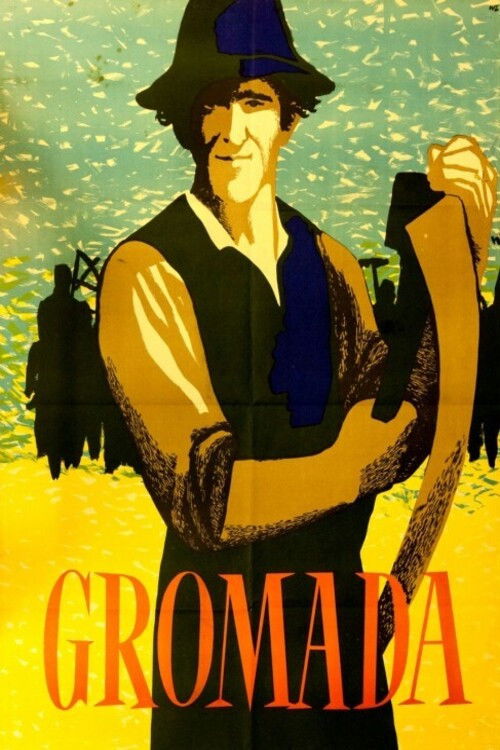
Gromada
5.5

The struggle between poor villagers, who are eager to build a co-operative mill and a cultural centre, and the village wealthy men - the miller and the kulaks - who are desperate to stop the farmers.

Gromada

1952
Chance Meeting on the Atlantic
4.3

Takes place on an ocean liner from Canada to Poland. It is a story of several people with pasts and problems stemming from uncomfortable confrontations. The main confrontation is between a Polish doctor with a heart condition meeting a man he knew before. Neither of them was willing to admit their differences from the college days. The meeting torments the doctor enough to start him drinking and dying of a heart attack.

Chance Meeting on the Atlantic

1980
Devil's Ravine
7.5

Shot in the beautiful scenery of the Tatra Mountains, this sensational drama revolves around a thwarted smuggling of art pieces across the Polish-Czechoslovak border to the West. Highlander Jasiek used to be a smuggler, now he is a soldier of the Border Protection Forces, serving in his homeland, in the Tatra Mountains. Under the influence of the educational work of his superiors, as well as his love for Halka, he becomes a righteous citizen. He contributes to preventing the smuggling of valuable works of art abroad organized by a Polish aristocrat and carried out by a gang.

Devil's Ravine

1950