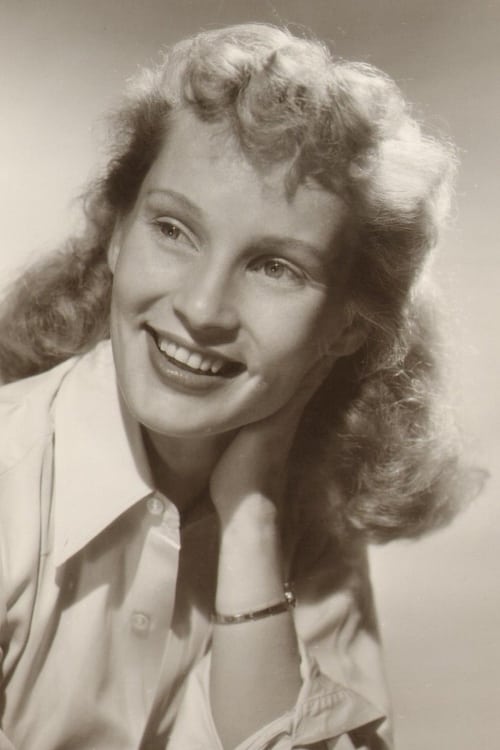
Lenka Peterson
Acting
Known For
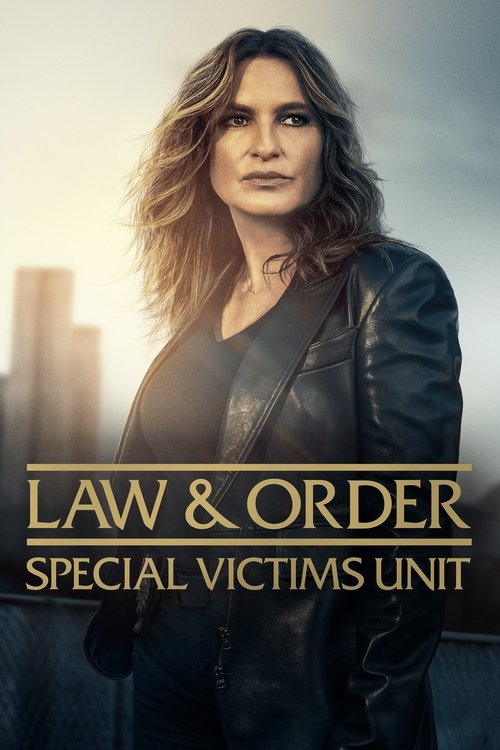
In the criminal justice system, sexually-based offenses are considered especially heinous. In New York City, the dedicated detectives who investigate these vicious felonies are members of an elite squad known as the Special Victims Unit. These are their stories.
Law & Order: Special Victims Unit
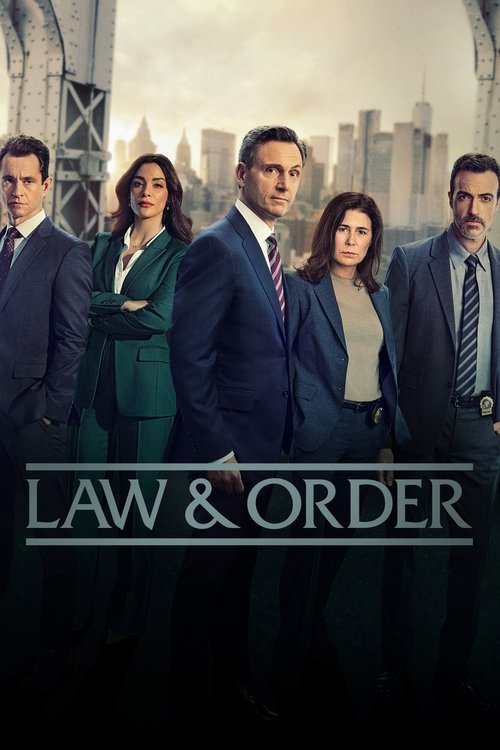
In cases ripped from the headlines, police investigate serious and often deadly crimes, weighing the evidence and questioning the suspects until someone is taken into custody. The district attorney's office then builds a case to convict the perpetrator by proving the person guilty beyond a reasonable doubt. Working together, these expert teams navigate all sides of the complex criminal justice system to make New York a safer place.
Law & Order
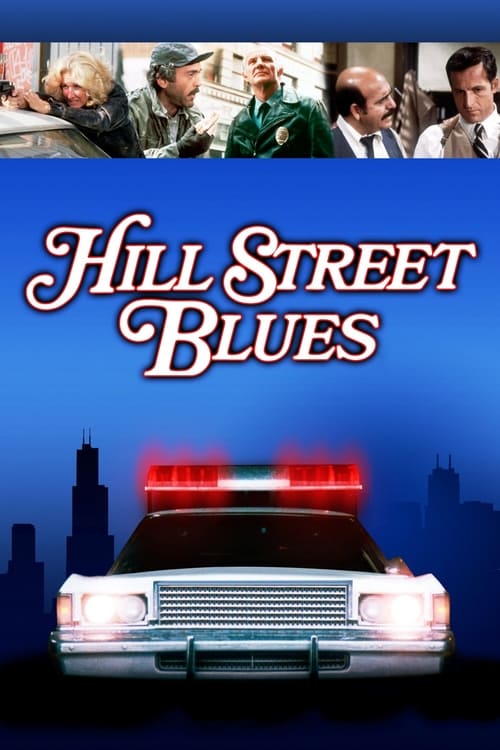
A realistic glimpse into the daily lives of the officers and detectives at an urban police station.
Hill Street Blues

L.A. Law is an American television legal drama series that ran for eight seasons on NBC from September 15, 1986, to May 19, 1994. Created by Steven Bochco and Terry Louise Fisher, it contained many of Bochco's trademark features including a large number of parallel storylines, social drama and off-the-wall humor. It reflected the social and cultural ideologies of the 1980s and early 1990s, and many of the cases featured on the show dealt with hot-topic issues such as abortion, racism, gay rights, homophobia, sexual harassment, AIDS, and domestic violence. The series often also reflected social tensions between the wealthy senior lawyer protagonists and their less well-paid junior staff. The show was popular with audiences and critics, and won 15 Emmy Awards throughout its run, four of which were for Outstanding Drama Series.
L.A. Law
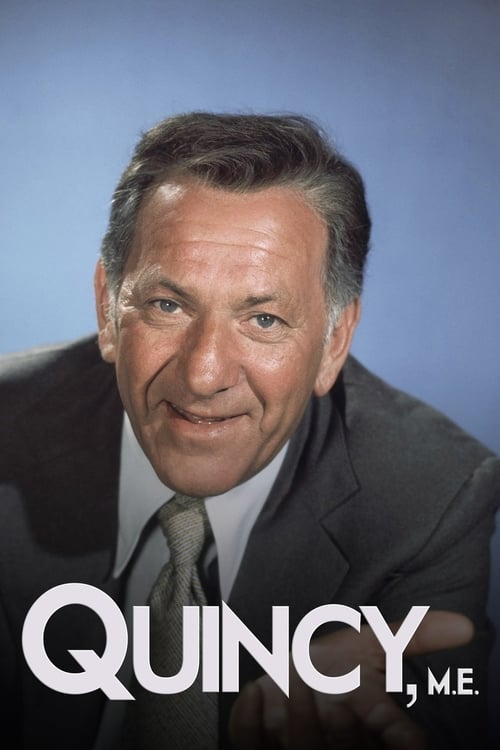
Los Angeles County medical examiner Quincy routinely engages in police investigations.
Quincy, M.E.
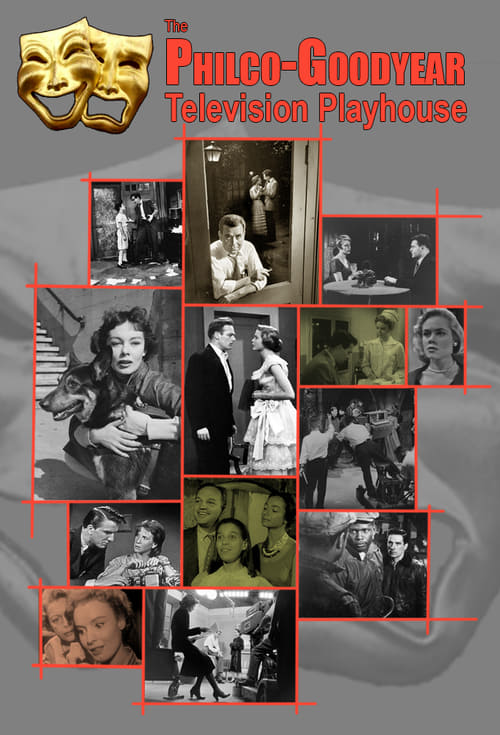
The Philco Television Playhouse is an American anthology series that was broadcast live on NBC from 1948 to 1955. Produced by Fred Coe, the series was sponsored by Philco. It was one of the most respected dramatic shows of the Golden Age of Television, winning a 1954 Peabody Award and receiving eight Emmy nominations between 1951 and 1956.
The Philco Television Playhouse
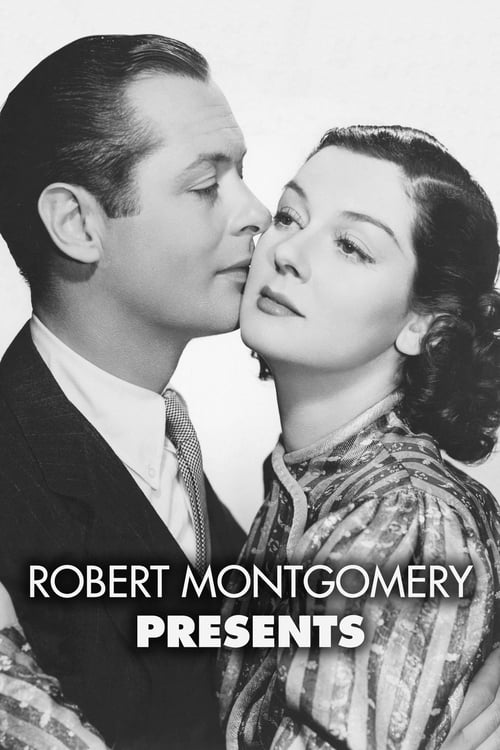
Robert Montgomery Presents is an American dramatic television series which was produced by NBC from January 30, 1950 until June 24, 1957. The live show had several sponsors during its seven-year run, and the title was altered to feature the sponsor, usually Lucky Strike cigarettes, for example, Robert Montgomery Presents Your Lucky Strike Theater, ....The Johnson's Wax Program, and so on.
Robert Montgomery Presents
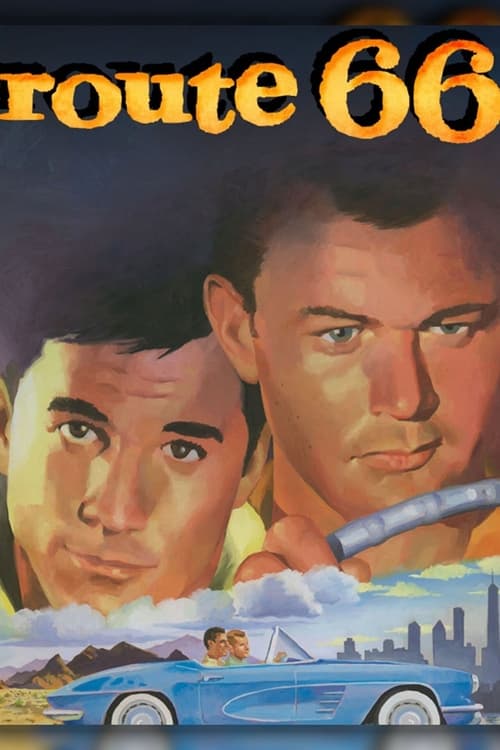
After discovering that his late father has gone through most of the family fortune, Tod Stiles hits the title trans-America highway in his Corvette in search of adventure with friend Buz Murdock, a survivor of New York's mean streets. The two work odd jobs as they meet and interact with colorful characters and find themselves plunged into one situation after another, some of them romantic, some of them very dangerous. Later, Linc Case, a Vietnam war hero trying to find himself, takes over as Tod's travel companion.
Route 66
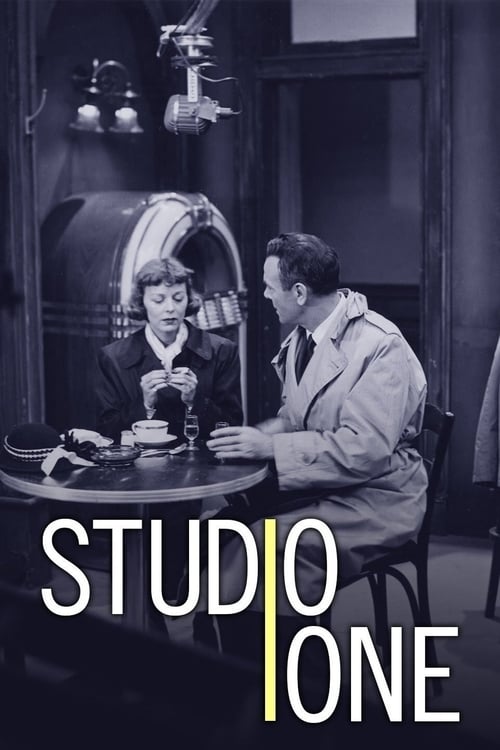
An American radio–television anthology series, created in 1947 by Canadian director Fletcher Markle, who came to CBS from the CBC. Studio One, presented by Westinghouse, was one of the first of the anthology TV programs. The episodes were often abridged remakes of movies from years gone by and many future well-known television and movie actors appeared in the productions.
Studio One
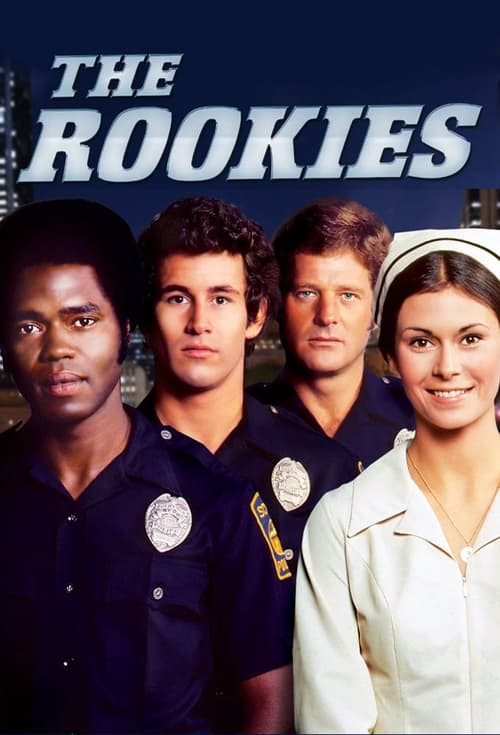
The Rookies is an American crime drama series that aired on ABC from 1972 until 1976. It follows the exploits of three rookie police officers working in an unidentified city for the fictitious Southern California Police Department.
The Rookies
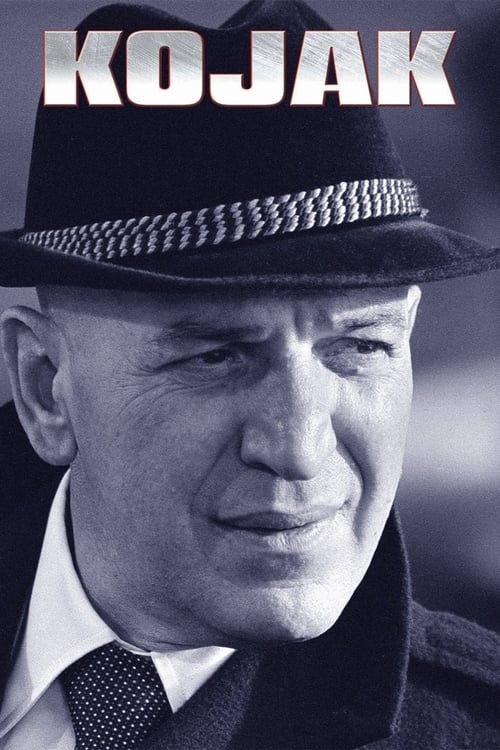
A bald, lollipop sucking police detective with a fiery righteous attitude battles crime in New York City.
Kojak
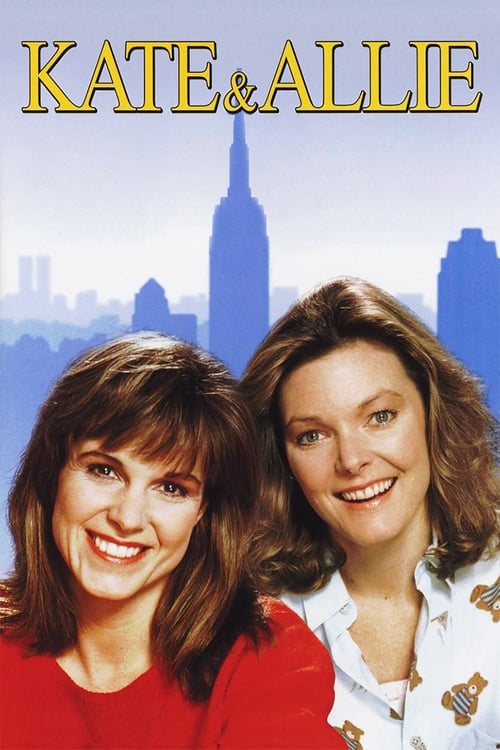
Kate & Allie is an American television situation comedy which ran from March 19, 1984, to May 22, 1989. Kate & Allie first aired on CBS as a midseason replacement series and only six episodes were initially commissioned, but the favorable response from critics and viewers alike easily convinced CBS to commit to a full season in the fall of 1984. The series was created by Sherry Coben.
Kate & Allie
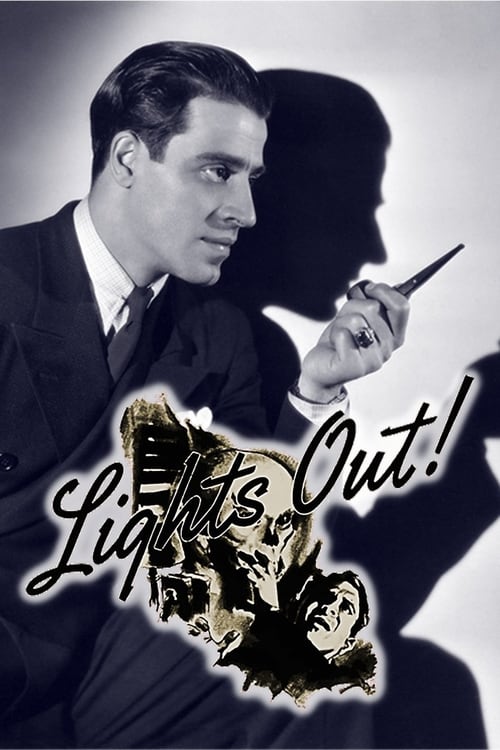
Lights Out was an extremely popular American old-time radio program, an early example of a network series devoted mostly to horror and the supernatural, predating Suspense and Inner Sanctum. Versions of Lights Out aired on different networks, at various times, from January 1934 to the summer of 1947 and the series eventually made the transition to television. In 1946, NBC Television brought Lights Out to TV in a series of four specials, broadcast live and produced by Fred Coe, who also contributed three of the scripts. NBC asked Cooper to write the script for the premiere, "First Person Singular", which is told entirely from the point of view of an unseen murderer who kills his obnoxious wife and winds up being executed. Variety gave this first episode a rave review ("undoubtedly one of the best dramatic shows yet seen on a television screen"), but Lights Out did not become a regular NBC-TV series until 1949.
Lights Out

An anthology series adapted from the radio program of the same name. Like the radio program, many scripts were adaptations of literary classics by well-known authors. Classic authors such as Edgar Allan Poe, Agatha Christie, and Charles Dickens all had stories adapted for the series, while contemporary authors such as Roald Dahl and Gore Vidal also contributed.
Suspense
Young Doctor Malone is an American soap opera, created by Irna Phillips, which had a long run on radio and television from 1939 to 1963. The producer was Betty Corday, who also produced Pepper Young's Family and later was a co-creator with husband Ted Corday of NBC Daytime's Days of our Lives. Sponsored by General Foods and Post Cereals, the radio serial began on the Blue Network on November 20, 1939. The 15-minute program aired daily at 11:15am, continuing until April 26, 1940. Without a break, it moved to CBS on April 29, 1940, where it was heard for two decades, first airing at 2:00pm weekdays and then 1:30pm. In 1945, Procter & Gamble assumed sponsorship of the program.
Young Doctor Malone
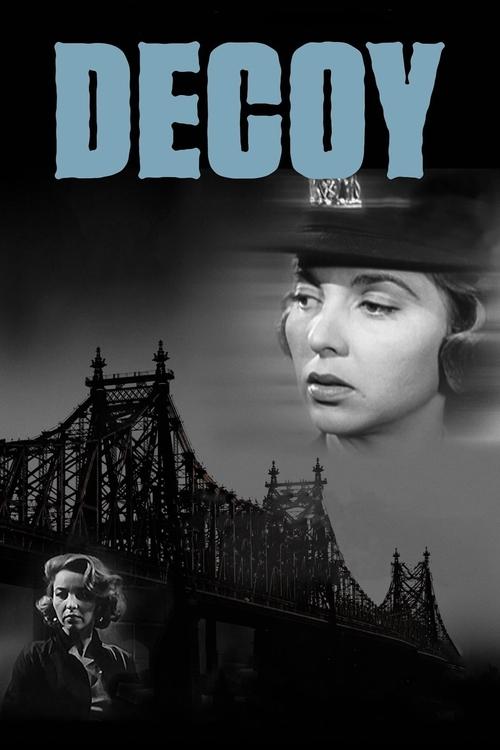
New York City policewoman Casey Jones' assignment to fight crime often entails her going undercover in some of the seediest and most dangerous parts of the city. Decoy is a groundbreaking American crime drama television series created for syndication and initially broadcast from October 14, 1957, to July 7, 1958, with thirty-nine 30-minute black-and-white episodes. It was the first American police series with a female protagonist. Many Decoy episodes are in the public domain.
Decoy
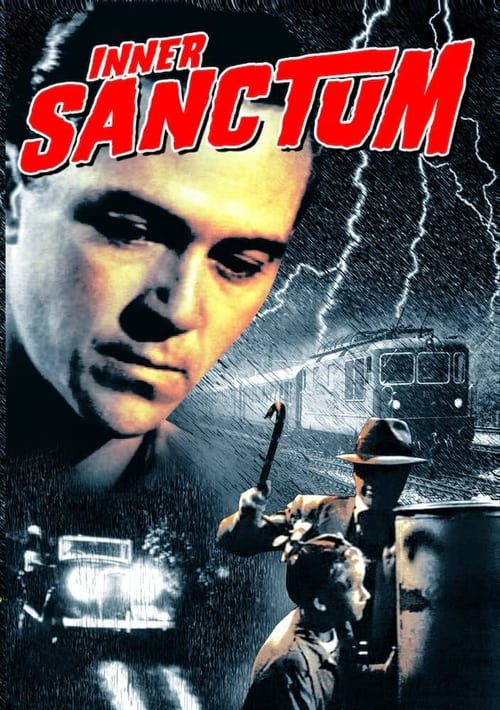
No description available.
Inner Sanctum
Another World is an American television soap opera that ran on NBC for 35 years from May 4, 1964 to June 25, 1999. Set in the fictional town of Bay City, the show in its early years opens with announcer Bill Wolff intoning its epigram, “We do not live in this world alone, but in a thousand other worlds,” which Phillips said represented the difference between “the world of events we live in, and the world of feelings and dreams that we strive for.” Another World focused less on the conventional drama of domestic life as seen in other soap operas, and more on exotic melodrama between families of different classes and philosophies.
Another World
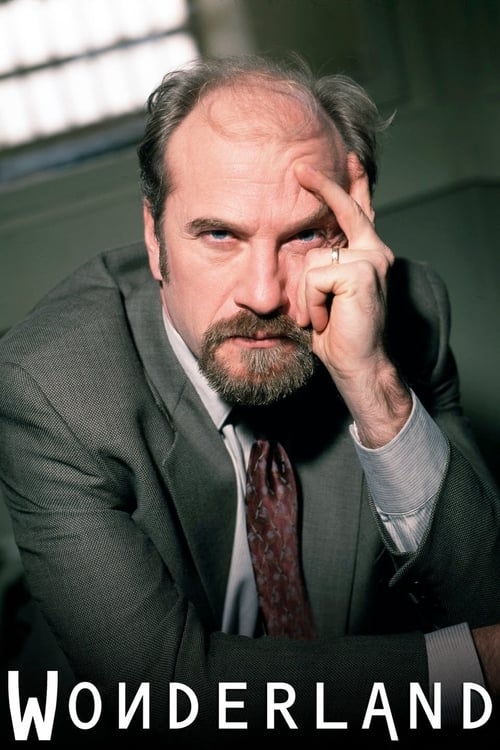
Focuses on the daily life in a mental institution, from the perspectives of both the doctors and patients.
Wonderland
Long-running anthology program sponsored by Hallmark Cards. Beginning in 1951 and continuing into 2019, the series received 80 Emmy Awards, 24 Christopher Awards, 11 Peabody Awards, 9 Golden Globes, and 4 Humanitas Prizes. Early seasons were a weekly live drama, eventually transitioning to videotaped and then filmed productions broadcast as occasional specials.