Catherine Arley
Writing
Biography
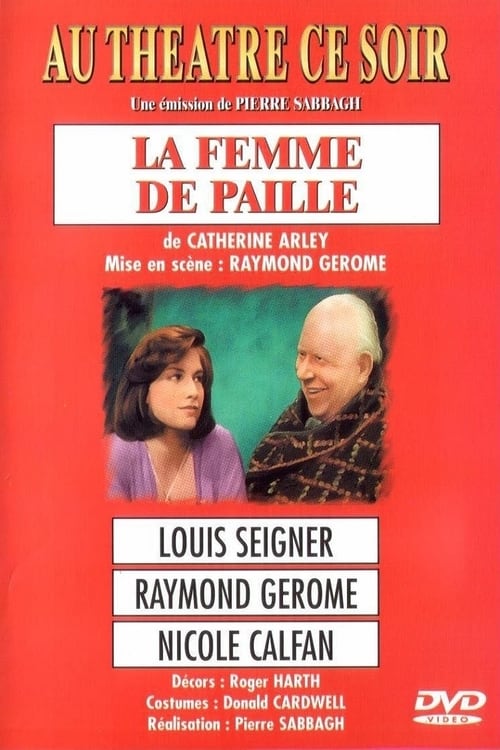
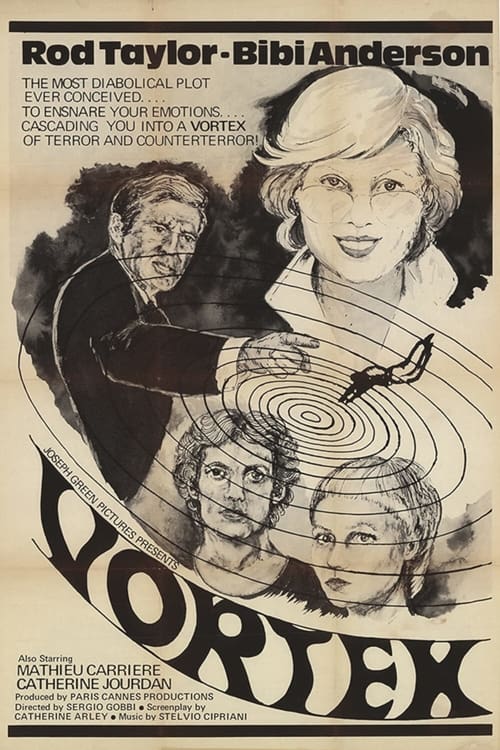
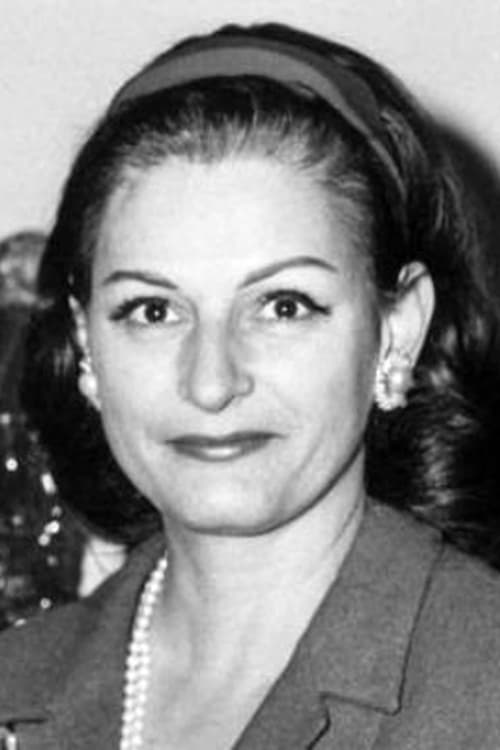
Pierrette Henriette Denise Marthe Pernot (20 December 1922 – 25 July 2016), better known professionally as Catherine Arley, was a French novelist and actress. After high school, Catherine Arley joined the National Conservatory of Dramatic Arts of Paris. She played in street theatre and in some films, taking part in the French production of Fleuve étincelant (The Flashing Stream) by Charles Langbridge Morgan. She gave up her acting career after her marriage and at the same time as her first novel, Tu vas mourir, appeared in the 1953 Éditions Denoël collection "Oscar" edited by Marcel Duhamel. Despite this encouraging welcome, her second novel, La Femme de paille, a story of fraudulent adoption, was rejected by every French publisher to whom she offered it. She then looked abroad for a publisher and her novel was eventually published in Switzerland in 1954, then translated into twenty-four languages, and filmed by Basil Dearden starring Gina Lollobrigida and Sean Connery. This international fame still did not help her to find a French publisher. From 1962 to 1972, she only published three novels: Le Talion (1962), Les Beaux Messieurs font comme ça (1968), which won an international prize for suspense, and Les Valets d'épée (1968). It was not until 1972 that she managed to be published in France: Pierre Geneva (pseudonym of Marc Schweizer) launched the "Suspense" series published by Eurédif and she became their star author. This period was Arley's heyday as she published, among others, Duel au premier sang (1973, brought to the screen by Sergio Gobbi under the title Blondy), Les Armures de sable (1976), and À tête reposée (1976), the narrative of a tragedy lived by a father whose child is condemned to death, written with great simplicity and winner of the 1979 prize for French Suspense. In 1980, Eurédif stopped their police series. Arley moved to Le Masque series which published her new stories and her reissues for two years. Her novel À cloche-cœur received the 1981 prize for adventure novels. In 1990 the Fleuve noir publishing house published Arley's En 5 sets, but her later novels appeared directly in translation to Japanese where they were immediately adapted for television. Arley also created a theatrical adaptation of La Femme de paille, which was televised in 1976. Georges Rieben noted "her taste for romantic drama, her grasp of the human condition, imprisoned by tiny miseries, subjugated to its destiny". In her novels, Arley displays a great sense of suspense, not hesitating to add moments of cruelty and touches of humour. With her international career, Arley has sold more than two million books between Collins, her English publisher, and Random House, her American publisher. She remains one of the leading authors of the decade 1970 to 1980, having forged a place in French literature for non-conformist and amoral detective fiction. Arley's reputation in France suffered from a lack of adventurous French publishers who favoured the roman noir and neo-polar style at that time. Arley died in Paris on 25 July 2016, at the age of 93. Source: Article "Catherine Arley" from Wikipedia in English, licensed under CC-BY-SA 3.0.