Acting
No description available.
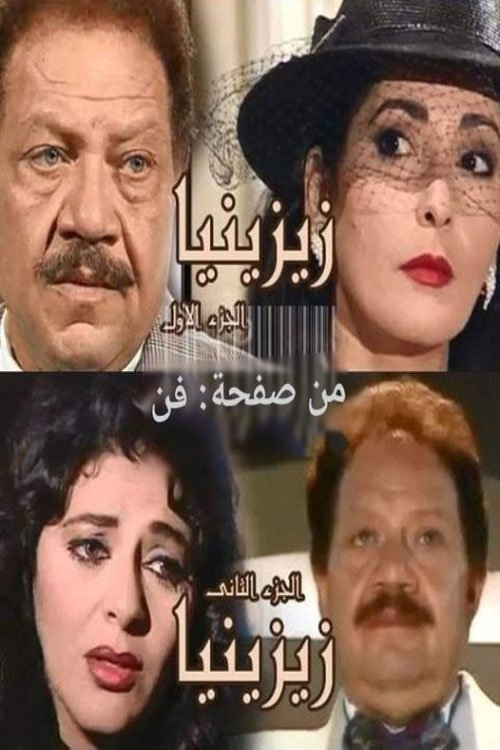
Set in Alexandria during the 1940s, at the height of the city's cosmopolitan golden age, Zezenia follows Bishr — the son of an Egyptian father and Italian mother — as he navigates a fractured sense of identity torn between East and West. Against a backdrop of World War II, mixed nationalities, and a society on the brink of change, the series is a sweeping portrait of love, belonging, and the soul of a city.
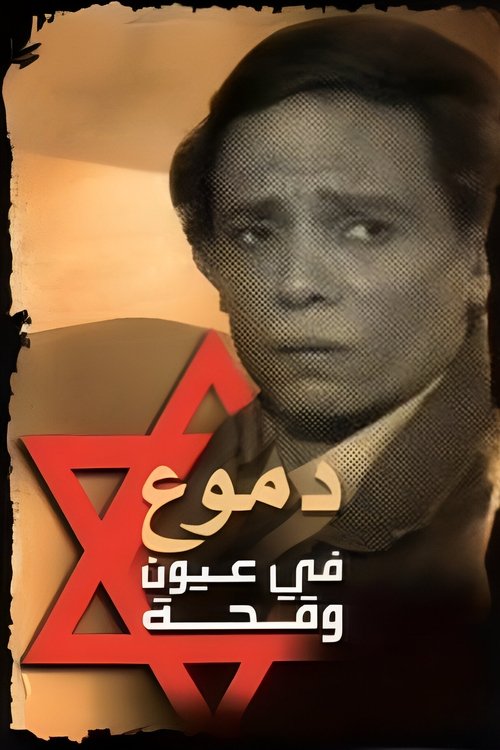
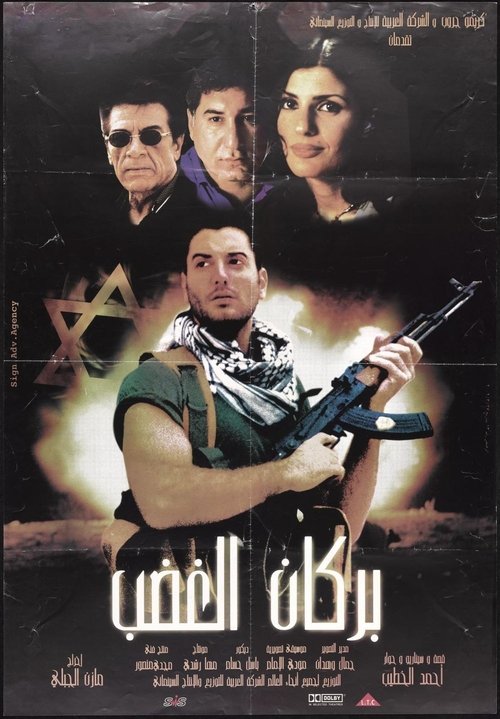
A story based on real events from the Egyptian spy files of an Egyptian intelligence operation against the Israeli Mossad, whose hero was in fact (Ahmed Mohamed Abdel Rahman Al-Hawan)
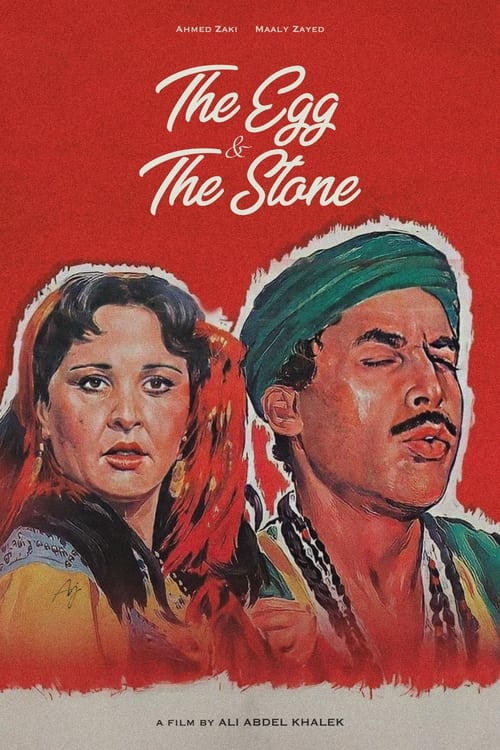
Shehata is the son of a modest gardener who saved all his money to open a fruit stand and named it after his favorite son. Shehata's siblings get so jealous of their brother and plot against him. A representation of the downfall of society and its decaying morals.
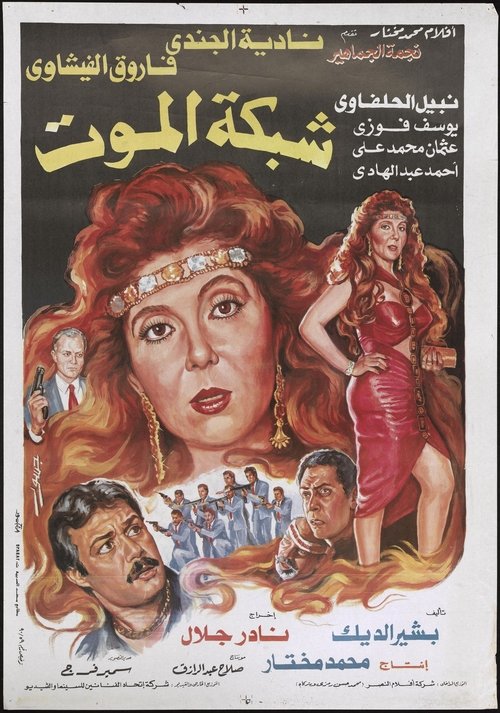
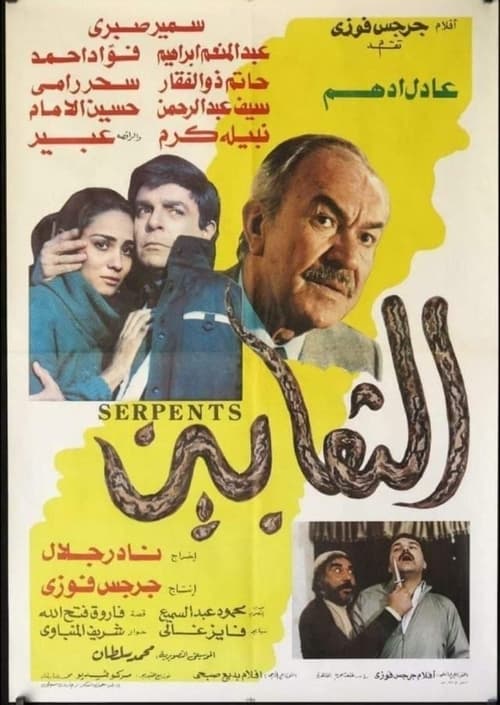
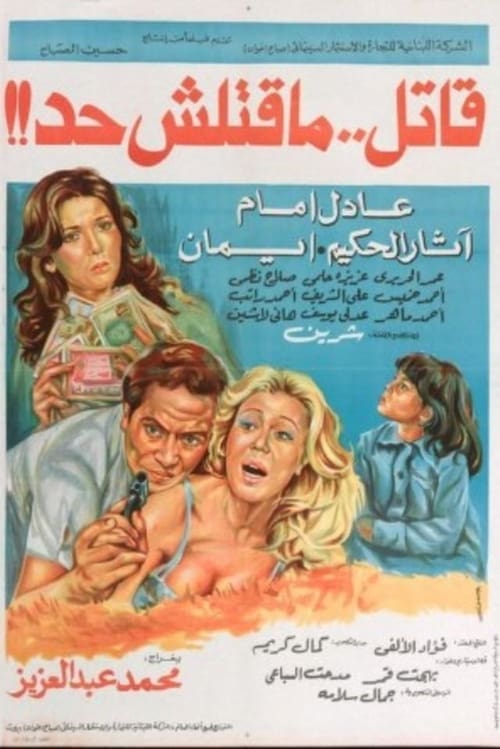
Bassiouni leads a drug smuggling gang from Greece after settling in Athens, and the security services seek to arrest him upon his arrival in Cairo. The chief of detectives (Rabie) finds through his investigations that Bassiouni had an affair with a beautiful widow named Nour who suffers from her daughter's heroin addiction. Rabea asks Nour to cooperate with the police to catch Bassiouni.
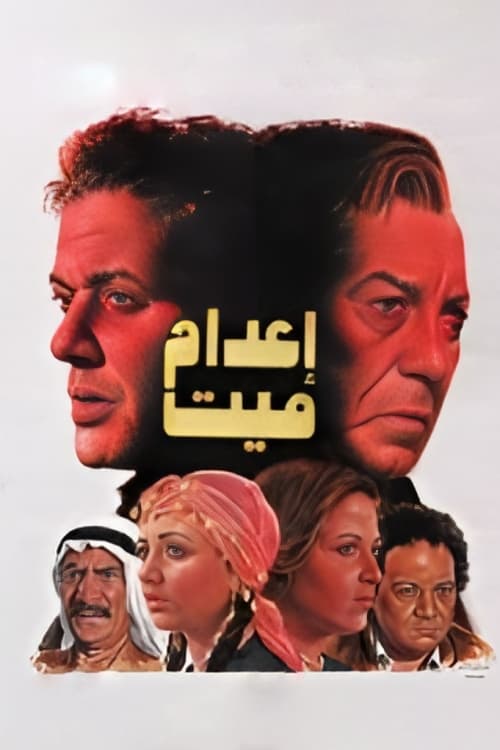
Mansour (Mahmoud Abdel Aziz) is sentenced to death by hanging for communicating with Israel before the October War, and intelligence officer Mohy (Farid Shawky) devises a plan to replace Mansour, the "spy" with Egyptian officer Ezzeldin , because of the big resemblance between them so that he obtains important information about the Dimona reactor.
Smuggled from the West Bank abroad and during his presence in Egypt a love story is established between him and an Egyptian girl and her family
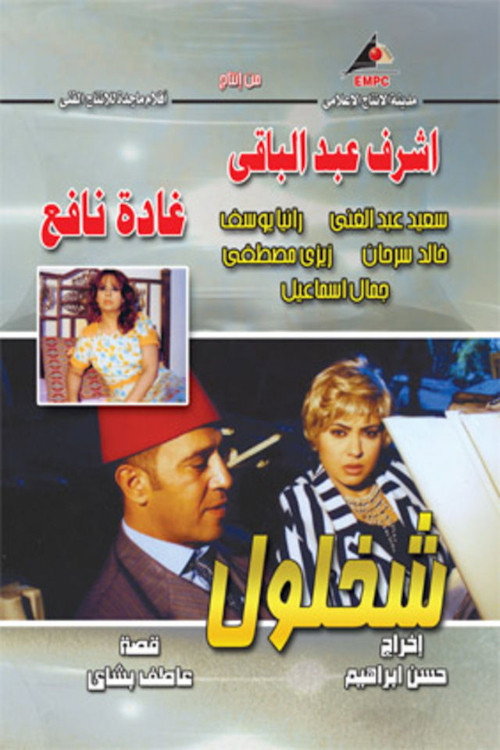
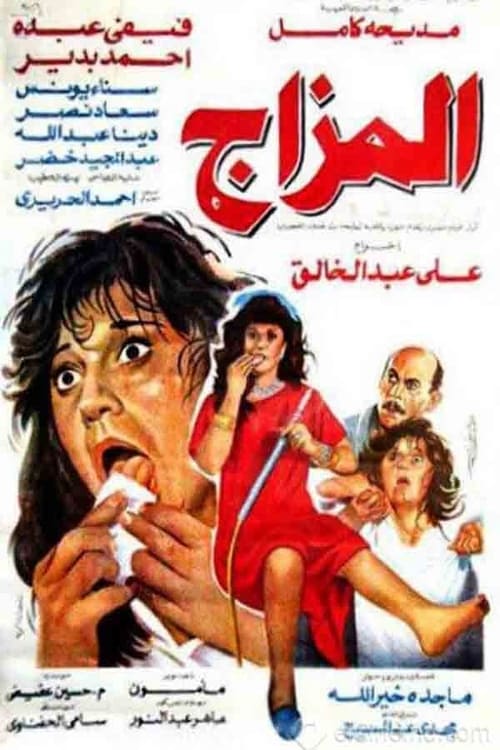
A philosophy teacher finds himself and his ethics surrounded by a corrupt society, and as he's mistaken for an exorcist and fortune-teller. He uses logic and psychological tricks to practice wizardry, until he masters it and controls people, meanwhile losing his ethics.
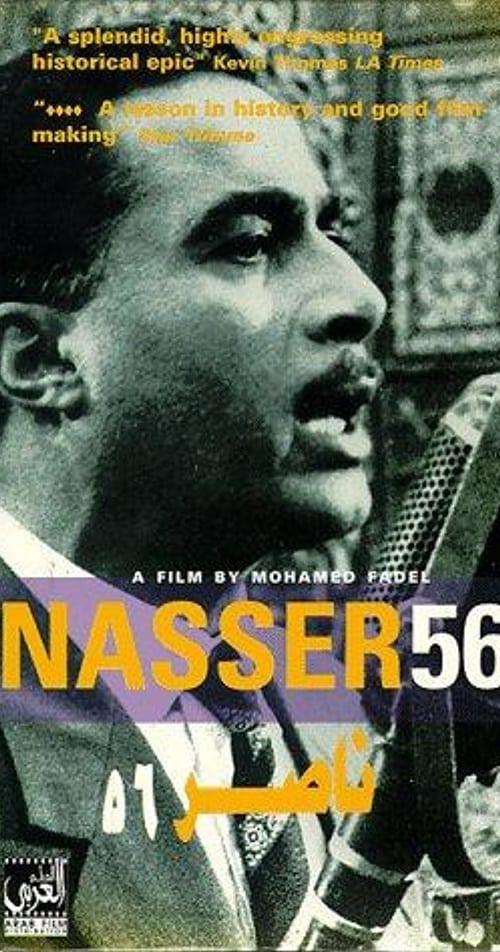
Nasser 56 is a 1996 Egyptian historical film directed by Mohamed Fadel, starring Ahmed Zaki. The film focuses on the nationalization of the Suez Canal by Egypt's second President, Gamal Abdel Nasser, and the subsequent invasion of Egypt by Israel, the United Kingdom, and France.
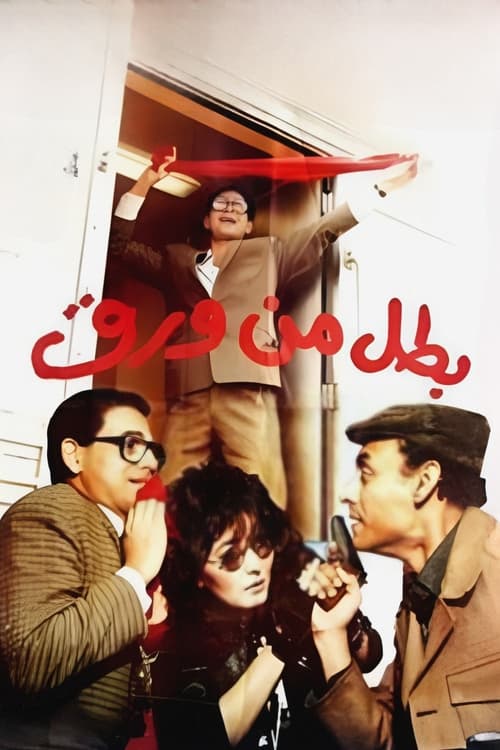
The film revolves around the cinematographer Rami Qashua, who begins to succeed in the cinema through the texts he writes, but his bad luck imprints it in an unenviable predicament when one of his texts ends up being written by a clerical writer on the typewriter. He performs the literal implementation of everything that happens in the scenario of theft and murder, and collaborates with journalist Sawsan in order to beat him.
Shedid, a contractor who owns a large company in Alexandria where his brother works, discovers during digging at one of the sites a Pharaonic cemetery. He tries to keep the contents of the cemetery for himself to smuggle it abroad and everyone starts betraying one another out of greed.
Inside the prostitution district of Old Cairo, an honest policeman is appointed to fight corruption and bullying inside the neighborhood, until he falls in love with one of the women there. After a trap is set for him, he gets fired from his job.
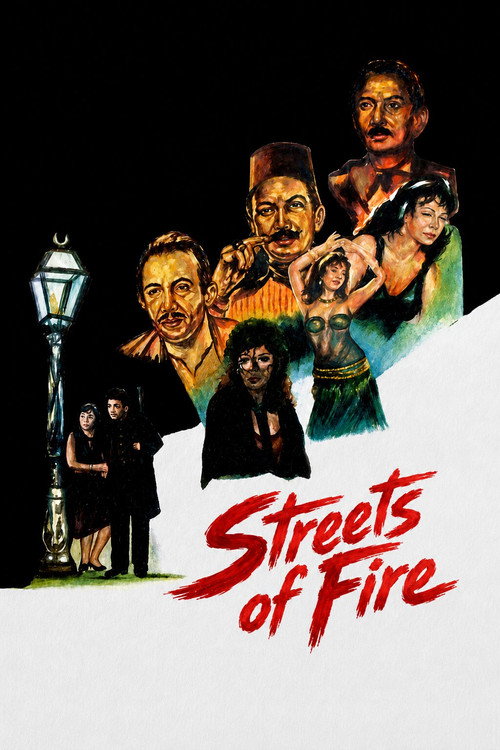
In the 1940s, the policeman Imam moves to Cairo to work in an area devoted to prostitution. There he falls in love with the prostitute Nusse who works with the bully Jalal without knowing that she is practicing this profession. He is defended by an imam who beats an English soldier who tries to intercept her and assault her. He is tried and dismissed from service, then returns to live in the neighborhood and look for work, and becomes a pimp, a quarrel between him and Jalal al-Fatwa. Each trying to prove his strength and impose his power.
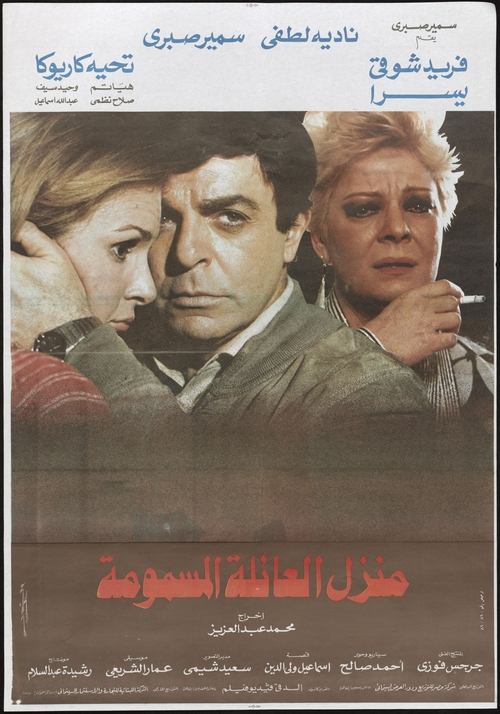
Sina' learns of the numerous affairs her husband Shakir has had with other women. At this time, she gets to know Hashem, and they become increasingly close. Hashem learns of the dysfunctions within Sina’’s family and tries to take advantage of this for his own interests, specially after meeting Arfan, the husband of Sina’s sister. Arfan uses Sina’s sister’s money for his own projects, and tries to pressure his daughter Hoda into marrying a rich Arab man.
A representative in an insurance company named (Adel), has a daughter from which her mother deported to the underworld.
Gamila is sentenced to one year in prison for manslaughter. Inside the prison, she meets a group of dangerous women and their leader Arwah who turned the prison into a drug den . She tries to controlol Gamila but she fights back.
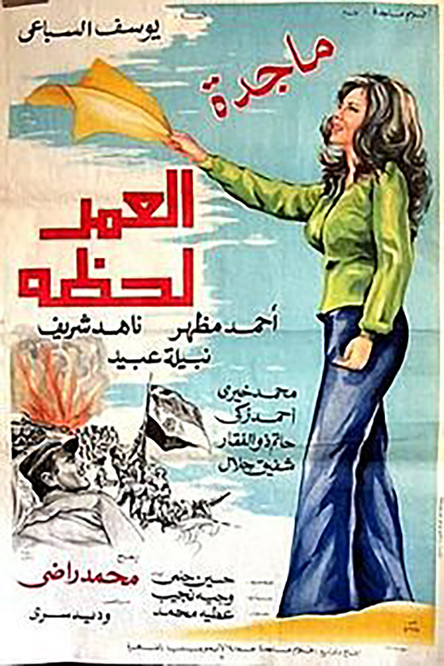
In the wake of the June 1967 war, Naamat lives on the hot side of her life, with her husband Abdelkader, the editor of one of the newspapers in which she works as a liberator and abuser with many capabilities, including his articles calling for despair during the war with Israel; That national action is the key to one's personality. So she took care of volunteer work in a hospital, she got to know a group of fighters, including Mahmoud, the lightning officer who has trouble with his wife, and others who gave themselves to serve the homeland.