FEEL IT.STREAM
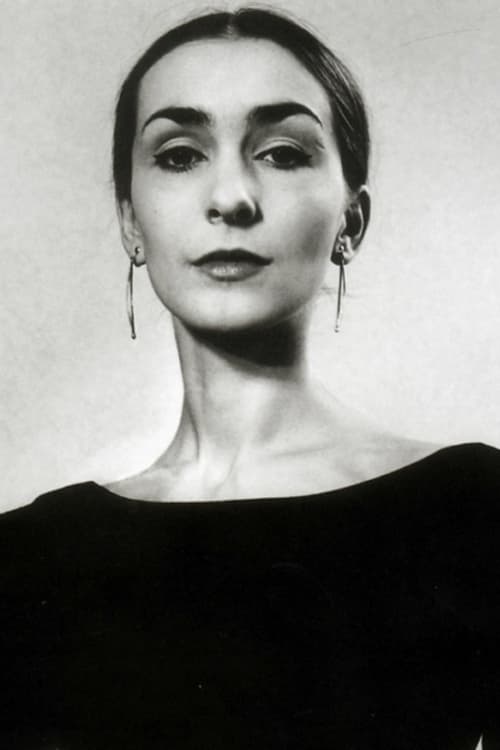
Pina Bausch

Pina Bausch

Acting

Biography

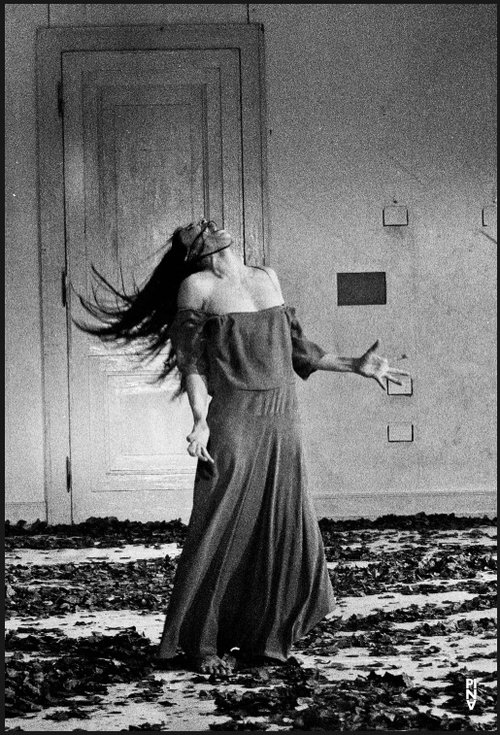
Philippine "Pina" Bausch (27 July 1940 – 30 June 2009) was a German dancer and choreographer who was a significant contributor to a neo-expressionist dance tradition now known as Tanztheater. Bausch's approach was noted for a stylized blend of dance movement, prominent sound design, and involved stage sets, as well as for engaging the dancers under her to help in the development of a piece, and her work had an influence on modern dance from the 1970s forward. Her work, regarded as a continuation of the European and American expressionist movements, incorporated many expressly dramatic elements and often explored themes connected to trauma, particularly trauma arising out of relationships. She created the company Tanztheater Wuppertal Pina Bausch, which performs internationally. Description above from the Wikipedia article Pina Bausch, licensed under CC-BY-SA, full list of contributors on Wikipedia.


Known For

Orpheus and Eurydice
10.0

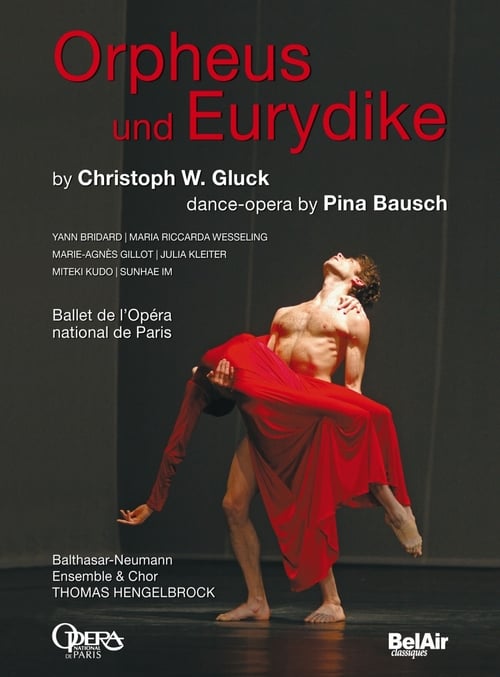
The Ballet de l'Opera National de Paris mounted this production of the late Pina Bausch's dance-opera Orpheus und Eurydike, which Bausch had adapted from composer Christoph Willibald-Gluck and Ranieri de' Calzabigi's 1762 opera Orfeo ed Euridice. As the title suggests, it takes its basic narrative from the myth of Orpheus, and his courageous but ill-fated attempt to rescue his lover Eurydice (also known as Eurydike) from the jaws of the underworld. This particular production finds Yann Bridard dancing as Orpheus and Marie-Agnès Gillot dancing as Eurydike , with mezzo-soprano Maria-Riccarda Wesseling accompanying Bridard and soprano Julia Kleiter accompanying Wesseling. Pina Bausch did the choreography and stage direction, while Rolf Borzik designed the sets, costumes and lighting. The Balthasar-Neumann Ensemble & Choir, under the direction of Thomas Hengelbrock, lend musical accompaniment.

Orpheus and Eurydice

2008Movie
No image
7.0

Wuppertal is a drizzly, industrial city on the Rhine and one immediately wonders why Pina Bausch and her avant-garde dance troupe have settled there. A socially engaged documentarian, Wildenhahn is also perplexed by this issue and spends considerable time trying to place Bausch in a context outside of the aesthetic. Still, the dance company's daily life and the excruciating rehearsal and performance schedule is solidly captured. The film begins cleverly: a dance critic offers sagacious comments on ballet dancers finishing their careers at mid-thirty just when, according to Bausch, the "aspects of misery, suffering and fear of death should become an integral part of a dancer's spiritual and psychological make-up." Wildenhahn's camera glides over the dancers' bodies as Bausch leads them through their paces, a consummate teacher. Leaving behind rehearsals of "Bandoneón" and "Walzer," Wildenhahn then ventures out into the streets of Wuppertal searching for the dance of the common people.

What Are Pina Bausch and Her Dancers Doing in Wuppertal?

1983Movie