FEEL IT.STREAM
Therese Giehse

Therese Giehse

Acting

Biography

Therese Giehse (6 March 1898 – 3 March 1975), born Therese Gift, was a distinguished German actress. Born in Munich to German-Jewish parents, she first appeared on the stage in 1920. She became a major star on stage, in films, and in political cabaret. In the late 1920s through 1933, she was a leading actress at the famous Munich Kammerspiele.
Known For

No image
6.0

No description available.

German Film Award

1951
No image
7.3

No description available.

Was bin ich?

1955
Black Moon
6.0

There is a global civil war between men and women. A teenage girl tries to escape this reality and arrives at a hidden place where a strange unicorn lives with a family: sister, brother, many children and an old, bedridden woman who stays in contact with the world through her radio.

Black Moon

1975
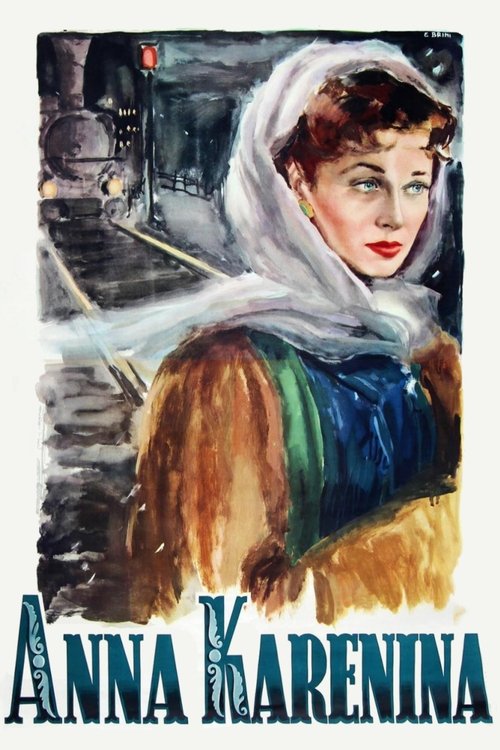
Anna Karenina
6.0

In Imperial Russia, Anna, wife of the officer Karenin, goes to Moscow to visit her brother. On the way, she meets charming cavalry officer Vronsky, to whom she's immediately attracted. But in St. Petersburg’s high society, a relationship like this could destroy a woman’s reputation.

Anna Karenina

1948
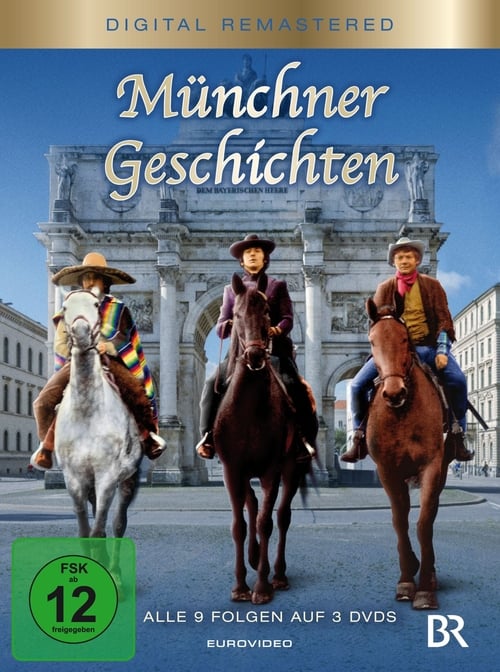
Münchner Geschichten
5.5

No description available.

Münchner Geschichten

1974
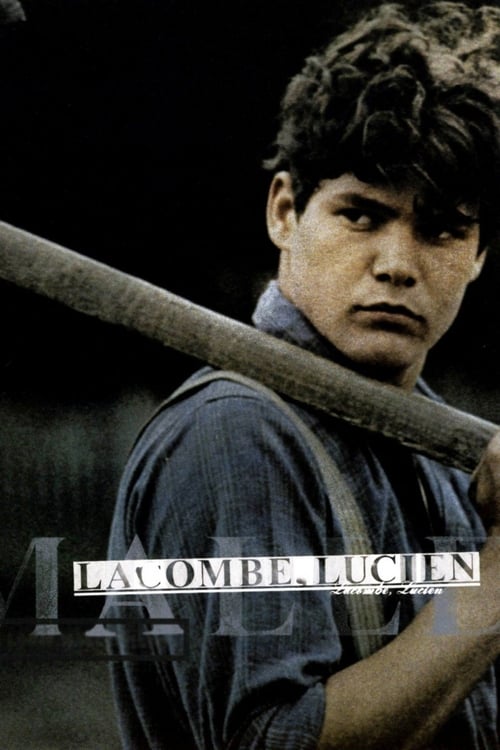
Lacombe, Lucien
7.0

In Louis Malle's lauded drama, Lucien Lacombe is a young man living in rural France during World War II who seeks to join the French Resistance. When he is rejected due to his youth, the resentful Lucien allies himself with the Nazis and joins the Gallic arm of their Gestapo. Lucien grows to enjoy the power that comes with his position, but his life is complicated when he falls for France Horn, a beautiful young Jewish woman.

Lacombe, Lucien

1974
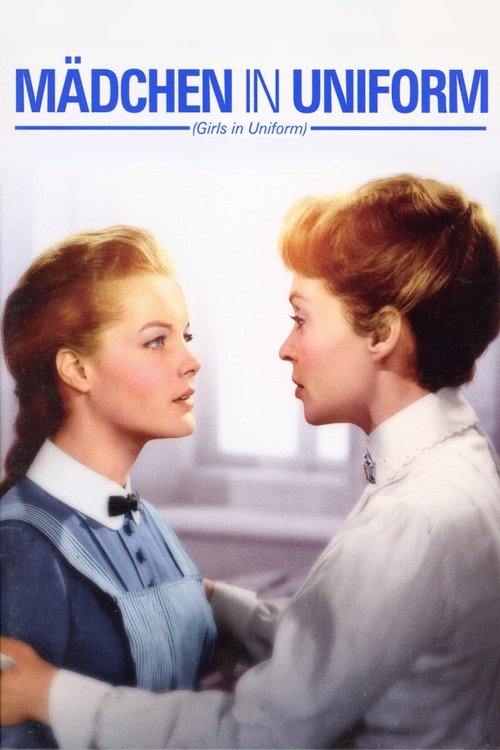
Girls in Uniform
6.1

A new student, Manuela, enters a strict girls' boarding school after her mother’s death, where she finds comfort in a kind teacher, stirring complex emotions within her.

Girls in Uniform

1958
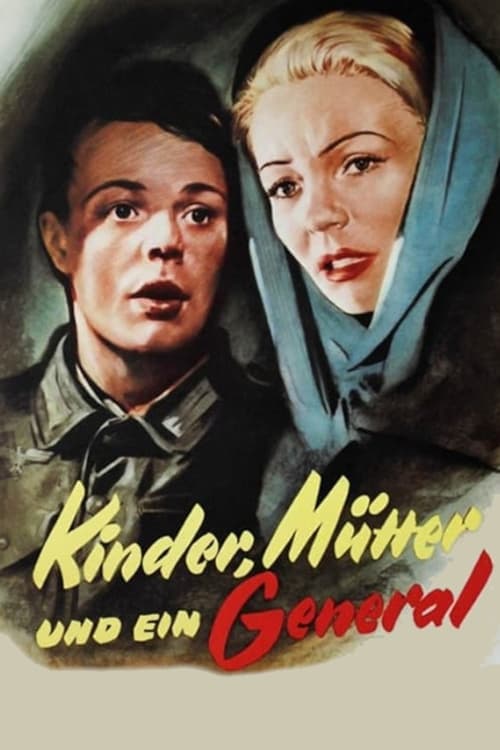
Children, Mother, and the General
6.4

As Germany's fortunes in the latter part of World War II wane, several young boys, in their enthusiasm to do something "for the fatherland", volunteer to fight with the German army in the East. Horrified at the news that their children left for the Russian front, the boys' mothers begin a desperate effort to get their sons back.

Children, Mother, and the General

1955
No Greater Love
5.8

Directed by Harald Braun and told from the perspective of Bertha von Suttner, the first female to receive the Nobel Peace Prize, The Alfred Nobel Story - No Greater Love chronicles the life of scientist, inventor, and businessman Alfred Nobel. Nobel built a massive fortune throughout his life, and while much if it was amassed by his inventions--dynamite being perhaps the most notable--he was also revered for his discoveries within the fields of science and economics. Upon his death, Nobel decided that his fortune was simply too great to continue in the form of an inheritance or single charitable donation, opting instead to use the money as reward for the greatest contributors to physics, chemistry, medicine, literature, and, of course, peace.

No Greater Love

1952
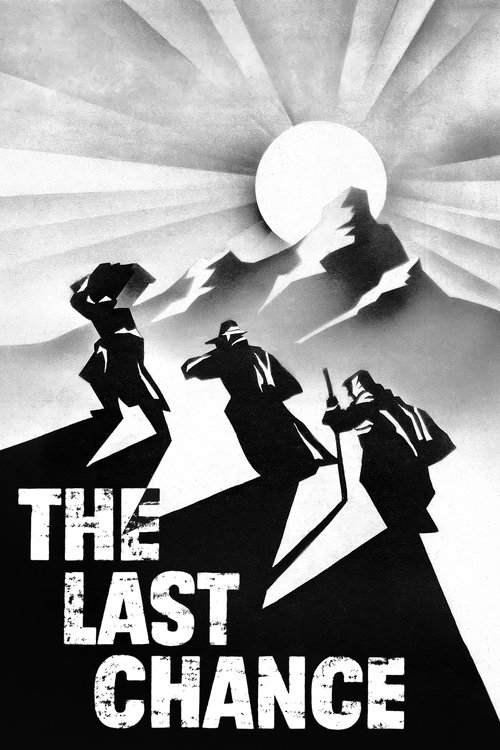
The Last Chance
6.0

Escaping a Nazi prison train in war-torn Italy, an American and a British soldier set out for the Swiss border and find themselves leading a multi-national party of refugees for the Italian underground.

The Last Chance

1945
No image
7.5

Everything seems perfect in the lives of Andreas and Garda. They have a happy marriage and up-and-coming talent Andreas is constantly striving to reach the top of his sport. But their happiness is suddenly clouded when the racing driver suffers a serious accident at the Nürburgring. He is sent to Switzerland to recover. There, however, a second shadow looms over the couple's idyll, this time in the form of the beautiful, rich Argentinian widow Joan de Portago. When Garda finds out about her husband's flirtations, she becomes jealous and begins to fake an affair of her own in return. When Joan's old admirer Dr. Albys joins the triangle, the web of love becomes increasingly tangled.

Muss man sich gleich scheiden lassen?

1953
No image
N/A

No description available.

Magdalena

1966
The Mark of Cain
6.3

An attractive young French girl instigates rivalry between two brothers when she becomes the bride of the younger one. As the situation festers it leads to murder…

The Mark of Cain

1947
No image
6.8

Ten years ago, at the end of WW2, 7-year-old Beate was separated from her parents while fleeing. A wealthy couple from Hamburg took her in. But now her less affluent parents have found their lost daughter and are bringing her back to Berlin. Beate doesn't feel at home there, but she doesn't want to go back to Hamburg either. She escapes into a relationship with a musician. Only when that fails does she realize that she belongs with her real parents.

Roman einer Siebzehnjährigen

1955
The Bartered Bride
6.3

Bohemia in the 19th century, stage-coach driver Hans loves the mayor's daughter Marie, but she is promised Wenzel, the son of another wealthy farmer. Marie refuses to marry Wenzel because of Hans, but the marriage arranger tries to "buy" Marie from Hans. But when Wenzel tells Hans that he doesn't want to marry Marie either because he loves circus director Brummel's daughter, Hans decides to accept the offer of money for not interfering in the relations of Hans and Marie. But when Marie hears about this, she doesn't want to see Hans again.

The Bartered Bride

1932
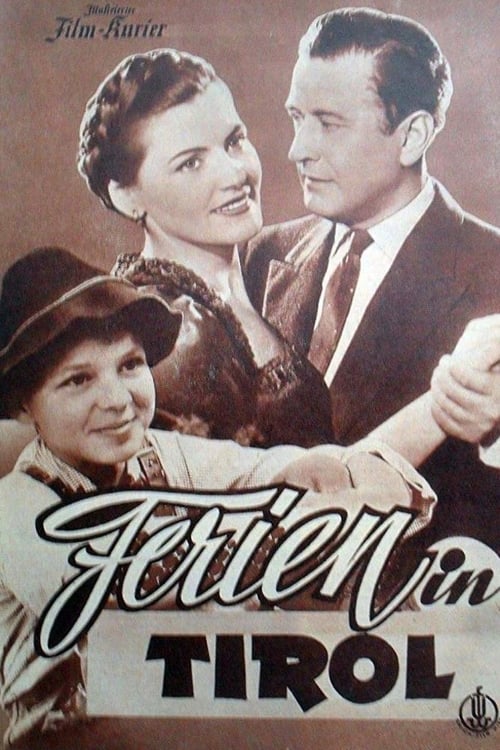
Holidays in Tyrol
9.0

10-year-old Rosmarin von Stetten lives with his widowed father Robert in the big city. During the holidays one day in the morning Rosmarin goes to the lake near the castle and meets Thymian, the poorest boy of the village, whose mother did not come back from the war and who has to do several jobs in the village for his living. The boys enter a boat, but both fall into the lake. Thymian crawls out of the water first and is found by a servant from the castle, who thinks he is Rosmarin and bring him to the castle and to bed. The boy doesn't know what happens and thinks he's spellbound...

Holidays in Tyrol

1956
Der 10. Mai
9.0

Der 10. Mai (The Tenth of May) was the date in 1940 that Hitler invaded the Low Countries: Belgium, Holland and Luxembourg. Neutral Switzerland, which hadn't experienced a war since the 14th century, hurriedly fortified its borders with battalions of inexperienced soldiers. The panic, confusion and isolated acts of courage which occurred on that fateful day are re-created in this Swiss docudrama. The story is "personalized" by concentrating on a fugitive German soldier (Heinz Reincke) who falls in love with the Swiss girl (Linda Geiser) who shelters him. Produced on a bare-minimum budget, Der 10. Mai is impressive more for its sincerity and raw energy than for its actual cinematic merits.

Der 10. Mai

1957
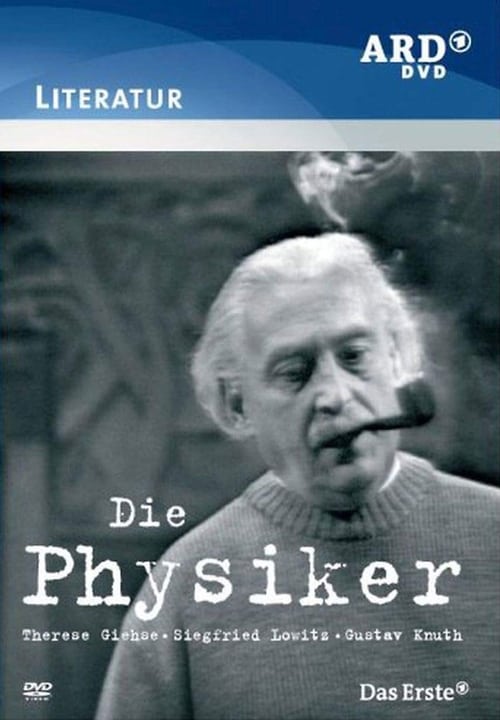
Die Physiker
7.0

No description available.

Die Physiker

1964
No image
10.0

Wassa Schelesnowa, a manipulative matriarch who will stop at nothing to keep her business afloat and her family together. Infanticide, forgery, murder, blackmail, adultery, exile, and plain old-fashioned greed are the order of the day as Wassa's colorful clan tries to scheme its way out of the house and into financial independence.

Wassa Schelesnowa

1963
No image
10.0

No description available.

Die Mutter

1971