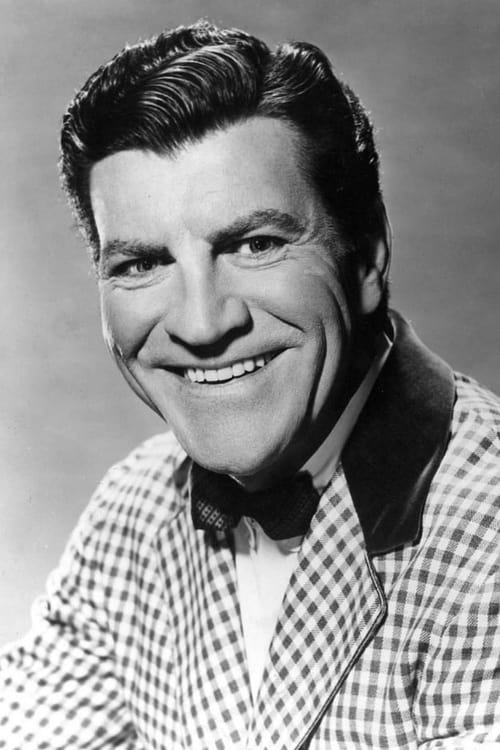
Robert Preston
Acting
Biography
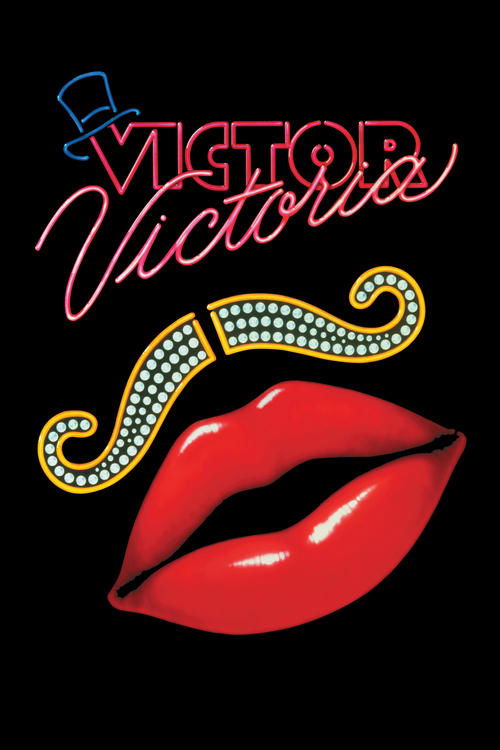
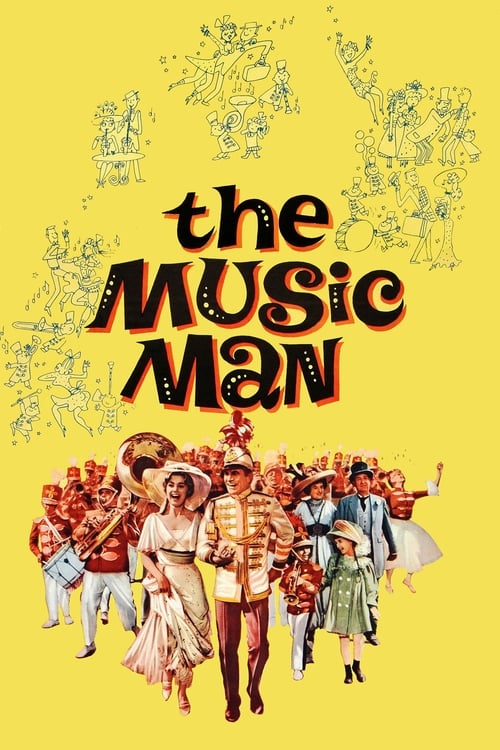
Robert Preston (June 8, 1918 – March 21, 1987) was an American stage and film actor and singer, best known for his collaboration with composer Meredith Willson and originating the role of Professor Harold Hill in the 1957 musical The Music Man and the 1962 film adaptation; the film earned him his first of two Golden Globe Award nominations. Preston collaborated twice with filmmaker Blake Edwards, first in S.O.B. (1981) and again in Victor/Victoria (1982). For portraying Carroll "Toddy" Todd in the latter, he was nominated for the Academy Award for Best Supporting Actor at the 55th Academy Awards. Preston was born Robert Preston Meservey in Newton, Massachusetts, the son of a garment worker and a record store clerk. He attended Abraham Lincoln High School, training as a musician and playing several instruments, but quit at age sixteen to study acting at the Pasadena Community Playhouse. Preston made his Broadway debut in 1940 in the play The Philadelphia Story. He went on to star in a number of successful Broadway musicals, including The Pajama Game (1954), Damn Yankees (1955), and I Do! I Do! (1966). He also appeared in a number of films, including The Music Man (1962), The Dark at the Top of the Stairs (1960), and Victor/Victoria (1982). Preston was a versatile actor who could play a wide range of roles. He was known for his charisma, his singing voice, and his comic timing. He was a two-time Tony Award winner and was nominated for an Academy Award. He was also a member of the American Theatre Hall of Fame. Preston died of cancer in 1987 at the age of 68. He was survived by his wife, Catherine Craig; the couple had no children. A biography of the actor, @Robert Preston - Forever The Music Man”, was published in 2022.
Known For

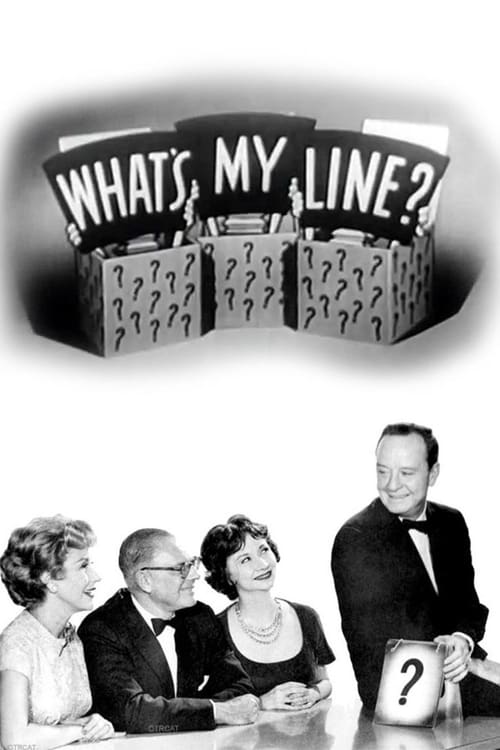
Four panelists must determine guests' occupations - and, in the case of famous guests, while blindfolded, their identity - by asking only "yes" or "no" questions.
What's My Line?

No description available.
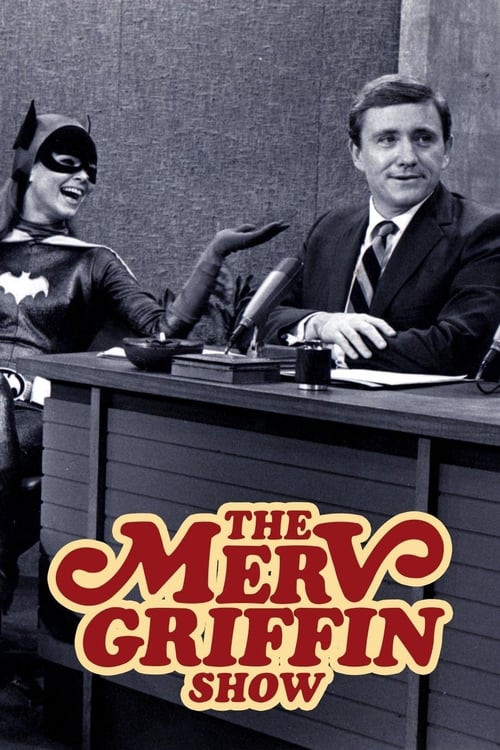
The Merv Griffin Show

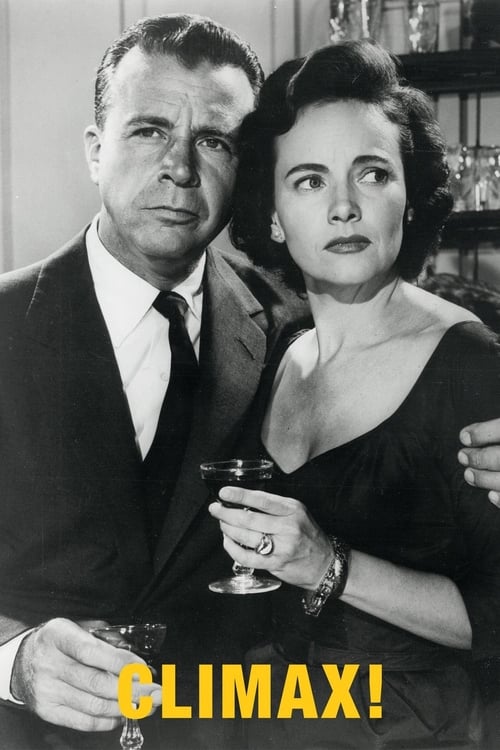
Climax! is an American anthology series that aired on CBS from 1954 to 1958. The series was hosted by William Lundigan and later co-hosted by Mary Costa. It was one of the few CBS programs of that era to be broadcast in color. Many of the episodes were performed and broadcast live.
Climax!

The Antoinette Perry Award for Excellence in Theatre, more commonly known as a Tony Award, recognizes achievement in live Broadway theatre. The awards are presented by the American Theatre Wing and The Broadway League at an annual ceremony in New York City. The awards are given for Broadway productions and performances, and an award is given for regional theatre.
Tony Awards

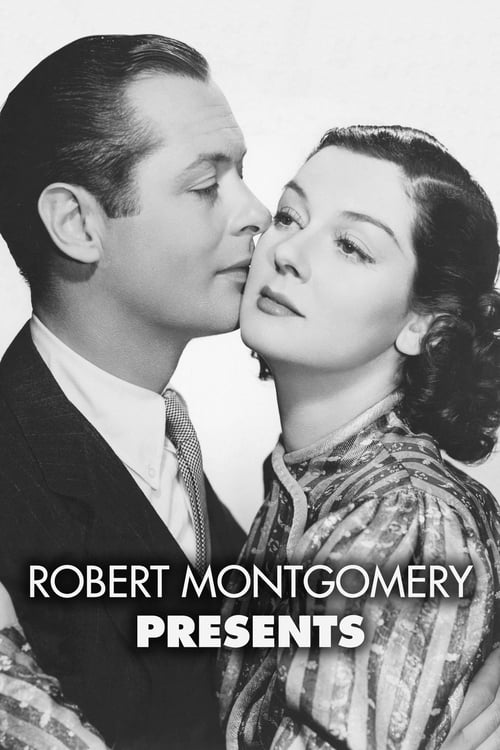
Robert Montgomery Presents is an American dramatic television series which was produced by NBC from January 30, 1950 until June 24, 1957. The live show had several sponsors during its seven-year run, and the title was altered to feature the sponsor, usually Lucky Strike cigarettes, for example, Robert Montgomery Presents Your Lucky Strike Theater, ....The Johnson's Wax Program, and so on.
Robert Montgomery Presents

The 20th Century Fox Hour is an American drama anthology series televised in the United States on CBS from 1955 to 1957. Some of the shows in this series were restored, remastered and shown on the Fox Movie Channel in 2002 under the title Hour of Stars. The season one episode Overnight Haul, starring Richard Conte and Lizabeth Scott, was released in Australia as a feature film.
The 20th Century Fox Hour

Your Show of Shows was a live 90-minute variety show that was broadcast weekly in the United States on NBC, from February 25, 1950, until June 5, 1954, featuring Sid Caesar and Imogene Coca. Other featured performers were Carl Reiner, Howard Morris, Bill Hayes, Judy Johnson, The Hamilton Trio and the soprano Marguerite Piazza. José Ferrer made several guest appearances on the series. The series was telecast from the now-demolished International Theatre at 5 Columbus Circle and the Century Theater, now demolished, in New York. During 2002, Your Show of Shows was ranked #30 on TV Guide's 50 Greatest TV Shows of All Time.
Your Show of Shows
Lux Video Theatre is an American anthology series that was produced from 1950 until 1959. The series presented both comedy and drama in original teleplays, as well as abridged adaptations of films and plays.
Lux Video Theatre

“The Bell Telephone Hour” was a musical variety show that aired on “NBC” TV from 12 January 1959 to 14 June 1968 that showcased the best in Broadway, Classical, Concert, Jazz and Popular music each week. The series had its’ own house band appropriately named the “Bell Telephone Orchestra”. The show also had its’ own theme song being the “Bell Waltz” composed by “Donald Voorhees” who was also the show's Orchestra conductor. Some of the greatest violinists of the 1960’s performed on this show that aired in the old “Black & White” format. Some of these great violinists included “Erica Mornin”, “Isaac Stern", "Michael Rabin", "Ruggiero Ricci", "Yehudi Menuhin" and "Zino Francesacatti". From time to time some of the great singers and bandleaders of the 1960’s would perform on the show as well. Some of these were “Bing Crosby”, “Gordon MacRae”, “John Gary”, “Leslie Uggams”, “Mary Martin”, “Nelson Eddy”, “Patti Page” and “Roy Rogers”. The TV show followed on the heels of its’ predecessor with the same name on “NBC” radio that aired from 29 April 1940 to 1958 on Monday nights at 8 PM. The name of the show was derived from its’ Major sponsor “Bell Telephone Laboratories”. The TV version began airing on Friday nights at 8:30 PM once a month. It later was given it’s same time slot now airing every other week alternating with another show on the other weeks such as News shows and specials. The show time slot changed quite often over the years. In September 1960 it aired at 9 PM and in September 1961 it moved to 9:30 PM. In October 1963 it moved to Tuesday nights at 10 PM, September 1965 it moved to Sunday night at 6:30 PM and in September 1967 it made its' final move back to Friday night at 10 PM.
The Bell Telephone Hour

The World of Hammer is a thirteen-part British documentary series created and written by Robert and Ashley Sidaway for Channel 4. Initially broadcast from 12 August to 4 November 1994, the series is narrated by English actor and frequent Hammer collaborator Oliver Reed.
The World of Hammer

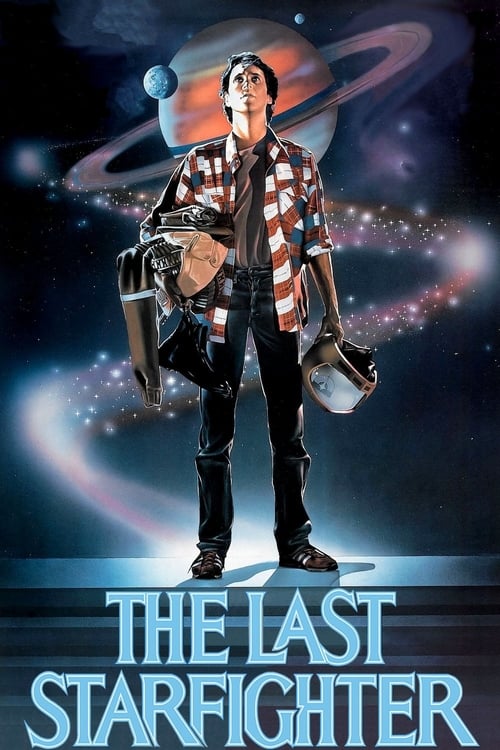
Video game expert Alex Rogan finds himself transported to another planet after conquering the video game The Last Starfighter, only to find out it was just a test. He was recruited to join the team of best Starfighters to defend their world from the attack.
The Last Starfighter

An investigation of how Hollywood's fabled stories have deeply influenced how Americans feel about transgender people, and how transgender people have been taught to feel about themselves.
Disclosure

General Electric Theater is an American anthology series hosted by Ronald Reagan that was broadcast on CBS radio and television. The series was sponsored by General Electric's Department of Public Relations.
General Electric Theater

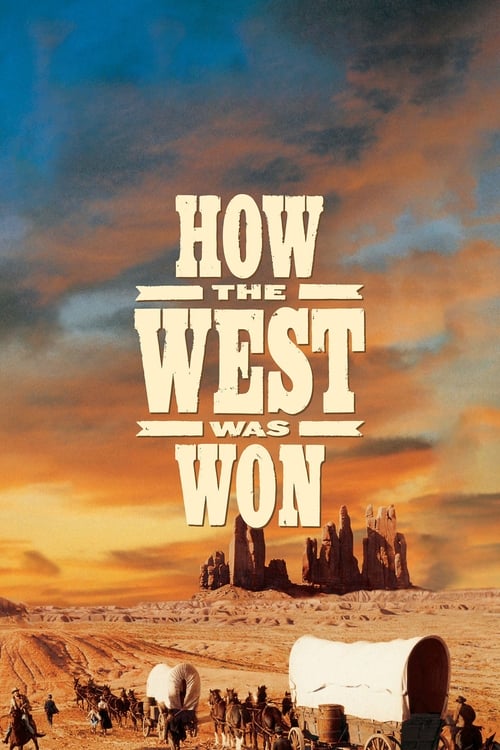
The epic tale of the development of the American West from the 1830s through the Civil War to the end of the century, as seen through the eyes of one pioneer family.
How the West Was Won

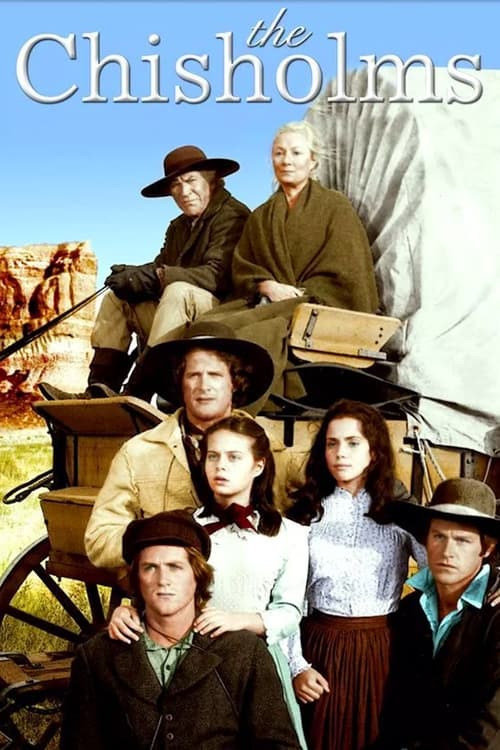
The Chisholms is a CBS western miniseries starring Robert Preston, which aired from March 29, 1979, to April 19, 1979; and continued as a television series from January 19, 1980, to March 15, 1980. The 1979 miniseries showed the family moving from Virginia to Wyoming. When the TV series commenced in 1980, the pioneers were shown en route along the California Trail from Wyoming to Sacramento, California.
The Chisholms

Schlitz Playhouse of Stars is an anthology series that was telecast from 1951 until 1959 on CBS. Offering both comedies and drama, the series was sponsored by the Joseph Schlitz Brewing Company. The title was shortened to Schlitz Playhouse, beginning with the fall 1957 season.
Schlitz Playhouse of Stars

This special is the second "Night of 100 Stars" to benefit The Actors Fund of America. Edited from a seven-hour live entertainment marathon that was taped February 17, 1985, at New York's Radio City Music Hall, this sequel to the 1982 "Night of 100 Stars" special features 288 celebrities.
Night of 100 Stars II

An account of the life and work of American film director Sam Peckinpah (1925-84), a tortured artist whose genius and inner demons changed the Western genre forever.
Sam Peckinpah's West: Legacy of a Hollywood Renegade

The Florida Keys in 1840, where the implacable hurricanes of the Caribbean scream, where the salvagers of Key West, like the intrepid and beautiful Loxi Claiborne and her crew, reap, aboard frail schooners, the harvest of the wild wind, facing the shark teeth of the reefs to rescue the sailors and the cargo from the shipwrecks caused by the scavengers of the sea.
Reap the Wild Wind

The most glittering, expensive, and exhausting videotaping session in television history took place Friday February 19, 1982 at New York's Radio City Music Hall. The event, for which ticket-buyers paid up to $1,000 a seat (tax-deductible as a contribution to the Actors' Fund) was billed as "The Night of 100 Stars" but, actually, around 230 stars took part. And most of the audience of 5,800 had no idea in advance that they were paying to see a TV taping, complete with long waits for set and costume changes, tape rewinding, and the like. Executive producer Alexander Cohen estimated that the 5,800 Radio City Music Hall seats sold out at prices ranging from $25 to $1,000. The show itself cost about $4 million to produce and was expected to yield around $2 million for the new addition to the Actors Fund retirement home in Englewood, N. J. ABC is reputed to have paid more than $5 million for the television rights.