Writing
A British television anthology of stories, often with sinister and wryly comedic undertones, and a twist at the end. With early episodes written and presented by Roald Dahl, the series featured a plethora of big name guest stars.
The New Alfred Hitchcock Presents is an American anthology series that aired on NBC from 1985 to 1986, and on the USA Network from 1987 to 1989. The series is an updated re-imagining of the classic 1955 series Alfred Hitchcock Presents.
A television anthology series hosted by Alfred Hitchcock featuring dramas, thrillers, and mysteries.
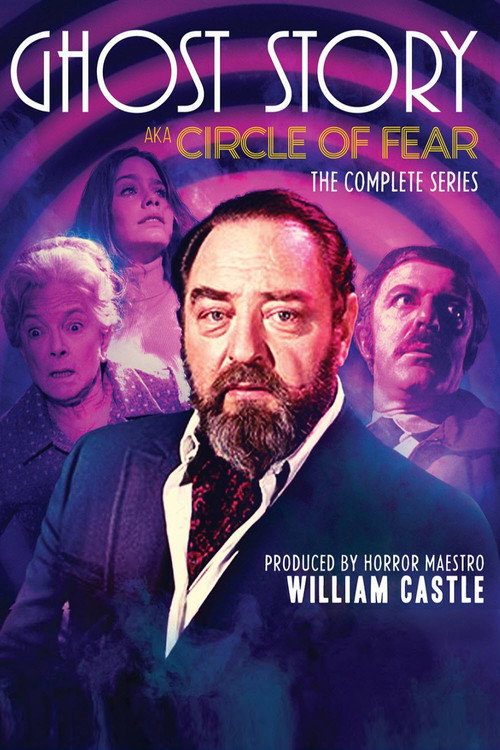
Ghost Story is an American television anthology series that aired for one season on NBC from 1972 to 1973. Executive-produced by William Castle, it initially featured supernatural entities such as ghosts, vampires, and witches. By mid-season, low ratings led to a shift -- for the most part -- away from paranormal themes and a title change to Circle of Fear.
Drama 61-67 is anthology drama series which took a different title, based on year of transmission, each year. It alternated with Armchair Theatre from ABC in the Sunday evening slot. The series was described at the time as epitomising ATV drama.
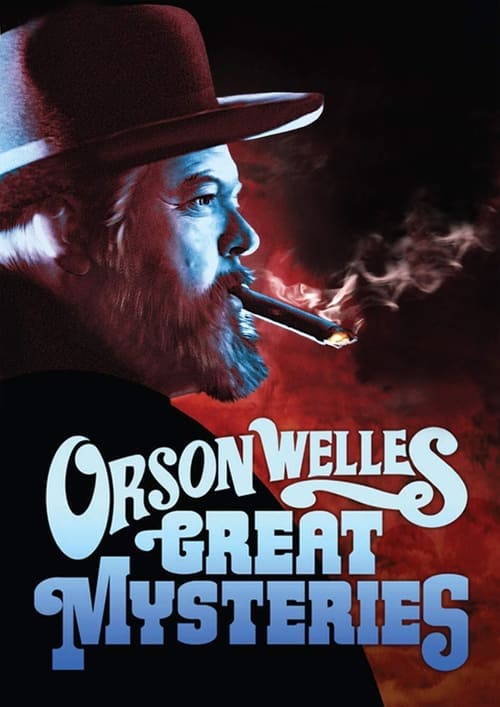
Orson Welles’ Great Mysteries is a British television anthology series produced by Anglia Television for the ITV network and broadcast between 1973 and 1974. The series presents standalone adaptations of classic mystery, crime, and supernatural stories drawn from literary sources including Dickens, Conan Doyle, Wilkie Collins, Balzac, Maugham, O. Henry, and others. Each episode is framed by original introductory and closing sequences performed by Orson Welles, who serves as the series’ host and sole recurring on-screen presence. These segments, written and directed by Welles (uncredited), function as stylized narrative framing devices rather than dramatic participation in the stories themselves. The dramatic content of each episode is performed by separate casts and directors, with no continuing characters or serialized narrative, establishing the series as a unified television anthology rather than a collection of standalone films.
18 short plays written especially for TV, an opportunity for up-and-coming directors such as floor manager Alan Clarke, who ended up doing 10 of the episodes. Some top ranking performers were attracted to the series.
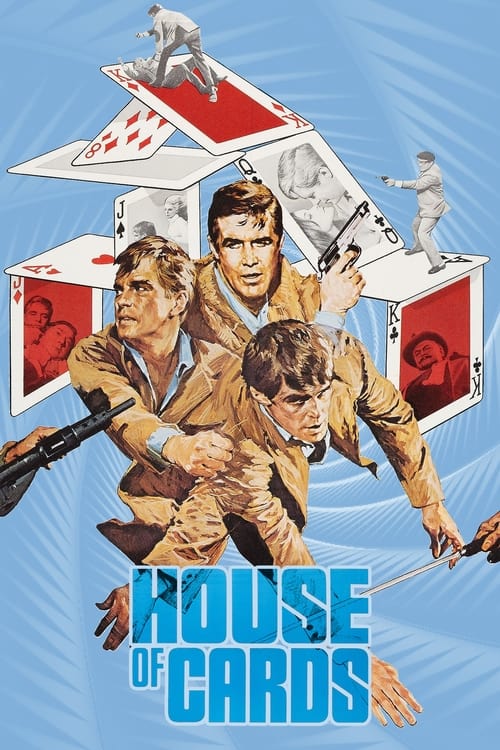
In 1960s Paris, an American boxer stumbles upon an international fascist conspiracy that aims to create a new world order.
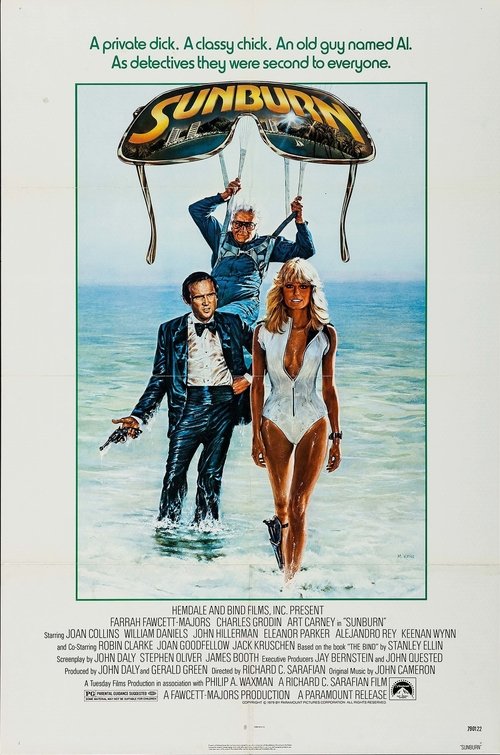
A model and a private eye help a New York insurance investigator on a deadly case in Acapulco.
Miss Giehse, an elderly teacher in a boarding school, tries with a lot of good will for her student Robert. The boy seems strangely withdrawn and depressed to her. Robert, whose behavior can be traced back to his parental home, which lacks orderly family relationships, disrupts the lessons with his defiant and rebellious behavior. All her attempts to investigate the causes of this behavior, however, only lead to increasingly serious misunderstandings. In almost hysterical exaggeration, provoked by Robert's tormenting behavior, she finally believes that he is trying to poison her and knocks the boy down during a break. The principal of the boarding school inadvertently witnesses this incident and dismisses Miss Giehse after a heated controversy. The teacher does not overcome the shame of the dismissal and the pain of her own actions and dies on the day she has to leave the boarding school on a trip with the school bus.
The mistress of the wealthy Henri Marcoux is murdered and the family accuses the milkman of committing the crime. But Marcoux's daughter's fiancé suspects that she may have been murdered by someone else.
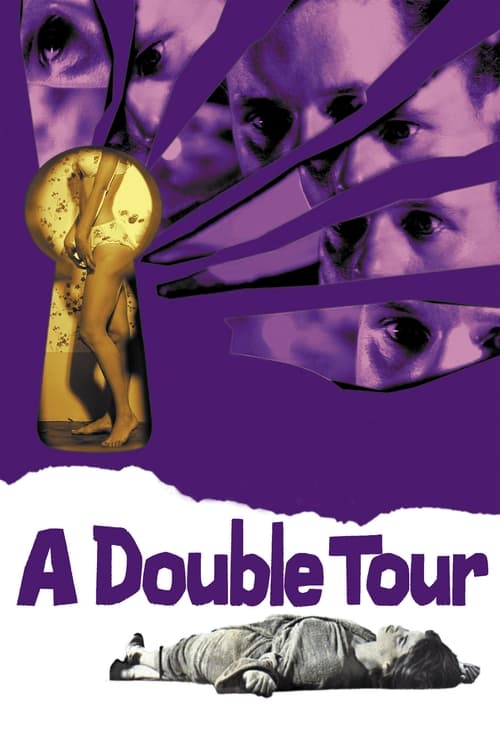
A schoolteacher mourning the death of her mother keeps an inattentive student behind one day after class, but from there things spiral, calling her ability to teach into question.
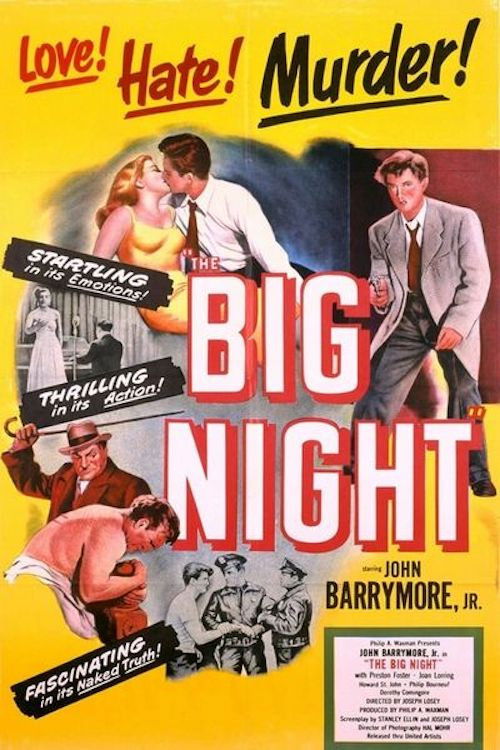
A young man zigzags through the sordid vortex of downtown Los Angeles while seeking vengeance on the man that beat his father.
The Hayworth family lives in a Quaker territory in up-state New York. The matriarch, Emily runs the local bank. Years before, she and her family took in troubled, young Jimmy Flood to protect him from his abusive father. Though one of Emily's grown daughters, Janet feels she did not belong in the quiet, devoutly religious community and left the Quakers, Emily believed that her family ties stayed strong. Real trouble comes to the family when Jimmy Flood returns to the house after busting out of prison with the help of Digby and Lester, and he takes Emily's family hostage in exchange for $4 million. If Emily fails to secure the money in time, her entire family will lose their lives. Determined to resolve the potentially deadly conflict in a peaceful manner, Emily calls an emergency meeting of the town friends to work out a solution and save her family.
Five Disturbing Stories offers us as many adaptations from the stories of the American writer Stanely Ellin. Set in Italy between Genoa, Turin and Milan, they illustrate the darkest part of our existence while the detective story derails towards a daily horror
No description available.
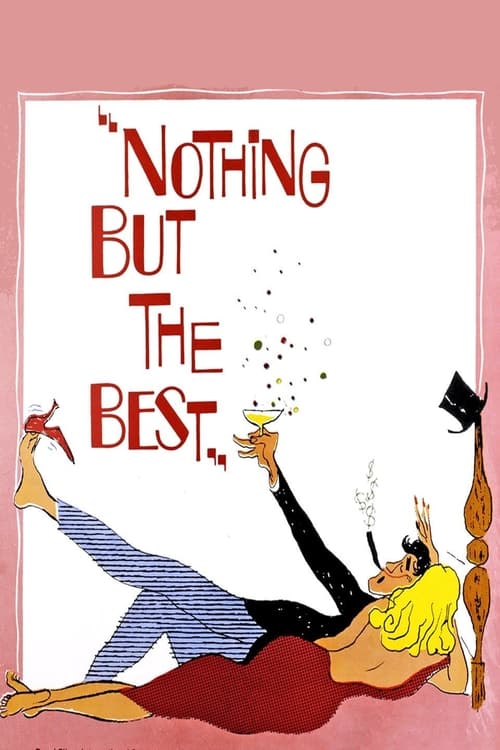
Success has James Brewster's name written all over it, and he also has his heart set on his boss's daughter. A con artist hires him to help out on a bank scheme, but then again, James will do anything to get rich and be the most successful businessman in Britain-even if it means murder!!!
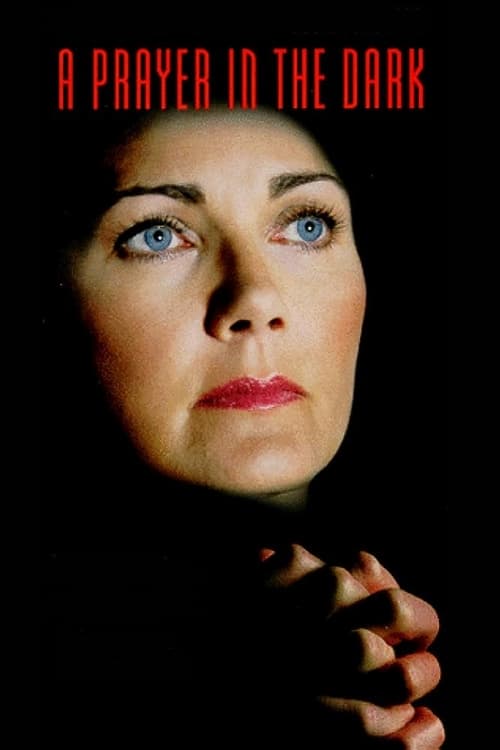
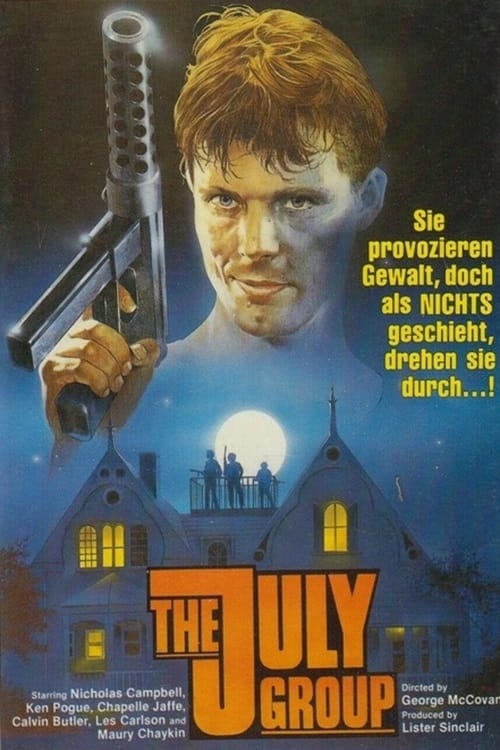
A Quaker family is held hostage by a band of bank robbers and their non-violent beliefs are sorely tested. The film also questions whether their attempt at a non-violent solution actually makes things worse for themselves and their captors. Based on Stanley Ellin's novel STRONGHOLD.
Mr. Laffler is strange. Everyone in the office he runs knows that. The clerk, Costain also knows this, so he is very surprised when his otherwise impersonal boss does something as human as inviting Costain to dinner. But not at home. At home, he says, he does not accept guests. He leads him to an inconspicuous, secluded restaurant U Sbirra, where a very closed company of strange people meet.