FEEL IT.STREAM
Inger Stevens

Inger Stevens

Acting

Biography

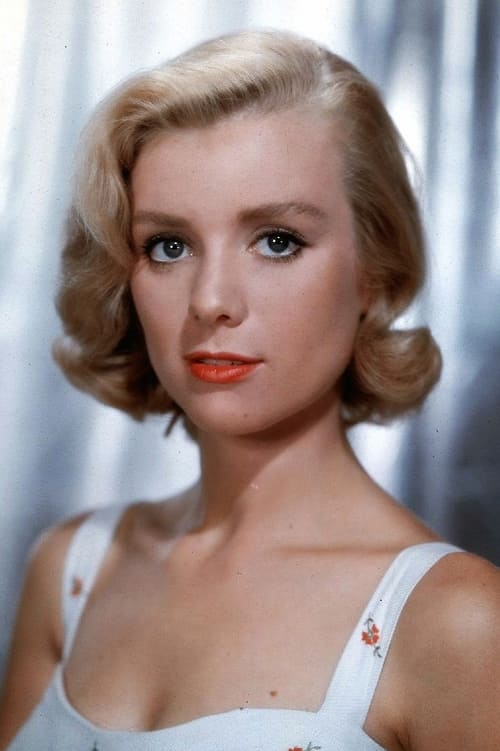
Inger Stevens (born Ingrid Stensland; October 18, 1934 – April 30, 1970)[1] was a Swedish–American film, television, and stage actress. Stevens was born in Stockholm, Sweden, the eldest child of Per Gustaf and Lisbet Stensland. When she was six years old, her mother abandoned the family (taking her youngest son Peter with her). Soon afterwards Stevens' father moved to the United States, leaving Stevens and her brother, Ola, in the custody of the family maid—and then later with an aunt in Lidingö, near Stockholm. In 1944, she and her brother moved to the United States and lived with their father and his new wife in New York City where he was teaching at Columbia University. At age 13, Stevens moved with her family to Manhattan, Kansas, where her father taught at Kansas State University. Stevens attended Manhattan High School. At 16, she ran away from home to Kansas City, and worked in burlesque shows. At 18, she left Kansas City to return to New York City, where she worked as a chorus girl and in the Garment District while taking classes at the Actors Studio. Stevens appeared on television series, in commercials, and in plays until she received her big break in the film Man on Fire, starring Bing Crosby. Roles in major films followed, including a starring role opposite Harry Belafonte in 1959's The World, the Flesh and the Devil, but she achieved her greatest success in the television series The Farmer's Daughter (1963–1966), with William Windom. Previously, Stevens had appeared in episodes of Bonanza, Route 66, The Alfred Hitchcock Hour, The Eleventh Hour, Sam Benedict The Aquanuts (1960 TV series) and The Twilight Zone. Following the cancellation of The Farmer's Daughter in 1966, Stevens appeared in several films: A Guide for the Married Man (1967), with Walter Matthau; Hang 'Em High, with Clint Eastwood; 5 Card Stud, with Dean Martin and Robert Mitchum; and Madigan with Henry Fonda and Richard Widmark. At the time of her death, Stevens was attempting to revive her television career with the detective drama series The Most Deadly Game. Her first husband was her agent Anthony Soglio, to whom she was married from 1955 to 1957. In January 1966, she was appointed to the Advisory Board of the UCLA Neuropsychiatric Institute by then-California governor Edmund G. "Pat" Brown. She also was named Chairman of the California Council for Retarded Children. Her aunt was Karin Stensland Junker, author of The Child in the Glass Ball. On the morning of April 30, 1970, Stevens's sometime roommate and companion, Lola McNally, found her on the kitchen floor of her Hollywood Hills home. According to McNally, when she called Stevens's name, she opened her eyes, lifted her head, and tried to speak, but was unable to make any sound. McNally told police that she had spoken to Stevens the previous night and had seen no sign of trouble. Stevens died in the ambulance on the way to the hospital. On arrival, medics removed a small bandage from her chin that revealed a small amount of fresh blood oozing from a cut that appeared to have been a few hours old. Los Angeles County Coroner Dr. Thomas Noguchi attributed Stevens's death to "acute barbiturate poisoning" that was eventually ruled a suicide.
Known For

Bonanza
7.5

The High-Sierra adventures of Ben Cartwright and his sons as they run and defend their ranch while helping the surrounding community.

Bonanza

1959
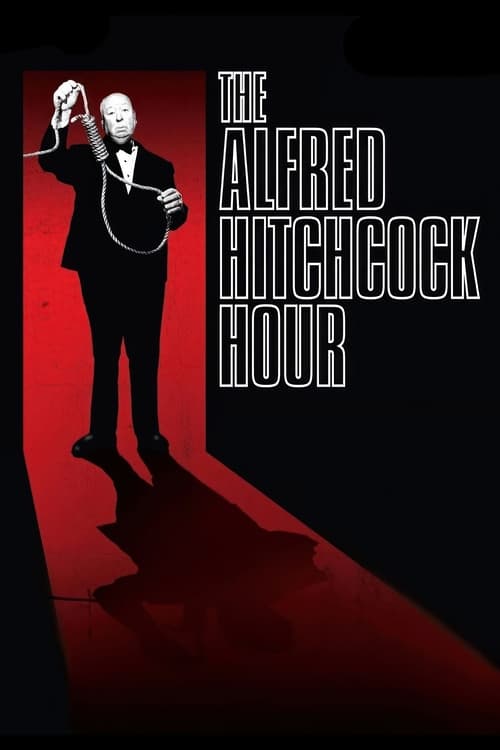
The Alfred Hitchcock Hour
7.8

A continuation of the anthology series “Alfred Hitchcock Presents”, hosted by the master of suspense and featuring thrillers and mysteries.

The Alfred Hitchcock Hour

1962
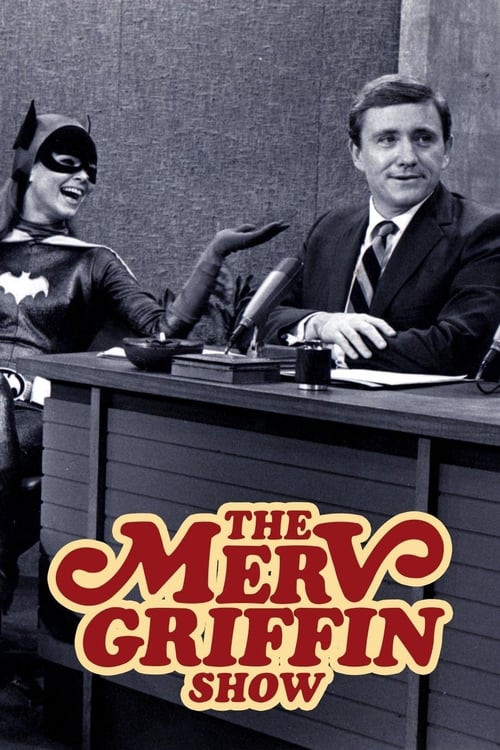
The Merv Griffin Show
6.6

No description available.

The Merv Griffin Show

1962
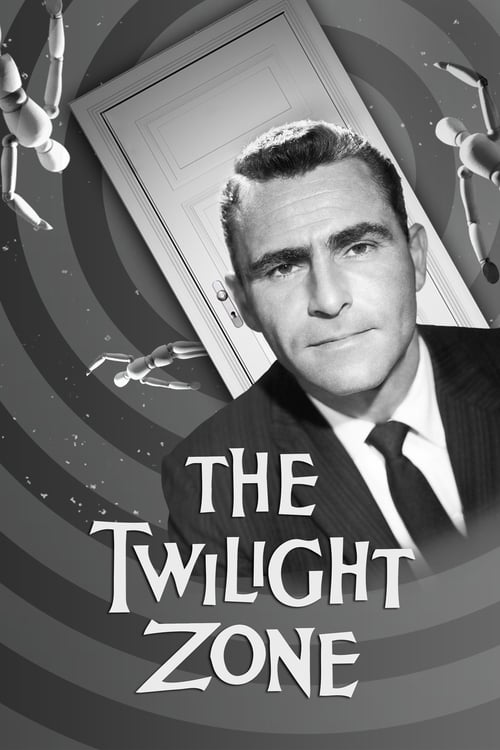
The Twilight Zone
8.5

An anthology series containing drama, psychological thriller, fantasy, science fiction, suspense, and/or horror, often concluding with a macabre or unexpected twist.

The Twilight Zone

1959
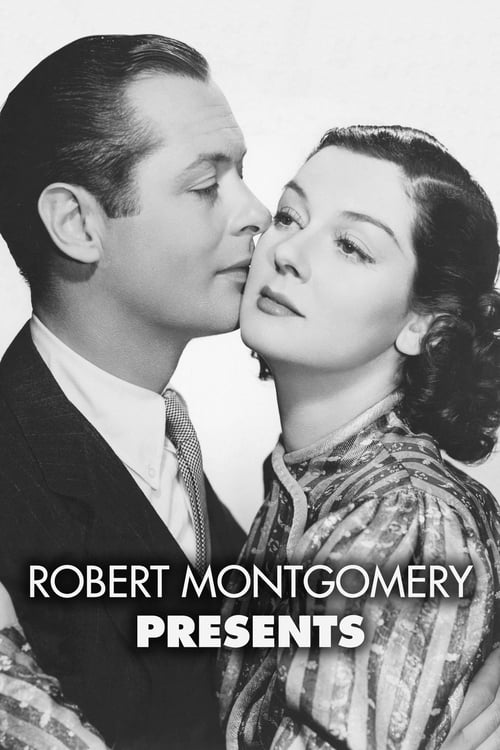
Robert Montgomery Presents
6.0

Robert Montgomery Presents is an American dramatic television series which was produced by NBC from January 30, 1950 until June 24, 1957. The live show had several sponsors during its seven-year run, and the title was altered to feature the sponsor, usually Lucky Strike cigarettes, for example, Robert Montgomery Presents Your Lucky Strike Theater, ....The Johnson's Wax Program, and so on.

Robert Montgomery Presents

1950
Climax!
3.8

Climax! is an American anthology series that aired on CBS from 1954 to 1958. The series was hosted by William Lundigan and later co-hosted by Mary Costa. It was one of the few CBS programs of that era to be broadcast in color. Many of the episodes were performed and broadcast live.

Climax!

1954
Studio One
5.4

An American radio–television anthology series, created in 1947 by Canadian director Fletcher Markle, who came to CBS from the CBC. Studio One, presented by Westinghouse, was one of the first of the anthology TV programs. The episodes were often abridged remakes of movies from years gone by and many future well-known television and movie actors appeared in the productions.

Studio One

1948
Dick Powell's Zane Grey Theatre
6.2

Dick Powell's Zane Grey Theatre, sometimes simply called Zane Grey Theatre, is an American Western anthology series which ran on CBS from 1956 to 1961.

Dick Powell's Zane Grey Theatre

1956
Matinee Theater
5.3

Matinee Theater is an American anthology series that aired on NBC during the Golden Age of Television, from 1955 to 1958. The series, which ran daily in the afternoon, was frequently live. It was produced by Albert McCleery, Darrell Ross, George Cahan and Frank Price with executive producer George Lowther. McCleery had previously produced the live series Cameo Theatre which introduced to television the concept of theater-in-the-round, TV plays staged with minimal sets. Jim Buckley of the Pewter Plough Playhouse recalled: When Al McCleery got back to the States, he originated a most ambitious theatrical TV series for NBC called Matinee Theater: to televise five different stage plays per week live, airing around noon in order to promote color TV to the American housewife as she labored over her ironing. Al was the producer. He hired five directors and five art directors. Richard Bennett, one of our first early presidents of the Pewter Plough Corporation, was one of the directors and I was one of the art directors and, as soon as we were through televising one play, we had lunch and then met to plan next week’s show. That was over 50 years ago, and I’m trying to think; I believe the TV art director is his own set decorator —yes, of course! It had to be, since one of McCleery’s chief claims to favor with the producers was his elimination of the setting per se and simply decorating the scene with a minimum of props. It took a bit of ingenuity.

Matinee Theater

1955
Route 66
6.7

After discovering that his late father has gone through most of the family fortune, Tod Stiles hits the title trans-America highway in his Corvette in search of adventure with friend Buz Murdock, a survivor of New York's mean streets. The two work odd jobs as they meet and interact with colorful characters and find themselves plunged into one situation after another, some of them romantic, some of them very dangerous. Later, Linc Case, a Vietnam war hero trying to find himself, takes over as Tod's travel companion.

Route 66

1960
Hawaiian Eye
5.6

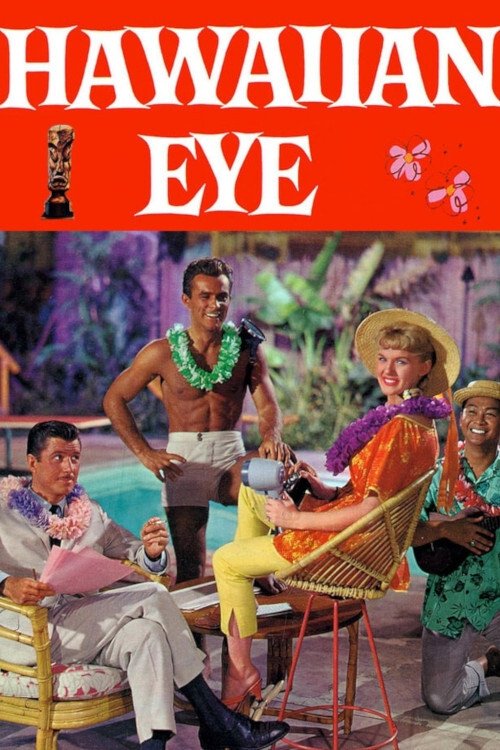
Private Eyes Tom Lopaka and Tracy Steele are based out of Hawaiian Village Resort where they work both hotel security and are hired by others to look into various matters. They're helped by their trusty right-hand man Kazuo Kim who runs a taxi company and is always eager to help them.

Hawaiian Eye

1959
The Ed Sullivan Show
6.8

The Ed Sullivan Show is an American TV variety show that originally ran on CBS from Sunday June 20, 1948 to Sunday June 6, 1971, and was hosted by New York entertainment columnist Ed Sullivan. It was replaced in September 1971 by the CBS Sunday Night Movie, which ran only one season and was eventually replaced by other shows. In 2002, The Ed Sullivan Show was ranked #15 on TV Guide's 50 Greatest TV Shows of All Time.

The Ed Sullivan Show

1948
Adventures in Paradise
6.1

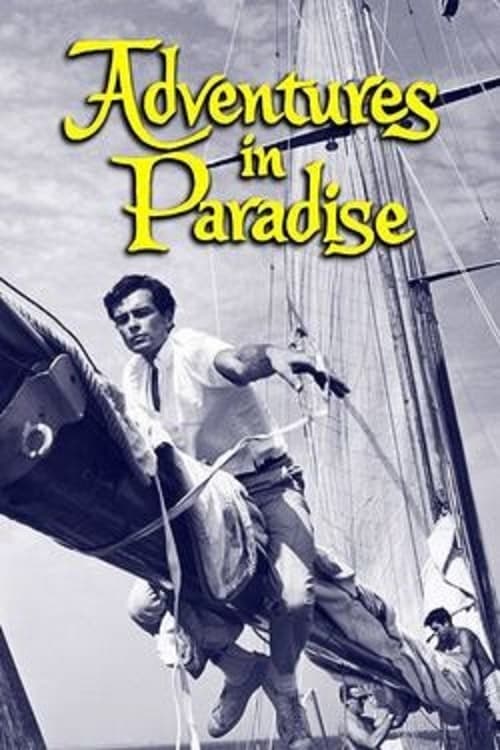
Adventures in Paradise is an American television series created by James Michener which ran on ABC from 1959 until 1962, starring Gardner McKay as Adam Troy, the captain of the schooner Tiki III, which sailed the South Pacific looking for passengers and adventure. USA Network aired reruns of this series between 1984 and 1988. The plots deal with the romantic and detective stories of Korean War veteran Troy. The supporting cast, varying from season to season, features George Tobias, Guy Stockwell, and Linda Lawson.

Adventures in Paradise

1959
Alfred Hitchcock Presents
7.8

A television anthology series hosted by Alfred Hitchcock featuring dramas, thrillers, and mysteries.

Alfred Hitchcock Presents

1955
The Detectives
6.7

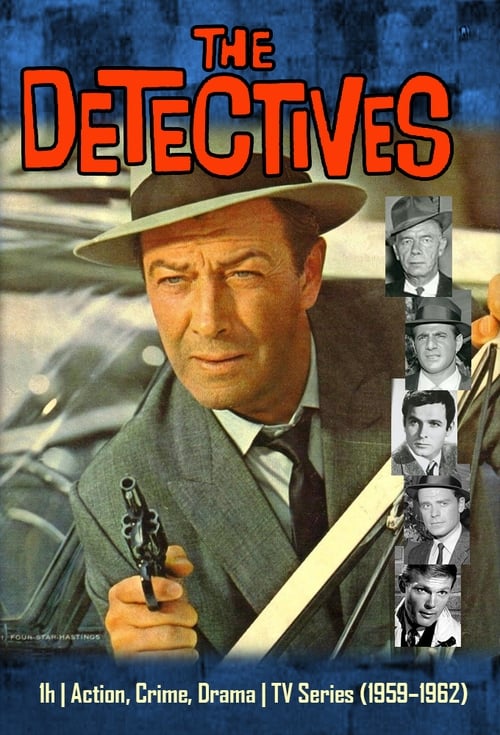
The Detectives is an American crime drama series which ran on ABC during its first two seasons, and on NBC during its third and final season. The series, starring motion picture star Robert Taylor, was produced by Four Star Television. Captain Matt Holbrook (Robert Taylor) is head of the detective division of a large metropolitan police force—a man whose devotion to duty, professional brilliance, and quick judgment are reflected in his 20-year career on the force. His aides, Lt. Johnny Russo (Tige Andrews), Lt. Otto Lindstrom (Russ Thorson), and Sgt. Chris Ballard (Mark Goddard) form a team that is both proficient and warmly human. The stories stress the interrelationships between the men as well as the solutions to crimes and the apprehension of criminals, adding a dimension of human drama to the excitement, action, and suspense inherent in each story of the detectives' difficult, sometimes thankless, and frequently dangerous assignments.

The Detectives

1959
The Millionaire
5.8

An anthology series that explored the ways sudden and unexpected wealth changed life for better or for worse. It told the stories of people who were given one million dollars from a benefactor who insisted they never know him, with one exception.

The Millionaire

1955
The Danny Kaye Show
7.0

The Danny Kaye Show is an American variety show hosted by Danny Kaye that aired on CBS from 1963 to 1967 on Wednesday nights. Directed by Robert Scheerer, the show premiered in black-and-white, but later switched to color broadcasts. At the time, Kaye was at the height of his popularity, having starred in a string of successful films in the 1940s and '50's, made successful personal appearances at such venues as the London Palladium, and appeared many times on television. His most recent films had been considered disappointing, but the television specials he starred in were triumphant, leading to this series. Prior to his television and film career, Kaye had made a name for himself with his own radio show, and numerous other guest appearances on other shows.

The Danny Kaye Show

1963
Armstrong Circle Theatre
4.5

Armstrong Circle Theatre is an American anthology drama television series which ran from 1950 to 1957 on NBC, and then until 1963 on CBS. It alternated weekly with The U.S. Steel Hour.

Armstrong Circle Theatre

1950
The Dick Powell Show
5.7

The Dick Powell Show is an American anthology series that ran on NBC from 1961- 1963, primarily sponsored by the Reynolds Metals Company. It was hosted by longtime film star Dick Powell until his death from lymphatic cancer on January 2, 1963, then by a series of guest hosts until the series ended. The first of these was Gregory Peck, who began the January 8 program with a tribute to Powell, recognizing him as "a great and good friend to our industry." Peck was followed by fellow actors such as Robert Mitchum, Frank Sinatra, Glenn Ford, Charles Boyer, Jackie Cooper, Rock Hudson, Milton Berle, Jack Lemmon, Dean Martin, Robert Taylor, Steve McQueen, David Niven, Danny Thomas, Robert Wagner and John Wayne.

The Dick Powell Show

1961
Sam Benedict
6.7

Sam Benedict is an American legal drama that aired on NBC from September 1962 to March 1963. The series was created and executive produced by E. Jack Neuman. Sam Benedict is based on real-life lawyer Jacob W. "Jake" Erlich, who served as technical consultant for the series.

Sam Benedict

1962