Directing
Italian silent film
Based on Henrik Ibsen's play from 1890-
In Naples in the second half of the nineteenth century, a young noblewoman falls in love with a nobleman of ill repute.
Italian silent film.
No description available.
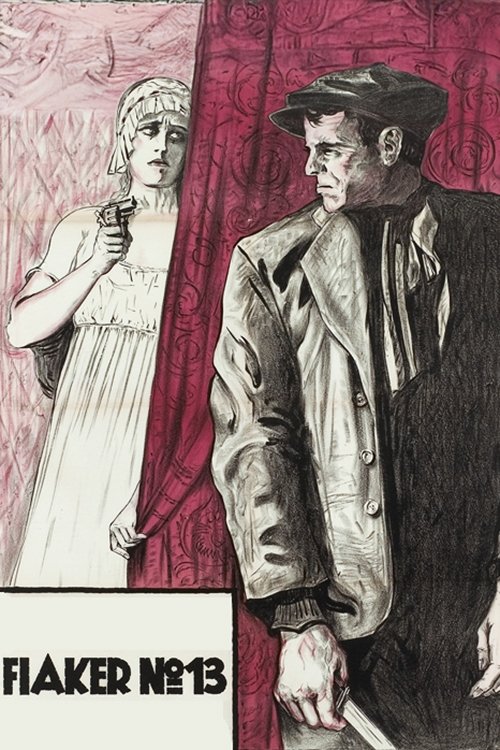
Il Fiacre n. 13, from the novel of the same title by Xavier Henri Aymon Perrin, Count of Montépin, a highly prolific and much-loved author whose books were vehicles for the depiction of social inequality, narrating stories of love, death, betrayal, blackmail, and redemption. The sweeping narrative of Il Fiacre n. 13 was mutilated by the Italian censor’s suppression of its first part, the most cynical episode, which sets the scene for a scheme discernable in the other three episodes, as the story develops from a sordid murder through plotting and deceit to finally reach a happy ending.
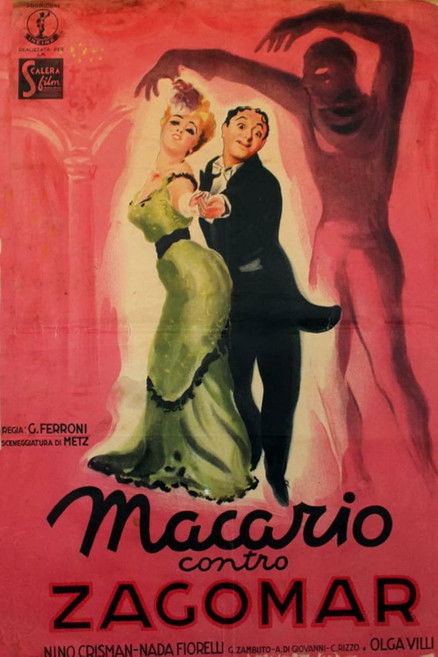
In Paris, the dreaded Zagomar kidnapped the daughter of a scientist to force him to deliver his latest discovery: a machine that "blocks" over time. Macario, the assistant teacher, decides to confront this elusive bandit that lurks in the bowels of the city.
Pierrot and Pierrette fall in love. But soon, Pierrette meets another man... Only the first part of the movie (282m, 16min) is preserved.
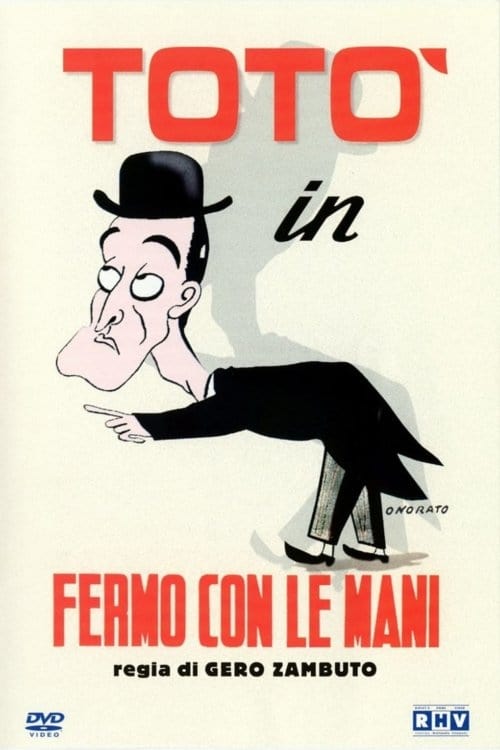
In his first feature, great Italian clown Totò plays a carefree tramp moving from job to job, in order to provide for himself and his young Shirley Temple-like protégée.
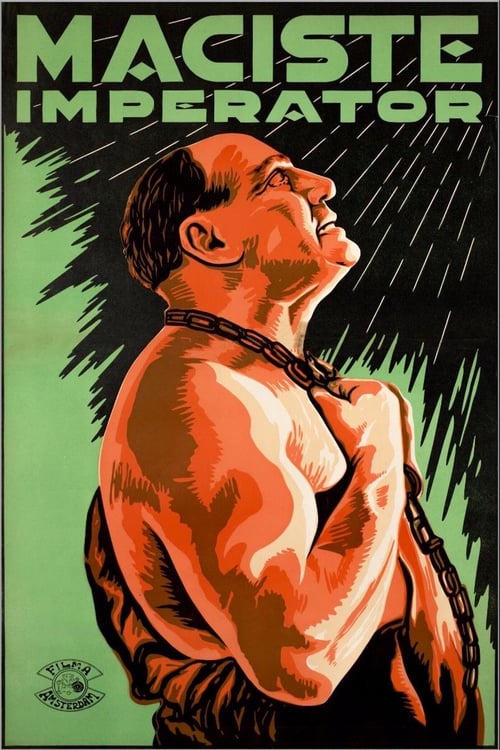
Maciste takes advantage again of a break of acting in order to wash away injustice and castigate the wicked, this time in the name of dynastic legitimacy. Otis, the prince of Sirdagna kingdom, lives undercover in a foreign land, waiting to ascend the throne; Stanos the evil ruler though, is willing to do anything in order to prevent the legitimate prince installation. The court is a dangerous place, Otis is young and naïf: in order to solve the situation, Maciste, following the advice of his friend Saetta, temporarily takes Otis’s place, and presents himself as the legitimate prince. The crowd, enamored by his good looks, applauds him immediately as the emperor.
An Italian comedy from 1943.
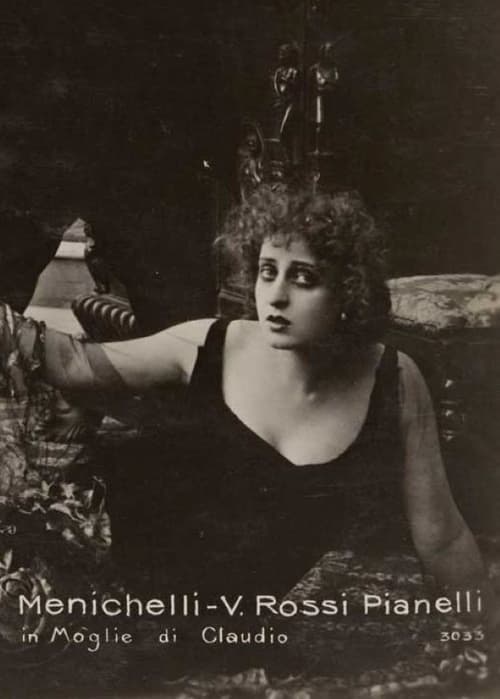
Claudio is married to Cesarina, a frivolous and unfaithful woman. After the death of their only son their marriage is cold. While his wife lives her free life, Claudio is dedicated to the development of sophisticated weapons, elaborating the project of a new cannon; but smitten by the virtuous Jew Rebecca he can not surrender to his feelings because his religion prevents him from getting a divorce.