Acting
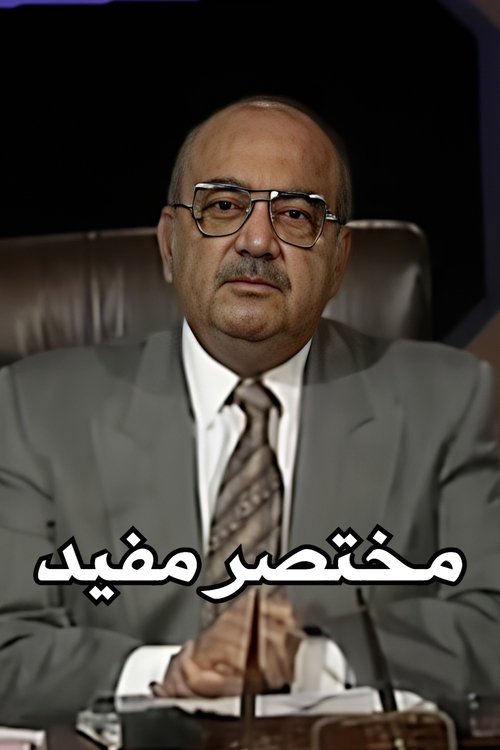
Mukhtasar Mufid is a 1992 Syrian socio‑political dramedy blending drama, light comedy, and documentary‑style observation. Through episodic stories led by Abbas Al‑Nouri, the series examines everyday Syrian life, civic behavior, and the pressures shaping social and political awareness. With sharp commentary and grounded performances, it explores moral dilemmas, public institutions, and the contradictions of ordinary citizens navigating a changing society.
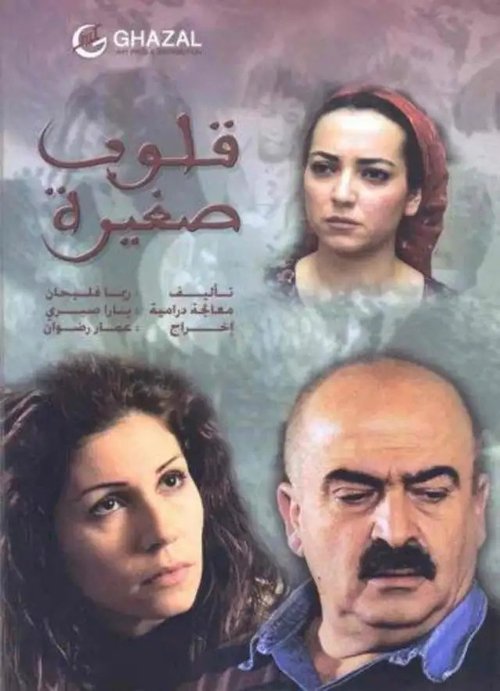
The series tackles a number of negative contemporary social phenomena, shedding light on the challenges encountered by young people, like violence against children, poverty, homelessness, begging, slave trade, motherhood, family disintegration, and honor crimes.
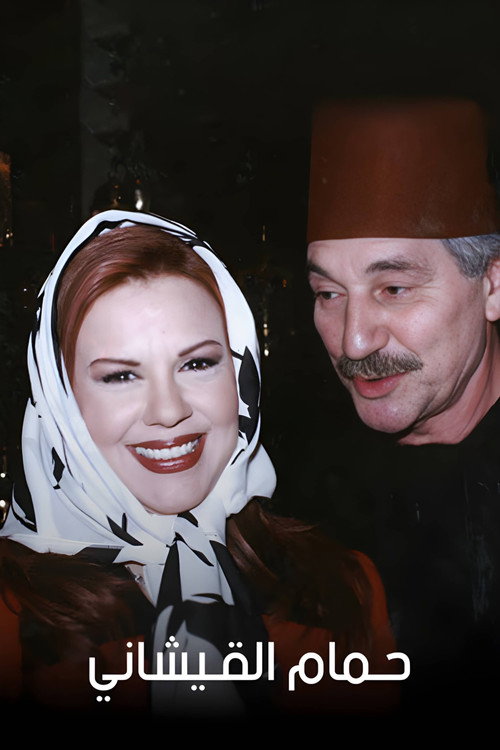
The series goes into details of the events that Syria went through between the years 1955-1959, including the tripartite aggression against Egypt in 1956, the establishment of unity between Syria and Egypt, and the revolution against the monarchy in Iraq, through the Qishani neighborhood, where its people work as merchants, lawyers, doctors, intellectuals and other works.
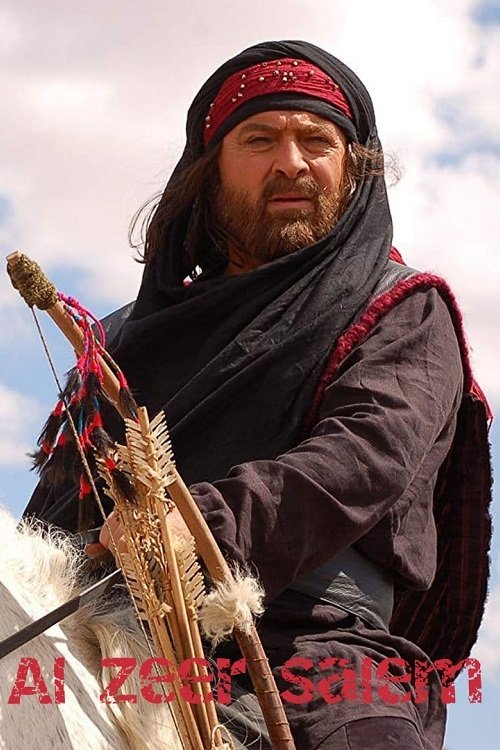
Chronicling the Basus War between two Arabian tribes and their allies, the drama follows the emergence of renowned Arab figure, Al Zeer Salem.
A drama series that tells the story of the coastal environment during the era of the French mandate in Syria, especially the environment of fishermen in light of the exploitation and greed of some people and the bitter struggle of others against the French occupier.
The series examines the change in the composition of the Syrian family, through the life of a number of Damascene families that are connected by a number of intertwining relationships, as love blossoms between the lawyer Riyad El Emary and the interior designer Riad El Merady.
No description available.
The series revolves around the exploitation of women by men in society, through the stories of three friends—Rateb, Wahib, and Abu Adnan—who are involved in illegal activities, and the story of Zuhair, who exploits runaway girls in immoral activities.
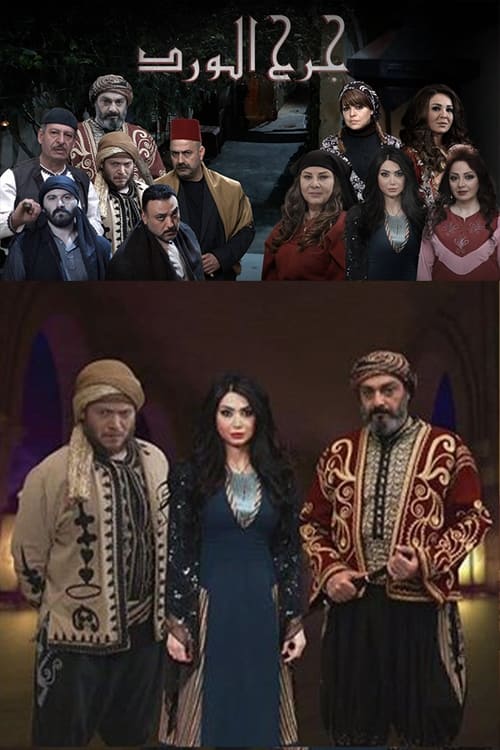
The events take place inside a Damascus neighborhood in two time periods separated by 15 years, during the period that preceded the liberation of Damascus from the Ottoman occupation, and the period of the Ottoman control over the neighborhood, as a strong conflict erupts among the notables of the neighborhood to respond to and resist it.
Essam and Ragaa experience unsolvable problems and disputes over one of Essam's colleagues. These disputes increase to affect their children negatively over time.
The events revolve around the Levantine environment and the social problems that permeate it, during the period of the French occupation of the country.
Since her childhood, Hassiba has lived in suffering with her father because of the French occupation of Syria, as she moves with him from one place to another in search of security. She continues her struggle journey when she grows up and takes the path of resistance against the occupiers.
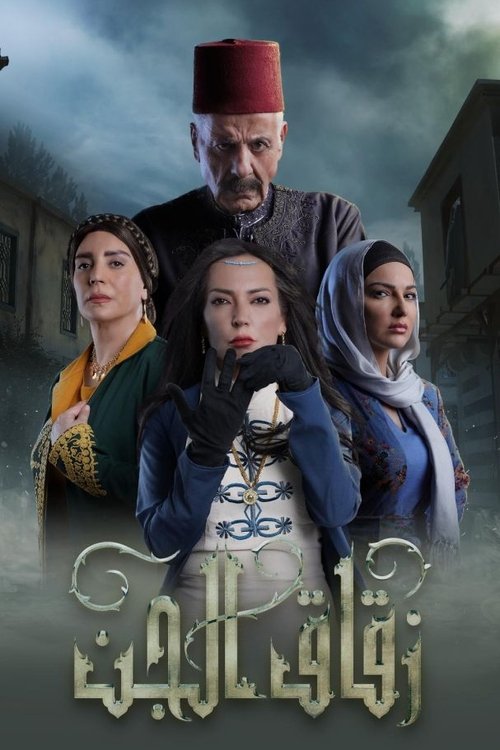
The story of Nassar Ibn Oraibi, a fighter against injustice, that sheds light on the life in the Damascus neighborhood and the role of one woman who becomes responsible for the house and her four daughters in light of her husband's absence during the Hajj.
Nader is lost between his parents, who are experiencing a struggle between love and hate, Lulia, who is persecuted by her stepmother, Dalal, whose hatred for her stepdaughter reaches the point of attempting murder. Dalal considers Lulia the reason for her unhappiness, but when Lulia leaves her life, she discovers her mistake. Tahseen her husband can only run away from problems and cannot solve any of them.
The events take place in the 1940s, after Nouri leaves prison, a major conflict arises between him and Abu Adnan, coinciding with the assassination of the doctor, Abdul Rahman Al Shahbandar.
This series chronicles the story of the Islamic leader Khalid Bin Al Walid as he grows up into one of the greatest leaders of the Islamic conquests.
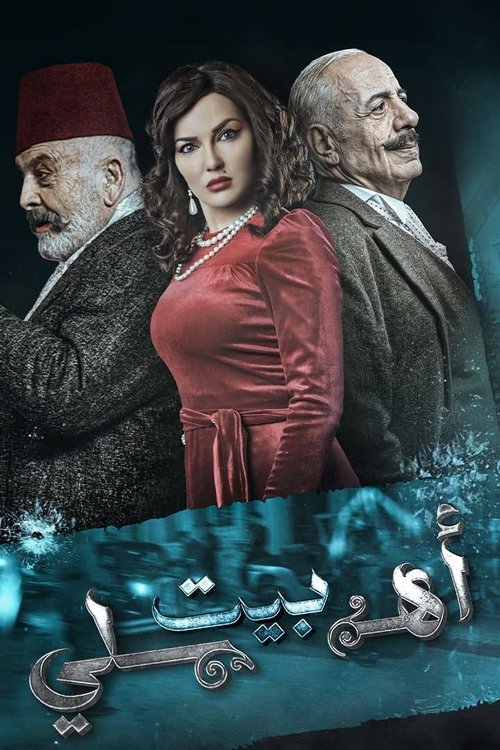
The events revolve around the cruel and tyrannical Abu Nadhir, who seeks to control the lives of his family members without any regard for the psychological pain he causes them, while it becomes clear that there are secrets in his life and his past returns to haunt him.
This 30-episode television series falls within the genre of contemporary social dramas with a comedic tone. It presents a group of characters who work at the same institution, each dealing with their own concerns, problems, desires, and dreams. These issues affect both their personal and professional lives, as the challenges of the workplace follow them home, impacting their family dynamics. Likewise, the hardships of daily life influence their performance at work.
An epic love story between a well-to-do blind girl and a rebel, set against a historical background spanning 60 years of conflicts, secrets and intrigue.
A social drama that shows how contradictory qualities can bring people together, and how the Levantine society witnesses manifestations of love, hatred, violence, possessiveness and domineering control of the weak. But a reckoning is coming for everyone