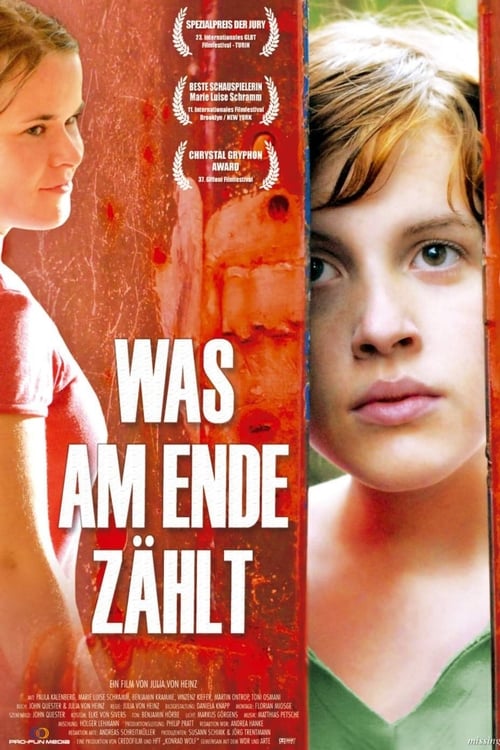
Production
Susann Schimk is a German film and television producer.
No description available.
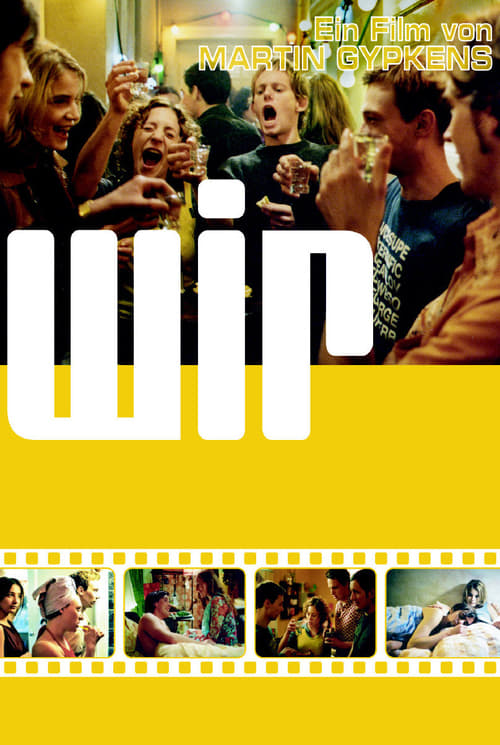
A summer trip to Berlin offers a fleeting glimpse into the lives of the country's youth in this vibrant, character-driven drama from director Martin Gypkens. When twentysomething Florian arrives in town to pay a visit to long-lost pal Pit, the duo quickly reminisce before heading out to a party. Soon meeting up with many of Pit's acquaintances, the film follows various intersecting lives as they are woven to create an intricate, microcosmic look at life's ups and downs as seen through the eyes of Germany's youth.
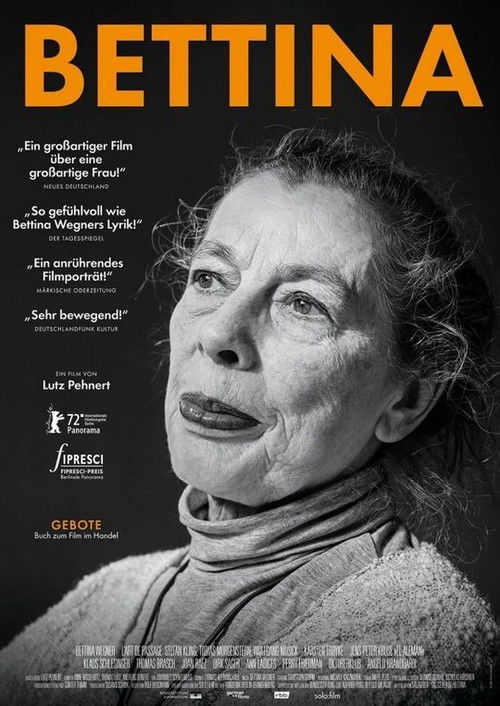
A biography set in East and West Berlin in which singer-songwriter Bettina Wegner, born in 1947, sings about life in the GDR, her feelings of being uprooted in West Berlin, and looks back with humour and honesty on a life of resistance.
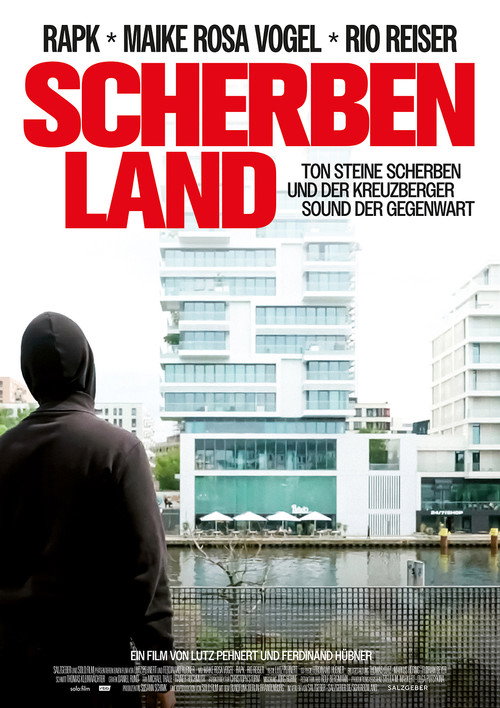
Spanning 50 years, the documentary traces a path through the Berlin district of Kreuzberg, linking the legacy of the rock band "Ton Steine Scherben" - best known for their work in the 1970s - with their successors.
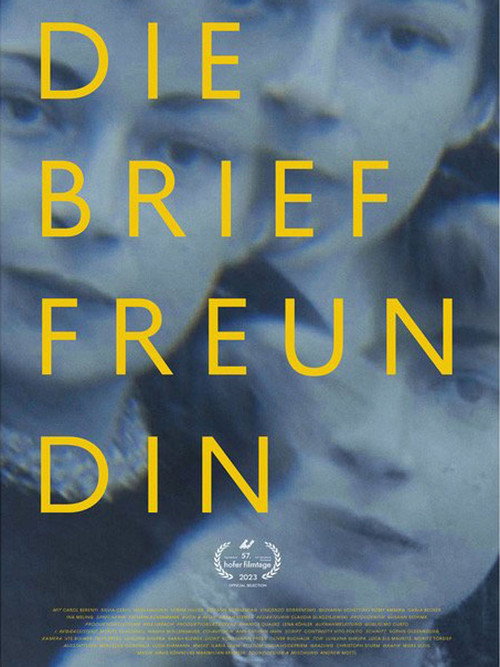
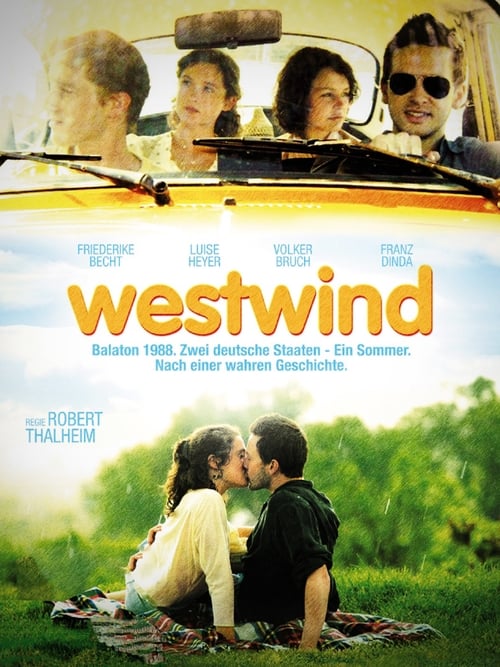
Set in the Summer of 1988 and based on real events, the film tells the story of East-German twins Isabel and Doreen, two aspiring oarswomen, whose lives are changed dramatically during a training camp at Lake Balaton in Hungary. There, the girls make the acquaintance of West-German friends Arne and Nico. The holiday flirt soon turns serious when Doreen and Arne fall in love. As the end of their stay approaches, Arne asks the inseparable sisters to flee to the West with him…
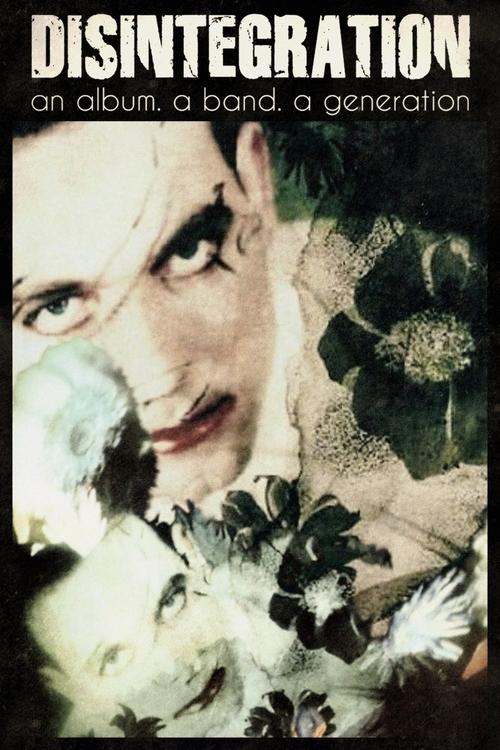
Over the course of a fifty-year career, the British band The Cure has released fourteen highly successful studio albums; but it was their 1989 album Disintegration, released during a pivotal year for Europe and the world, that would capture the imagination of so many fans.
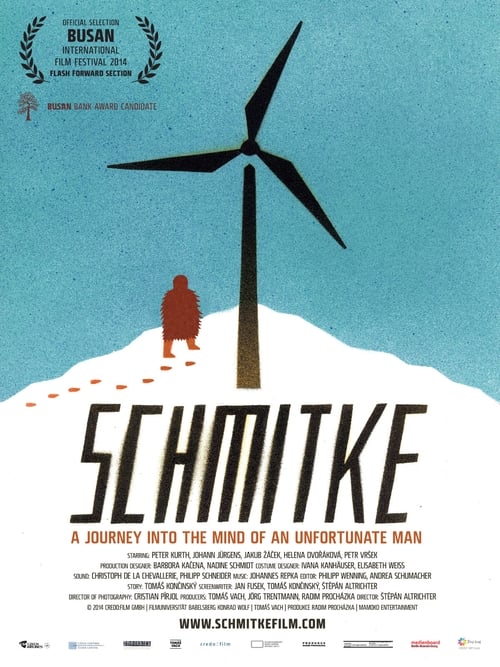
Schmitke is an old German wind turbine engineer. One day, he is dispatched to the Czech side of the Ore Mountains to fix an old squeaking wind turbine. His colleague disappears and mysterious things begin to happen in the forest.
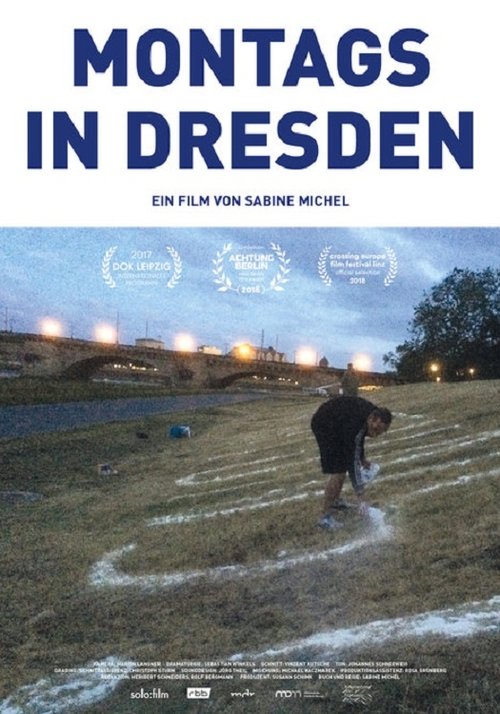
Their names are René, Sabine and Daniel – three people among thousands of others who go on to the streets of Dresden every Monday as “Patriotic Europeans Against the Islamisation of the West”. They shout “We are the people!” They claim “Merkel must go!” The director Sabine Michel accompanied them for one year – on their demonstrations and in their daily lives. Merkel Must Go is not a film about PEGIDA, it asks for the personal reasons for this patriotic protest, a film about realistic and absurd fears of the present.
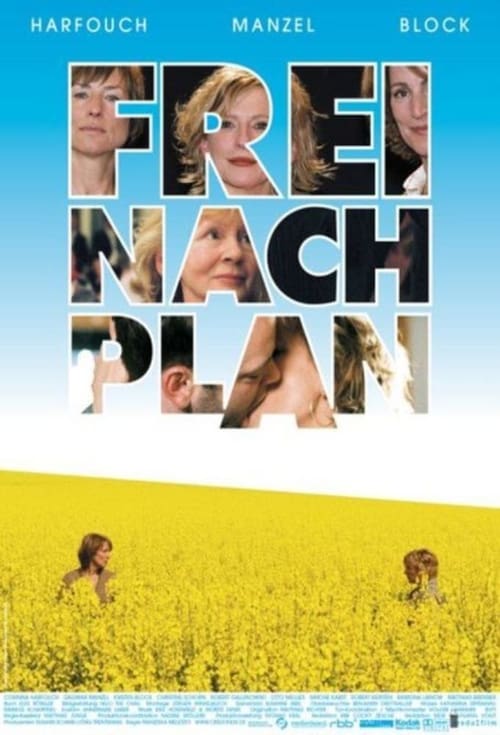
It's mom's birthday and her three daughters want to throw a big party. But everything turns out differently. It's not just because the divorced dad arrives a few days early and brings his much-too-young new girlfriend with him, or because the birthday girl has to stage the end of the world with her village theater group.
Tristan is into fashion design while his parents take care of the rest. Sunny is a drag queen and a money boy, living life on the explosive side. When they meet, things go boom all of a sudden - and when they fall in love with each other, they embark on a road trip beyond their wildest imagination.
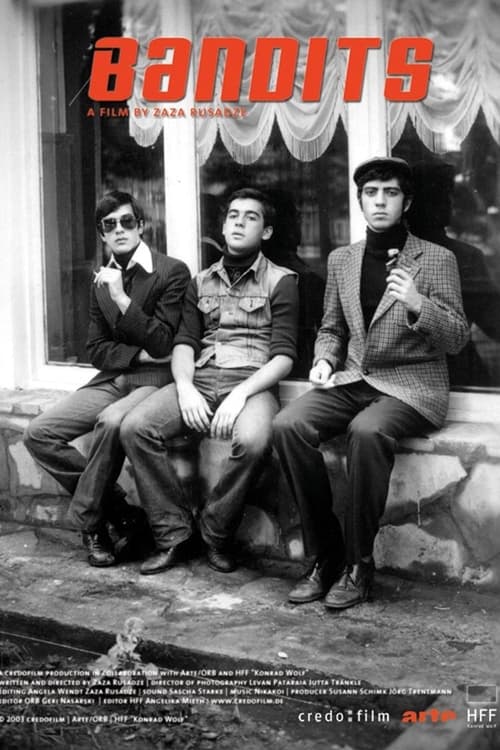
Retraces the roots of the escapade of a group of Georgians in their twenties who hijacked an Aeroflot passenger plane on November 18, 1983 from Tbilisi.
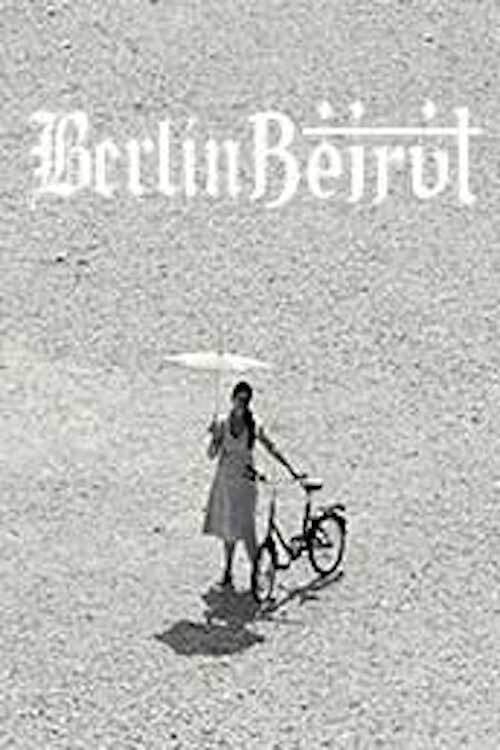
Berlin and Beirut were occupied, destructed, divided, reconstructed and today people still say "East and West" in both cities. Through the whole film Berlin and Beirut become one city. One space. A space where you feel the weight of the past and the lightness of life sharing with Myrna her stories, adventures and memories.
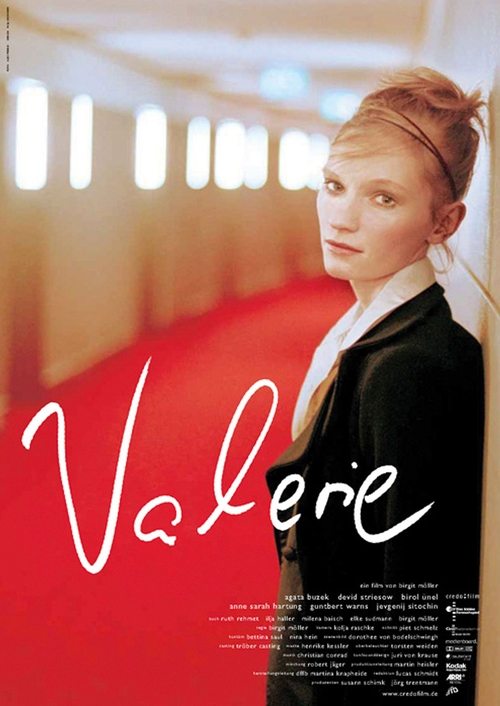
When a photo model gets replaced by a batch of new younger prettier girls, her life of riches melts in front of her eyes and she's forced to live like a homeless person in a parking lot of a high class hotel she once lived in.
Despite having lived in the East German countryside for several months, teenager Lars and his dad, Henrik, are still treated as unwelcome guests. Henrik is building a “marriage barn,” a proposed bed-and-breakfast for newlywed Berliners.
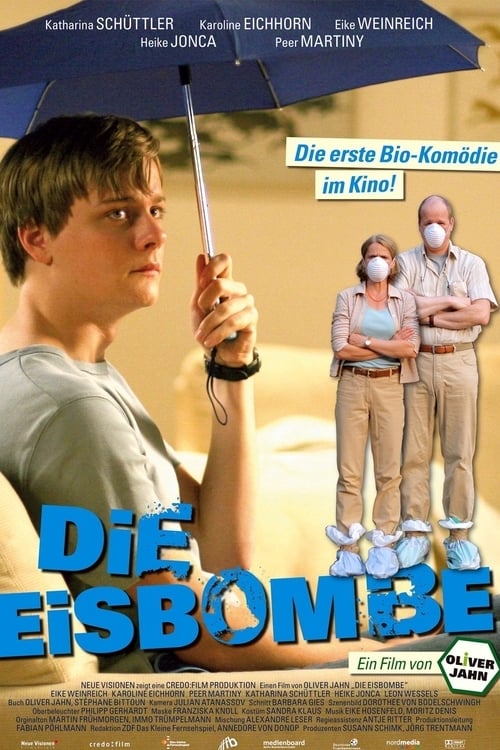
A family in eco-fever. The Schuhmann Weils are radical environmentalists and mother their 19-year-old son like a small child. One day, when a chunk of ice hits the family home and the family seek shelter in a bomb shelter, Tom seizes the opportunity to escape to freedom and self-determination...
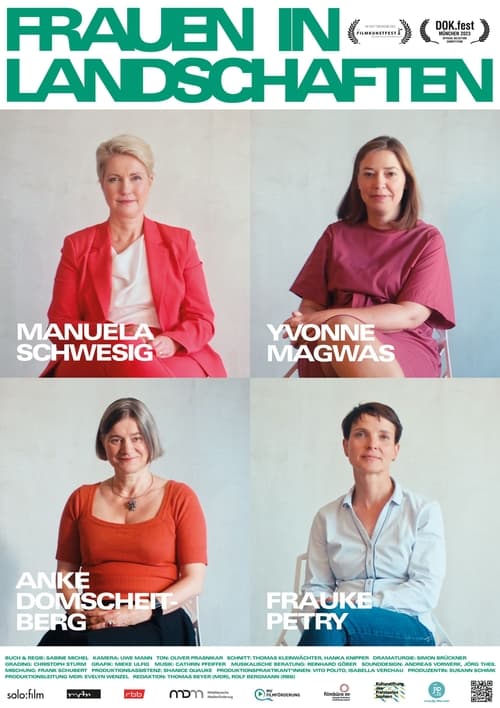
Four female politicians with East German backgrounds - Anke Domscheit-Berg, Manuela Schwesig, Yvonne Magwas and Frauke Petry - analyse German history and their own life stories.
Six directors, one film: in episodes, they recall their experiences at the end of the GDR and the fate of a family under National Socialism. They talk about making films despite censorship, about the search for opportunities. They tell of losses, of leaving, of staying and of love in exile. A film about the longing for home and the endurance of friendships.
At the end of the Cold War, something new arised that should influence an entire generation and express their attitude to life. It started with an idea in the underground subculture of Berlin shortly before the fall of the Wall. With the motto "Peace, Joy, Pancakes", Club DJ Dr. Motte and companions launched the first Love Parade. A procession registered as political demonstration with only 150 colorfully dressed people dancing to house and techno. What started out small developed over the years into the largest party on the planet with visitors from all over the world. In 1999, 1.5 million people took part. With the help of interviews with important organizers and contemporary witnesses, the documentary reflects the history of the Love Parade, but also illuminates the dark side of how commerce and money business increasingly destroyed the real spirit, long before the emigration to other cities and the Love Parade disaster of Duisburg in 2010, which caused an era to end in deep grief.
Carla, the runaway with high aims. Lucie, the street girl. Interchanged identities and a shared baby. Collage of a fateful year.