Acting
Les Cinq Dernieres Minutes is a crime based French television series
Les Cent Livres des Hommes (ORTF, 1969-1973) was a series of literary programs created by Claude Santelli and Françoise Verny, and produced notably by Santelli, Jean Archimbaud, and Serge Moati. Planned for one hundred episodes but completed at thirty-nine, the series aimed to introduce great literary works, 'chefs-d’œuvre', to a younger audience through a mix of dramatization, reading, and documentary techniques. It marked a transfer of cultural legitimacy from writers and critics to a generation of television producers, offering a new model of educational and creative literary broadcasting - 'télévision d’auteur'.
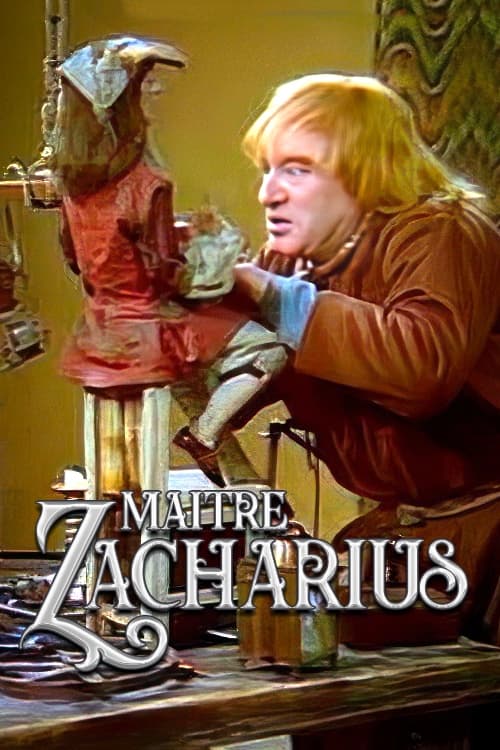
Master Zacharius, the village watchmaker, dreams of giving a soul to the automatons he manufactures. A mysterious young man bursts in and seems to want to charm the watchmaker's daughter. After his passage, all the clocks go haywire, causing trouble. How far is Zacharius willing to go to get what he wants?
No description available.
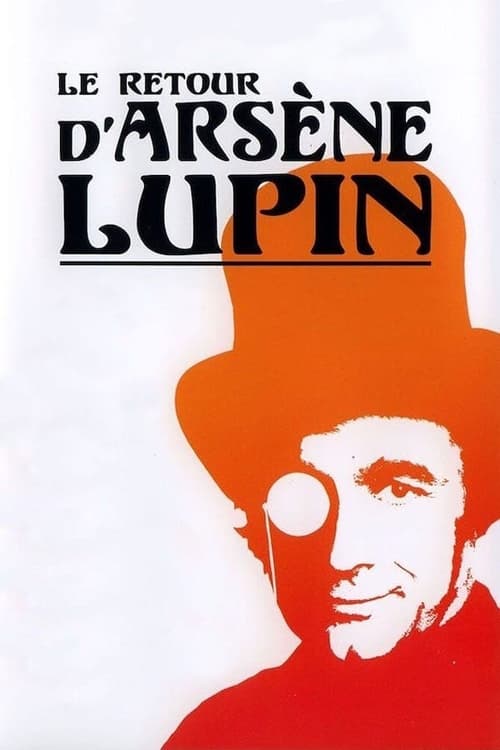
The Return of Arsène Lupin (1989) is a French crime television series consisting of 12 episodes, each approximately 55 minutes long, broadcast on FR3 between November 1989 and January 1990. It features the famous gentleman thief created by Maurice Leblanc, played here by François Dunoyer, in a more mischievous and modern interpretation than his predecessors, which retains the hero's refinement and intelligence while immersing him in stories with international overtones, with a more contemporary tone for the late 1980s.
TV Show Details
In a desolate Paris suburb, no one dares challenge crime boss Hagen, who rules his turf with an iron fist. That includes his former friend Chet, who vows to keep to himself in order to protect his loved ones. But Hagen keeps pushing his buttons… and Chet can only stand for so much before he explodes.
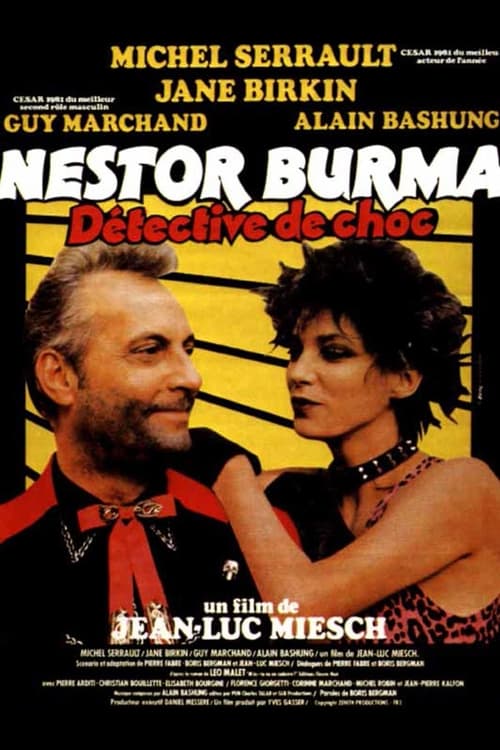
Detective Nestor Burma begins an investigation into the corrupt drug-ridden punk rock music world.
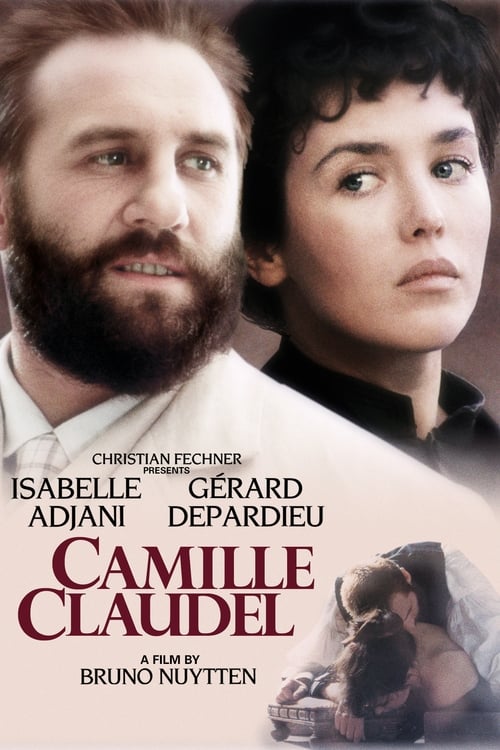
The life of Camille Claudel, a French sculptor who becomes the apprentice of Auguste Rodin and later his lover. Her passion for her art and Rodin drive her further away from reason and rationality.
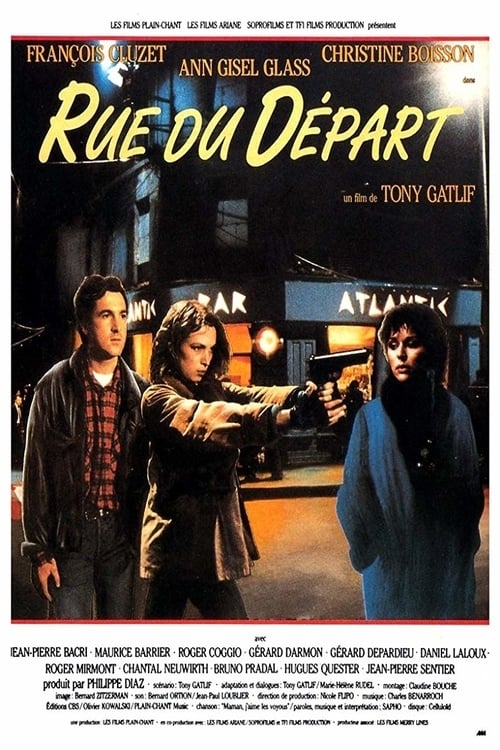
Leaving prison, Paul goes to the port. That's where he lived and where he got caught. This is also where his father died. And before leaving to try his luck elsewhere, Paul wants to avenge him.
France, 1893. Joseph Bouvier attempts to shoot his love who refused to marry him and to commit suicide. Upon release from the filthy asylum where he was placed, with bullets still remaining in his head, he wanders the country roads and rapes and murders many teenagers over years. The judge Rousseau captures him, but to serve his ambition seeks to avoid that Bouvier is simply declared insane.
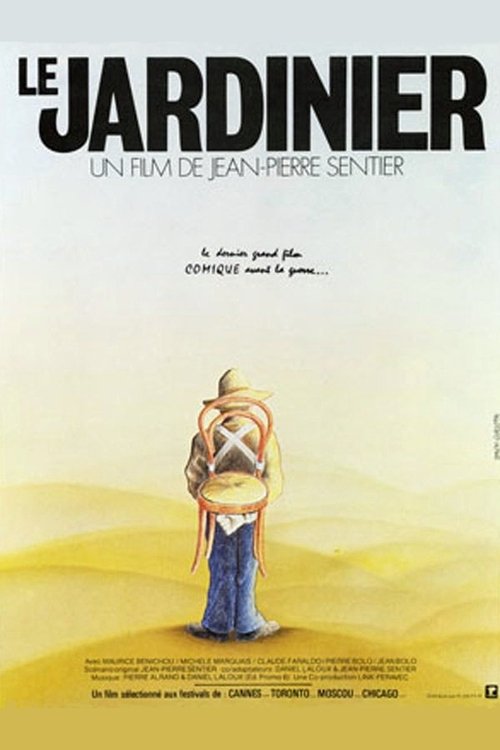
This is a surreal comedy is about a factory set in a barren landscape that dispenses a minute portion of water to stragglers carrying pans as receptacles. Inside, the workers seem to be doing nothing that makes any sense, and they are watched over by a periscope set up by twins who run the factory. An unexplained, plain woman living on the premises is sought after by the whimsical foreman (Maurice Benichou) -- also known as the "gardener" because he has planted flowers in the coal wagons that remain on a maze of train tracks -- the only "stock" owned by the company.
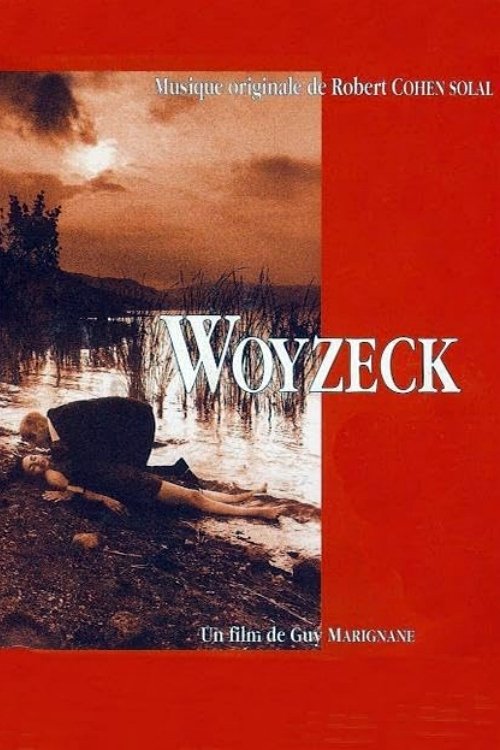
In a crumbling military outpost, Woyzeck—a weary soldier—drifts between duty and despair, haunted by silence and the wind. His wife Marie, restless and unloved, falls for the pompous Drum Major, igniting a spiral of humiliation and betrayal. Mocked by his superiors and beaten by his rival, Woyzeck retreats to the pond where only his child offers comfort. As madness and sorrow converge, he makes a tragic choice on a moonless, blood-stained night—finally expressing the love he never could.
In the debacle of the battle of Vitoria in Spain in 1813, Pierre Cursey was robbed of the horses of his unit by a fugitive. He is taken prisoner and sent to a floating pontoon. He managed to survive but vowed to find the traitor who had put him through hell. He finds him two years later in a village in the Dordogne. Francois Lemercier is the town's shoemaker and above all the captain and hero of the local soule team, a ball game that dates back to the Middle Ages. Cursey will discover in Lemercier a man of chivalrous honor.
Lili is twenty years old, has an English mother, a magician father, a voice from elsewhere and a gift that only children know: the power of her own desire. It all starts with a summer night: that summer, Lili and Bruno will find love.
Young - beautiful - married, fulfilled, Martha is bored. Passive in an active society, she took a first step by serving as a "guinea pig" to her brother researcher who undertook a comparative study on animal behavior and human behavior.
This is rural France. It's the summer of 1943, the weather is fine and sunny and life is sweet. On one of these beautiful days, Nanette, a fourteen-year-old peasant girl, meets a slightly injured young man near the farm she lives on. Her life is about to change forever.
1957. For several months, Henri Charlègue, the ex-director of the newspaper "Alger democratic", banned, has been living in hiding. Suspected of belonging to the FLN, he is actively sought by paratroopers.