Sound
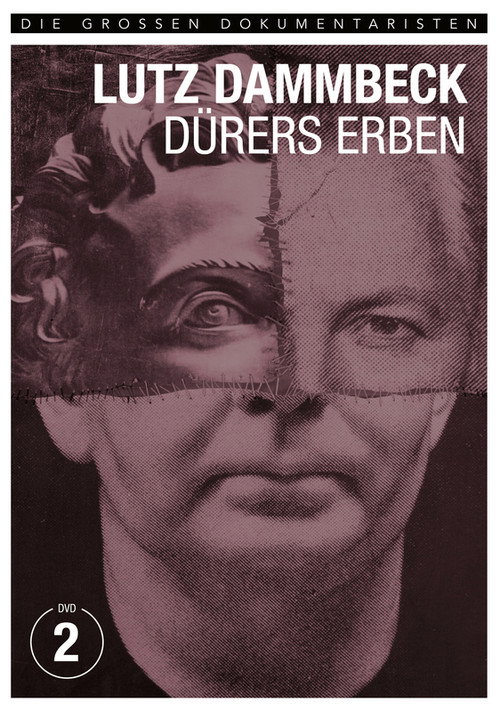
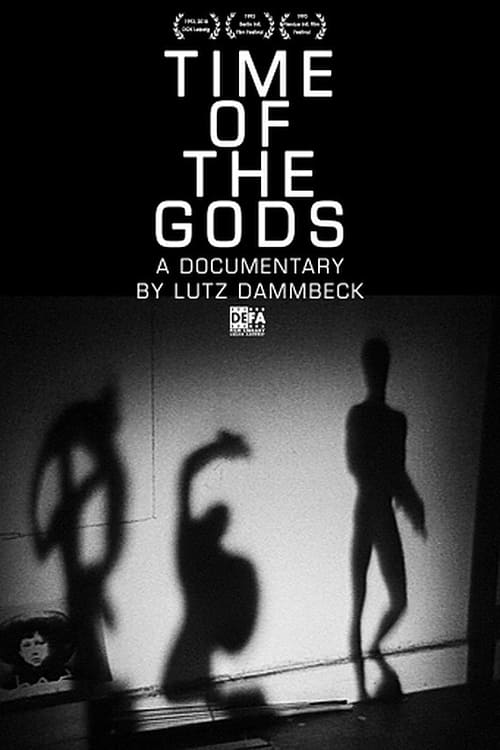
Dammbeck, himself an alumnus of the Leipzig Academy for Graphic and Book Design, presents the origins of the new German realism developed by the so-called Leipzig School, which took place in the context of socialist-realist dogma in the GDR before the Wall was built in 1961. After the Wall came down in 1989, what happened to the major Leipzig School painters Werner Tübke and Bernhard Heisig, who had been called “Dürer’s red heirs” by West German journalists in the 1970s? In the film, Tübke, Heisig, and former GDR officials who were involved with the cultural scene in Leipzig at the time talk about modernism, conformism, political pressure, party discipline, personal claims, and fading memory. The documentary paints an insightful, often critical picture of early East German art history.
At the Vienna Art Academy in 1994, an unidentified person painted over 27 works by Austrian painter Arnulf Rainer. Rainer had become world-famous for his abstract art and, in particular, for his over-layering of photographs and overpainting of his own and other artists’ works. But who painted over the “overpainter”? Speculation rages: Did he attack his works himself? A year later, an unsigned letter surfaces claiming responsibility for the act directed against Rainer – and modern art in general – and accusing the artist of being complicit with “destructive modernism.” At the same time, Austria is shaken by a series of mail bombs by the Bajuwarian Liberation Army, in response to the supposed threat to Austria’s “German identity.” Are there connections between the overpainting event and the mail bombs? Or is this all just a game? A dream? Or perhaps a hallucination?
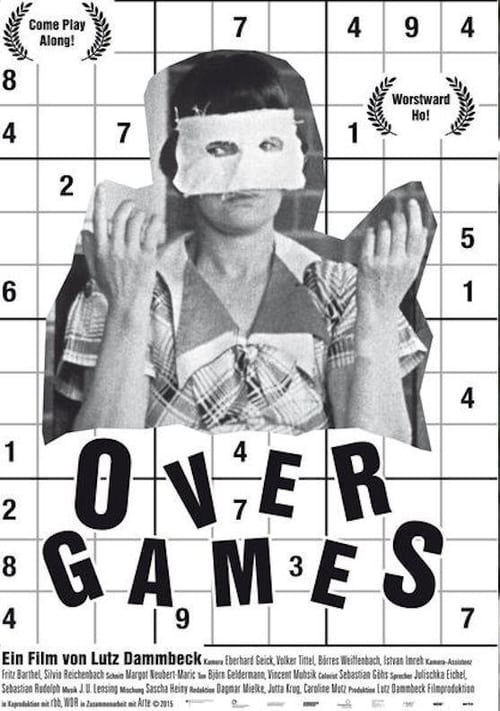
On a talkshow, actor and German TV ikon Joachim Fuchsberger recalls how the games for his show "Nur nicht nervös werden" (Don't Get Nervous), first broadcast on West German TV in 1960, were developed along the lines of American psychiatry. Asked "So how many crazy people watched you?", he responded: "A whole crazy, psychologically disturbed nation". Why were the Germans or to be more precise, the West Germans, a psychologically disturbed nation at that time? This is a film about cheerful and serious games, therapies for re-education and self-imposed re-education, as well as the history of the idea of permanent revolution. Those appearing include directors and producers of gameshows, psychiatrists, anthropologists, and the diversely paranoid.
No description available.
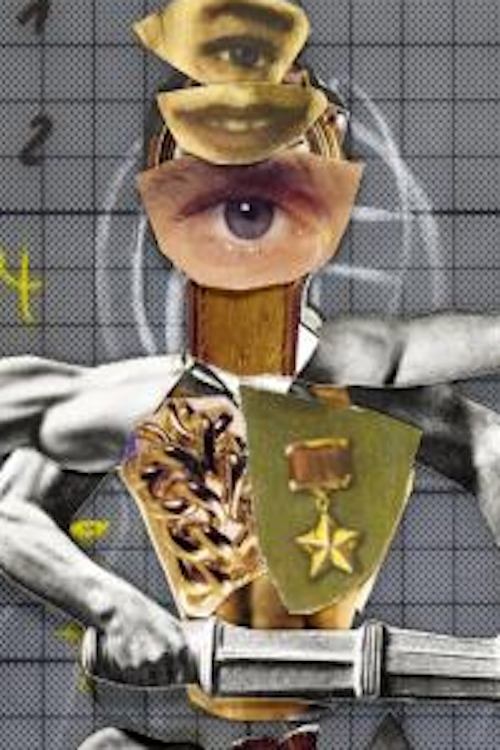
Despite seeing his film project HERCULES rejected by DEFA Studios in 1983-84, Dammbeck remained fascinated by the Hercules story. He started experimenting with different media combinations, using overpainting, photography, film clips, collage, painting, and movement. These experiments resulted in groundbreaking multimedia collaborations, as well as the film THE CAVE OF HERCULES, in which Dammbeck explores a series of questions inspired by this classical figure. Who was the legendary hero Hercules? Is there a new Hercules today? How are heroes created in a totalitarian society? What are the virtues of heroes? This multi-layered experimental film combines projections of collected film clips, quotations from “The Willful Child” by the Brothers Grimm, and “Hercules 2 or the Hydra” by Heiner Müller, as well as dance scenes with Eva Schmale that were performed – at Kampnagel in Hamburg – specifically for the film.
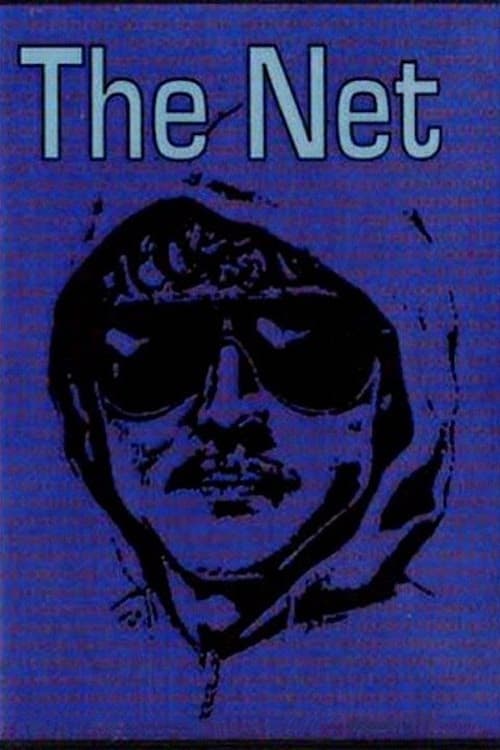
Explores the incredibly complex backstory of Ted Kaczynski, the infamous Unabomber. This exquisitely crafted inquiry into the rationale of this mythic figure situates him within a late 20th century web of technology—a system that he grew to oppose. A marvelously subversive approach to the history of the Internet, this insightful documentary combines speculative travelogue and investigative journalism to trace contrasting countercultural responses to the cybernetic revolution.
The film explores what transformations in power and politics do to art, how much opportunism can be found in “pure” art and whether fascist symbols can ever regain their aesthetic innocence. The questions it addresses about the relationship between ethics and aesthetics make a valuable contribution to any discussion about art and power.