Sound
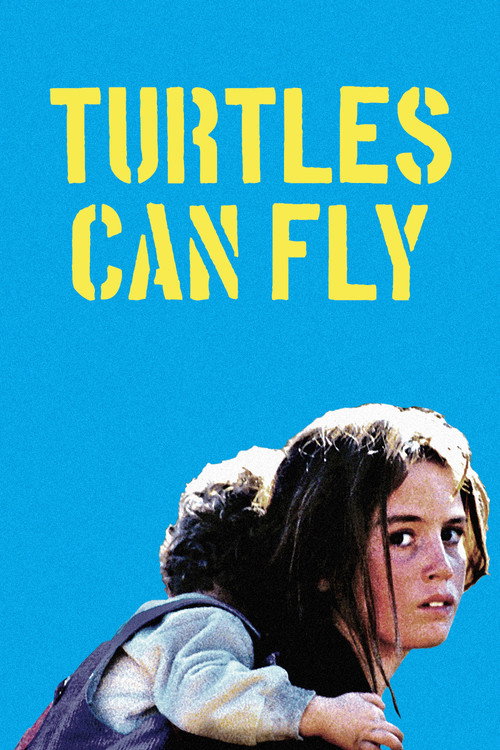
Turtles Can Fly tells the story of a group of young children near the Turkey-Iraq border. They clean up mines and wait for the Saddam regime to fall.
The story of young musicians who tried to look at and react to Iranian music in a different way in 1970s.
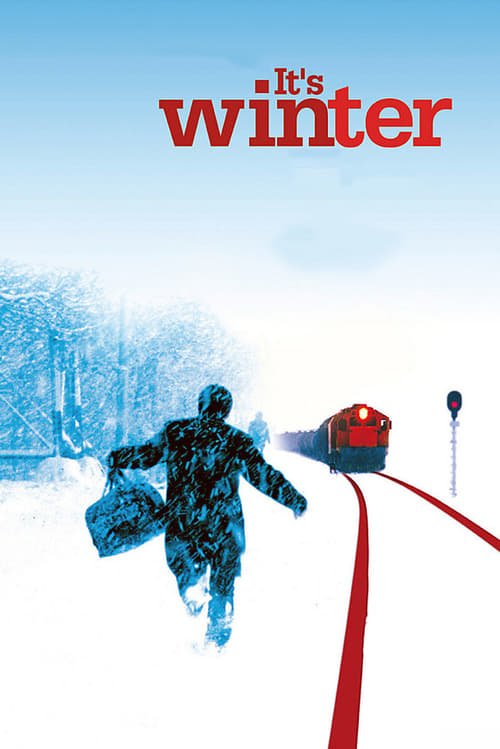
Unemotional, restrained cinematographic poem, situated in a wintry and poor suburb of Tehran. A man is dismissed and his lack of prospects for the future make him decide to seek his happiness abroad. He leaves his wife and child behind and for a long time nothing is heard of him. Then a stranger turns up, a car mechanic looking for a job. The attractive single mother can’t resist his attentions. Very subtly, a struggle ensues that reflects that of a whole generation of young doubting Iranians who may want to leave the country, but hardly know how to start.
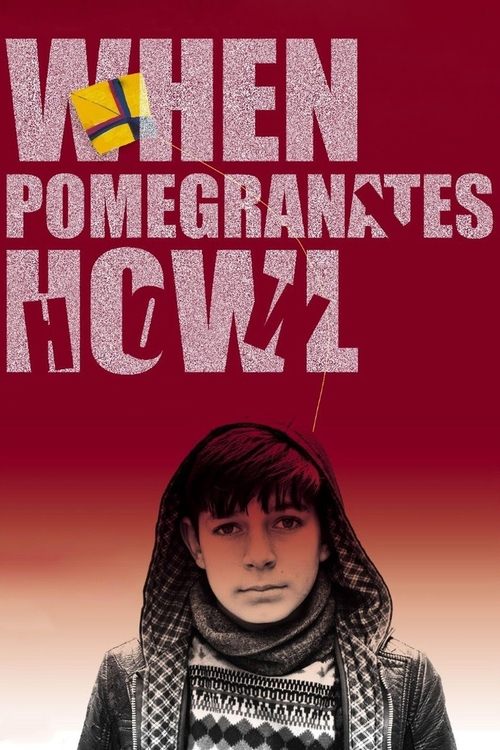
Shot on the streets of Kabul, Granaz Moussavi’s (My Tehran For Sale) outstanding new feature is in the tradition of the great child-centred works of the 1980s when filmmakers such as Kiarostami, Panahi and Amir Naderi (to whom this film is dedicated) were putting Iranian cinema in the forefront of world production. 9-year-old Hewad is an irrepressible, street-smart kid who is energetically working every angle, hustling everything from pomegranate juice to amulets to protection from the evil eye. His real ambition is to be a movie star, and this comes a step closer when he meets an Australian photographer. But in a city where every family has a member who has been “martyred,” the streets are as perilous as they are vivid. Australia’s recent involvement with Afghanistan has been mixed, to say the best. The deeply-felt humanism of this film might just be our most effective contribution to that troubled country.
Jonathan Demme helms this musical documentary that shines a light on the eclectic sounds of songwriter-musician Enzo Avitabile.
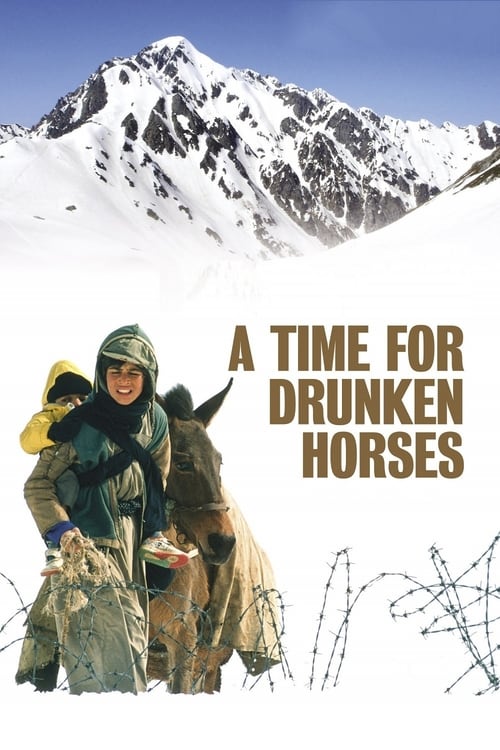
After their father dies, a family of five children are forced to survive on their own in a Kurdish village on the border of Iran and Iraq.
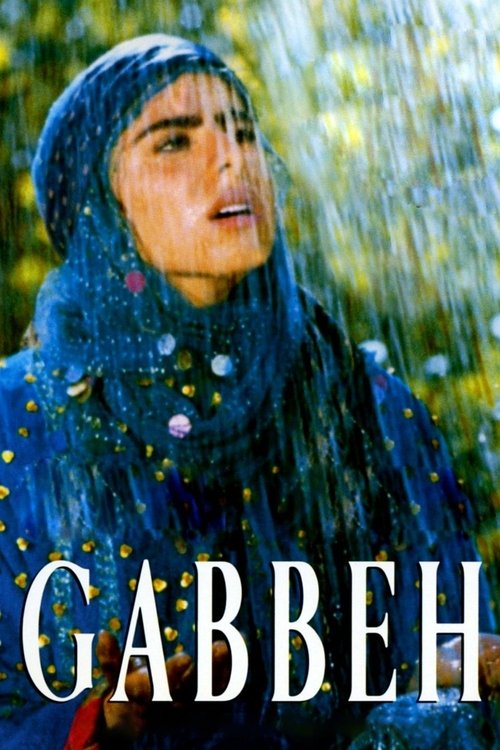
An elderly couple go about their routine of cleaning their gabbeh, while bickering gently with each other. Magically, a young woman appears, helping the two clean the rug. This young woman belongs to the clan whose history is depicted in the design of the gabbeh, and the rug recounts the story of the courtship of the young woman by a stranger from the clan.
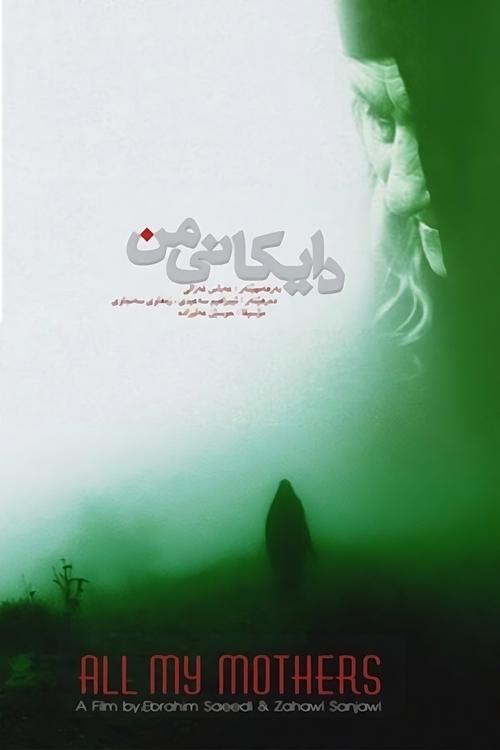
During the 30 years of the Baath ruling under Sadam in Iraq thousands of Iraqi Kurds and Shiites were either killed or disappeared. Around 182,000 people lost their lives when 4500 villages and townships were destroyed in Kirkuk, Soleimanieh, Dahouk and Erbil regions with the aim to exterminate the Kurds and to arabize Kurdistan. Having found one of the mass graves after 24 years in the southern deserts of Iraq, became the basis of a movie describing the living conditions of these villages inhabited by mostly mothers, daughters, wives or sisters of those victims.
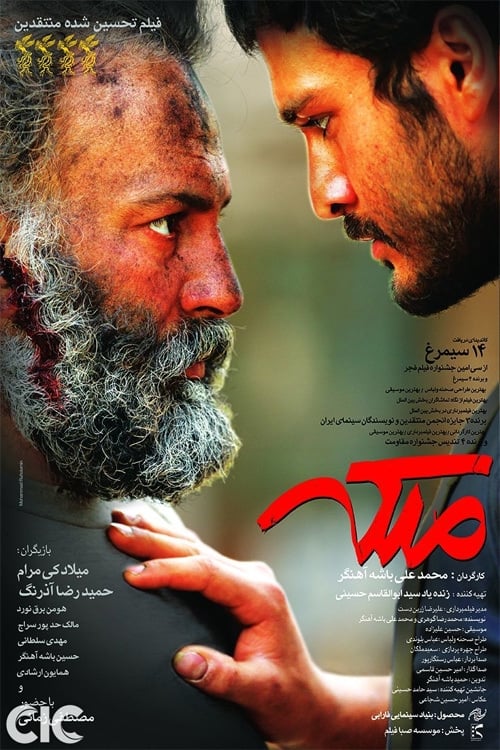
During the war between Iran and Iraq, a scout (Milad Keymaram), in the Abadan Oil Refinery, tries to reveal geographical coordinates of Iraqi soldiers' ambushes for Iranian army forces to kill them easily by bombardments. Meanwhile, he confronts with the soul of the previous killed scout (Mostafa Zamani) who did the same which makes a challenge for him, between his own human deep feelings and killing innocent people of enemy ...
Mamo, an old and legendary Kurdish musician living in Iran, plans to give one final concert in Iraqi Kurdistan. After seven months of trying to get a permit and rounding up his ten sons, he sets out for the long and troublesome journey in a derelict bus, denying a recurring vision of his own death at half moon. Halfway the party halts at a small village to pick up female singer Hesho, which will only add to the difficulty of the undertaking, as it is forbidden for Iranian women to sing in public, let alone in the company of men. But Mamo is determined to carry through, if not for the gullible antics of the bus driver.
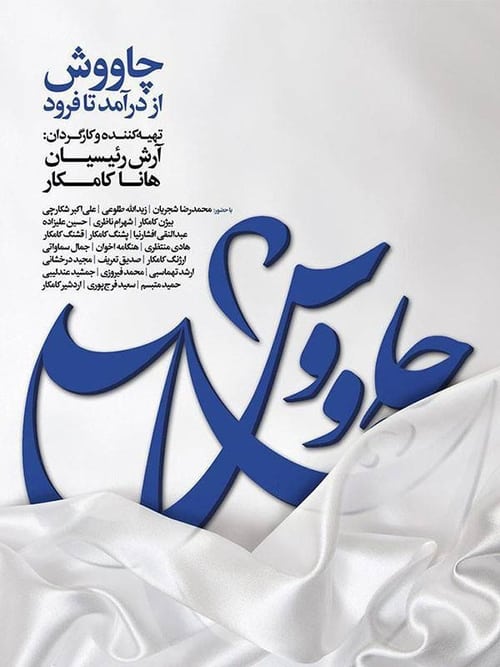
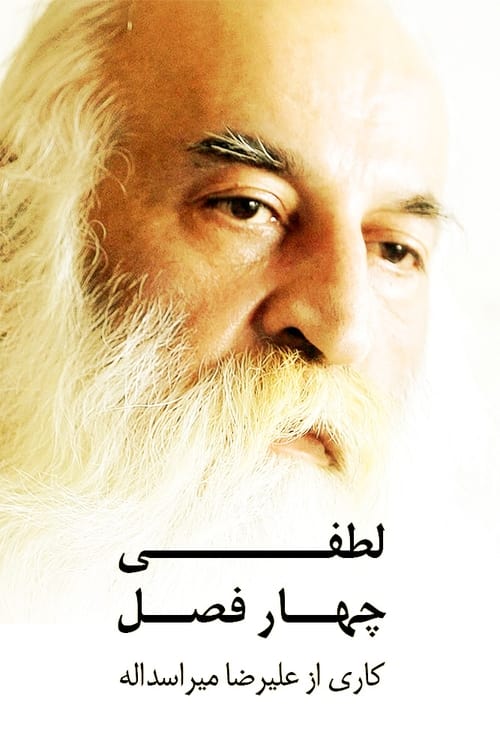
This Documentary takes a look at the art life of Maestro "MohammadReza Lotfi", the great master of "Târ", "Setâr"; great composer of Persian traditional music and the father of art of improvisation in "Dastgâh" music. by interviewing some of the greatest Iranian traditional music maestros and his close friends such as: MohammadReza Shajarian, Hossein Alizâdeh, Bizhan Kâmkâr, Houshang Ebtehâj (a.k.a Sâyeh), Majid Derakhshâni and a lot of other great musicians, the film narrates the life of Lotfi in 4 seasons of his life, from the spring until winter.
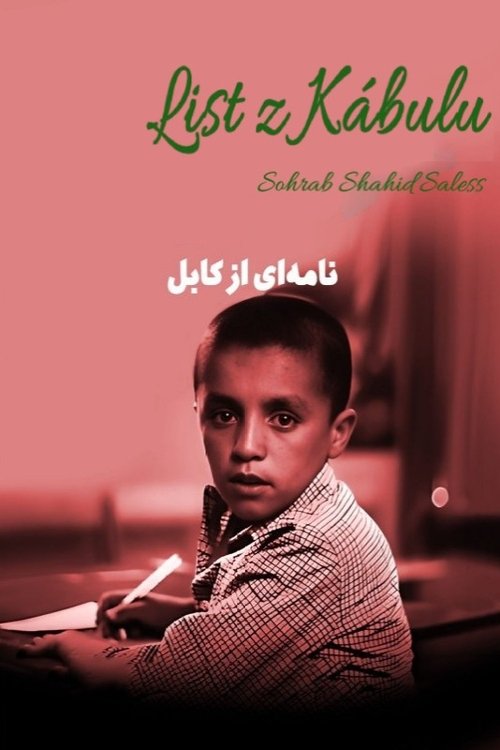
The nine-year-old Mahmud writes a letter to his 'friends in distant countries' and reports on life in Kabul during the years of the Afghan revolution and counter-revolution.
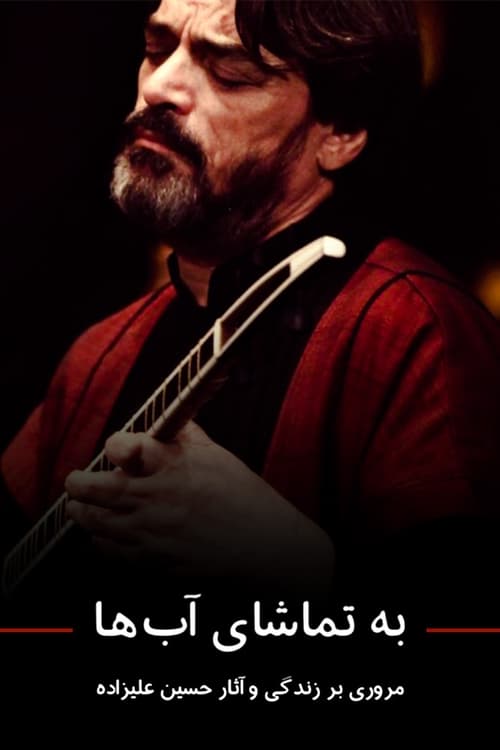
An overview of Hossein Alizadeh's life and works
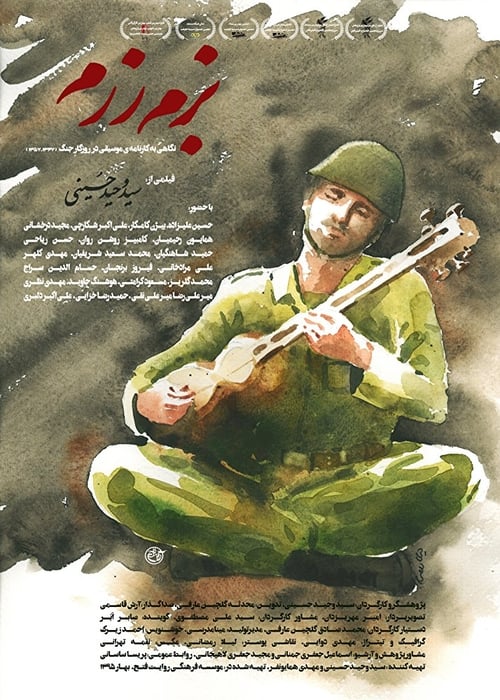
This documentary is about the vicissitudinous story of Iranian music between 1979-1989. The years just after 1979 Revolution through the end of Iran-Iraq war. The narrative of restrictions ...
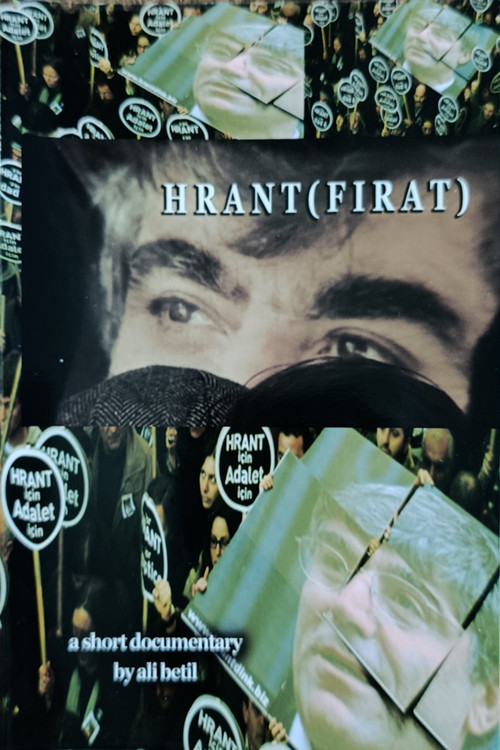
Hrant Dink's words... thousands walking after him... Murat Belge's dismal hopefulness... Hrant (Firat), is a visual lament.
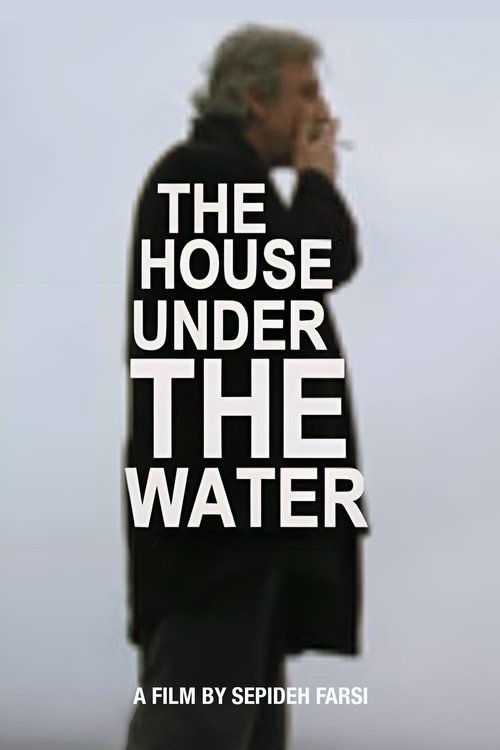
"Morteza, in his fifties and just out of jail, is trying to rebuild his life. However, when he is implicated in the drowning death of a child, he is instantly assumed to be guilty. Taher, the police officer assigned to the case, first believes in his guilt, but later becomes obsessed with proving Morteza's innocence. Directed by Sepideh Farsi, and stars Masoud Rayegany and Bijan Emkanian.
A young man finds love and his footing as an artist.
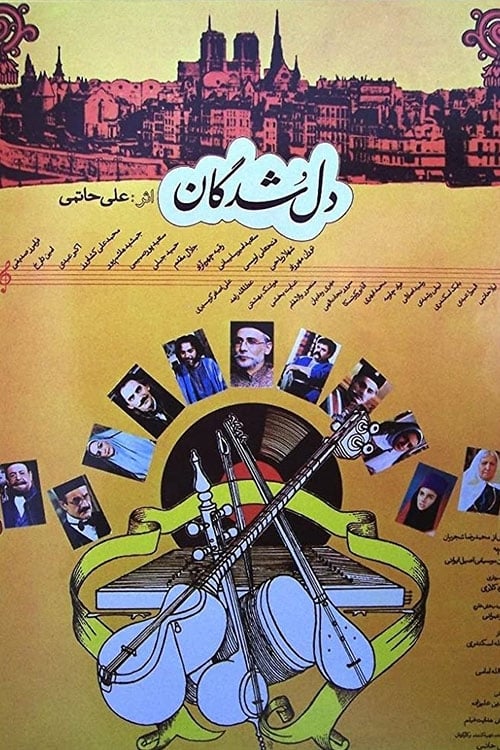
A group of Iranian classical musicians in the Ghajar era try to release their first record, which takes them on a journey to France.
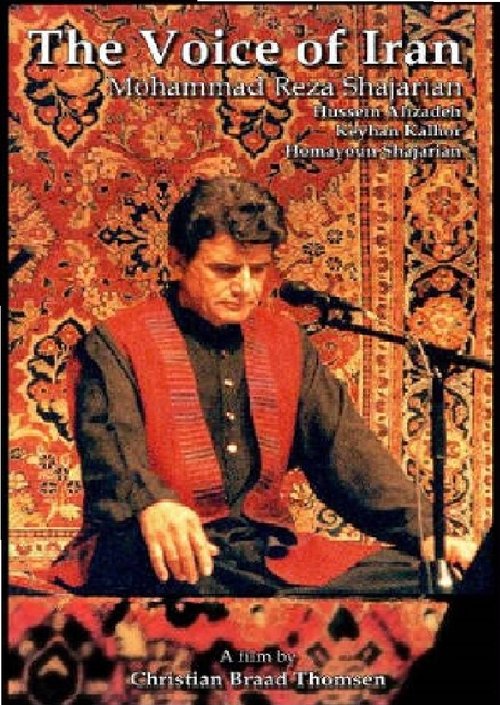
A spotlight on the great classical singer Mohammad Reza Shajarian whose music reaches 800 years back into Persian history. Between songs, Shajarian talks about his inspiration, explains the meaning of the songs and discusses the poets behind them.
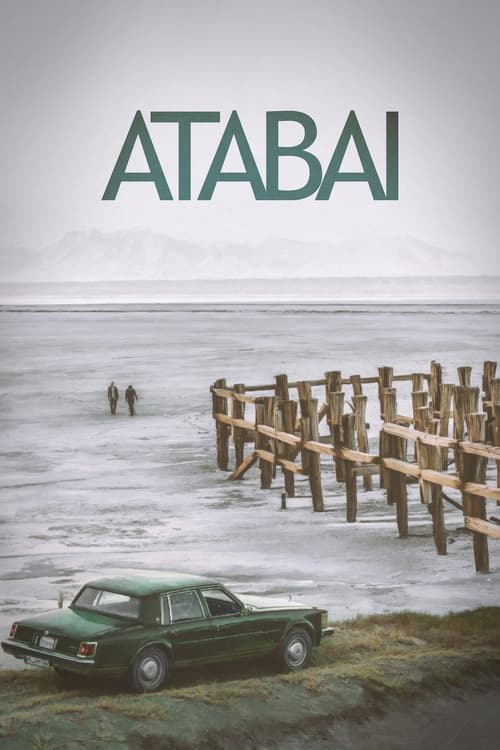
Atabai lives with his father and his niece in the village of Pirkandi (Khoi). He was an architecture student at Tehran University of Fine Arts many years ago and left school a year after graduating because of the emotional problems caused by his unexpected love for his colleague....