Acting
Crown Court is an afternoon television courtroom drama produced by Granada Television for the ITV network that ran from 1972, when the Crown Court system replaced Assize courts and Quarter sessions in the legal system of England and Wales, to 1984.
Jim Bergerac is a detective sergeant in The Foreigners Office who likes to do things his own way. While dealing with his own personal demons Bergerac has a knack of finding trouble, and sometimes causing it.
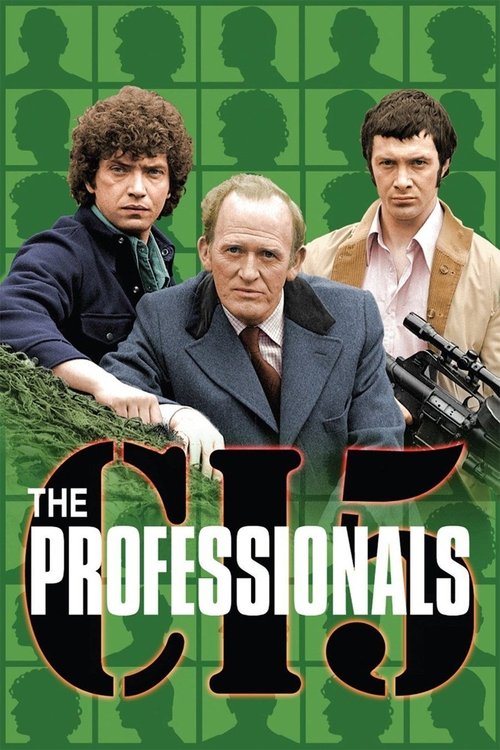
The lives of Bodie and Doyle, top agents for Britain's CI5 (Criminal Intelligence 5), and their controller, George Cowley. The mandate of CI5 was to fight terrorism and similar high-profile crimes. Cowley, a hard ex-MI5 operative, hand-picked each of his men. Bodie is a cynical ex-SAS paratrooper and mercenary whose nature ran to controlled violence, while his partner, Doyle, comes to CI5 from the regular police force, and is more of an open minded liberal. Their relationship is often contentious, but they are the top men in their field, and the ones to whom Cowley always assigned to the toughest cases.
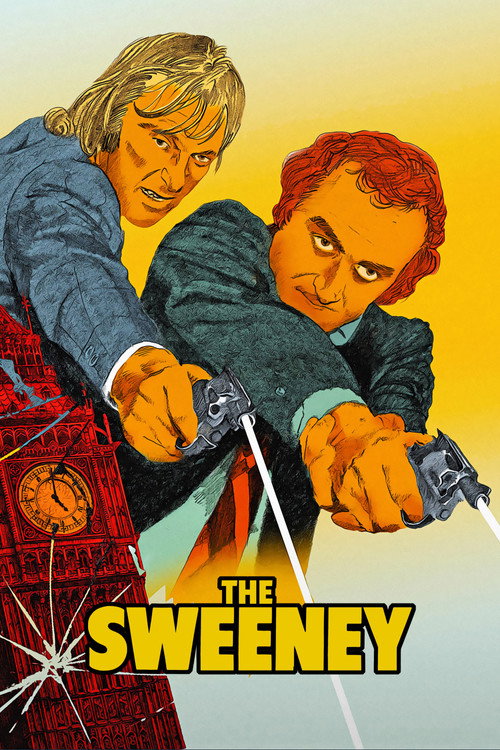
Jack Regan, an unethical officer of the Flying Squad, uses unorthodox methods to pursue criminals with the help of his partner, George Carter.
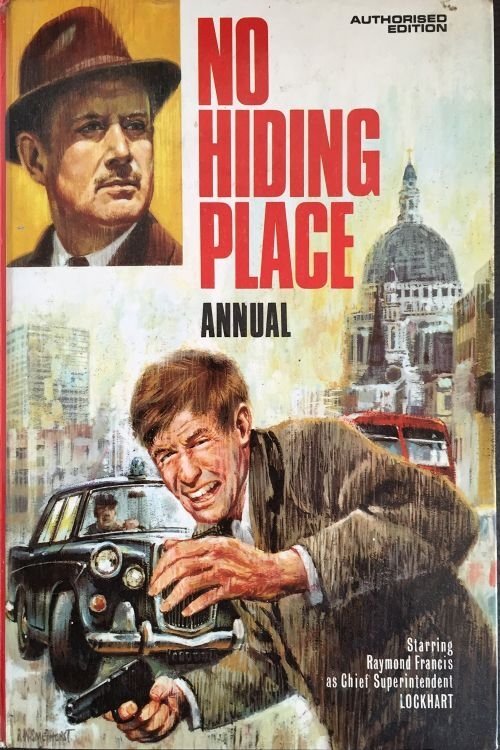
No Hiding Place is a British television series that was produced at Wembley Studios by Associated-Rediffusion for the ITV network between 16 September 1959 and 22 June 1967. It was the sequel to the series Murder Bag and Crime Sheet, all starring Raymond Francis as Detective Superintendent, later Detective Chief Superintendent Tom Lockhart.
Introducing the Walmington-On-Sea home guard. During WW2, in a fictional British seaside town, a ragtag group of Home Guard local defense volunteers prepare for an imminent German invasion.
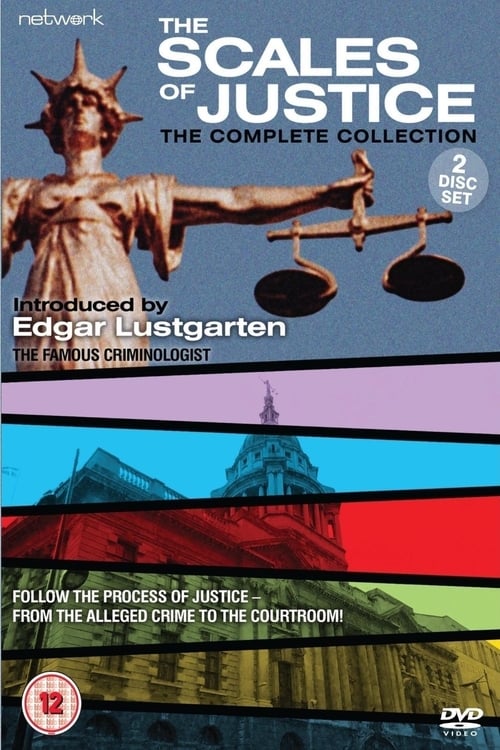
The Scales of Justice is a series of thirteen British cinema featurettes produced from 1962 to 1967 for Anglo-Amalgamated at Merton Park Studios in London. The first nine were made in black and white, and the last four in colour. The finale, Payment in Kind, was Merton Park's final production. Episodes were based on criminal cases, and each film was introduced by criminologist Edgar Lustgarten. The series derives its title from the symbolic scales held by the statue of Justice, situated above the dome of London's Central Criminal Court, The Old Bailey. The opening narration describes her as having "in her right hand, the Sword of Power and Retribution, and in her left – The Scales of Justice".
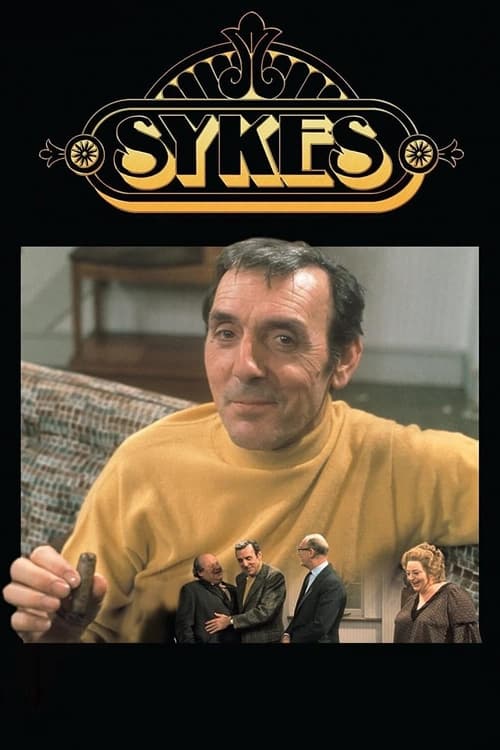
Classic sitcom starring Eric Sykes and Hattie Jacques as brother and sister twins who have to tackle the trials and tribulations of suburban life.
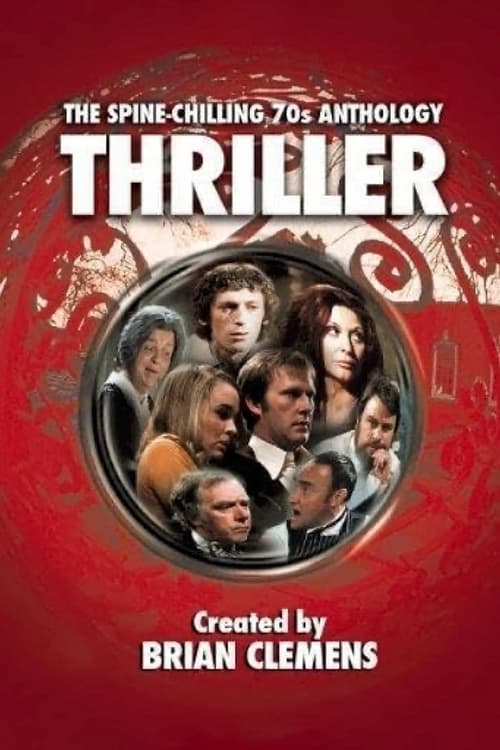
Thriller is a British television series, originally broadcast in the UK from 1973 to 1976. It is an anthology series: each episode has a self-contained story and its own cast. As the title suggests, each story is a thriller of some variety, from tales of the supernatural to down-to-earth whodunits.
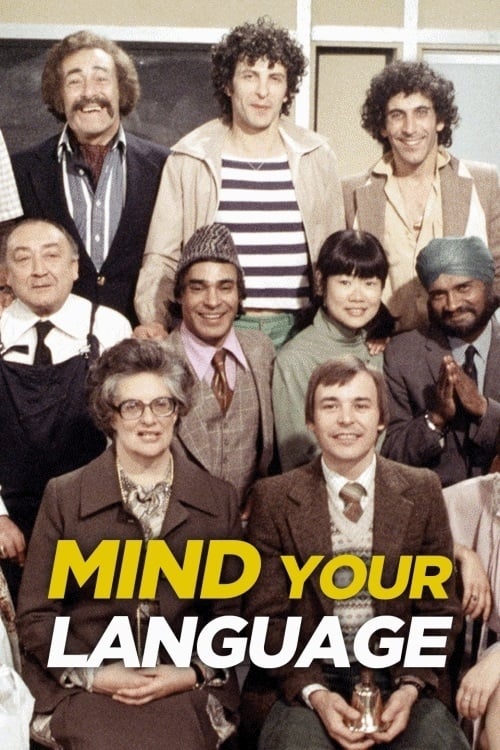
Jeremy Brown, a language teacher, tries to make a living by teaching English to immigrants. With pupils from India, France, China, and many other countries, his lessons do not always go as planned.
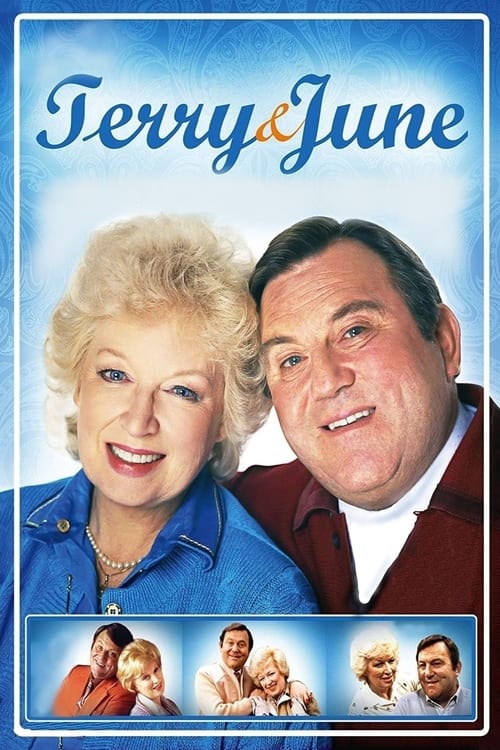
Middle-aged Terry and June Medford are beginning to find the trials of life more difficult as they try to succeed in their daily lives. The couple have just moved to Purley, south-east London... Aunt Lucy and the mynah bird have disappeared, as had the occasionally visiting daughters. Terry and June now mixed with friendly next door neighbour Beattie; Terry's chatty work colleague, Malcolm; and their gruff boss Sir Dennis Hodge. Otherwise, things were much as before, with Terry's pigheaded childishness causing no end of problems, usually thwarting June's attempts at leading a cosy life.
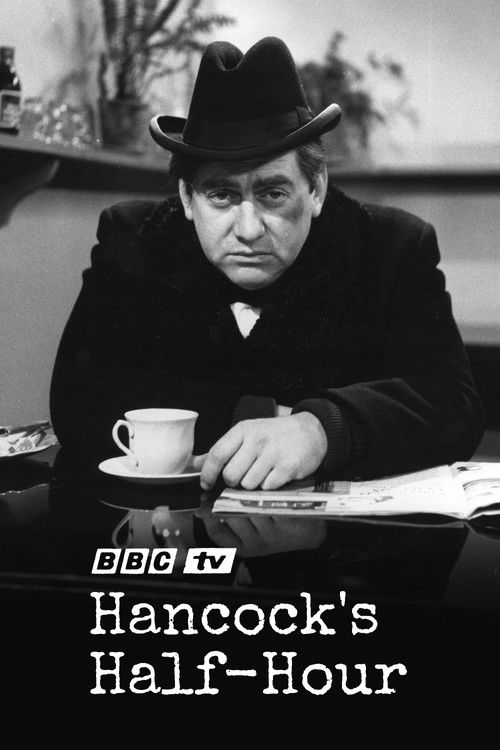
Hancock's Half Hour is a BBC television comedy series of the 1950s and 60s written by Ray Galton and Alan Simpson. The series starred Tony Hancock with Sid James. The final series, renamed simply Hancock, starred Hancock alone. Comedian Tony Hancock starred in the show, playing an exaggerated and much poorer version of his own character and lifestyle, Anthony Aloysius St John Hancock, a down-at-heel comedian living at the dilapidated 23 Railway Cuttings in East Cheam. The series was influential in the development of the situation comedy, with its move away from radio variety towards a focus on character development.
Steptoe and Son is a British sitcom written by Ray Galton and Alan Simpson about a father and son played by Wilfred Brambell and Harry H. Corbett who deal in selling used items. They live on Oil Drum Lane, a fictional street in Shepherd's Bush, London. Four series were broadcast by the BBC from 1962 to 1965, followed by a second run from 1970 to 1974. Its theme tune, "Old Ned", was composed by Ron Grainer. The series was voted 15th in a 2004 BBC poll to find Britain's Best Sitcom. It was remade in the US as Sanford and Son, in Sweden as Albert & Herbert and in the Netherlands as Stiefbeen en zoon. In 1972 a movie adaptation of the series, Steptoe and Son, was released in cinemas, with a second Steptoe and Son Ride Again in 1973.
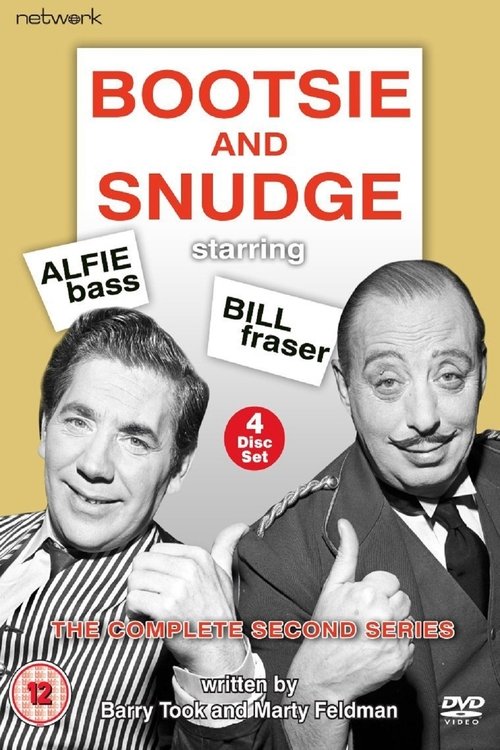
Bootsie and Snudge is a British television situation comedy series written, in the early days, by Barry Took and Marty Feldman; later writers were John Antrobus, Jack Rosenthal, ventriloquist Ray Alan and Harry Driver. The plot follows Former Sergeant Major Claude Snudge meets up with Corporal Bootsie when they both start work at an exclusive Gentlemen's Club. Of the 104 produced episodes, 100 of these survive.
This English follows the East End working-class Garnett family, headed by patriarch Alf, a reactionary working-class man who wields racist and anti-Socialist views. His long-suffering wife Else manages to keep things in control... for the most part. Their progressive daughter Rita lives with them, as does her Irish husband Mike, who, with an array of liberal worldviews, often quarrels with his father-in-law. It inspired the American show "All In The Family" and several other international variations on the same theme.
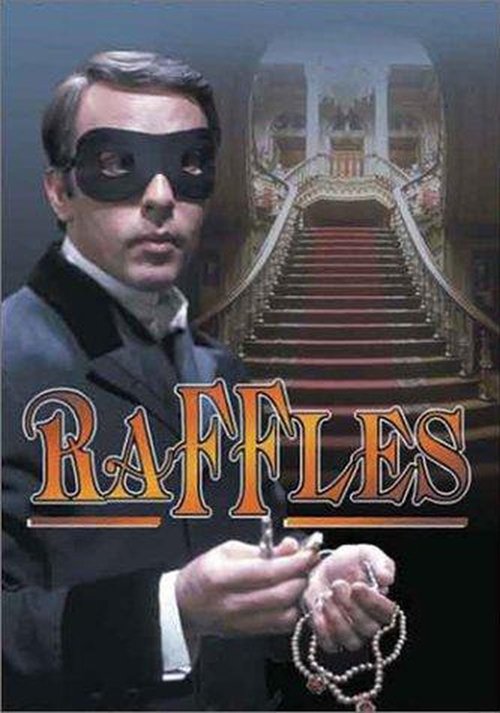
Raffles was a 1977 television adaptation of the A. J. Raffles stories by Ernest William Hornung. The series was produced by Yorkshire Television and written by Philip Mackie. The episodes were largely faithful adaptations of the stories in the books, though occasionally two stories would be merged to create one. In Victorian-era London, gentleman thief A. J. Raffles, a renowned cricketer, and his friend, the eager but naive Bunny Manders, test their skills in relieving the wealthy of their valuables whilst avoiding detection, especially from the persistent Inspector Mackenzie.
Story Parade specialized in adaptations of modern novels. It was broadcast on June 5, 1964 and repeated on August 28, 1964. The teleplay was by Terry Nation (who invented "Blake's 7" and the Daleks in Dr. Who), and Elijah Baley was played by the late Peter Cushing. It also starred John Carson John Carson as R. Daneel Olivaw and Kenneth J. Warren. The master tapes of the program were erased, however a few clips from the production have turned up in various documentaries about Isaac Asimov's work.
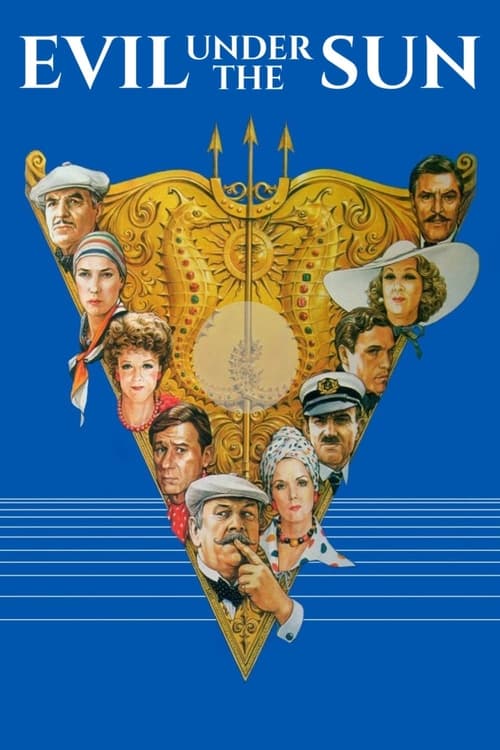
An opulent beach resort provides a scenic background to this amusing whodunit as Poirot attempts to uncover the nefarious evildoer behind the strangling of a notorious stage star.
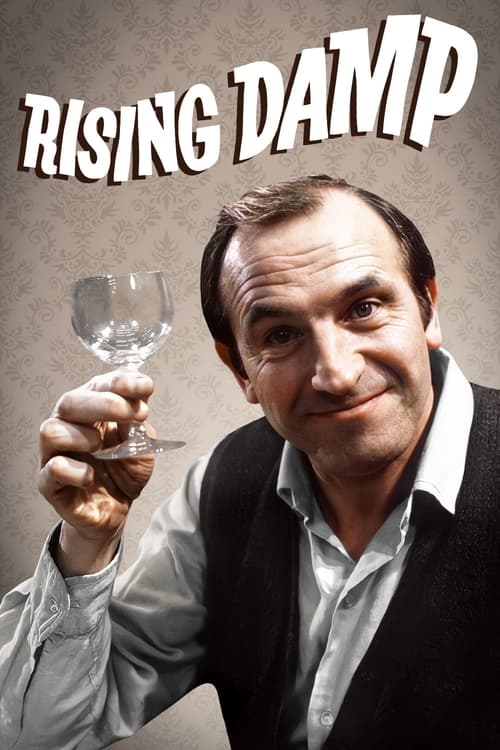
Set in a seedy bedsit, the cowardly landlord Rigsby has his conceits debunked by his long suffering tenants.
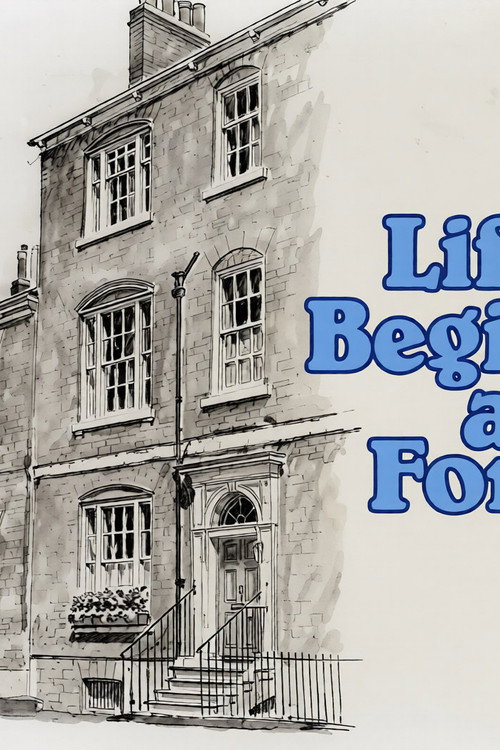
After 17 years of married life, Chris and Katy Bunting are faced with being parents for the first time. The repercussions are only just starting to become apparent.