Matt Nelson
Sound
Known For

Horror drama about a team-up for wealth.
One Minnesota
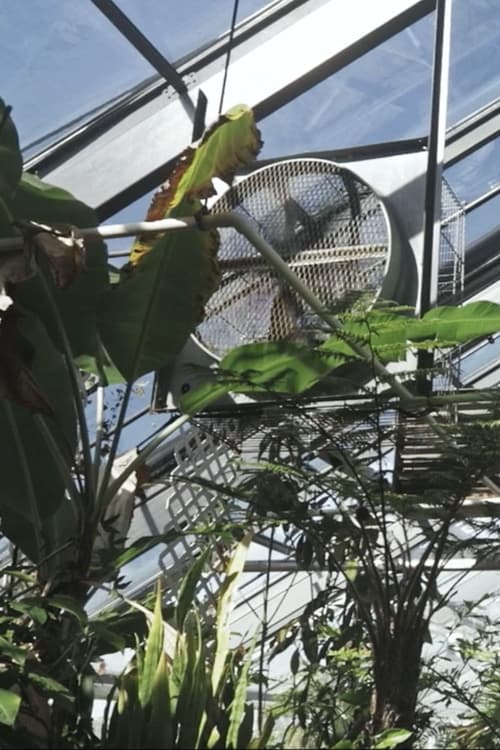
"There are things in this world that are yet to be named" centers around Solanum plastisexum - an Australian tomato whose sexual expression is unpredictable and unstable, challenging even the fluid norms of the plant kingdom. Footage of the team of botanists who recently used their Solanum research to explode notions of sexual normativity in any plant or animal is combined with a voiceover of letters sent between science writer Rachel Carson and her lover Dorothy Freeman. "There are things in this world that are yet to be named" is a meditation on erasure, indefinability, and the intersection of queer and environmental histories.
There are things in this world that are yet to be named
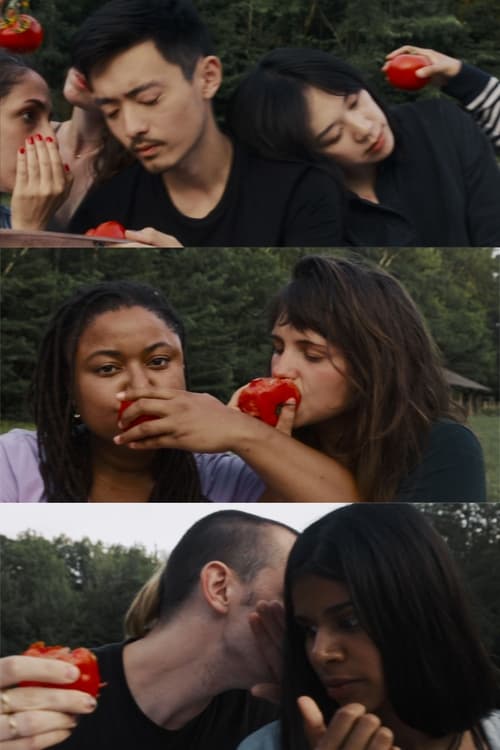
Across the installation's multiple channels, the camera circles a group of artists as they sit together in a field eating, licking, and squeezing ripe tomatoes. Throughout the ever-changing scene, kisses, whispers, and caresses are shared with a casual, gentle intimacy that reflects interconnectivity and abundance. These queer and desirous exchanges constitute a portrait of collectivity wherein individuals come together as distinct parts of a whole.
Tomatoes

When artist Erin Johnson and film editor Charlotte Prager moved into a seaside house in 2021, they knew only a handful of facts about the two women who designed and built it in 1971. The two women - art collector Mary-Leigh Smart and artist Beverly Hallam - were exacting about their specifications for the house, and they lived there together for over forty years. In "To be Sound is to be Solid," the filmmakers venture to decipher the house's opaque queer history by studying its complicated and circuitous floor plan. "To be Sound is to be Solid" is a film of layered intimacies and vicarious encounters. By investigating indefinability, erasure, and transparency in queer archives and scientific research, the film builds connections between lesbian, architectural, and environmental histories.
To Be Sound is to Be Solid

A biologist working for the Savannah River Site delivers a lecture about wild dogs whose mythic relationship to the protected three-hundred square-mile nuclear weapon facility is embellished to justify its displacement of local residents, and obscure the violence sustained by its activities. The video’s two channels enact a confluence between two epic timelines: the deep history of the Carolina dogs, who are speculated to descend from the nation’s first canines, and the precarious future imperiled by nuclear weapons programs and the production of radioactive waste.
Heavy Water

In "The Way Things Can Happen," extras from "The Day After," a 1983 made-for-TV movie depicting a nuclear attack on Kansas, recollect their original scenes, now 34 years later. Having been filmed in the midst of the Cold War on location in Lawrence, Kansas and with a cast of five thousand locals, "The Day After" blurred the distinction between extras’ everyday existence and the movie and in doing so achieved the urgency and magnitude of live coverage of a national crisis - all with vast political and social implications. In their retelling of their scenes from "The Day After," the extras omit references to the movie itself, further obfuscating the distinction between what happened in the film and in reality. A portrait of a city that once performed its own fictional destruction, "The Way Things Can Happen" queers time by stepping outside of linearity, creating a space for considering life where our country was destroyed by nuclear war and choosing a different path.