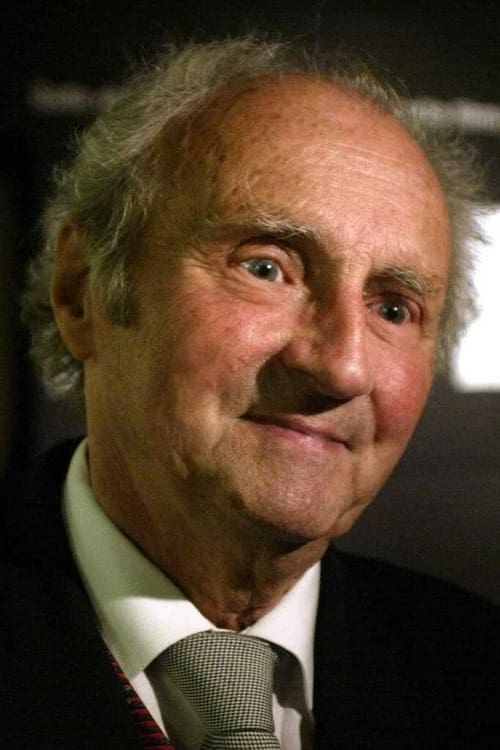
André Delvaux
Directing
Biography
André Albert Auguste Delvaux (21 March 1926 – 4 October 2002) was a Belgian film director. He co-founded the film school INSAS in 1962 and is regarded as the founder of the Belgian national cinema. Adapting works by writers such as Johan Daisne, Julien Gracq and Marguerite Yourcenar, he received international attention for directing magic realist films. Delvaux received the Louis Delluc Prize for Rendezvous at Bray (1971) and the André Cavens Award for Woman Between Wolf and Dog (1979) and The Abyss (1988). The king of Belgium made him a baron in 1996. The Académie André Delvaux is named after him and he posthumously received the first Honorary Magritte Award in 2011. André Albert Auguste Delvaux was born in Heverlee, Belgium, on 21 March 1926. He studied piano at the Royal Conservatory of Brussels and worked as a silent film pianist at the Belgian cinématheque in his early 20s. He studied law and took a degree in German philology at the Free University of Brussels, after which he worked as a teacher. Delvaux's filmmaking career started in 1954 when he began to make television documentaries about film directors for the broadcaster RTB. Notably, he made a four-part series about Federico Fellini in 1960. In 1959 he co-directed a short fiction film with Jean Brismée, La Planète fauve. In 1962 he co-founded the film school INSAS in Brussels and became the director of its directing department. From that point cinema was his primary occupation. Delvaux's first two feature films were based on books by Johan Daisne. Delvaux received international attention for his first feature film, The Man Who Had His Hair Cut Short (1965), which is based on Johan Daisne's novel with the same title. It was followed by another Daisne adaptation, One Night... A Train, in 1968. His first colour film, it shares several elements with the previous film: an uncomfortable teacher, a tragic ending and a confrontation between love and death. Rendezvous at Bray (1971), loosely based Julien Gracq's novella King Cophetua, is set during World War I and places great emphasis on atmosphere. The film stars Mathieu Carrière, Roger Van Hool, Bulle Ogier and Anna Karina, and became a turning point in Delvaux's career, because its critical success allowed him to choose his subjects more freely. Belle (1973) is about an affair with a mistress who may or may not be imaginary. Woman Between Wolf and Dog (1979), set in German-occupied Flanders during World War II, is among Delvaux's more realist films. It is about a woman who is torn between the Belgian Resistance and her collaborationist husband. The painterly Benvenuta (1983), based on Suzanne Lilar's book La Confession anonyme, plays with reality and imagination through a story about a screenwriter who adapts a novel for film. Delvaux's last feature film was his largest project, The Abyss (1988). The film is an episodic drama set in 16th-century Europe and based on a book by Marguerite Yourcenar. Like Belle and Woman Between Wolf and Dog before it, The Abyss played in the main competition of the Cannes Film Festival. Delvaux's final short film, 1001 films, was shown as a special screening at the 1989 Cannes Film Festival. ... Source: Article "André Delvaux" from Wikipedia in English, licensed under CC-BY-SA 3.0.
Known For
No description available.
Midi trente
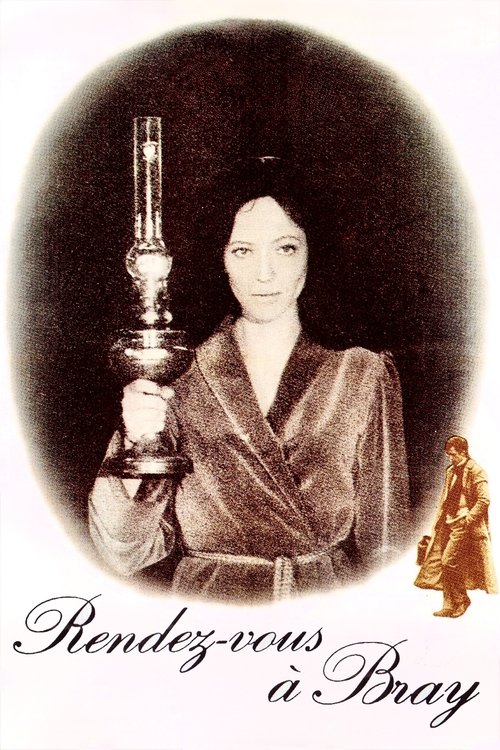
In 1917, the First World War is raging. Julien is from Luxemburg, so instead of having to go to war he studies piano in Paris. One day his friend Jacques, also a musician and now a fighter pilot on the front, invites him to spend a few days in his family's empty house in Bray. The housekeeper, a beautiful stoic woman lets Julien in, but his friend is late and he is obliged to wait. In the meantime, he starts reminiscing of the pre-war days spent with his friend and Jacques' girlfriend Odile.
Appointment in Bray
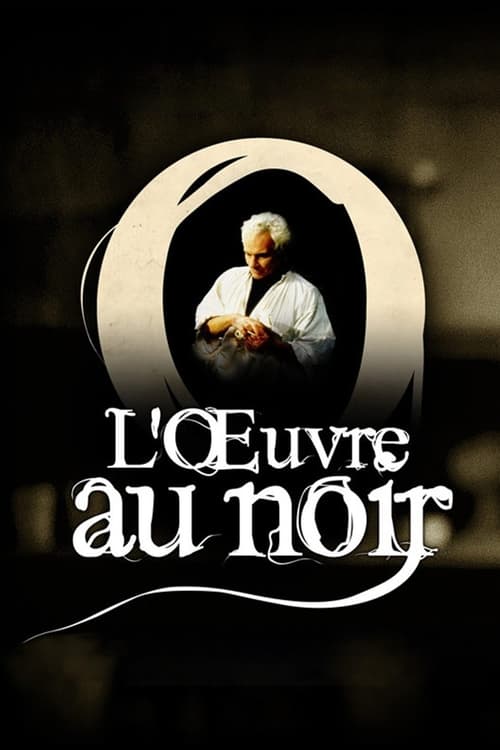
The Inquisition is in full swing in 16th century Flanders. Wanted for his dissident writings, the alchemist doctor Zeno has been wandering Europe under an assumed name for twenty years. But he remains a non-conformist. He returns to his native Bruges, where he thinks he has been forgotten. In this silent labyrinth where the faces of the past resurface, he rediscovers his identity and thus signs his death warrant.
The Abyss
Episode about the making of "The Young Girls of Rochefort". Part of a series of 'behind the scenes / making of' films produced in Belgium
Behind the Screen
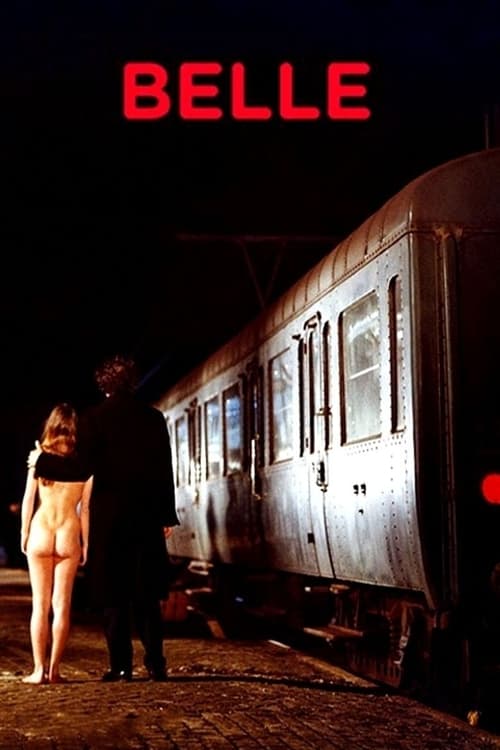
Mathieu Grégoire is an esteemed author who lives in Spa with his wife and daughter and leads a carefully structured life. One day, while out in the desolate landscape of the High Fens he meets a mysterious woman whom he calls 'Belle'. An obsessive passion is kindled in Mathieu and in a short space of time he loses all control over his existence.
Belle
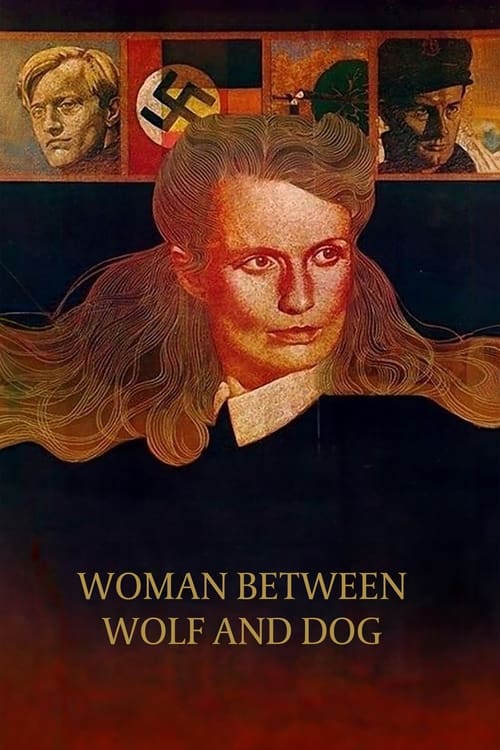
Lieve is a Belgian woman who marries just as World War II is beginning. When the Germans invade, her husband goes off to fight them, but he swiftly returns home after the invasion succeeds. Later, he decides that the Germans are on the right side of things, and goes off to fight for them on the Eastern Front. Soon afterward, a resistance fighter is stranded on her doorway, and she hides him. The two of them fall in love, and the conflicts and joys of this relationship cause Lieve continued grief well after the end of the war.
Woman Between Wolf and Dog
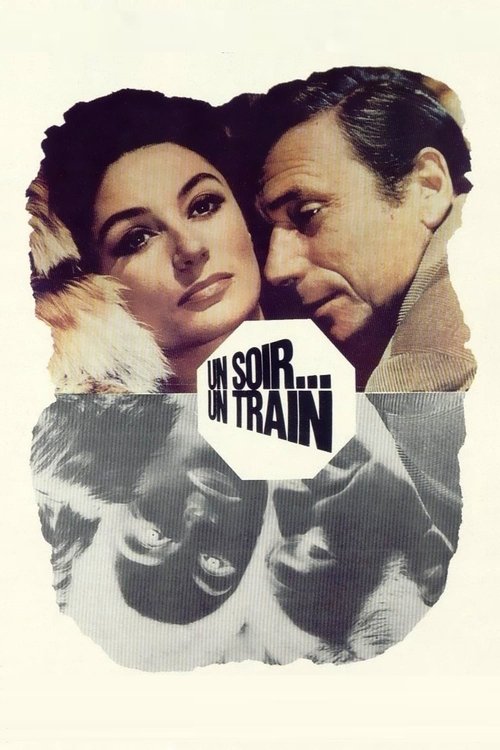
The Belgian linguistics professor Matthias is going through a difficult period in relations with his girlfriend Anne. She is French, he is Belgian, and, oddly enough for an enlightened Europe and a doubly enlightened university environment, this small difference is a shadow on the couple’s personal life. One day, during a train ride, Anne disappears and Mathias goes looking for her in an unknown city.
One Night... a Train
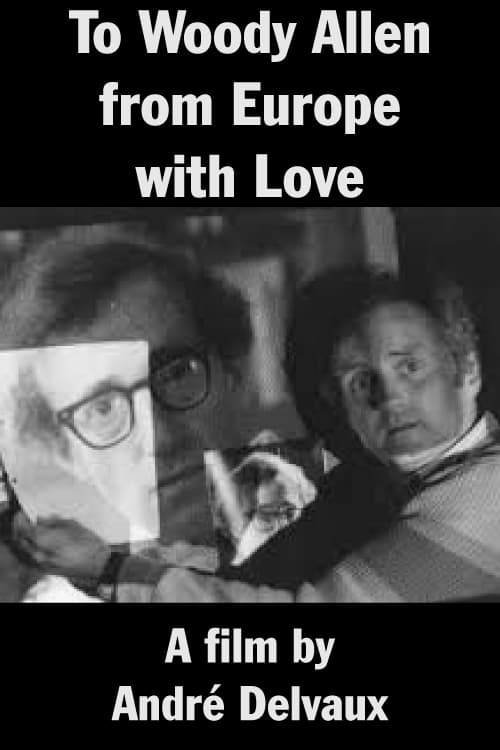
Initiated by producer-director Pierre Drouot, Woody Allen for the very first time agrees to let a filmmaker, Belgium's André Delvaux, film him during one of his own productions, Stardust Memories. Woody talks about his work, always steering clear of the anecdotal or the private.
To Woody Allen from Europe with Love
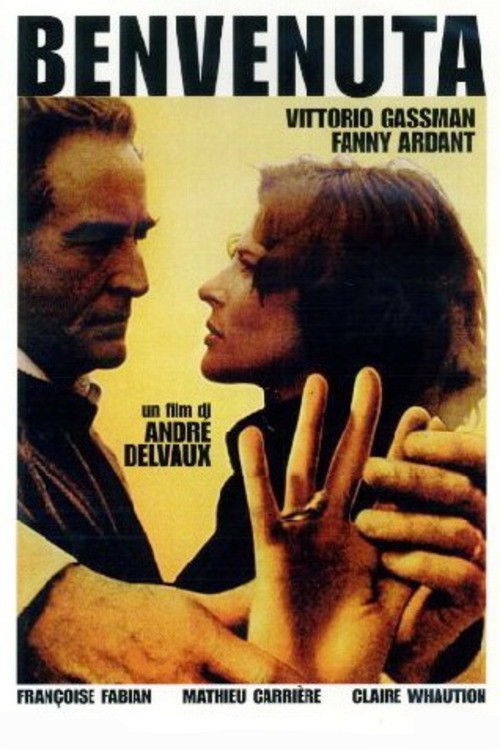
A passionate affair set against the intense encounter between a film-maker and a novelist. The story begins with young scriptwriter François tracking down the author of a once-scandalous novel. His aim is to adapt the work for the screen but several elements of the novel he finds difficult to comprehend. The author, Jeanne, is initially cautious of relaying information, insisting the presumably autobiographical book in no way relates to her personal life. However, eventually she takes the man into confidence to tell the background of Benvenuta.
Benvenuta
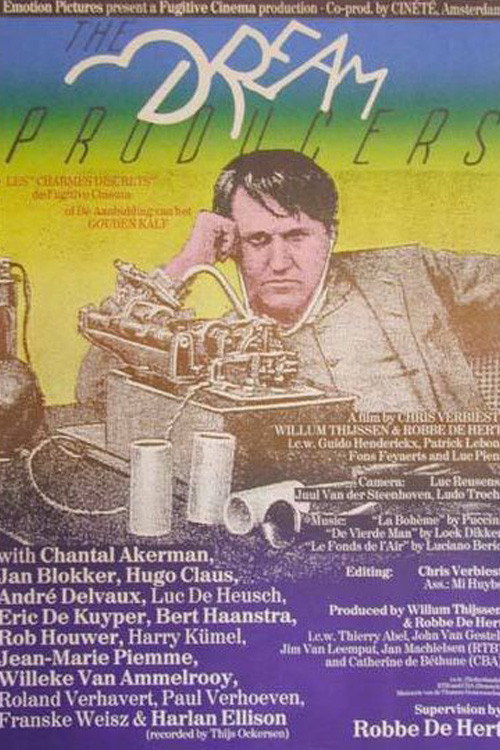
Documentary exploring why Belgian television doesn't invest more money in Belgian cinema as is the case in e.g. the netherlands.
De droomproducenten
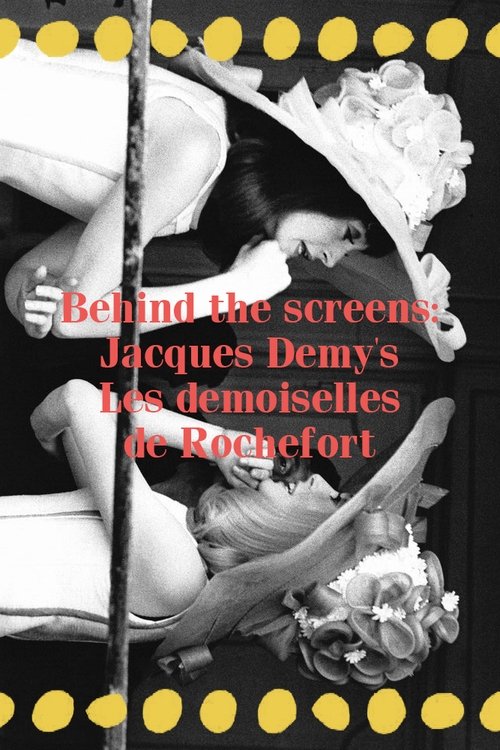
Six-part documentary on the making of Jacques Demy's 'Le demoiselles de Rochefort'
Behind the screens : Les demoiselles de Rochefort

Maria Garcia (Carmen Maura) is a television journalist and she's about to be a single mother. Her career foremost in her mind, she doesn't slow down even for a minute, despite her pregnancy. She is, however, taking Lamaze classes and is quite competently coping with the romantic attentions of a man she's not very interested in. It's not at all irrelevant that her news beat includes stories on terrorism, the greenhouse effect, pollution and genetic engineering, because when her baby's due date comes and goes, she starts hearing from her infant from in the womb. It is telling her that it and many other babies are refusing to be born into such a horrible world. She learns that this is true, and that the children born through induced labor are dying.
Between Heaven and Earth
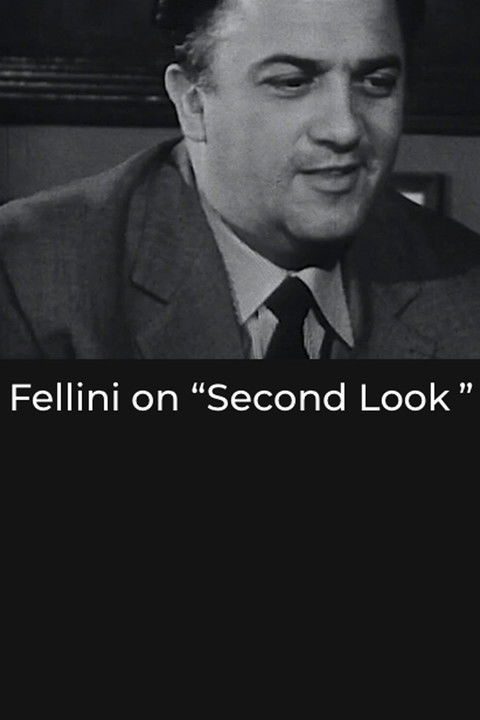
A four-part documentary series about the Italian director Federico Fellini.
Fellini on “Second Look”
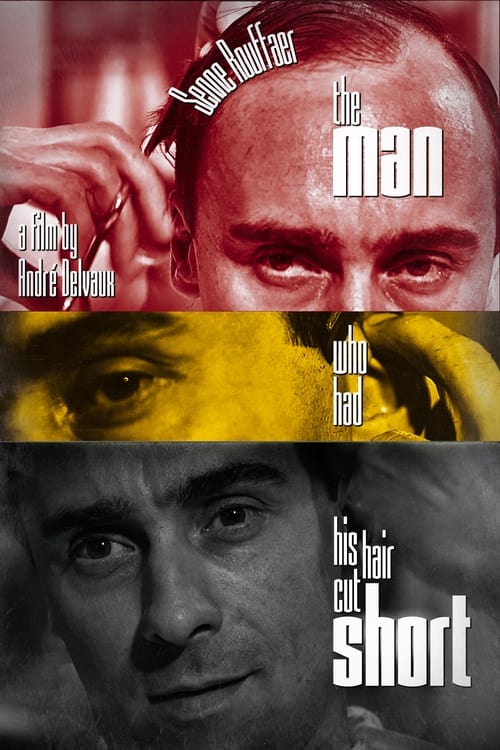
Govert Miereveld is a lawyer from a small Flemish town who also teaches in a school for girls. He harbors a secret love for one of his young students, Fran, whom he loses touch with after her graduation. Some time later, Miereveld has to attend an autopsy, and the shock of the experience deeply affects his mental balance. He finds out - or he believes so - that Fran has become a popular singer. He arranges to meet her to finally reveal his feelings. An ambiguous but perhaps tragic denouement follows which might be a figment of the protagonist's disturbed mind.
The Man Who Had His Hair Cut Short
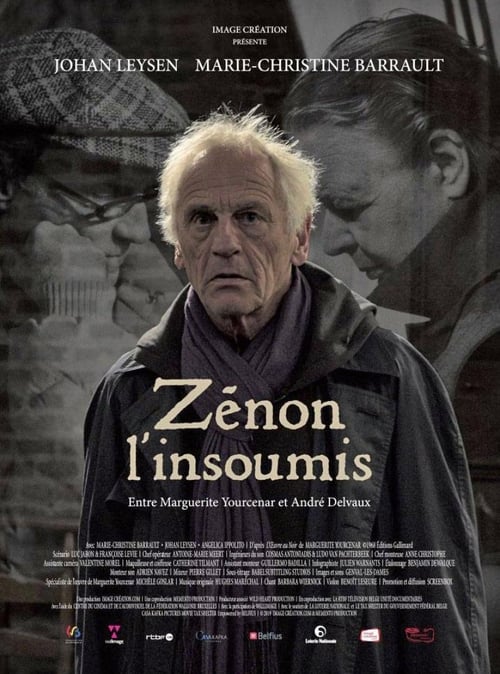
Zénon is the hero of “The Abyss”, the famous novel by Marguerite Yourcenar published in 1968. He is also the main character in André Delvaux’s film, played by Gian Maria Volonte, for the movie adaptation of the same book in 1988. But what does Zénon represent for us today, and what has become of him? How can this entirely fictional philosopher, doctor, alchemist and inventor from the Renaissance help us understand the era in which he lived as well as our own in these uncertain times? This is what this documentary sets out to do.
Zénon the Rebel

No description available.
Behind the screens : Jacques Demy’s Les demoiselles de Rochefort - Les décors
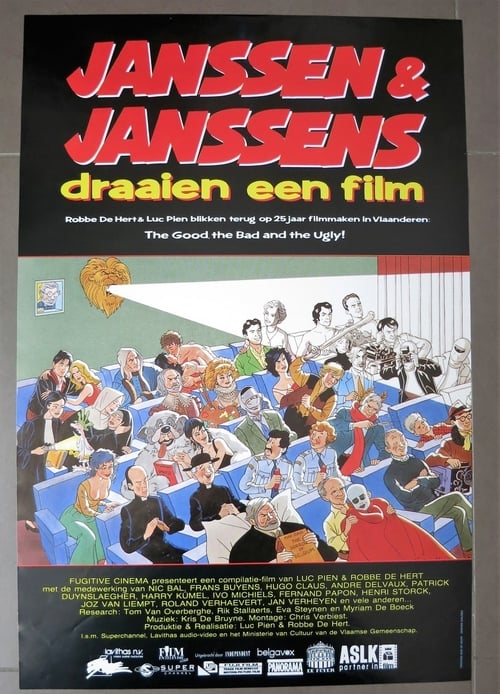
A documentary celebrating 25 years of flemish subsidised cinema.
Janssen & Janssens draaien een film
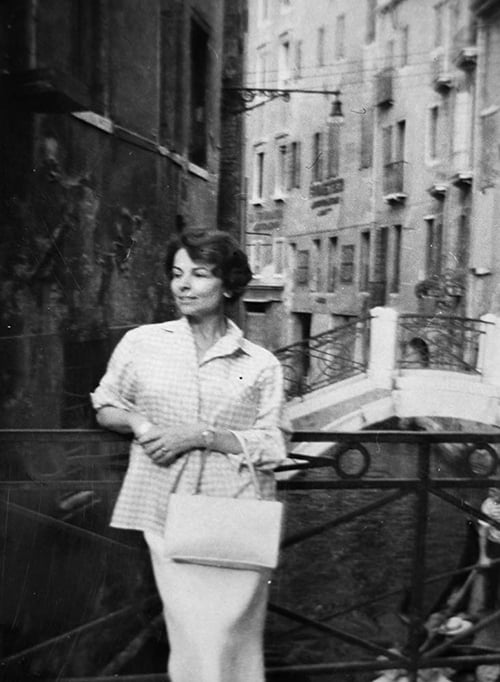
Mag Bodard, un destin is an archive documentary filmed for television by Anne Wiazemsky in 2005.
Mag Bodard, un destin
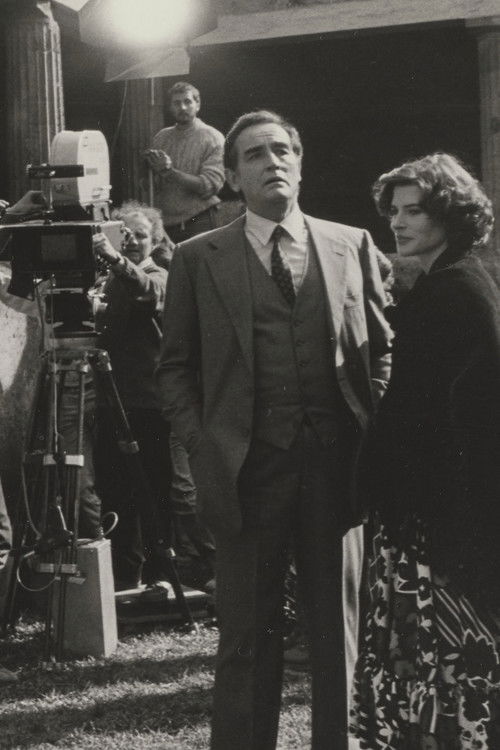
Behind the scenes documentary on the shooting of André Delvaux's Benvenuta in Milan and Ghent, including interviews with lead actors Fanny Ardant, Françoise Fabian and Vittorio Gassman, all equally delighted by the experience.
André Delvaux directs Benvenuta
An ode to film preservation, it presents a night-time visit to a seemingly depopulated repository (presumably the Royal Film Archive of Belgium), juxtaposing a series of images of observation, reconstruction, and projection using film fragments - from the hand-painted, altered image frames of Georges Méliès' Kingdom of the Fairies to the iconic image of Louise Brooks - to turn the archive into a temporal wonderland of novel discoveries, hidden treasure, re-awakened curiosity, and critical re-assessment.