Acting
Drama series about the staff and patients at Holby City Hospital's emergency department, charting the ups and downs in their personal and professional lives.
Roguish comedy drama following the misadventures of small-time crook Arthur Daley.
An anthology series of television plays which aired on BBC1 from October 1964 to May 1970. The plays were usually written for television, although adaptations from other sources also featured.
Archie MacDonald, a young restaurateur is called back to his childhood home of Glenbogle where he is told he is the new Laird of Glenbogle.
Devised and written by Lynda La Plante as a follow-on from her successful television series Prime Suspect, this vast police procedural follows police detectives in England as they investigate crimes and the trials that come about as a result.
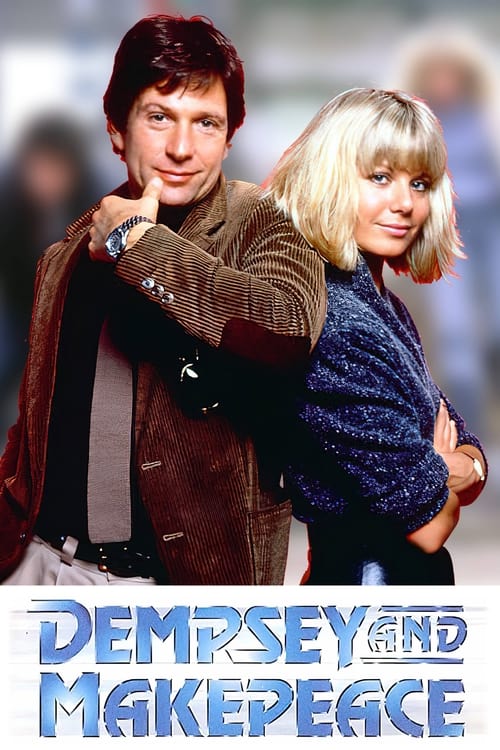
Dempsey and Makepeace is a British television crime drama made by London Weekend Television for ITV, created and produced by Ranald Graham. The leading roles were played by Michael Brandon and Glynis Barber, who later married each other on 18 November 1989. The series combined elements of previous series such as the mis-matching of British and American crime-fighters from different classes as seen in The Persuaders! and the action of The Professionals.
An anthology of plays and novels adapted into feature length TV movies, broadcast on BBC2 from September 1977 to April 1979.
Shine on Harvey Moon! is a British comedy-drama series made by Central Television for ITV from 8 January 1982 to 23 August 1985 and briefly revived in 1995 by Meridian. This generally light-hearted series was created by comedy writers Laurence Marks and Maurice Gran. The series is set in the East End of London shortly after the Second World War. Upon being demobbed RAF serviceman Harvey Moon, played by Kenneth Cranham, returns home and finds his family involved in various troubles. His wife Rita, played by Maggie Steed, is not interested in resuming their relationship, and works in a seedy nightclub frequented by American servicemen. He becomes involved with the Labour Party and the union movement. The name of the series is a wordplay on the title of the popular 1908 song 'Shine On, Harvest Moon'. The first series was commissioned and recorded by ATV at their Elstree studios with the remaining series filmed at newly constructed facilities in Nottingham.
Strangers is a 1978–82 ITV police procedural created and principally written by Murray Smith, based on characters created by Kenneth Royce in his novel series and subsequent 1977–78 television adaptation The XYY Man. Don Henderson and Dennis Blanch reprise their roles, respectively, of Detective Sergeant (DS) George Bulman and Detective Constable (DC) Derek Willis. A group of police officers are brought together from across the country to the north of England. There, the fact that they're not well-known gives them the advantage to infiltrate where a more familiar local detective could not. Despite being based around a comparatively small team of detectives, a regular feature in its early years is that few episodes feature the entire team, with most using just two or three regulars in any major role.
Whatever Happened to the Likely Lads? is a British sitcom which was broadcast between 9 January 1973 and 9 April 1974 on BBC1. It was the colour sequel to the mid-1960s hit The Likely Lads. It was created and written, as was its predecessor, by Dick Clement and Ian La Frenais. There were 26 television episodes over two series; and a subsequent 45-minute Christmas special was aired on 24 December 1974. The cast were reunited in 1975 for a BBC radio adaptation of series 1, transmitted on Radio 4 from July to October that year. In 1976, a feature film spin-off was made. Around the time of its release, however, Rodney Bewes and James Bolam fell out over a misunderstanding involving the press and have not spoken since. This long-suspected situation was finally confirmed by Bewes while promoting his autobiography in 2005. Unlike Bewes, Bolam is consistently reluctant to talk about the show, and has vetoed any attempt to revive his character.
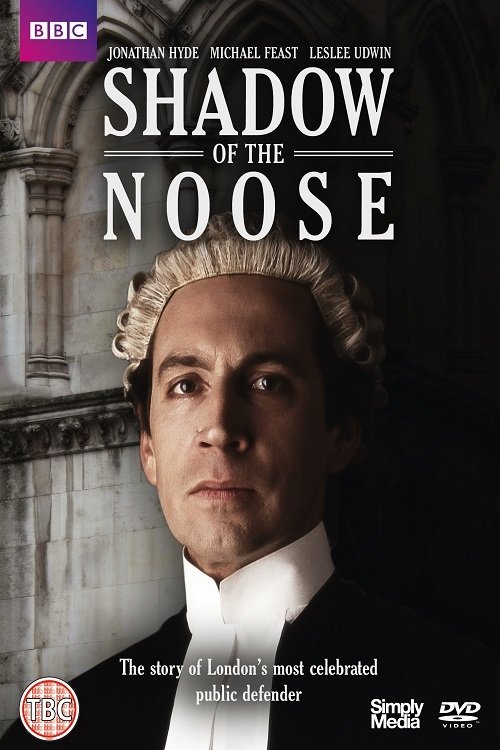
A look at the real cases and personal demons of Sir Edward Marshall Hall, Edwardian London's most celebrated barrister. Presiding over trials that made headlines and drew large crowds to the public gallery, the Old Bailey defence counsel was Britain's first legal celebrity. A champion of justice for all, Marshall Hall earns a reputation as The Great Defender as he pleads the innocence of clients other lawyers refuse to represent.
In a small, conservative Scottish village, an oilman is paralyzed in an accident. His wife, who prayed for his return, feels guilty; even more, when he urges her to have sex with another.
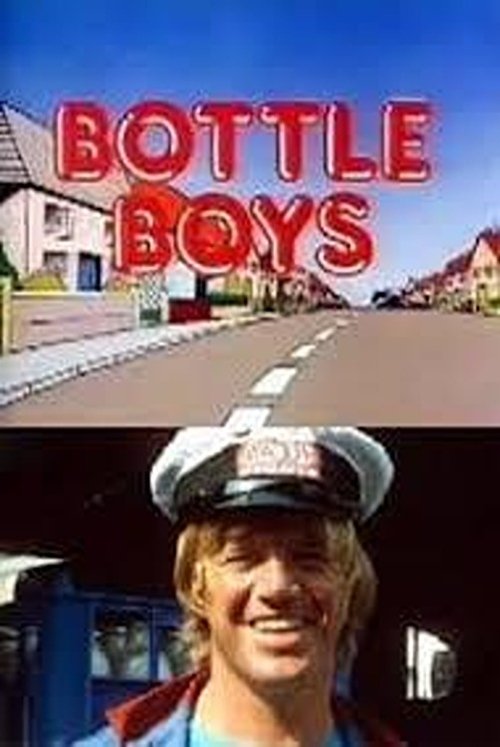
David Deacon is a football mad milkman working at Dawsons Diaries, The laughs circle around the fact that he is constantly trying to deliver to the local housewives, and not just dairy products. His misfit work colleagues also seem to interested in doing anything but their job.
Following the death of the sitting Labour Party Member of Parliament, Bill Brand is selected as Labour candidate for a Lancashire textile constituency.
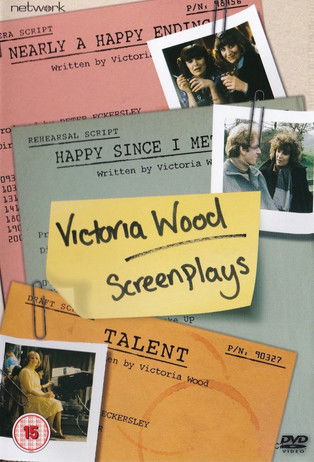
This was a series of summer plays, one of which ("Waxwork") led to the popular series Cribb (1980).
In the future (1999), the UK is subdivided into two regions by barbed wire and border patrols. Northern Britain is cold, bleak and impoverished, while sunny South Britain is a place of relative luxury. When Lord Tewkesbury, the owner of rich conglomerate, decides his son Giles needs more real-life experience, he arranged for Giles to work under an assumed name. Unfortunately, this results in Giles being sent to North Britain to do menial labor, while previously impoverished Gavin is transferred to sunny South Britain.
Life Support is a 1999 British medical drama series aired across six episodes on BBC Scotland. Katherine Doone works as a clinical ethicist at Glasgow's Caledonian hospital. Her job is to make the big decisions about what's best for the patient's long-term treatment.
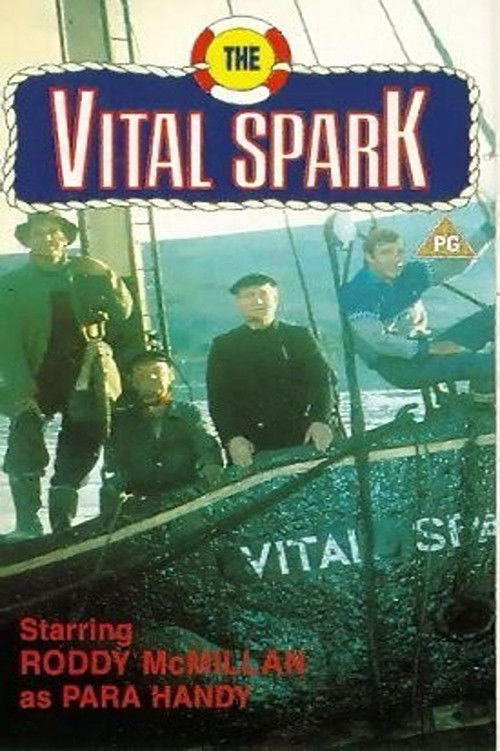
In the western isles of 1930s Scotland, Peter 'Para Handy' MacFarlane, captain of the puffer Vital Spark, treks around the coastal waters of west Scotland and variously schemes himself and his crew into mischief.
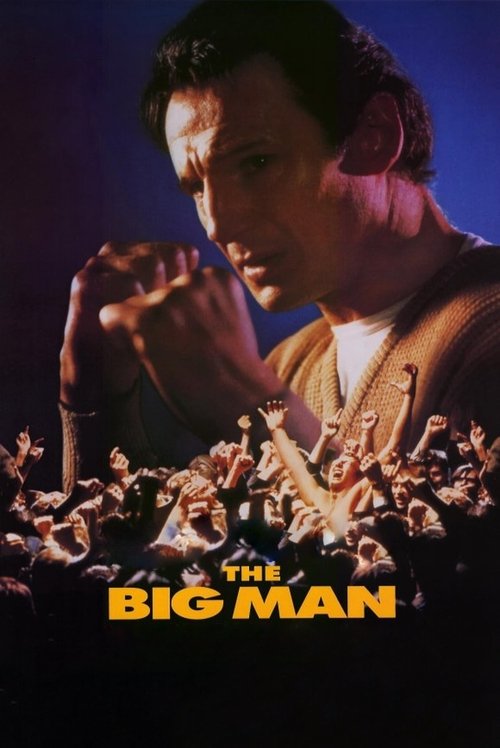
An unemployed Scottish miner is forced into bare-knuckle boxing to make ends meet.
Drama chronicling one week at a Midlands factory.