Acting
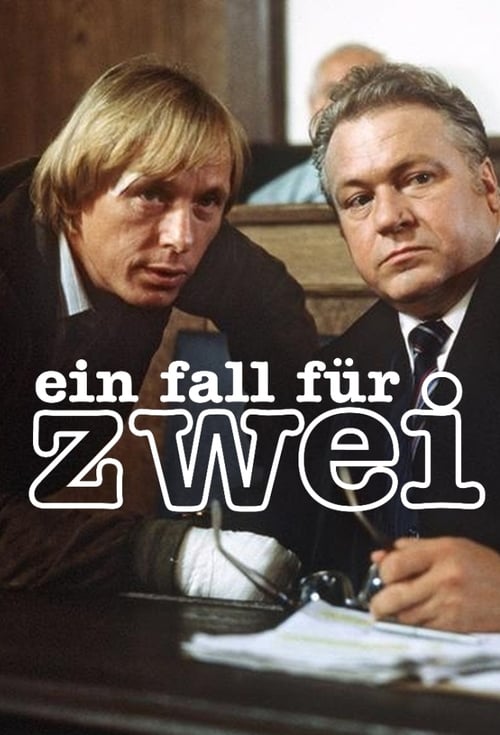
Ein Fall für zwei is a German television series, which premiered on September 11, 1981 on ZDF. The series, located in Frankfurt am Main, features two main characters who solve crimes: a defense attorney and a private investigator. Josef Matula, a former German police officer, has gone into private business. His method of investigation is very effective and direct, and he sometimes even resorts to dirty tricks. Claus Theo Gärtner has portrayed the role since the start of the series.
Marienhof is a German soap opera, first shown on October 1, 1992 on German TV channel, Das Erste. It started as a weekly series, before becoming a daily program on January 2, 1995. The show was canceled in February 2011 and aired its last episode on June 15, 2011. In the 90s, the Marienhof became a huge success in Finland and remained a fan favorite until it was canceled to license problems. Over the years, the show became known for tackling several social issues, such as homosexuality, homelessness, private bankruptcy, rape, drug abuse, AIDS, child abuse, suicide, cancer, adultery and murder. The show focuses on the everyday life of the residents of the Marienhof, a fictional suburb in Cologne.
No description available.
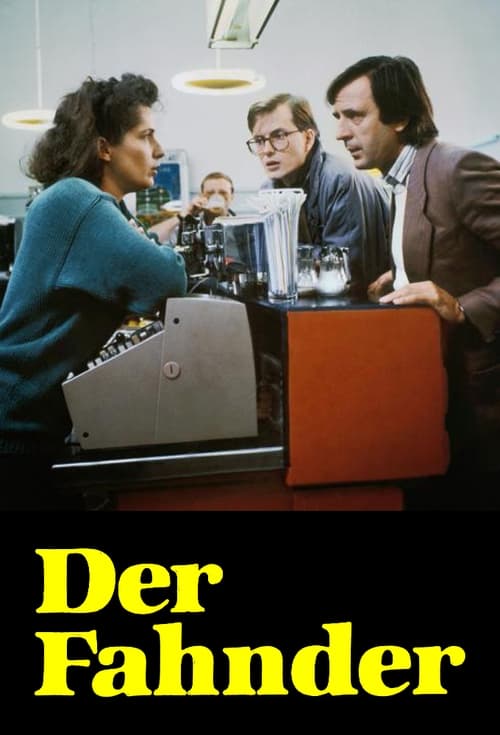
Der Fahnder is a German television krimi series which was aired between 1984 and 2005. In the Netherlands the series was broadcast by the VARA from 3 October 1985.
The adventures of a group of German truckers on jobs all over the world.
A village pastor and a tourism entrepreneur come into conflict over building land on which the pastor wants to build a youth center and the entrepreneur wants to build a luxury hotel. When a parishioner bequeathed "paradise" to the pastor, which is a well-known brothel, the entrepreneur plans to put the press on him. However, the entrepreneur's daughter and her lover take the pastor's side.
The 30-years old Max is MD and engaged to the attractive Coco, who jealously keep watch over him. After he heard the lovely voice of an unknown misdialing woman, he starts a restless search ...
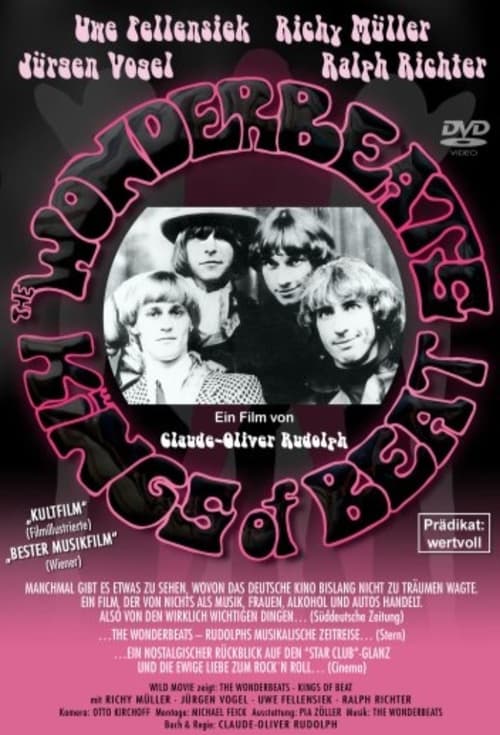
Hamburg 1962, you dream in English and only understand German. The four boys in Claude-Oliver Rudolph's film "The Wonderbeats" work as lifeguards or in the pigsty and play a hot beat in the evenings. This is the story of the most successful German beat band. It's called THE WONDERBEATS in our film. The events from 1962 to 1967 are described. During this time the band had 15 hits in the German charts.
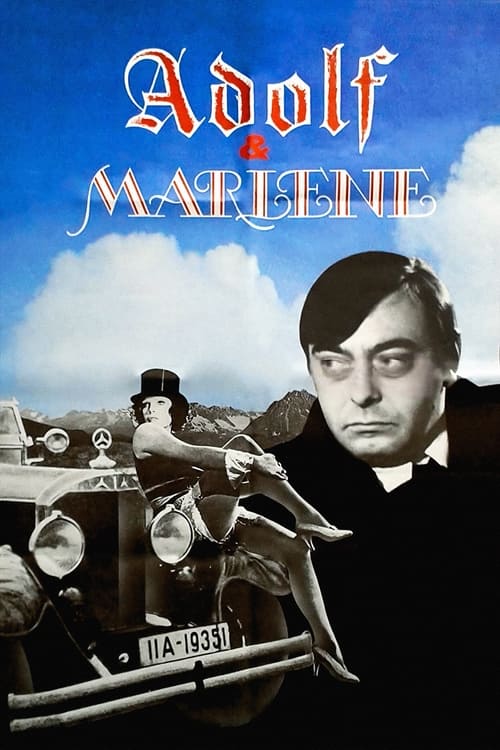
When Hitler watches Marlene Dietrich in a movie, he falls in love with her. He persuades her to come back to Germany to be with him, but upon her arrival, she constantly insults and provokes him until he eventually, on her command, bites the carpet to bits.
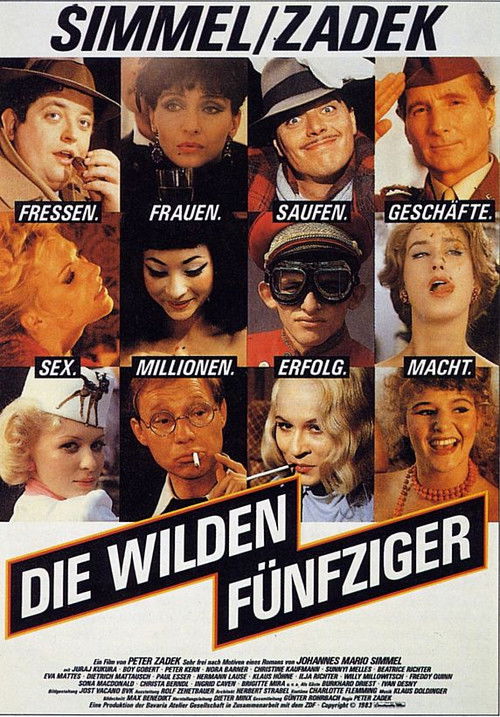
The Second World War is over and now begins in post-war Germany, the reconstruction. Jakob Formann sees his chance here and begins a rapid rise as an entrepreneur.
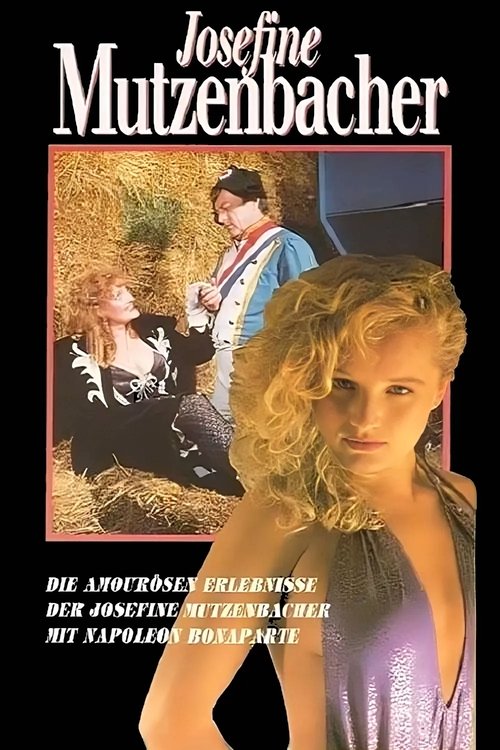
The famous Viennese harlot ends up in inhospitable Bavaria, where she meets Emperor Napoleon in a remote inn, who naturally falls for her charms on the spot.
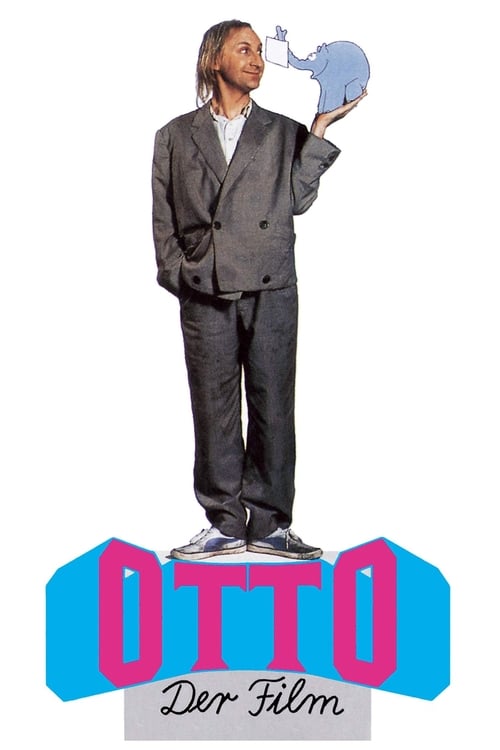
East Friesian Otto moves to the big city Hamburg. There he gets into trouble with a loan shark and needs to find a way to impress his love interest Silvia.
Mike and Susanne are a loving couple who keep afloat through petty crime. When they are pursued by the police following a robbery at a jewelry store, they seek refuge in a slaughterhouse.
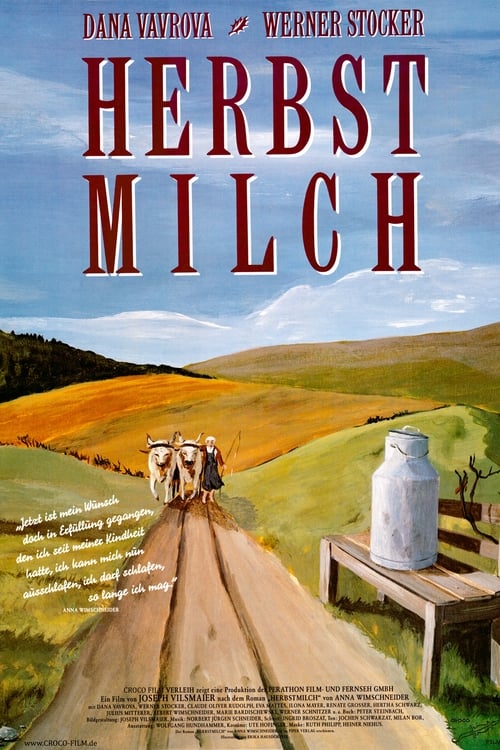
With the death of her mother, eight-year-old Anna ends her childhood: From now on, she has to look after the nine-member family. Deprivation-rich years, which also find no end when Anna marries: Her husband Albert must be a soldier in the Second World War, and the pregnant Anna has to work hard in the farm and care sick relatives. Lonely and exposed to the harassment of the tyrannical mother-in-law, she waits for Albert, with no certainty that he will ever return.
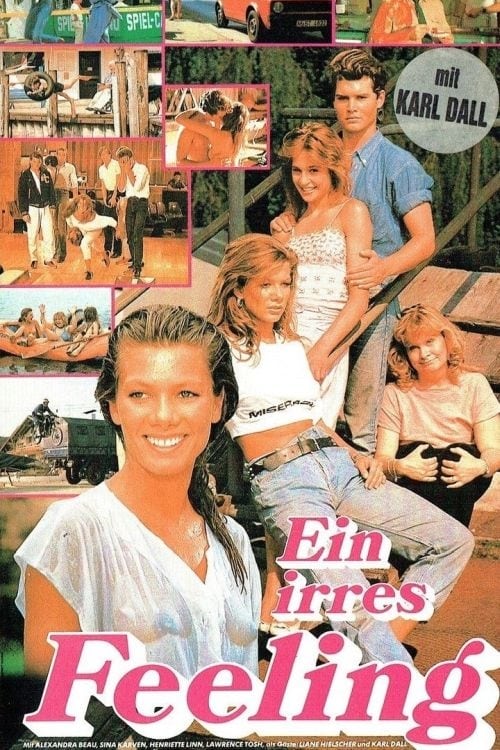
Tina, Julie and Alfa simply turn the tables on love: they don't wait for the guys to come on, they throw themselves into the action when they meet the bowling clique around Tim, Freddy and Rolf. Although their goal is actually only the bowling competition in St. Tropez, they let the party go on. And then it turns out that Tina's father has a plane that might take the boys to St. Tropez...
Insurance man Max has tried out all the ladies in his shared flat, but it's not until he meets Laura on vacation that things really spark. Marriage and having children are the order of the day. But although Max is potent, he is unfortunately infertile. So Laura wants to have the offspring fathered by a surrogate. Max's best friend Mani, of all people, wins the bid. When his boss starts to get nasty with him, Max snaps and retreats to a men's camp for a macho course. The level of humor in this comedy corresponds to the advertising slogan: "If your own man can't do it, how about a hired man".
Children ordered from mail-order catalogs, because children themselves procreate: that's old-fashioned—that's what people used to do, so better to go with Goethe, Napoleon, or Brischitt. And yet: one day, Nabucco and Tusnelda have a "real" child: Don Giovanni.