Acting
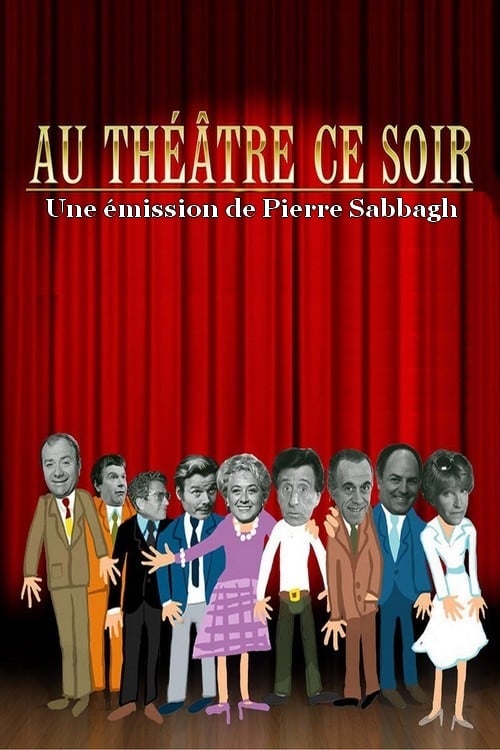
At Theater tonight is a TV show broadcasted from 25th August 1966 to 21st September 1985. The show is broadcast plays recorded in two or three days, during public performances at the Théâtre Marigny on the Champs-Élysées, or sometimes Edouard VII theater.
The Sanremo Music Festival is the most popular Italian song contest and awards, held annually in the town of Sanremo, Imperia, Italy, and consisting of a competition amongst previously unreleased songs. The Festival was the inspiration for the Eurovision Song Contest.
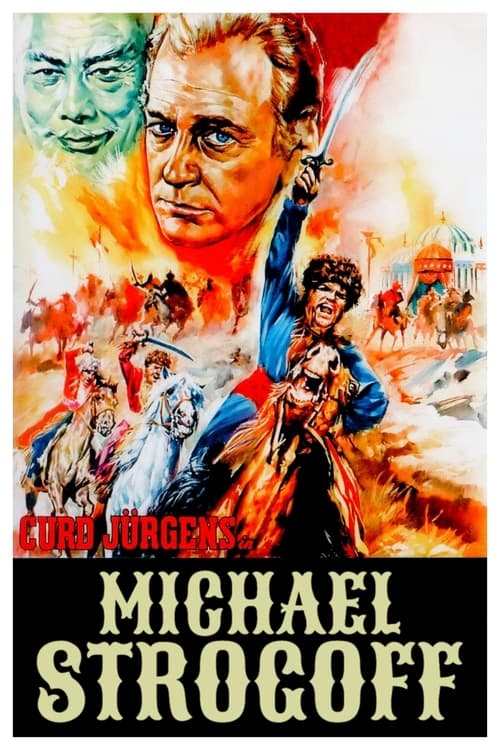
When Emir Feofar Khan, leader of the Tartar hordes, takes up arms and invades the steppes of Eastern Siberia, Czar Alexander II of Russia entrusts the brave officer Michael Strogoff with a dangerous mission.
Lost film. A young man is kidnapped by his business competitors, but the jailer falls in love with the man she has to keep a prisoner.
"Olivia" captures the awakening passions of an English adolescent sent away for a year to a small finishing school outside Paris. The innocent but watchful Olivia develops an infatuation for her headmistress Julie and through this screen of love observes the tense romance between Julie and the other head of the school Cara in its final months.
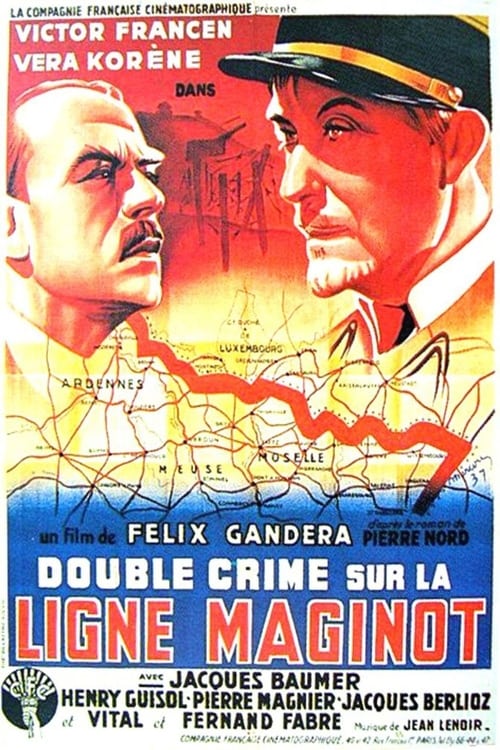
Commander d'Espinac is found murdered. Having argued the day before the murder with Captain Bruchot, he is accused. The captain will have to conduct his own investigation if he wants to clear himself. His suspicions will fall on one of the three officers attached to his unit.
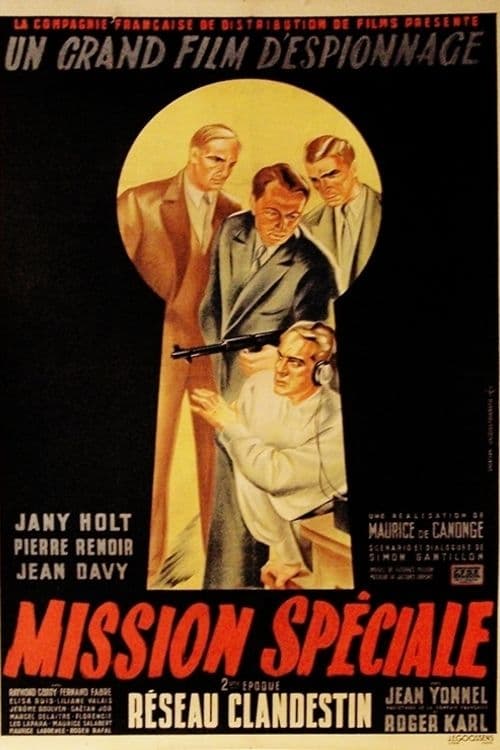
The exploits of Chief Police Inspector Chabrier, first before the invasion of France in May 1940 as he fights against spies preparing the coming the Germans, particularly Emmy de Welder, the alleged manager of the Rouen hospital. Later, Chabrier and his men go underground and resist the occupiers whatever the price to pay. When the Liberation comes Chabrier resumes his activities at the French National Police.
In a luxury hotel, a gathering of foreign high society people attend a wedding lunch. By the end of the feast a dramatic turn of events occurs : on the time of leaving the groom realizes that his newly married wife has... disappeared ! One morning, some time later, he meets her again at the Bois de Boulogne. She tells him everything about her strange attitude: she needed to be married to be able to have access to her husband's money. With this money, she managed to avenge her mother.
This French film confection directed by Henry Roussell concerns two young Parisian beauties in love with same fellow (Fernand Fabre). When one of the girls (Suzy Vernon) goes to America, the one who stays home (Esther Kiss) thinks shes triumphed. But when the traveler returns and the guy goes for her new-found sophistication, the competition continues- including the hilariously mock-heroic duel we see in this four-sheet design.
A beautiful and sophisticated teenager is placed in a regimented French girls' boarding school after her father apparently commits suicide over a business scandal. She immediately gains admirers -- a lustful middle-aged artist, a handsome young composer, a fellow female student -- as well as a jealous rival. With the help of her schoolmates, she attempts to elope with the composer, but the adults catch on to the plot, and she is locked into her room at night.
Just before wowing international critics and moviegoers with his adventure romp Fanfan la Tulipe, director Christian-Jaque dashed off the lampoonish Barbe-Bleue. Ostensibly the story of the famed wife-killing potentate Bluebeard (Pierre Brasseur), this lighthearted costumer begins as the title character is poised to march down the matrimonial aisle for the eighth time. Barbe-Bleue's newest spouse Aline (Cécile Aubry) is kept in line by her husband's claims of murdering her predecessors. But when Aline opens the famous locked door to the equally famous hidden room, both she and the audience are in for quite a surprise. The frivolous nature of Barbe-Bleue is underlined by its pleasing utilization of the French Gezacolor process.
A detective uncovers a crime. The suspects are numerous and it will take all the insight of a journalist to discover the culprit.
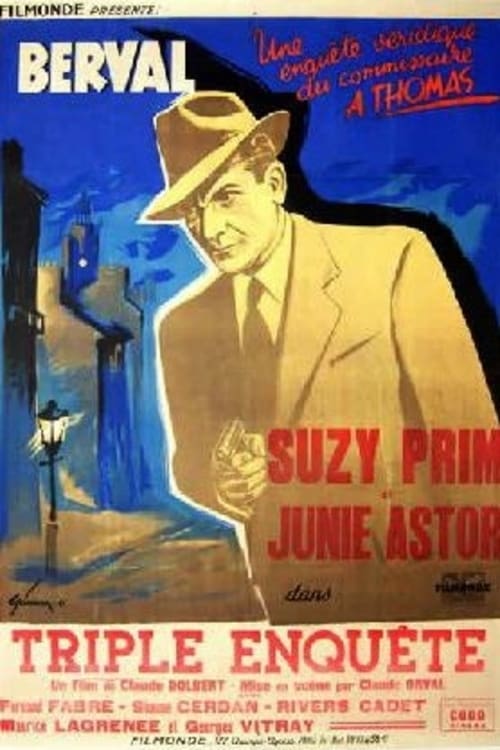
Commissioner Thomas simultaneously investigates the actions of an oil company, a theft and an assassination, and the kidnapping of a child with look-alikes.
Strange things are happening in the evening at the mansion: glass things break without any apparent reason. Professor Calculus, somewhat apathetic to the whole series of events, leaves the following day to attend a conference on nuclear physics in Geneva. Foreign powers get wind of his work and send their agents to investigate.
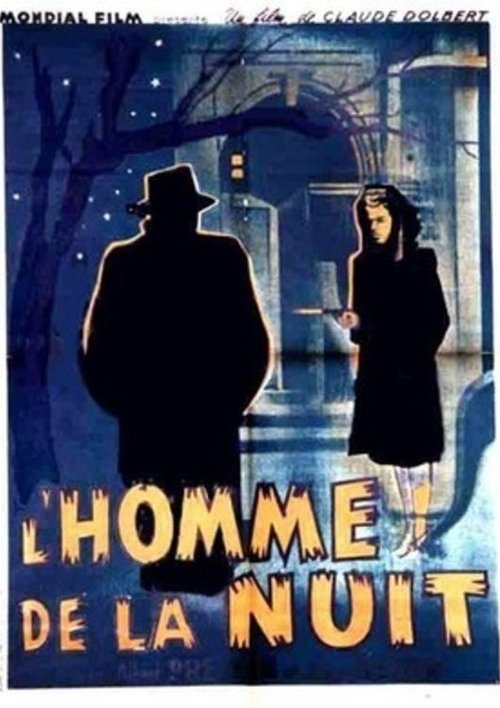
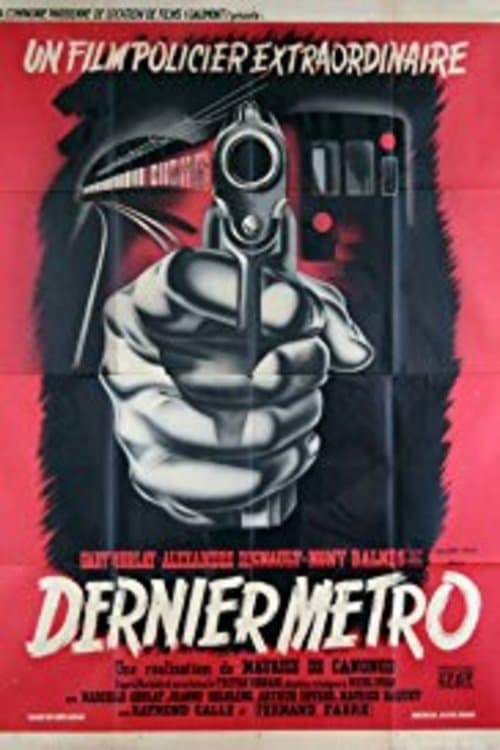
Leaving the station after having caught the last Paris Metro, a man comes to the rescue of a woman who is being assaulted and finds himself drawn into her affairs.
A beautiful widow gambles away her fortune at baccarat and is forced her to sell her jewels and ask Victor for hospitality. Victor tries to seduce her but she loves the shy Gaston.
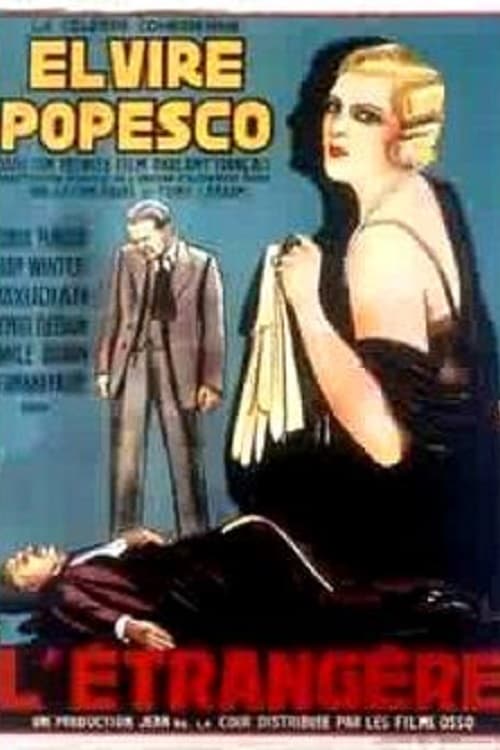
A New York music-hall actress lives in a miserable loveless marriage. After a violent scene, the man leaves her, taking their baby and leaving it with rich Englishmen. Having become a great singer, she finds her son with the help of a lawyer who loves her.
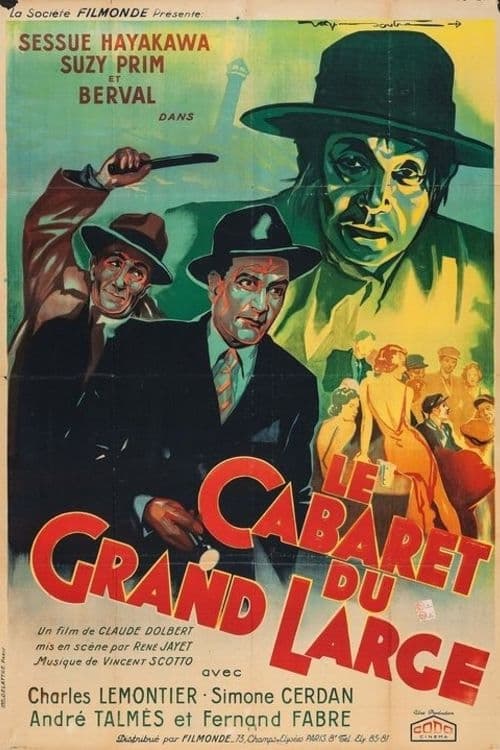
Superintendent Thomas is investigating a cabaret owner with suspicious actions.
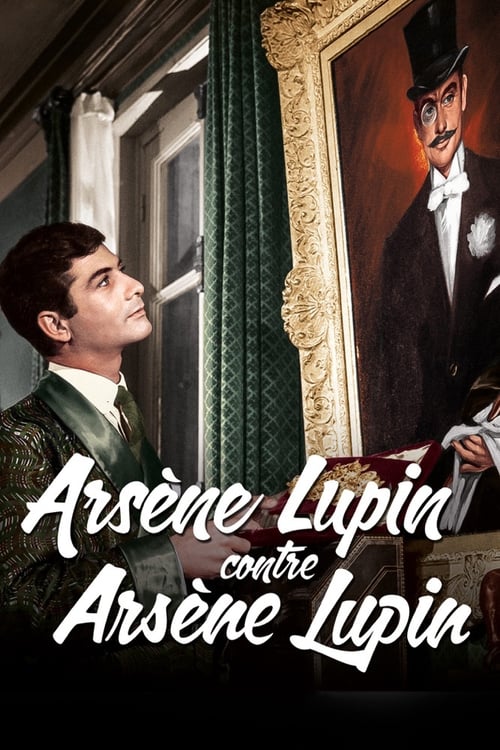
André Laroche, an industrialist, has just passed away. Face to his grave, as he is being buried, Anne de Vierne, the wife of a magistrate, confesses to her son François that Laroche was in fact Lupin and that he is his natural child. But he is not the gentleman thief's only offspring! Lupin had indeed another son by a housemaid, Gérard Dagmar, a dancer, magician and - occasionally - burglar. Which complicates the task of François who, to respect the last wishes of the testator, has gone in search of the treasure of Poldavia. For he keeps finding Gérard on his way and his efforts are constantly thwarted by his half-brother. Will Gérard prevent François from becoming the worthy successor to their father or will the two young men decide to join forces? That is the question.
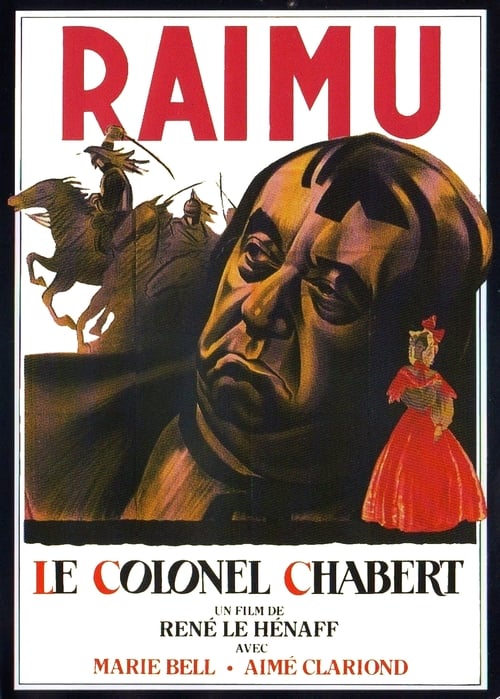
The story of a French officer who is assumed dead during the Napoleonic Wars, but returns ten years later to a very different France, both on a political and personal level. The film is based on the novel Colonel Chabert by Honoré de Balzac.