Directing
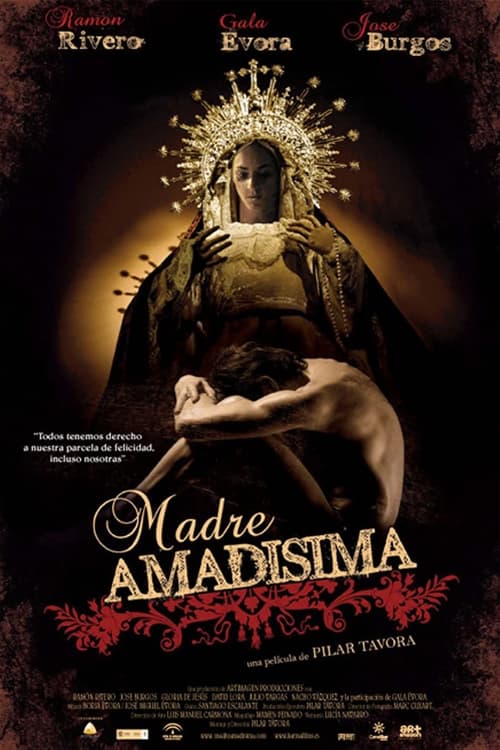
The film tells the touching story of Alfredito, a sacristan in a country church: in a long flashback he talks about his life and his deep love for his mother and for the Virgin Mary, both 'beloved mothers' (madres amadísimas). From the discovery of his sexual identity to his first love, from his military service to his move to the big city, his personal experience traces the history of Spain, from Franco's dictatorship to the achievement of democracy. A baroque melodrama where the protagonist's homosexuality and religious belief together form a single devotion, passionate and unwavering.
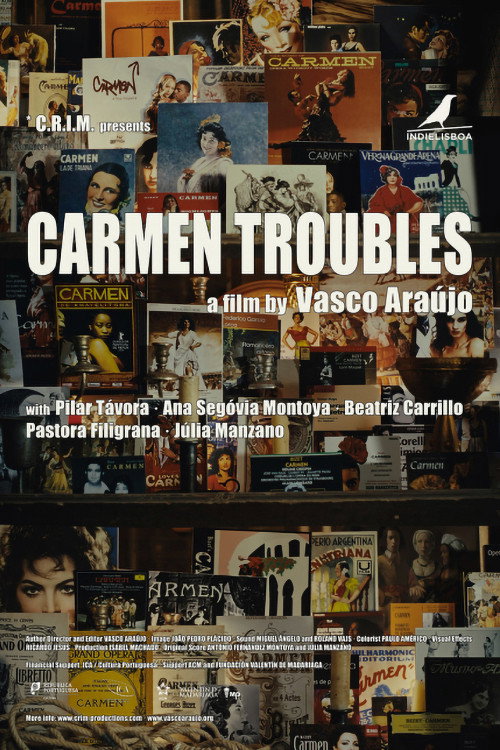
Georges Bizet's famous opera Carmen tells the story of the eponymous Gypsy woman, depicted as being impulsive and with an eye on smuggling. Taking this perpetuated stereotype into account, we visit a group of Spanish gypsy women who are claiming their own space.
A documentary about the inner, unknown world of the brotherhoods, a universe of its own with its own laws, rules, and philosophy far removed from religion, which were (and in many ways still are) foreign to most people, especially the non-Andalusian majority in Spain. It is the only audiovisual document that captures the pivotal moment for the "people at the bottom" when professional bearers (dockworkers, day laborers, and various other wage earners) are being "pushed out" of the brotherhoods and replaced by fellow bearers. From an anthropological perspective, "Costaleros" projects peculiarities of Andalusian culture that are often misinterpreted and misunderstood from the outside.
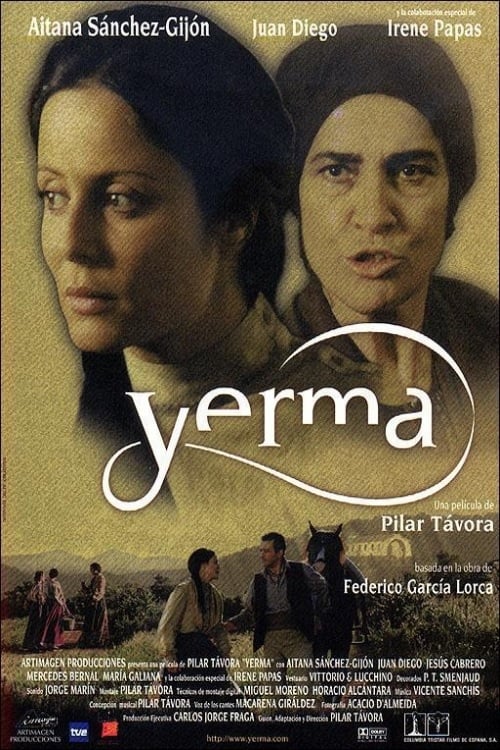
Yerma is desperate to have children, so when a psychic advises her to look outside her marriage to conceive, what can she say but yes?
This short documentary, with its aim of exposing the festival from the perspective of Andalusian culture and anthropology, delves into the complexities of this celebration. Understanding how difficult it is for outsiders to grasp that a saint could be a member of the UGT (General Union of Workers) during the Civil War and possess a membership card, we gradually decipher the festival while simultaneously revealing features common to many other celebrations deeply rooted in the culture and popular religiosity of the Andalusian people, such as the presence of a communist mayor presiding over the saint's procession and offering cheers.
A documentary essay that, through exclusively images, music and editing, aims to show a different image of the manipulated Andalusia that had been present on movie screens for many decades.
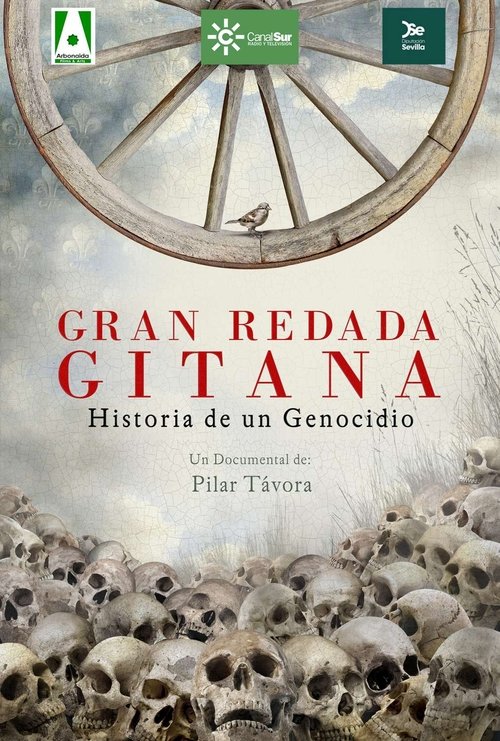
The Great Roundup was an operation organized by King Ferdinand VI and his minister, the Marquis of Ensenada, with the aim of exterminating the Romani population in Spain. Under the pretext of "cleansing" the country, between 10,000 and 12,000 Gypsies (almost 1% of the Gypsy population at the time) were captured without any trial or formal charges.
In his time of greatest splendor, the singer Miguel 'Bambino' Vargas Jiménez (1940-99) was the last frontier of flamenco, an immense musical genre that he developed and brought closer to large audiences: an artist of artists, the idol of the roadside bars, whose inimitable style, scenic magnetism and heartbreaking personality made of his figure a myth, a king without a kingdom, a giant of the popular music of the 20th century.