Acting
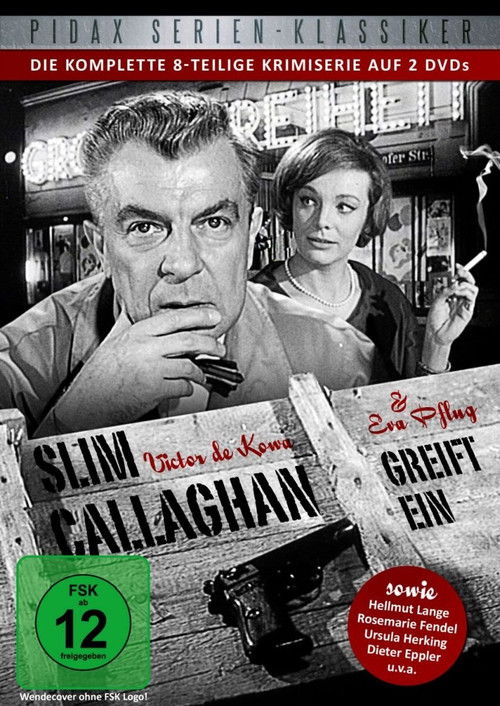
A police department, lead by an older, experienced detective solve crimes together.
Derrick was a German TV series produced by Telenova Film und Fernsehproduktion in association with ZDF, ORF and SRG between 1974 and 1998 about Detective Chief Inspector Stephan Derrick and his loyal assistant Inspector Harry Klein, who solve murder cases in Munich and surroundings.
Der Kommissar is a German television series about a group of detectives of the Munich homicide squad. All 97 episodes, which were shot in black-and-white and first broadcast between 1969 and 1976, were written by Herbert Reinecker and starred Erik Ode as Kommissar Herbert Keller. Keller's assistants were Walter Grabert, Robert Heines, and Harry Klein who, in 1974, was replaced by his younger brother Erwin Klein.
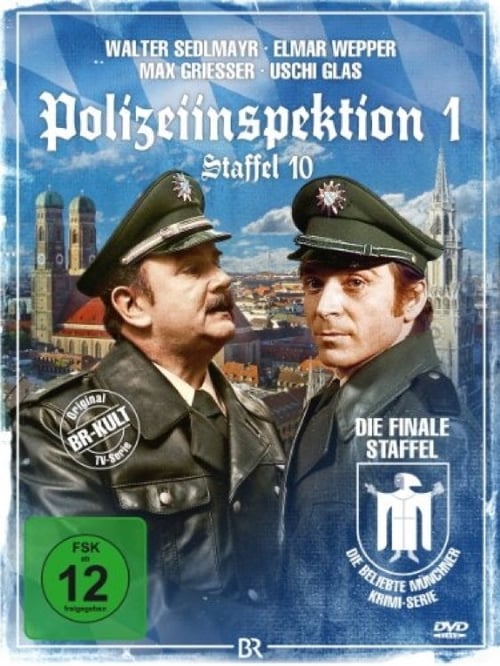
Polizeiinspektion 1 is a German television series.
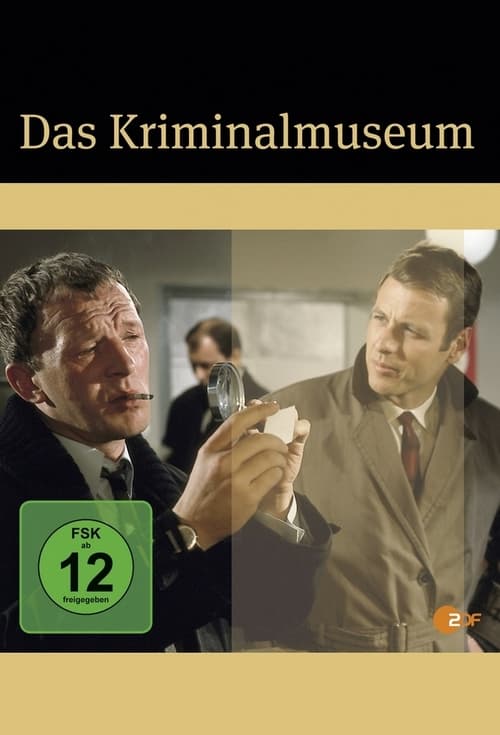
Das Kriminalmuseum was a German television series. It ran from 1963 to 1970 on ZDF and was one of its first programs. Each episode began with a tracking shot through an unspecified crime museum, stopping at one of the displays, whose story was then told. Each episode was between 60 and 75 minutes long and featured different actors as the criminal commissioner. The best known was Erik Ode, who in 1969 moved to Der Kommissar, appearing in 97 episodes. The theme music of the series was written by German composer Martin Böttcher, who also composed the complete scores for five episodes.
Dem Täter auf der Spur is a German television series.
No description available.
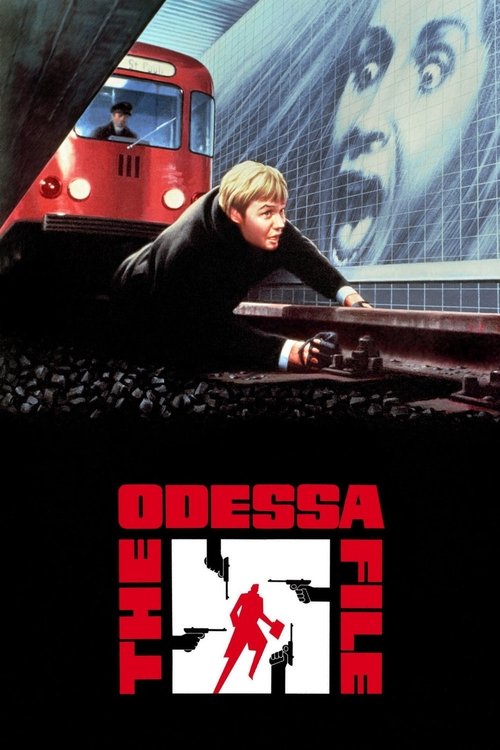
Following the suicide of an elderly Jewish man, investigative journalist Peter Miller sets out to hunt down an SS Captain and former concentration camp commander. In doing so he discovers that, despite allegations of war crimes, the former commander has become a man of importance in industry in post-war Germany, protected from prosecution by a powerful organisation of former SS members called Odessa.
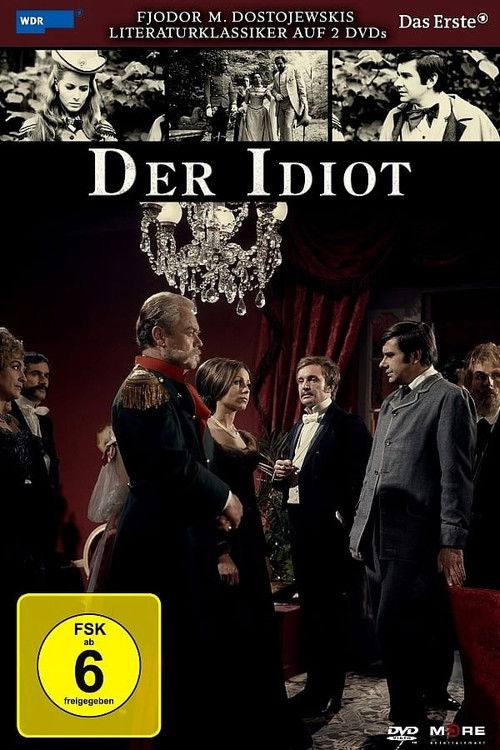
Discharged from a Swiss sanatorium, Prince Myshkin finds himself thrust into the wild St. Petersburg social scene immediately upon his arrival in Russia. He, who is “obsessed” with charity, cannot bear to see Nastasya—the former mistress of a wealthy man—now being “auctioned off” like an object. Myshkin wants to save her and asks for her hand himself, even though he has since fallen in love with the young Aglaya.
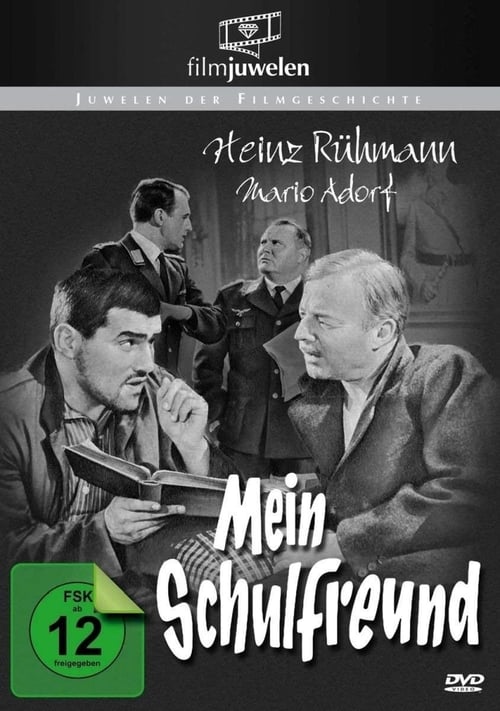
In the midst of World War II, postman Ludwig Fuchs writes a letter to his former school friend Field Marshal Hermann Göring, urging him to work for peace. He is declared mentally incompetent. After the war, he struggles to shake off the stigma of alleged mental illness. Göring is executed. Fuchs forces the court to examine him: he vandalizes the lobby of Post Office 122 in Munich and is rehabilitated (with full salary compensation for lost years).
Bandits force a cotton farmer to treat a young man who has been shot. Though the farmer has only basic medical experience he saves the boy's life. The bandits declare the farmer their doctor and he even teaches them to read and write.