Acting
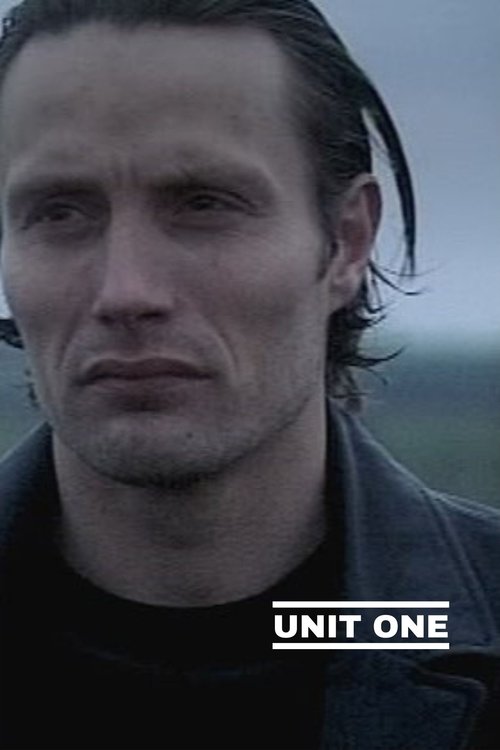
Rejseholdet is a Danish television crime series starring Charlotte Fich, Mads Mikkelsen and Lars Brygmann. Produced by Danmarks Radio, the program aired 32 episodes spanning four seasons from 2000 to 2004. Each episode revolved around an elite mobile police task force called "Unit One" that travels around Denmark helping local police solve crimes. Cases portrayed in the show were loosely based upon actual incidents of sensational crimes such as murders, kidnappings, cross-border sex traffic and child pornography. Rejseholdet won the 2002 International Emmy Award for best drama series.
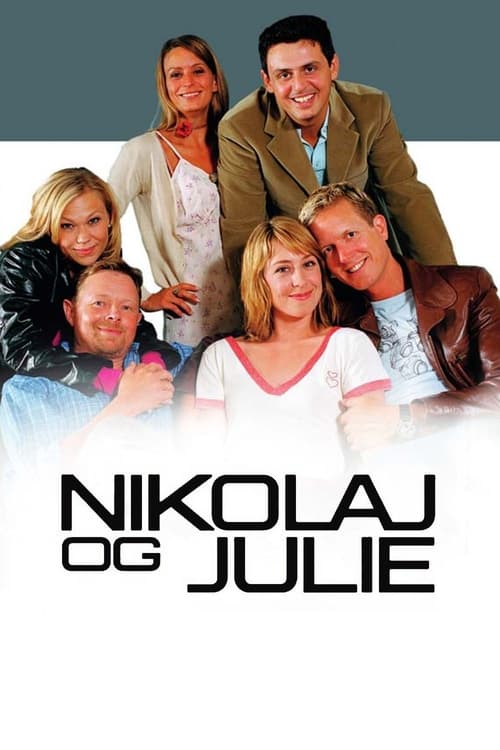
Copenhagen thirtysomethings Nikolaj and Julie struggle with marriage, baby and work, plus friends of varying maturity.
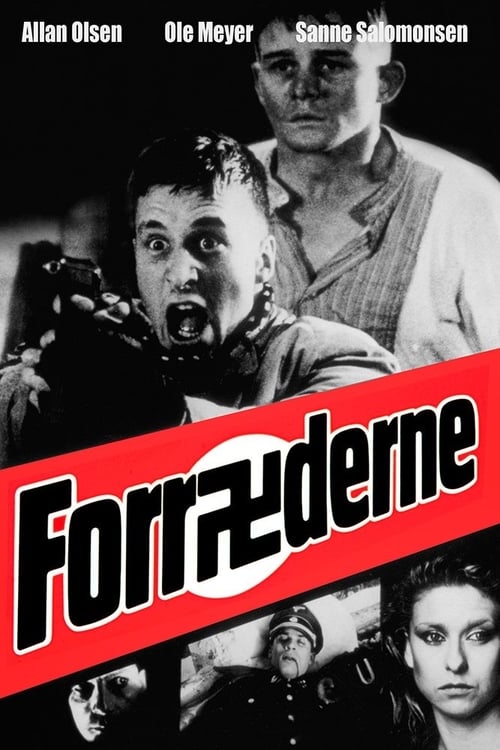
Two Danish youngsters see action in the USSR as volunteers in a special legion under German command in 1944-45. Returned to a camp in their native country, they go AWOL, having first killed a couple of officers. They are now being chased through a wintry Denmark by the German Army, Danish Quislings and the Danish freedom fighters. Love crosses their path when they take a Jewish girl as hostage.
In 1970s Denmark, the criminal police in a provincial town solve different criminal cases, when the police was dominated by men and DNA was not yet a tool in investigation.
A terrifying drama about what might happen in a disaster situation. An airplane loaded with bacteriological weapons crashes in the south of Sweden, causing an epidemic.
Several lonely hearts in a semi-provincial suburb of a town in Denmark use a beginner's course in Italian as the platform to meet the romance of their lives. The film, which unspools the connections and family drama shared between the students, complies with several aesthetic principles of Dogme 95 movement.
No description available.
A crew of young, small-time crooks screws up. Ripping off a shipping container of Chinese silk for a Rasta gang, they also come away with two and a half kilos of heroin belonging to the Latvian mafia. A friend of theirs, Jens (Kim Bodnia), a plainclothes cop, tries to mediate, but instead all barrels are turned on him. The Latvians and the Chinese want him. Jamaican dope growers, ice-cold Serbian heroin dealers and Polish human smugglers are gunning for him. And to top it all off, he also has to dodge his fellow officers, backed by the scuba corps and elite-forces soldiers, to save his young friends.
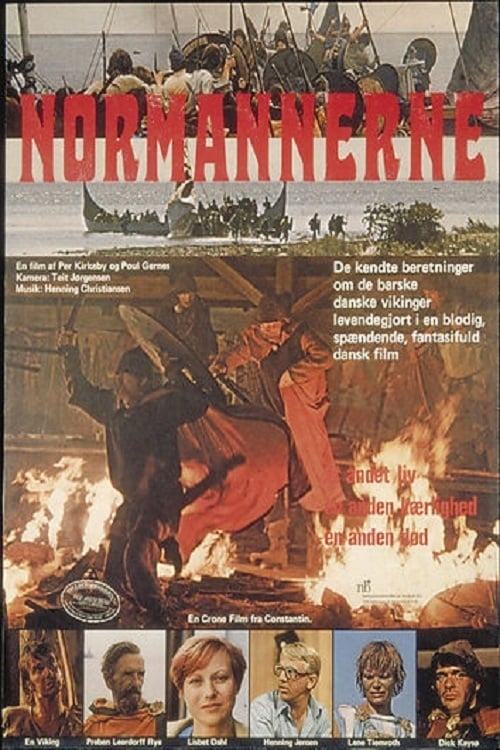
With "The Normans," painters Paul Gernes and Per Kirkeby wanted to make a film about the Viking Age, but not a traditional fiction film set in that period. Instead, the film has a contemporary setting, in which a guide shows various historical sites and tries to bring the past to life, even though she has only one interested listener. Within this framework, episodes from Danish mythology are brought to life: King Skjold, Rolf Krake, Regnar Lodbrog, the Battle of Svold, etc. The film mainly follows the account in Saxo's chronicle, but also dramatizes a story by the Arab author Ibn Fadlan. He described the cremation of a Viking chieftain in Russia around the year 900, where, among other things, a slave woman was sacrificed after ritual intercourse. The film is based on a number of historical and archaeological studies. The loose form is intended to emphasize how fragmentary our knowledge of the Viking Age actually is.
Lars lives a life dedicated to his disabled mother and his job at a petrol station. One day the girl he is secretly in love with, Julie, faints at his feet. Julie recovers but suffers from an acute psychosis confusing Lars with her deceased boyfriend Søren. Lars decides to take on Søren's identity and keep Julie locked in her psychosis. This is his chance of a lifetime, to experience love.
A satirical drama revealing the consequences of the Danish government's "New Copenhagen Criteria", a new policy aiming at securing the nation's survival. Citizens who fail to meet the criteria – those who have received more from society than what they have contributed – are eliminated.
In a dystopian future, Denmark's lower classes must live as nomads—living in vans, always on the move, endlessly driving on a system of ring roads. Although they try to maintain a certain degree of humanity in their daily lives, there is no room for emotion or compassion among the wanderers.
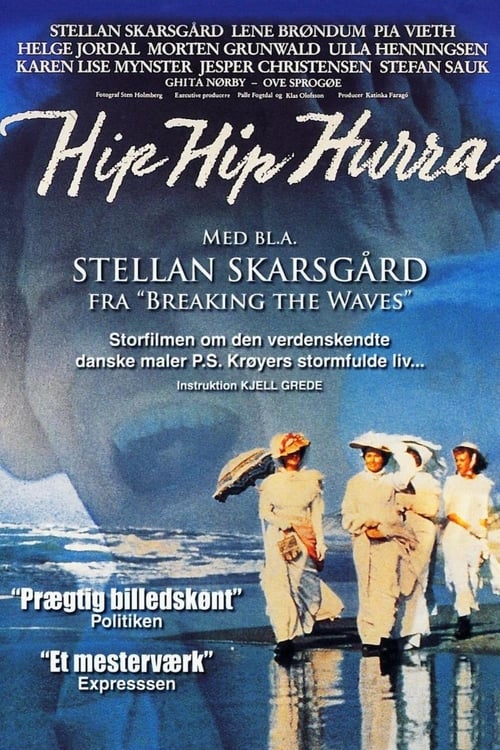
The life and times of the Scandinavian artists' colony who lived in Skagen on the Danish coast during the 1890s. Not so much a biographical account, rather a portrait of a way of life. The painters became famous for the way they used the light in their work, and this has also been mirrored in the cinematography.
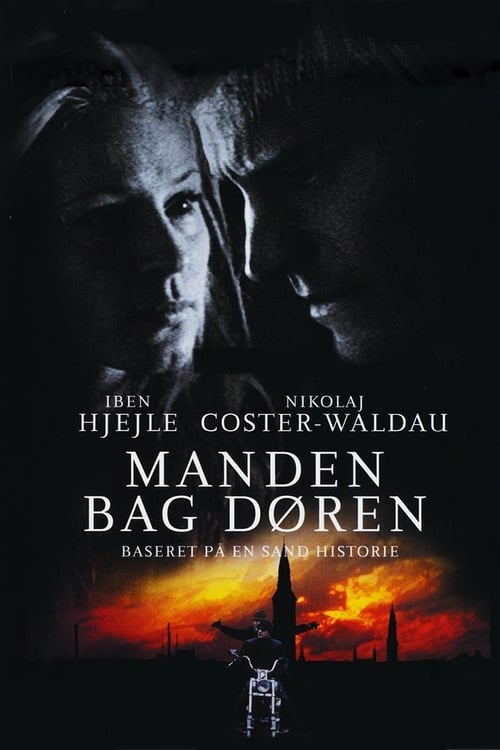
Based on a true story the film tells the story of Svend who fights to save his elderly parents' marriage even though it has made his life almost unbearable. When he meets Lizzie he discovers how big a part of his family's hatred and jealousy he himself is. The only thing left is the ultimate break off, or the ultimate forgiveness.
One Saturday evening, Trine prepares dinner for her boyfriend Hans. Unfortunately, Hans is delayed, as on his way between Frihavnen and Valby, he encounters a series of individuals whom he feels compelled to wait for in various ways. Back at the club apartment, Trine decides to transform the romantic dinner into a kitchen party for her friends.
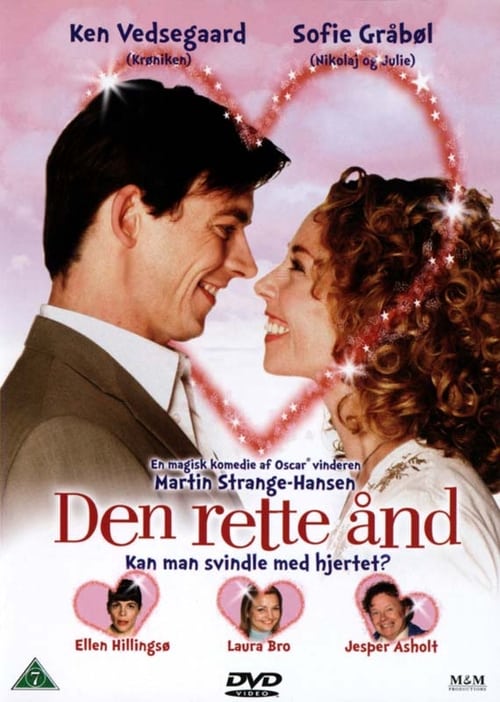
Poul is a struggling magician looking for just the right trick to take him to the big time. To get the money to acquire 'The Sawed-in-Half Lady' from Frankfurt he makes a deal with Arne, a shifty insurance agent. Using his magic skills, Poul pretends to be a clairvoyant exorcist, while Arne supplies the clients. Then Poul meets Lærke, the owner of the 'Spiritual Universe' store, and he realises there really is more between heaven and earth and that a whole woman is better than two half ones.
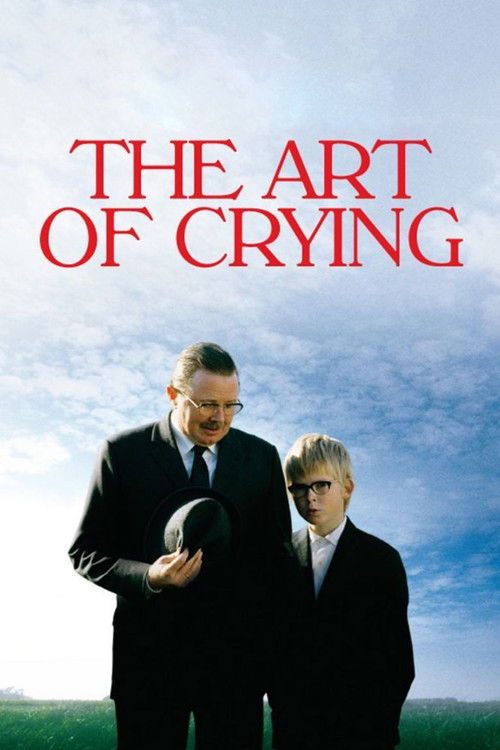
Life is not easy for 11-year-old Allan living in South Jutland during the early 1970s. His mentally unstable father frequently threatens suicide and his mother has long since given up. It's up to Allan to keep the family together. When a rival family threatens his father's livelihood, Allan starts committing atrocious acts.
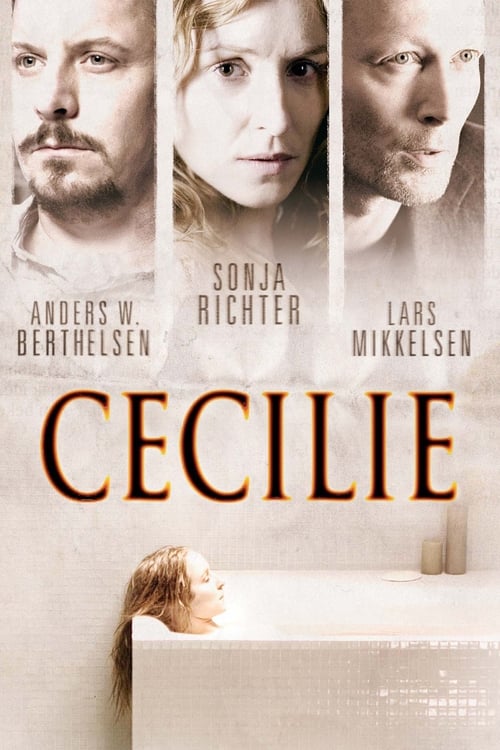
Cecilie sees and hears things no one else does; places suddenly change appearance, people aren´t really there. One night she experiences a rape, but no traces are to be found. Her husband Mads commits her to a psychiatric hospital. With the help of a psychiatrist, Per, she begins to see a frightening connection between her condition and a brutal murder that happened more than 30 years before.
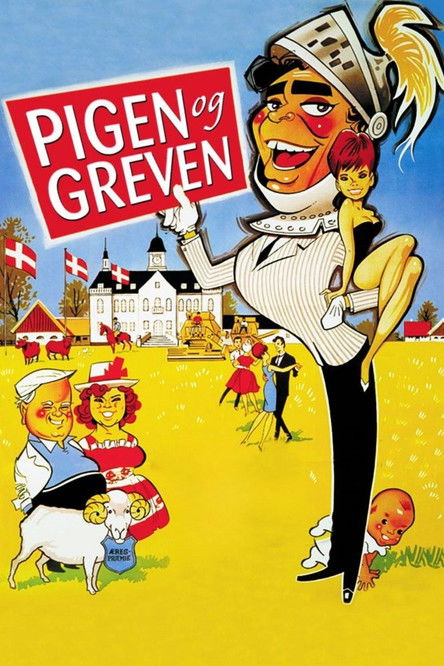
Susanne is going to the countryside to visit Ditmar. Ditmar has been abroad for over a year, and in the meantime, Susanne has given birth to Lulu without Ditmar's knowledge. Susanne's good friend and nanny, Andreas, accompanies her to the estate. Andreas and Lulu are assumed to be the butler and his daughter. Andreas agrees to the idea so that he can keep an eye on Susanne. However, Andreas falls in love with the daughter of the house, who believes he has a wife. At the same time, Susanne tries to tell Ditmar that Lulu is their child.