Production
They hide in the darkest, most inaccessible corners, are armed with venomous quills and hooked legs, and possess cunning and effective hunting strategies, worthy of the most fearsome predators. Herpetologist Phil De Vries takes us on a journey to discover some of the most dangerous invertebrates on the planet, from the giant centipede of the Amazon to the deadly Japanese mandarin wasp. But beware: what might seem like a nightmare to us is actually something this eccentric scholar can't get enough of.
Learn how six dictators, from Mussolini to Saddam Hussein, shaped the 20th century. How did they seize and lose power? What forces were against them? Learn the answers in these six immersive hours, each a revealing portrait of brutality and power.
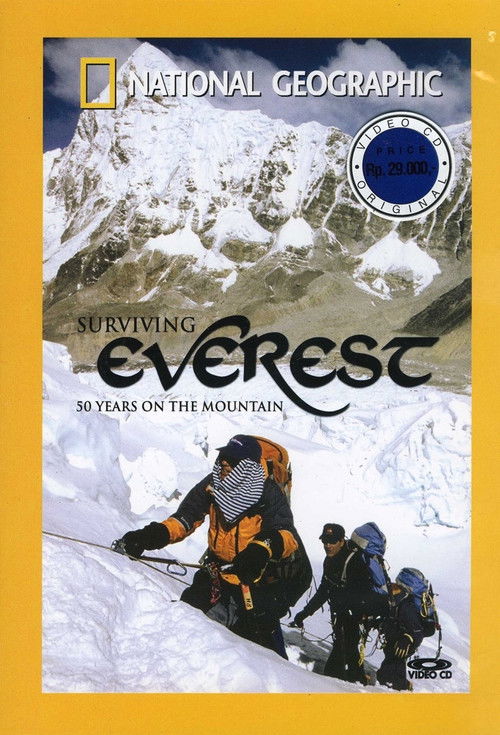
Half a century ago, Edmund Hillary and Tenzing Norgay became the first humans to stand atop the highest mountain of earth. Now, their sons and Brent Bishop, son of the first American to summit Everest, make a historic expedition to face Everest's unforgiving heights. Experience their harrowing, deeply individual quests to conquer this awesome peak - and discover the dramatic history of Everest, from tragedy and triumph to the unsung role of the remarkable Sherpa people. With gripping, on-location filming and never-before-seen archival footage, this is the thrill of Everest as only National Geographic can present it!
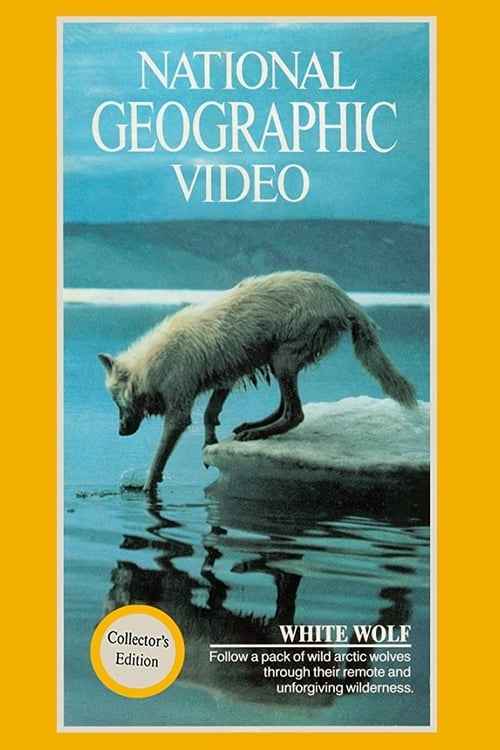
In the harsh northern reaches of Canada's Ellesmere Island, elusive arctic wolves share their secrets with two patient observers. Shielded by their remote location and inhospitable climate, these wild animals have not yet learned to fear humans. This is the most intimate film about wolf behavior ever made.
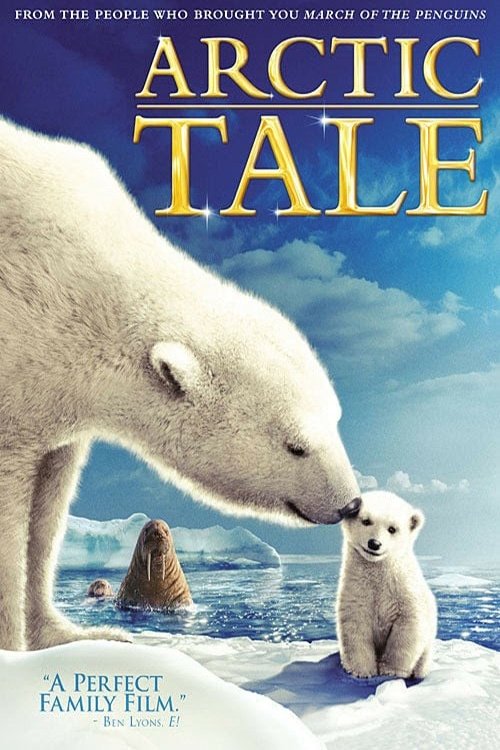
Arctic Tale is a 2007 documentary film from the National Geographic Society about the life cycle of a walrus and her calf, and a polar bear and her cubs, in a similar vein to the 2005 hit production March of the Penguins, also from National Geographic.
A documentary about the influences on Tolkien, covering in brief his childhood and how he detested the onslaught of industry through the idyllic countryside, moving on to describe his fighting experience from WWI, and closing with a look at the Finnish inspiration for the scholar's self-invented languages of Elfish. In between are interviews with the cast of the films and some clips, by far the most from "The Fellowship of the Ring", but a few glimpses of Rohan riders (from "The Two Towers") are provided. Also, there are interviews with a range of the filmmakers.
Documentary exploring the parallels between 'The Return of the King' and real events and people in history.
What is it really like to go to war? Filled with terror, pain, and grief, it also brings exhilaration, and a profound sense of purpose. Renowned authors Karl Marlantes and Sebastian Junger help us make sense of this paradox and get to the heart of what it’s like to be a soldier at war. Veterans of various conflicts reveal some universal truths of combat with unflinching candor.
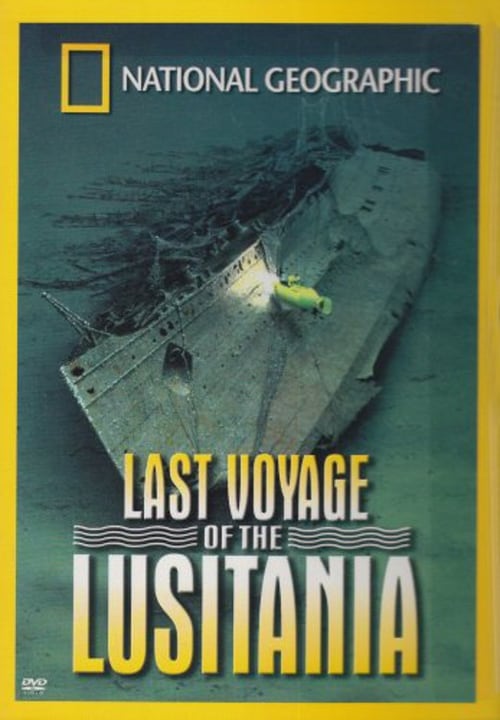
Why did Germany torpedo the Lusitania, a civilian vessel? And why did such an enormous ship sink so fast? Now, take a high-tech plunge beneath the Irish Channel and relive on of the century's most mysterious maritime tragedies: The date is May 7, 1915, just nine months into World War I. A German U-boat torpedoes the Lusitania — one of than largest and fastest luxury liners in the world. Of the 1,959 people aboard, including millionaire Alfred Vanderbilt, nearly two-thirds will die. Many are trapped inside as the great ship sinks in just eighteen minutes.
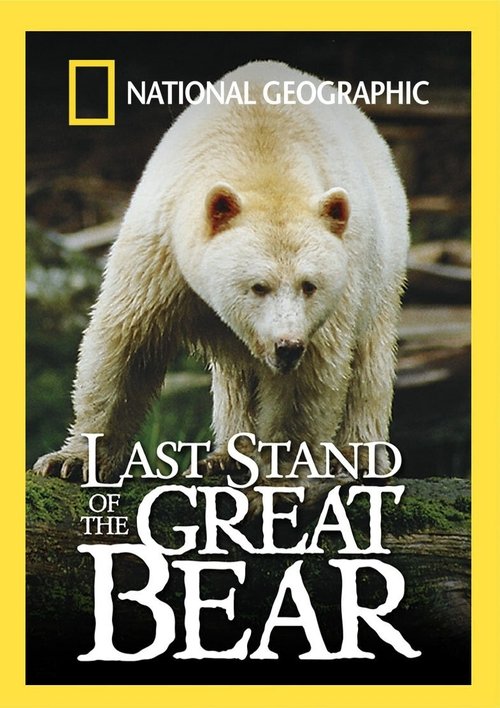
National Geographic embarks on a 250-mile adventure through unspoiled territory along the coast of British Columbia called the Great Bear Rain Forest. It is here that bear-hunting wolves take to the sea, grizzlies clash in titanic battles, and wild salmon are the pulsing lifeblood of an entire ecosystem. As this precious habitat faces an uncertain future, threatened by chainsaws and fish farms, a team of dedicated scientists is racing to prove that it must be protected. Forming a wilderness detective squad, these experts are searching for the rare white spirit bear and collecting clues that will decipher the secret life of the forest's elusive inhabitants.
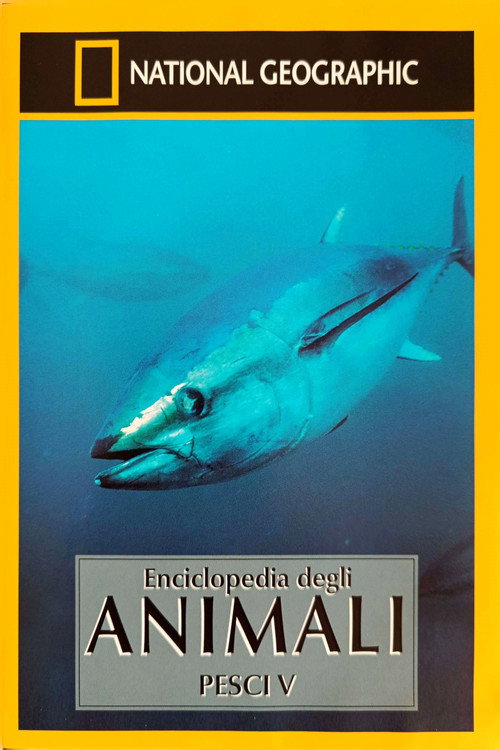
It's one of the ocean's most extraordinary and mysterious creatures. It's often seen, but very little is known about it: it's the bluefin tuna. It's faster than a dolphin and its hunting prowess rivals that of a great white shark. Traveling at over fifty miles per hour, it crosses the oceans. However, very little is known about its movements and life history; it's a creature so evolved that it escapes human observation. National Geographic guides us on a journey to discover the bluefin tuna.
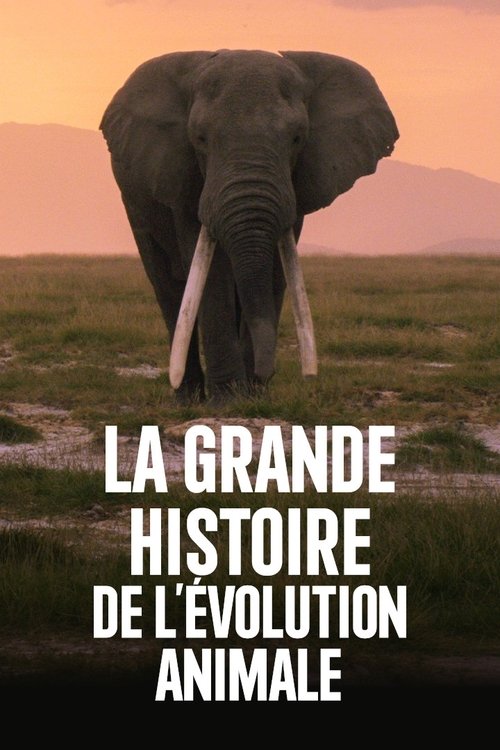
Discover the evolutionary secrets of some of the world’s most majestic creatures. From voracious crocodiles and acrobatic birds to stupendous whales and majestic elephants, this documentary follows top scientists on a global adventure as they follow clues from the fossil record and change what we thought we knew about the evolution of iconic beasts.
It's death on an unimaginable scale, when a majority of Earth's species quickly die out. It's called "mass extinction," and it's happened at least five times before. Cataclysms, such as supervolcanoes or asteroids, are thought to cause these events, but some experts believe a manmade mass extinction could be next. Is our planet in trouble? And if so, is there anything we can do to stop the next catastrophic annihilation? Experts are traveling the world, performing groundbreaking scientific detective work to answer these very questions.
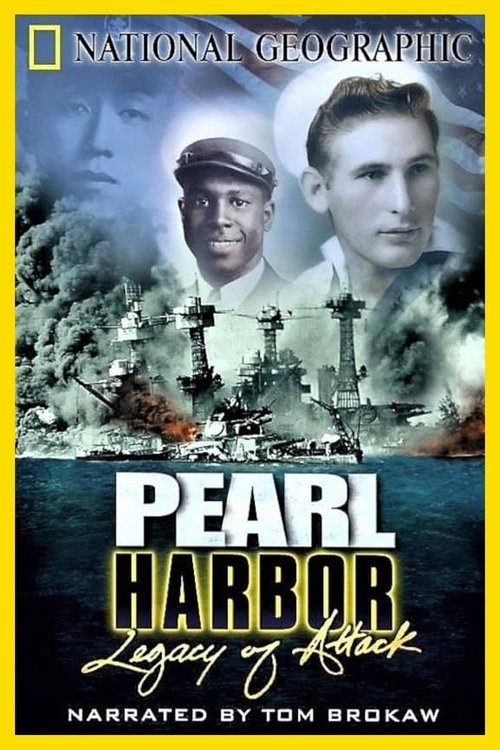
Documentary narrated by Tom Brokaw. National Geographic delves into the untold storylines and unresolved mysteries surrounding the Japanese attack on Pearl Harbor on Dec. 7, 1941. Oceanographer Robert Ballard dives deep into the waters of the harbor to find the remains of a Japanese sub and closely examine the famous wreckage of the USS Arizona. This footage is mixed with interviews with survivors of the attack.
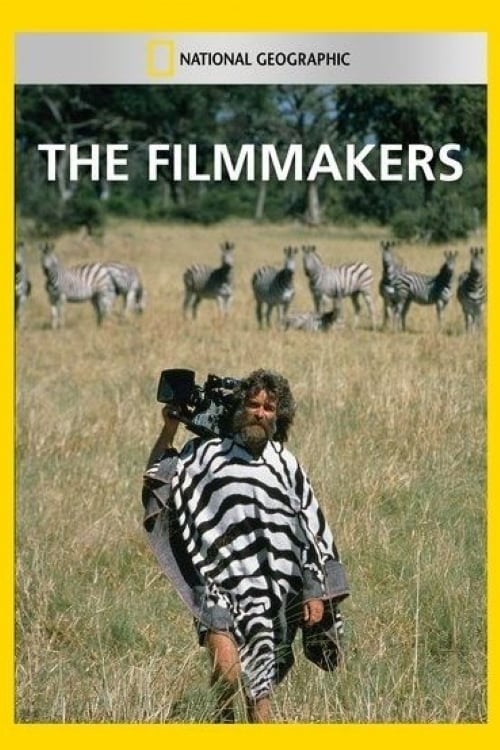
National Geographic Wildlife Filmmakers Go Eye-to-Eye with Danger! They swim with sharks, confront venomous snakes, and stalk hungry lions. They're National Geographic filmmakers, and for these remarkable adventurers, capturing unforgettable footage in the wild is not just a job, it's a way of life. Join a cinematographer in the rain forest canopy as he goes to incredible lengths - and heights - to film the world's most powerful bird of prey. Witness the frustration of a filmmaker who just misses the scene-stealing shot of jackal pups greeting their mother in the Serengeti, and feel the exhilaration when he finally captures the event to perfection. Meet the talented professionals who go behind the camera every day and sometimes risk their lives to bring us extraordinary images of nature's most amazing creatures.
Diseases that were largely eradicated in the United States a generation ago—whooping cough, measles, mumps—are returning, in part because nervous parents are skipping their children's shots. NOVA's "Vaccines—Calling the Shots" takes viewers around the world to track epidemics, explore the science behind vaccinations, hear from parents wrestling with vaccine-related questions, and shed light on the risks of opting out.