Directing
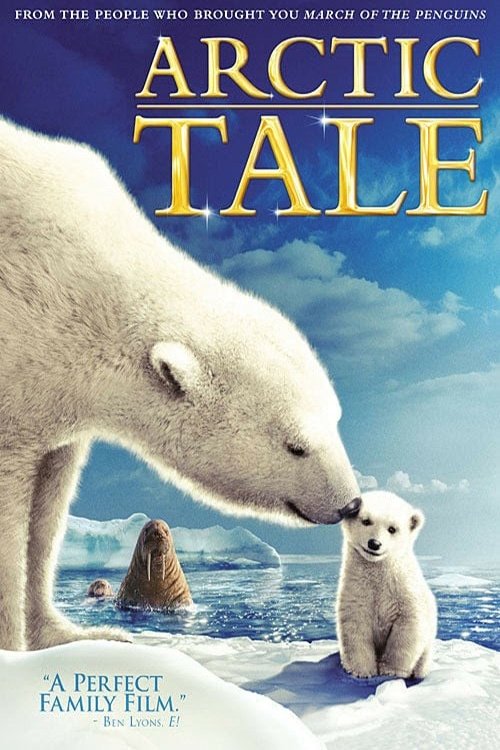
Arctic Tale is a 2007 documentary film from the National Geographic Society about the life cycle of a walrus and her calf, and a polar bear and her cubs, in a similar vein to the 2005 hit production March of the Penguins, also from National Geographic.
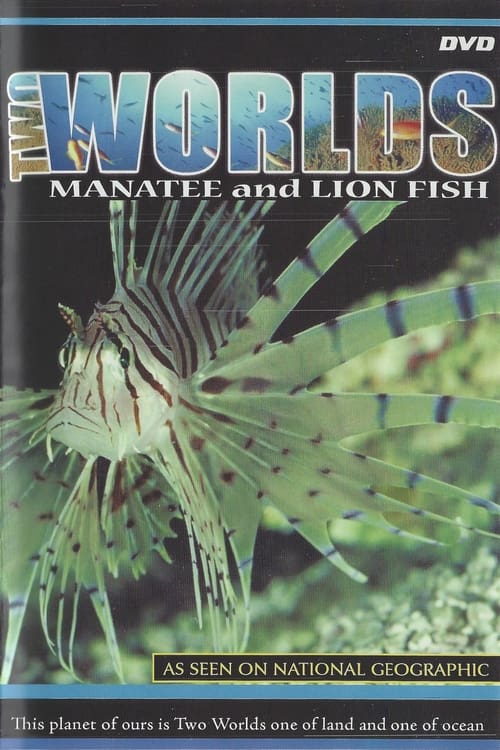
Two Worlds is a celebration of the glories of the ocean. Coral reefs gleam like gardens in clear water, while tiny creatures live unseen lives of staggering complexity. With stunning imagery and unseen glimpses of life below the ocean's surface, Two Worlds beautifully captures this range of biological wonders and mysteries.
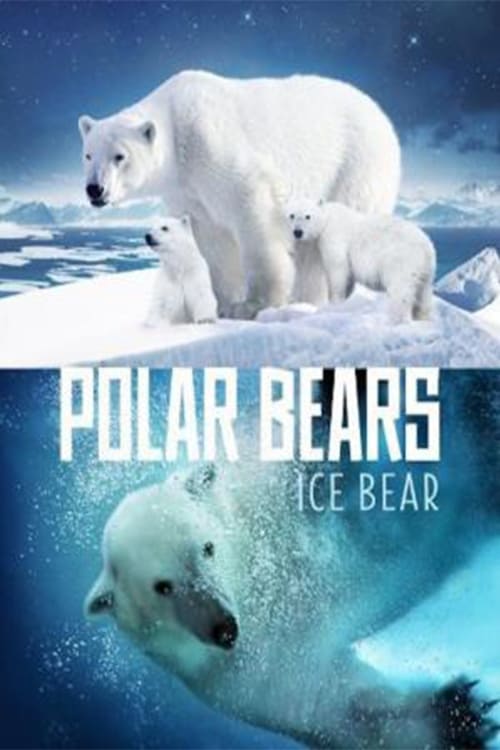
An enthralling look at the Arctic's biggest predator on ice, capturing rarely-seen behavior, and featuring breathtaking cinematography shot over 12 months in the Canadian Arctic.
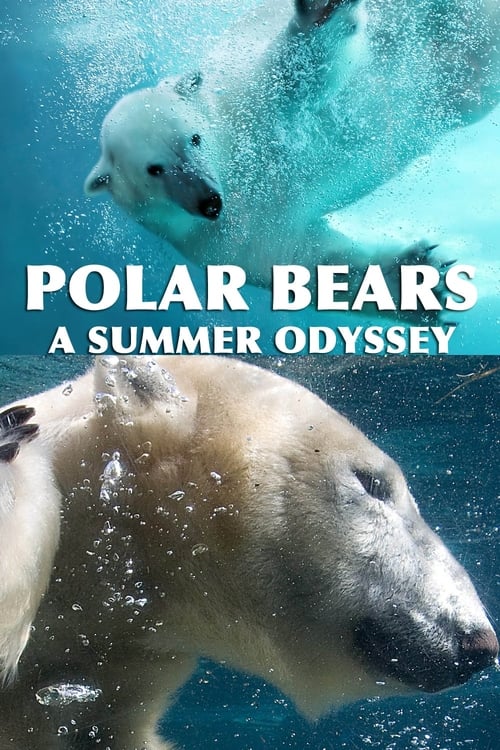
A captivating documentary following a young polar bear venturing on his first solo journey across the Canadian Arctic during the summer thaw. As the ice disappears, he must adapt to a challenging landscape without the one thing polar bears depend on most: sea ice. With stunning cinematography and heartfelt narration, this film offers a rare glimpse into the resilience and struggle of polar bears facing a rapidly changing climate.
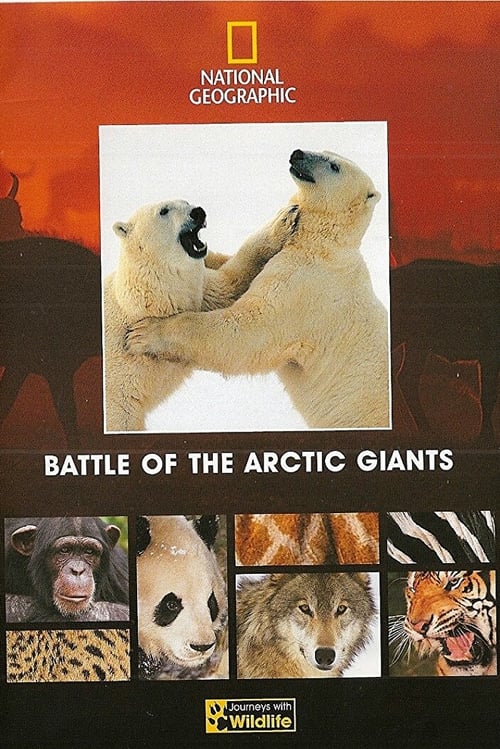
From National Geographic comes this 52 minute documentary (No 27, in the 'Journeys with Wildlife' collection) which takes a look at the animal life in the bleak Eastern Canadian Artic. Adam Ravetch moved from the sunny environs of Southern California to the frigid ice sheet of this inhospitable land ten years ago and was intrigued by what he saw there. At first glance the area seems to be a place of frozen desolation, however here amidst the ice floes, walruses live an active existence, battling for survival with the elements and against predators such as polar bears. Ravetch ventures into the Artic at the height of the walrus birthing season, braving the cold and extreme conditions for a rare look into the lives of these tusked giants.
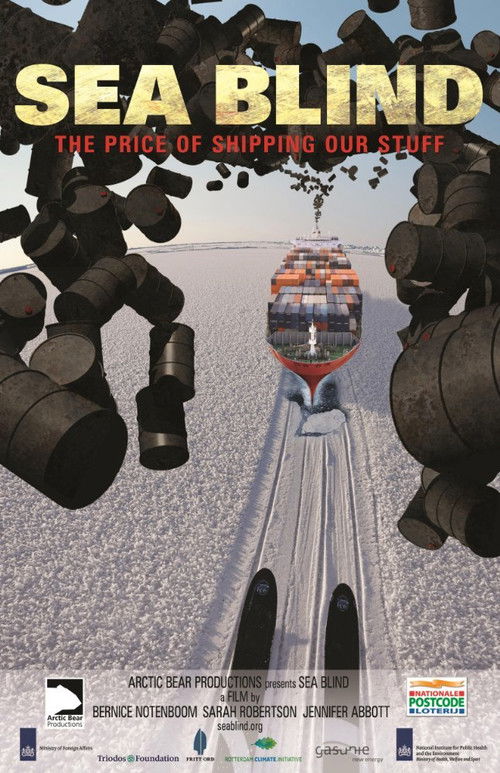
17 of the largest ships emit more sulfur than all the cars on the planet. How is this possible?