Acting
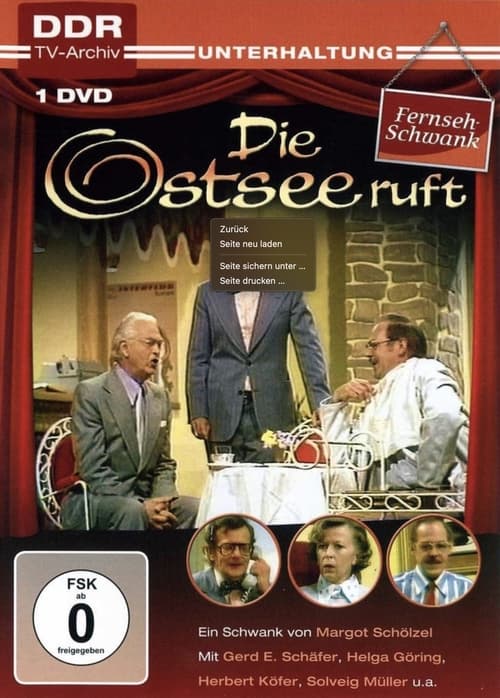
The show was meant to compete with those on West German television. To this end it was fairly successful even attracting a following in parts of West Germany which could receive Eastern TV. Its production values were high. Apart from song and dance numbers and appearances from East German celebrities, almost every broadcast featured well-known stars from the west, often after their popularity had peaked in their home countries.
No description available.
A fairy-tale about a beautiful but very haughty princess Anna who cruelly mocks each of her suitors. Finally she is forced by the king to marry a beggar. The poor life, hard work and love teach the princess a lesson and turn her into a loving and kind person.
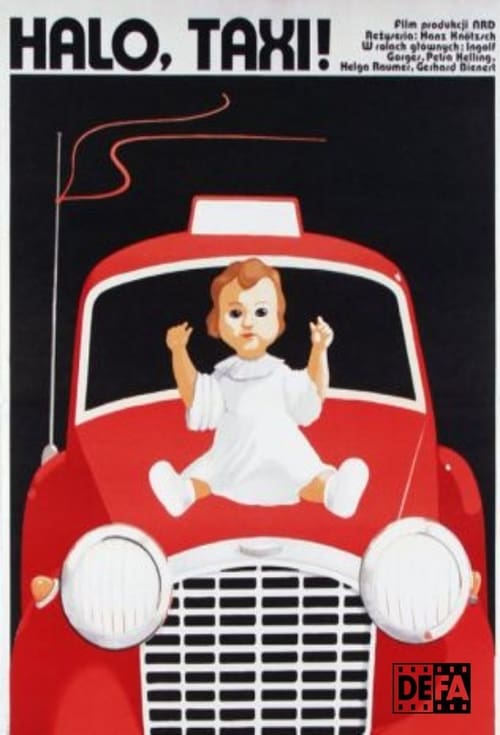
The story of a philanderer behind the wheel of a cab, who gets into a series of hilarious but also adventurous situations, was based on the actual experiences of Berlin cab drivers. It is an entertaining portrayal of how the main protagonist, Eddy, is to be cleverly dissuaded from his dashing bachelor life. Gaby and her grandpa come up with a few ideas. This is necessary, because Eddy may be a proper cab driver, but in his private life he knows no rules when it comes to winning over pretty girls.
After their successful May party, now the Lehmann family want to throw a New Year's Eve part with punch. Wilhelm's sons Franz and Paul are brigade leaders at a chemical factory. One of their brigades consists largely of fanatics of high culture, while the other consists of sports fanatics. But the rival brigades must work together in order to throw a successful New Year's Eve party for the factory, since the occasion requires both elements: sports and culture.
Daughter, mother and grandmother live together in a female household. Young Hannelore Pohl introduces her boyfriend Spletti to her grandmother, as her relationship with her mother does not seem suitable for such affairs. Grandma Wiedemann is also not averse to the janitor Wollenschläger's enthusiastic efforts. Only her overworked mother Gisela Pohl, head of a forestry business, is not open to such things. So Hannelore decides to look for a husband for her exhausted mother, as this is the only way to create a sensible atmosphere in the family. A newspaper advertisement leads to the manager Gisela Pohl and her best employee Bechstein.
After many years away, development aid worker Peter Kessel returns to his home town of Gutenbach in 1982. He is astonished to discover that a lot has changed there. Cashless payments are used everywhere and facilities such as screen journals and video telephones have become a matter of course. Kessel tries to adapt to the changed circumstances and encounters difficulties in the process.
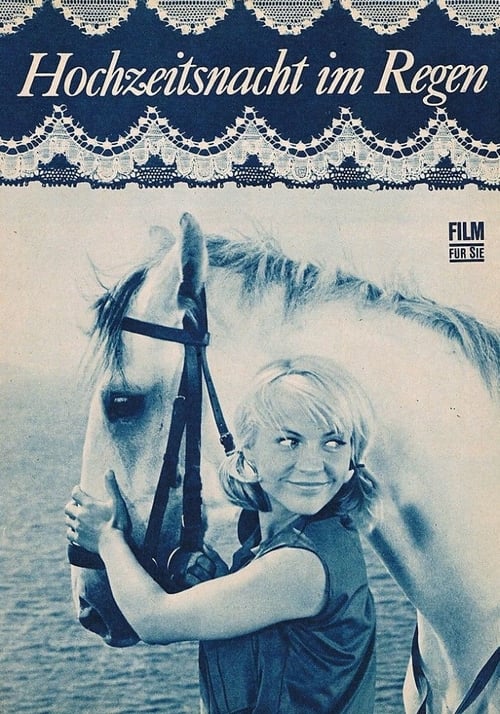
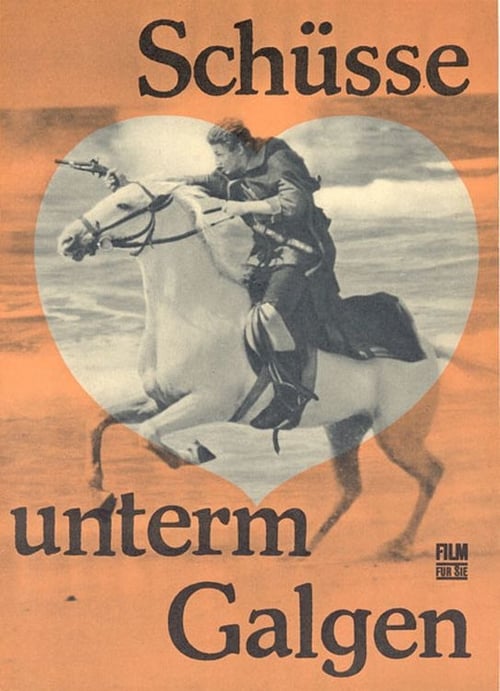
This comedic musical tells the story of Gabi, a young hairdresser from the Baltic coast who desperately wants to be a jockey. One day, she packs her bags, drives to Hoppegarten, and is soundly rejected by the head coach. Gabi doesn't want to give up, and in order to at least have a roof over her head, she rushes into a marriage with the seemingly nice Freddie. However, this marriage soon proves to be her second rejection, as Freddie openly dislikes the fact that she wants to be a jockey.
In Scotland in 1751, young David Balfour is shanghaied aboard a ship where he meets Jacobite rebel Alan Breck Stewart with whom he escapes to the Scottish Highlands, dodging the redcoats.
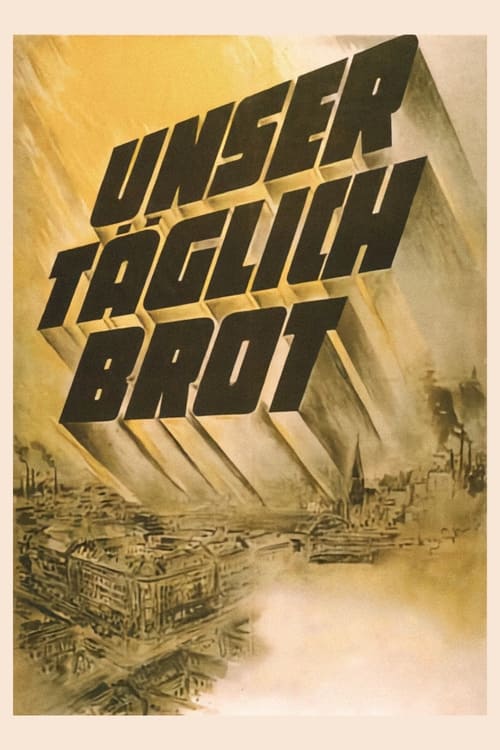
A story about a family after the Second World War. The petty bourgeois cashier Karl Weber of Berlin observes from a distance how his son Ernst participates in the building of a new socialist society. Karl does not understand Ernst's visions, instead he confides in his other son Harry. However, Harry becomes involved in illicit business and Karl quickly realizes that it would be best to join his son Ernst in the citizen-owned factory.
A farmer receives land from the king and discovers a buried golden mortar. He decides to give it to the king out of gratitude, but his clever daughter warns him that the king will surely want him to bring a corresponding pestle as well. When the king throws the farmer into jail for fraud, he bemoans the fact that he did not listen to his daughter.
For some time now, the residents of the placid little village of Sonnenthal talk only about one topic: Football! The ambitious mayor wants to promote the Sonnenthal team to the district league at any price because this success would also boost his own popularity. But he did not expect the resistance of the new head of school, Barbara, who is heavily annoyed by the one-sided focus. To bring Sonnenthal′s men and the mayor in particular to their senses, Barbara sets up a women′s football team that soon turns out to be a serious competition for the men′s team.
Drei reizende Schwestern is a German television series.
Klaus lives with his two brothers Kunz and Franz in a little village. Together, they ply their trade as cobblers in a small workshop. But the workload rests mainly on the shoulders of ill-treated Klaus. When Kunz and Franz go off into the forest to chop wood for fuel they run into an old woman who asks them for some wine and bread. Rudely and gruffly, they refuse her request and return home without any wood. Klaus then has to set out and he meets the old woman as well. He gladly offers her his frugal meal which is suddenly turned into pancakes and good wine. In addition, he receives a golden goose for his kindness. The bird possesses a an unusual characteristic: all those who are prying, nosy, envious and rapacious get stuck to it and become glued to one another.
1945: Buchenwald concentration camp shortly before liberation: Polish inmate Janowski rescues a small child hidden in a suitcase. A child in the world of death means hope and danger at the same time. When his fellow inmates and members of the secret resistance group discover the boy, they are faced with a difficult decision. But in the end, humanity prevails. The original and first German feature film about life and death in a concentration camp based on an authentic story.
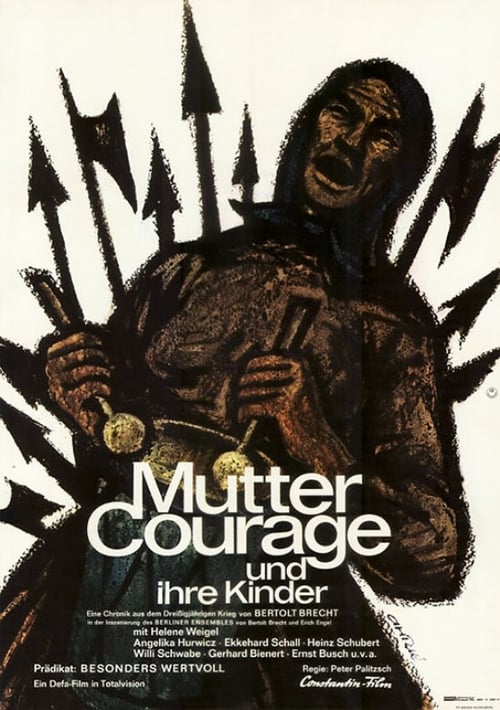
During the Thirty Years' War, the camp-follower Anna Fierling, called "Mother Courage", travels the length and breadth of Europe with her covered wagon. She does not care if it's Catholics or Protestants she trades with as long as business thrives. She loses her three children as a result of the war: bold and spirited Eilif, sincere and upright Swiss Cheese and mute Katrin, who saves the children of Halle by beating a drum on a farmstead roof In wartime, the Fierling children's virtues prove to be deadly. Yet, Mother Courage, remains incorrigible. She will not have anyone "spoil the war" for her and so sets out once more after the soldiers with her wagon.