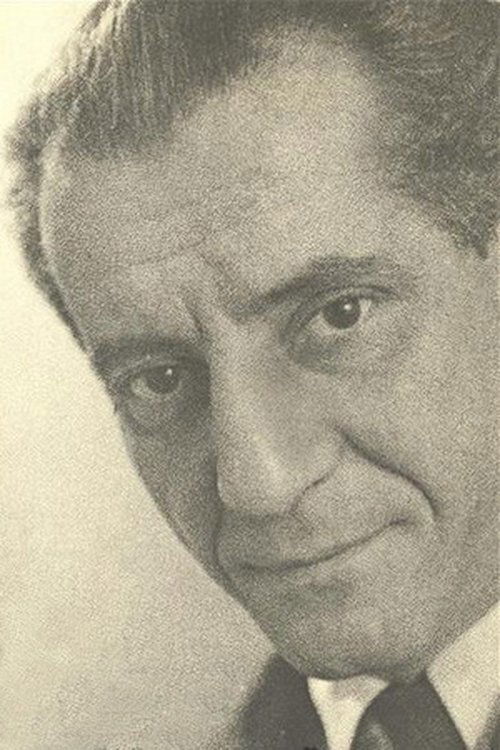
Antonis Yannidis
Acting
Biography
In 1922 he graduated from the Constantinople Theater School. Then he went to Paris, where he studied for four years at the School of Oriental Languages and took courses in acting and directing. In 1926 he returned to Athens. In 1927 he made his debut on the theater stage of the Theater of the Young (Athens). Soon he moved to the M. Kiveli Theater, where he played the roles: Talbot ("Mary Stuart"), Banquo ("Macbeth"), Hjalmar ("Wild Duck" by Ibsen), Dorn ("The Seagull") and others. In 1940, together with G. Pappas, he created a theater troupe. Communist. Member of the resistance movement during the occupation of Greece. In December 1944 he took part in the uprising against the British intervention. In 1945 he moved to the city of Kozani with the theater troupe of the Resistance. In 1945 he returned to Athens, took part in the creation of the United Artists Theater - one of the largest theater groups in Greece. During the play "Julius Caesar" was wounded by a fascist terrorist. In 1947 he toured with the theater in Romania and Bulgaria. In 1948, his theater worked in areas liberated by the democratic army of Greece, where he staged performances for the army.
Known For
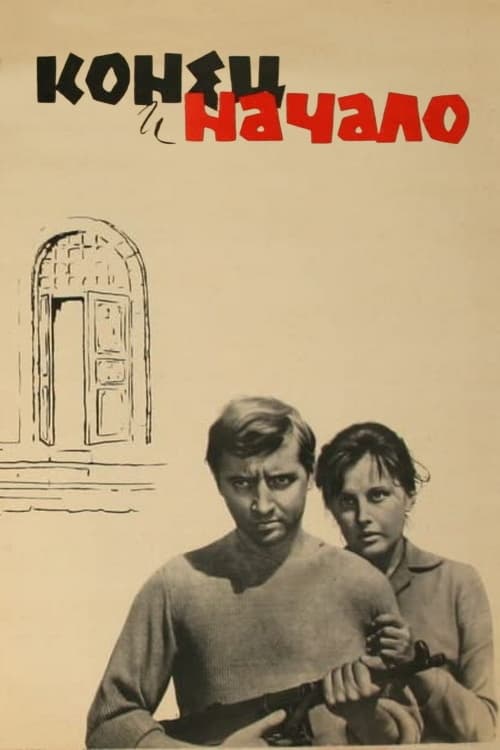
The story of Greek patriots' struggle against the Nazi invaders in May 1941, when German troops landed on the island of Crete. Fleeing the Germans, seven people, completely different in their views and personalities, come together: communist Memos, who has escaped from prison; military doctor Kimon, fleeing from the hospital; nurse Alika and nurse Krinjo, a gendarme; and two soldiers—a Greek and a New Zealander who has fallen behind.
The End and the Beginning
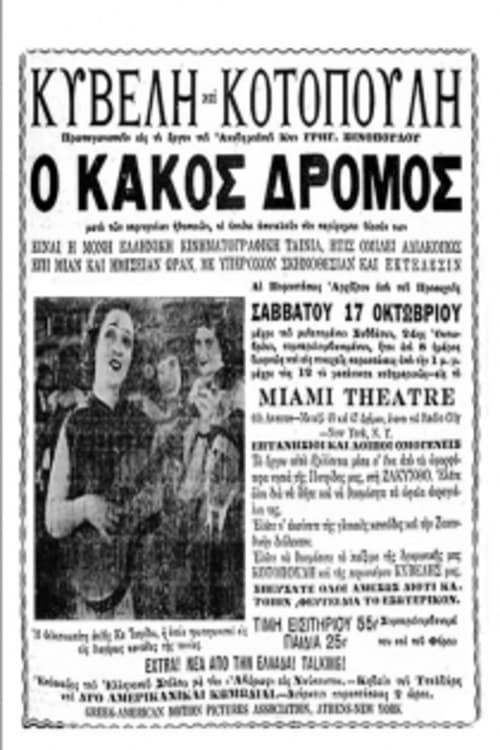
Christina and Chrysoula are two teenage friends in Zakynthos and they are completely different as characters. Christina is ugly but honest, while Chrysoula is beautiful, but scandalizes the neighborhood with her provocative behavior. First fully sound-synchronized Greek motion picture. The film was shot in Constantinople by the director of the National Turkish Theatre, Muhsin Ertugrul with a script by Grigorios Xenopoulos, based on his novel by the same name. It was shown as one of the first contemporary Greek films to include full sound and conversation.