Mark Fischer
Directing
Known For
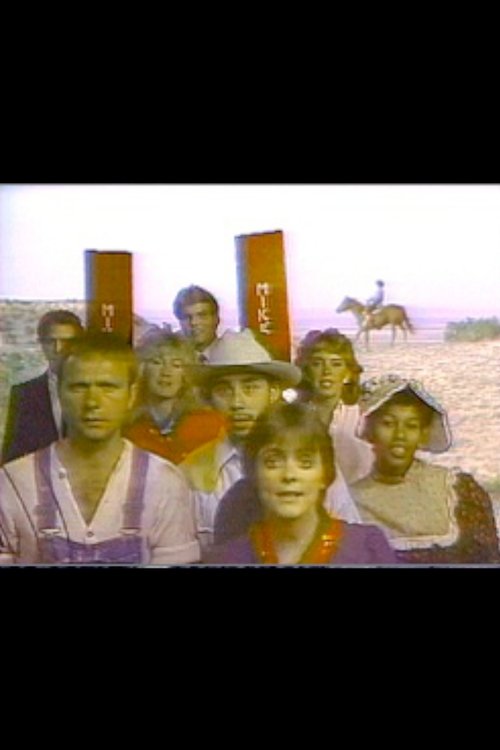
A parodic music video that re-envisions the Horatio Alger myth of the American Dream via 1950s-style cultural cliches, advertising and Reagan-era media propaganda. Smith's 'regular guy' Mike embodies a series of all-American male stereotypes, from the classroom to political candidacy, assuming the roles of college prep, cowboy, train engineer, and real estate developer. Set to an ironic jingle recalling of an 'Up with People' anthem, this lampoon of Manifest Destiny concludes with Mike riding, like an ironic Marlboro Man, into the sunset.
Go for It, Mike
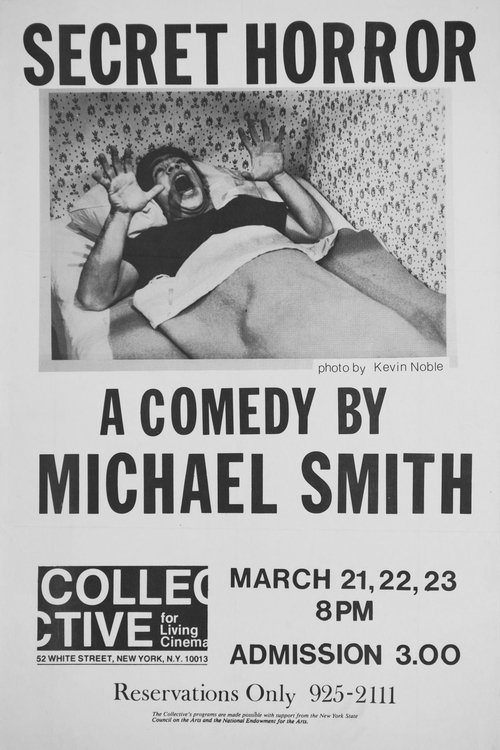
Another regular evening at Mike's house turns into a comic nightmare. Finding himself a stranger in his own apartment, a "world totally fashioned from the effluvia of TV and pop music," Mike is plagued by a mysterious drop ceiling, his dry cleaning, and a host of ghostly visitors. This postmodern comedy of the banal is told as a suspense drama, in which an unseen "we" whispers imperatives to the hapless Mike, whose life becomes a TV game show in a place "somewhere between initiation and renovation." References to such pop trivia as the Partridge Family and the Kingston Trio suggest a collective cultural unconscious of trashy sitcoms, pop songs and brand names. Smith concludes with the outrageous but oddly affecting spectacle of Mike eating Bridge Mix and dancing to Neil Diamond's Forever in Blue Jeans.
Secret Horror
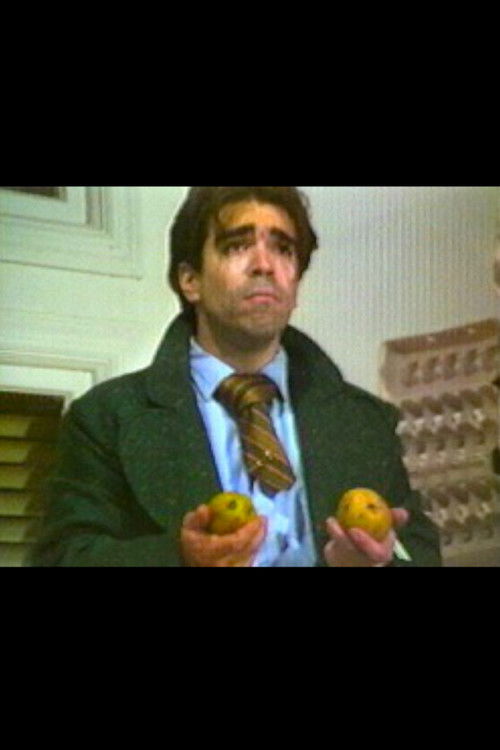
Mike ambles through his mundane activities to the accompaniment of TV theme songs and children's tunes.
Down in the Rec Room
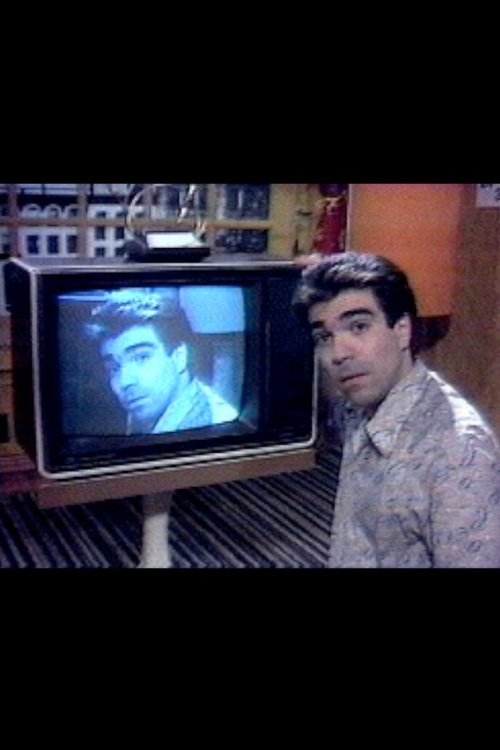
It Starts at Home is a song-and-dance performance sitcom in which our hapless hero Mike encounters his fifteen minutes of fame.
It Starts at Home

Mike Builds a Shelter is a performance comedy with apocalyptic overtones, a narrative extension of Smith's installation Government Approved Home Fallout Shelter/Snack Bar. In this darkly humorous morality play, Smith contrasts Mike's rural adventures in a pastoral landscape with his home fallout shelter. Throughout, the dual narratives are intercut with episodes of "Mike's Show" on cable, in which Mike's banal domestic activities are eagerly if passively received by living-room TV viewers. The government-approved provisions for nuclear fallout that Mike so readily accepts, typical of the naivete of 1950s' public safety policies, are seen in stark contrast to the reality of the contemporary crisis of a radioactive environment.