Acting
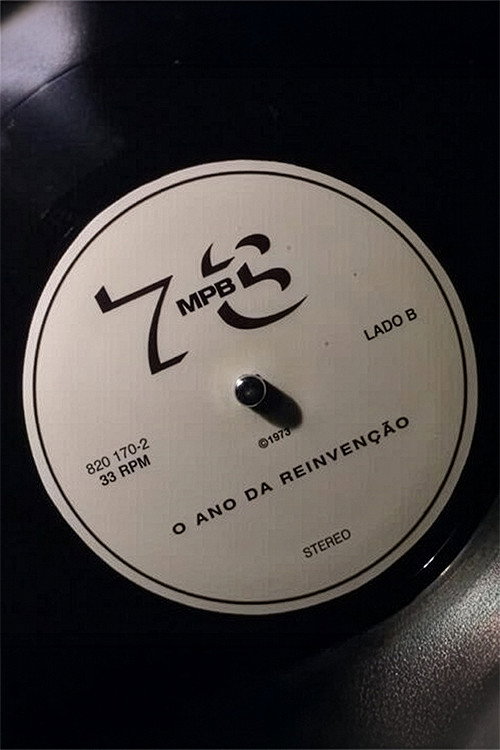
The series places Brazil and the world in the context of 1973 to show how fertile that period was for local music production. Each episode addresses a specific theme—such as military regime censorship, the rise of samba at the time, Brazilian rock, the importance of iconic album covers, production outside the Rio-São Paulo axis, and the renewal of bossa nova. To this end, the series invites musicians like Odair José, Charles Gavin, and Roberto Menescal, as well as journalists such as Silvio Essinger, Paulo Cesar de Araújo, and Renato Terra, to share behind-the-scenes details from that era. Each account is complemented by extensive research, featuring performances and interviews with artists who defined the year and remain fundamental to the history of Brazilian music.
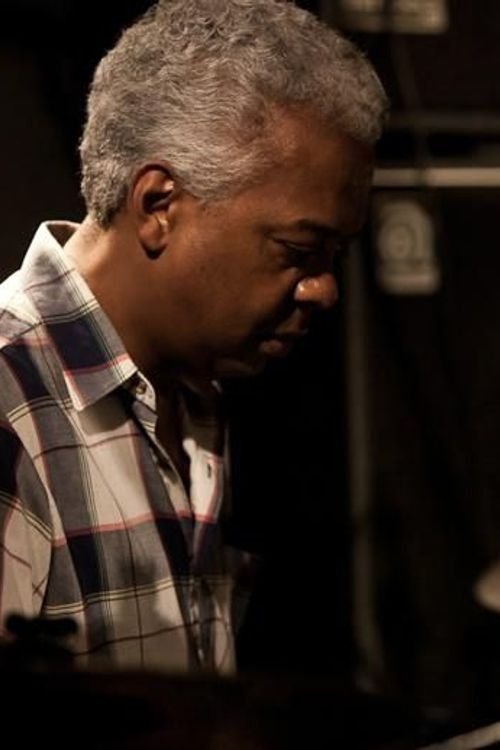
Daily life of Belo Horizonte drummer Esdra Ferreira, known as Nenêm. The film goes behind the scenes of the recordings, observing the creative process between longtime friends: Toninho Horta, Mauro Rodrigues and Juarez Moreira, among other musicians.
No description available.
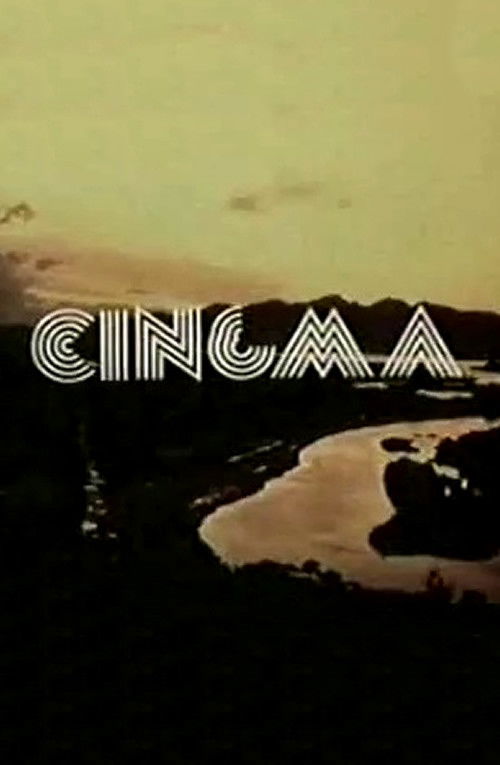
A lesson in conciseness, expressiveness, and humor on the inexhaustible theme of the dream of making movies. A parodic lesson, a Brazilian version of historical scenes filmed by the Lumiére brothers in 1895—the baby, the bath in the garden, the workers leaving, and the arrival of the train. The melodrama of a couple of lovers through time and the history of cinema. Many sequence shots, as preferred and taught by Cinema Novo. Everything about a film being made and being watched. The language of cinema (shot, reverse shot, tracking shot, editing, mixing, dubbing, etc.), interspersed with quotes from Humberto Mauro, Godard, Glauber Rocha, and Rossellini.
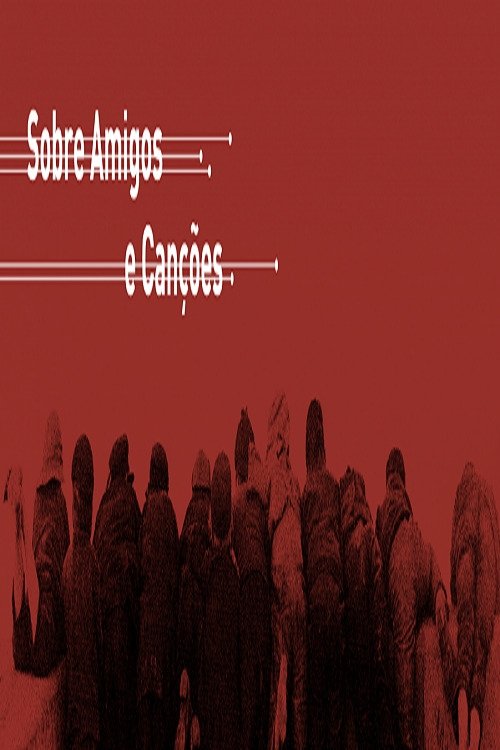
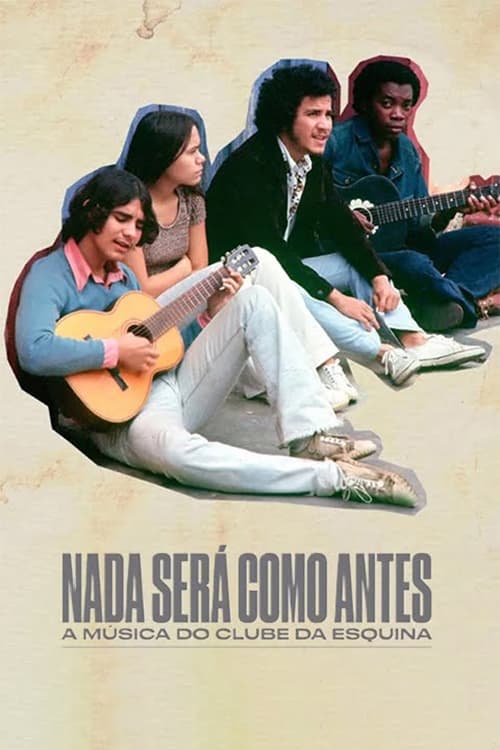
Produced as the final project of the Journalism course at PUC-SP, the film exceeded expectations and was shown on TV Cultura and at various festivals and exhibitions. The directors interviewed and followed musicians such as Milton Nascimento, Lô Borges, Beto Guedes, Wagner Tiso, Toninho Horta, and others throughout the year. In addition to the stories told by the movement's protagonists, the documentary is filled with a rich research material of historical images.
At the age of 80, Milton Nascimento announced his farewell to the stage, performing the last show in November 2022 at Estádio Mineirão, in Minas Gerais, where the singer participated in Clube da Esquina, a group with the same name, which marked MPB.
Nothing Like Before delves into the creation of the Clube da Esquina Album (Brazil, 1972). Considered by many music critics one of the best albums of all time, it presented to the world musicians like Milton Nascimento, Lô Borges, Toninho Horta, Beto Guedes and Wagner Tiso.