Writing
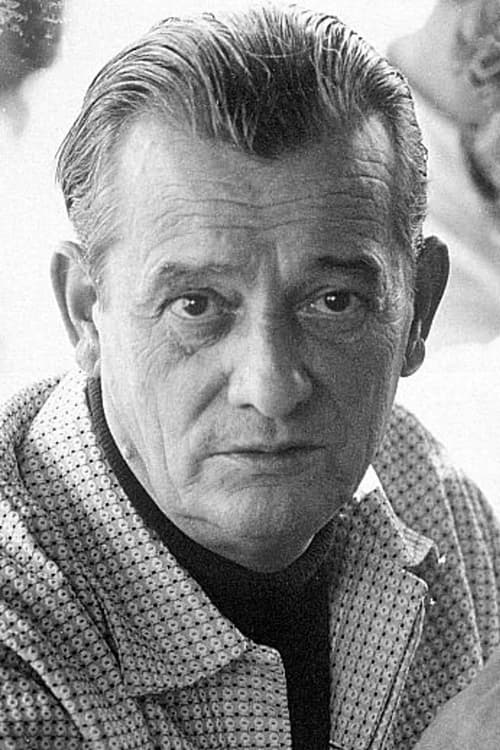
Marcel Pagnol est un écrivain, dramaturge, cinéaste et producteur français
Aucune description disponible.
François Chalais est une légende. Dès les années 50, le chroniqueur le plus célèbre du Festival de Cannes décrypte, avec son ton caustique, toutes les facettes de la Croisette : réceptions somptueuses, tapis rouge, starlettes en quête de gloire, confessions intimes… Des images de fête et de rêve mêlées à des séquences d'interviews inoubliables, en extérieur ou dans le studio de l'hôtel Miramar.
Ugolin a réussi. Les œillets qu’il cultive sont splendides, grâce à la source des Romarins. Mais il est bourrelé de remords. N’a‐t‐il pas tué, voici 10 ans, son ami Jean de Florette, pour lui voler sa source ? Manon, la fille du défunt, est devenue une belle et farouche bergère, qui garde des chèvres dans les collines. Ugolin en est amoureux. Mais Manon sait qui a tué son père et repousse violemment son hideux soupirant. Le hasard lui fait découvrir la source des Romarins. Utilisant des pierres, elle en dévie le cours. Dans le village privé d’eau, les langues commencent à se délier. Ugolin et le Papet voient leur crime remonter à la surface…
Série documentaire en quarante épisodes de 26 minutes, produite et réalisée par Claude-Jean Philippe, explorant l’histoire et les grandes figures du cinéma à base d’archives.
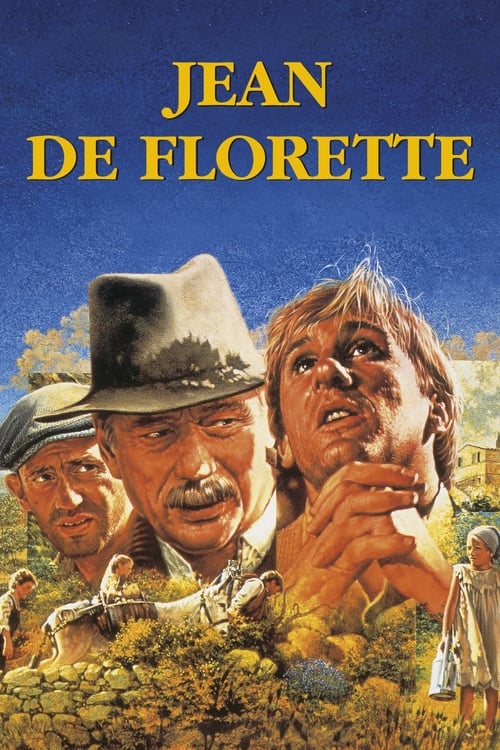
Petit et laid, Ugolin, le dernier des Soubeyran, revient du service militaire. Il retrouve son oncle, le Papet, à qui il dévoile son projet : rester au pays pour cultiver des œillets. Convaincu que l’affaire peut être rentable, le Papet accepte de financer l’entreprise. Il faut donc trouver une terre, ensoleillée bien sûr mais surtout bien arrosée. Celle de Pique‐Bouffigue ferait l’affaire. Le Papet tente, en vain, de convaincre le vieillard irascible de lui céder son bien. Celui‐ci perd la vie dans le bref affrontement qui s’ensuit. À la surprise générale, un héritier se présente, Jean Cadoret, un bossu qu’accompagnent sa femme et sa fille…
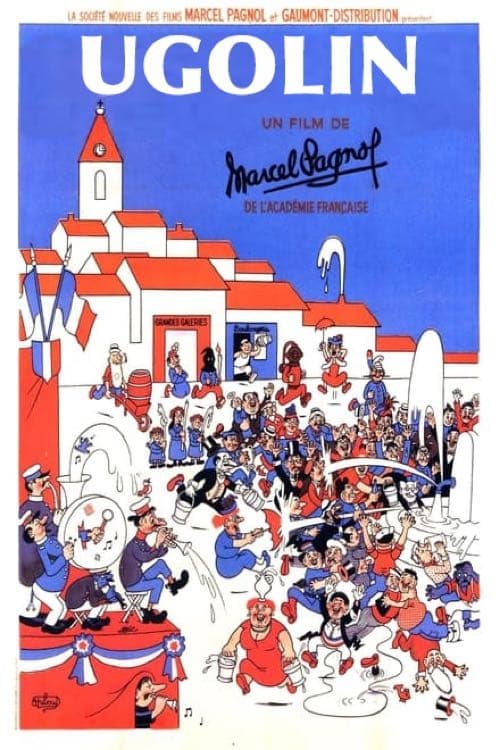
Dans un petit village, Irénée et Casimir travaillent dans l'épicerie de leur oncle qui les a recueillis après le décès de leur père, son frère. Alors que Casimir se consacre à son travail, Irénée n'a qu'une seule idée en tête : celle de devenir la prochaine vedette de cinéma. L'opportunité de réaliser son rêve se présente lorsqu'une équipe de repérage arrive dans leur village. Irénée profite alors de la situation pour leur faire part de son ambition. Amusée par tant de naïveté, l'équipe lui fait signer un faux contrat. C'est ainsi qu'Irénée part à Paris dans l’objectif de faire une grande carrière avec son contrat en poche à faire valoir ...
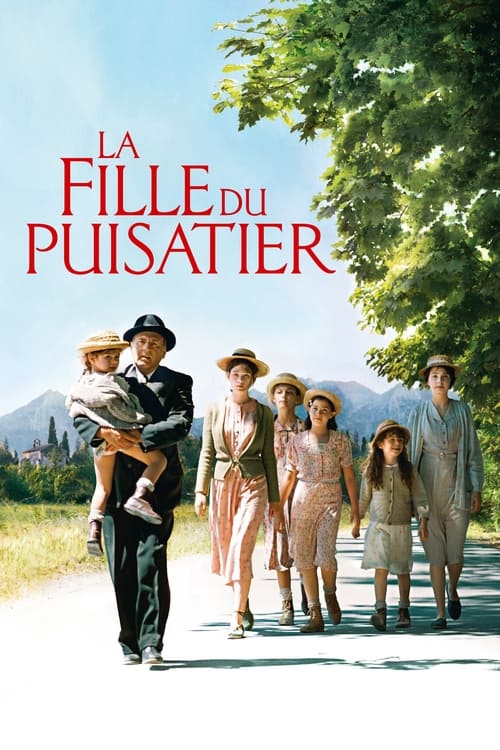
En coupant à travers champs pour aller porter le déjeuner à son père, Patricia rencontre Jacques. Elle a dix-huit ans, il en a vingt-six. Elle est jolie, avec des manières fines de demoiselle; il est pilote de chasse et beau garçon. Un peu de clair de lune fera le reste à leur seconde rencontre. Il n'y aura pas de troisième rendez-vous: Jacques est envoyé au front. Patricia attendra un enfant de cette rencontre. Les riches parents du garçon crieront au chantage. Patricia et son père, le puisatier, auront seuls la joie d'accueillir l'enfant. Une joie que les Mazel leur envieront bientôt et chercheront à partager, car Jacques est porté disparu...
Lors d'une réunion du conseil municipal, l'ingénieur du génie rural présente son analyse et ses hypothèses quant à la problématique orographique qui expliquerait l'arrêt de la fontaine dont l'eau provient d'une source des hauteurs avoisinantes. Pour l'instant, la seule chose qu'il puisse offrir, pour les habitants, animaux et cultures, est de faire livrer de l'eau au village, ce qui ne contente pas du tout les villageois. Le curé annonce pour le lendemain une cérémonie à l'église pour prier le Seigneur. Manon retourne dans les collines... En détournant la source du village des Bastides blanches, Manon se venge de la méchanceté des habitants à l'égard de son père. Manon a bouché la source qui alimente le village dont elle hait les habitants. Ceux-ci prennent peu à peu conscience du mal qu’ils lui ont fait et s’efforcent d’obtenir son pardon. Seconde partie de « Manon des sources » (1952).
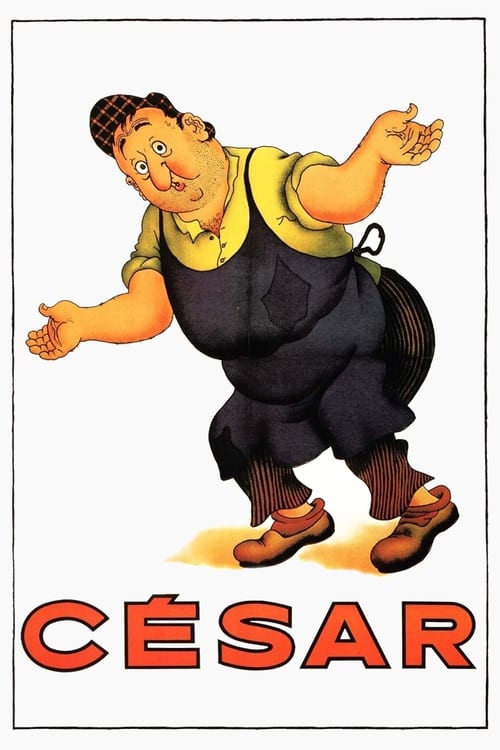
Marius est un jeune homme que la mer exalte. Il aime son père César, bourru et bonhomme, il aime aussi la petite Fanny qui vend des coquillages devant le bar de César. Depuis son enfance, l’envie de courir le monde l’enflamme. Il lutte contre sa folie. Il ne veut pas abandonner son père qui en mourrait peut-être de chagrin, ni la petite Fanny qui ne pense qu’à lui. Et pourtant la mer est là... Captation le 9 décembre 2025 au Théâtre Le Ranelagh à Paris 16ème.
À l’apogée de sa renommée, Marcel Pagnol reçoit la commande d’une rédactrice en chef d’un grand magazine féminin pour l’écriture d’un feuilleton littéraire, dans lequel il pourra raconter son enfance, sa Provence, ses premières amours... En rédigeant les premiers feuillets, l’enfant qu’il a été autrefois, le petit Marcel, lui apparaît soudain. Ainsi, ses souvenirs ressurgissent au fil des mots : l’arrivée du cinéma parlant, la cité du cinéma, son attachement aux acteurs, l'expérience de l’écriture. Le plus grand conteur de tous les temps devient alors le héros de sa propre histoire.
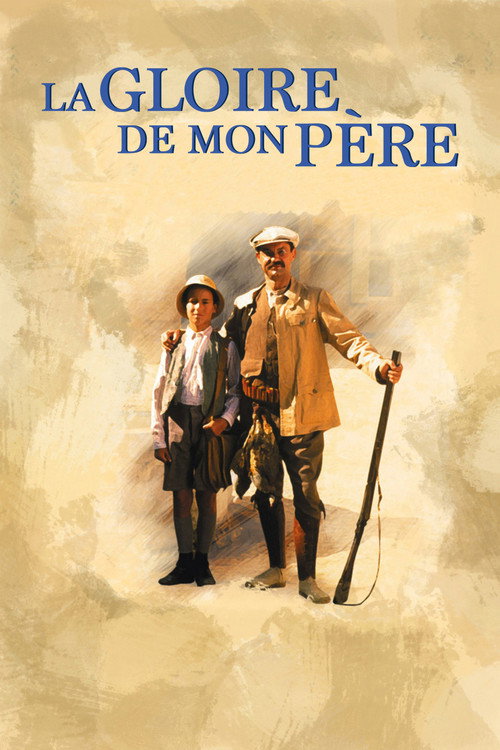
Le jeune Marcel Pagnol part en Provence avec toute sa famille pour les vacances d'été. Enfant de la ville, c'est la découverte de la nature, des grands espaces et la fierté d'avoir un père grand chasseur. Des vacances qui marqueront à jamais ses souvenirs d'enfance.
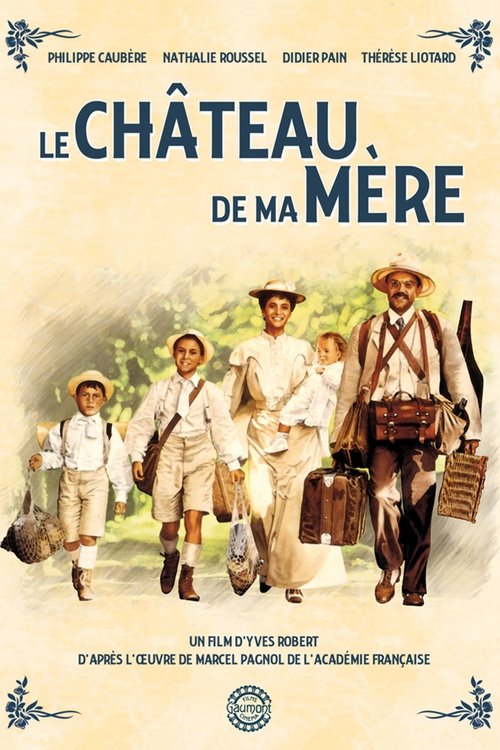
Chaque fin de semaine et en été le jeune Marcel et sa famille passent leurs vacances dans les collines au-dessus de Marseille. Marcel a hâte de retrouver son «petit frère des collines», Lili des Bellons. Mais le passage par les berges du canal à travers des domaines de châtelains est une véritable aventure, et une angoisse renouvelée pour Augustine, quand Bouzigue offre la possibilité de gagner du temps pour rejoindre par ce raccourci le lieu de leur villégiature. C'est toutefois Isabelle, fille d'un prétendu poète, qui monopolise l'attention du jeune Marcel, et pour laquelle il consent des sacrifices qui inquiètent sa famille et son ami.
Panisse va mourir. Césariot, le fils de Fanny et de Marius, polytechnicien à Paris, est appelé au chevet du moribond qui l'a élevé et qu'il croit toujours être son père. Panisse, entouré de ses amis éplorés, ne peut se résigner à avouer la vérité à l'enfant de l'amour et meurt en emportant son secret dans sa tombe. Après son enterrement, le curé insiste auprès de Fanny pour qu'elle ne laisse pas Césariot dans l'ignorance de ses origines. Dûment renseigné sur l'identité de son père naturel, Césariot sort d'une grande conversation avec son grand-père, César, bien décidé à rencontrer l'auteur de ses jours, à présent assagi et garagiste à Toulon...
Florence rencontre Pierre à la foire du Trône. Ils se jurent un amour éternel et partent à Cassis sous le soleil du Midi. Cependant la jeune fille a un lourd passé de femme entretenue. Son protecteur, Dominique, a la délicatesse de s'effacer. Mais Pierre, par son intransigeance, est prêt à tout gâcher. Pourtant la douceur et l'amour pur de Florence réussiront à apaiser sa colère.
Dans un village abandonné, seul habite encore Panturle.Tout autour, morte, la terre ne produit plus rien. Un rémouleur, Gédémus, arrive accompagné d'une jeune femme, Arsule, qu'il emploie pour tirer sa charrette. L'amour qui va naître entre Panturle et Arsule transformera la destinée même du vieux village.
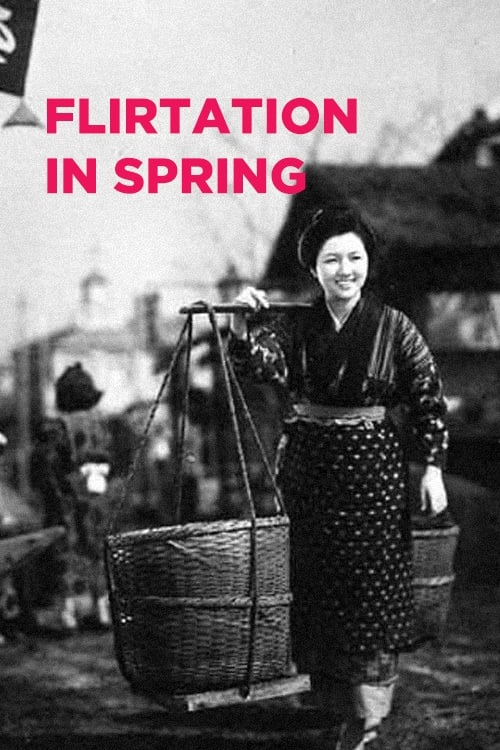
Adaptation japonaise du Marius de Marcel Pagnol dans le Japon du début de XXe siècle
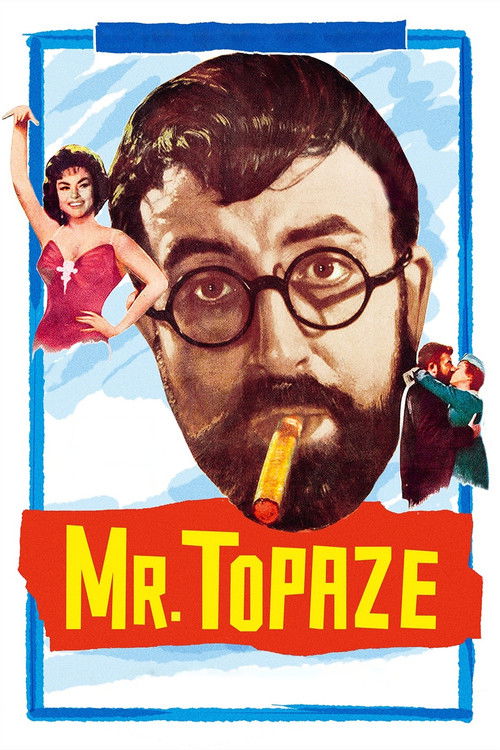
Auguste Topaze est un instituteur sans prétention, dans une petite ville française tout aussi sans prétention. Son honnêteté est irréprochable. Il est renvoyé pour avoir refusé de donner la moyenne à un mauvais élève, le petit-fils d'une riche baronne. Castel Benac, un fonctionnaire qui gère en parallèle une entreprise financière douteuse, est persuadé par sa maîtresse, Suzy, une comédienne de comédie musicale, d'engager Monsieur Topaze comme prête-nom.
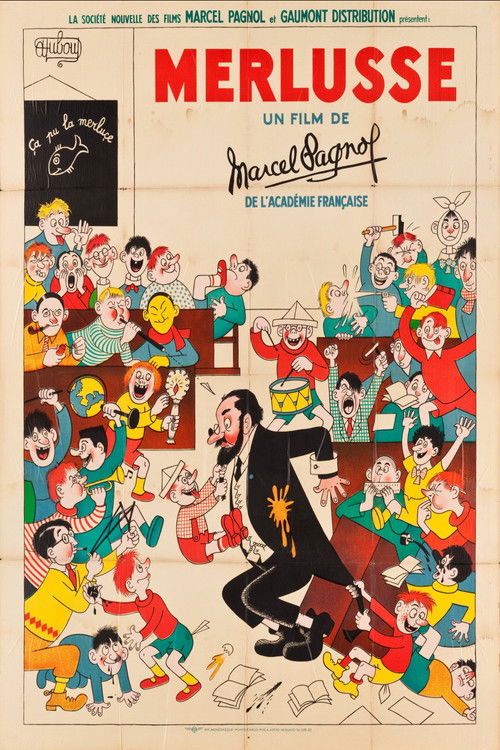
Un instituteur au visage déformé est la terreur des enfants de l'école. Ceux-ci lui font des tours pendables. À la veille des vacances de Noël, tous les enseignants partent dans leurs familles, seuls restent au pensionnat Merlusse et les enfants sans famille.
Marseille, juillet 1905. Le jeune Marcel Pagnol vient d'achever ses études primaires. Dans trois mois, il entrera au « lycée ». Trois mois... une éternité quand on a cet âge. Car voici le temps des vacances, les vraies, les grandes ! Enfant de la ville, ce retour tant attendu à ses chères collines d'Aubagne, celles de « La Gloire de mon père » et « Le Château de ma mère » le transporte de bonheur. Il y retrouve la nature, les grands espaces et surtout son ami Lili. Mais sa rencontre inopinée avec Isabelle, une petite châtelaine au charme vénéneux viendra bouleverser ce bel équilibre estival, à l'âge où le temps de l'insouciance laisse place à celui des secrets.