Jean-Pierre Melville
Directing
Biography
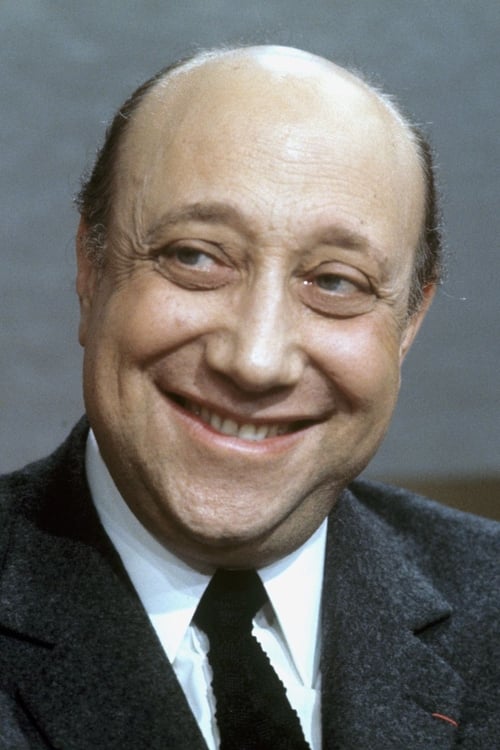
Jean-Pierre Grumbach (20 October 1917 – 2 August 1973), known professionally as Jean-Pierre Melville (French: [mɛlvil]), was a French filmmaker. Considered a spiritual father of the French New Wave, he was one of the first fully-independent French filmmakers to achieve commercial and critical success. His works include the crime dramas Bob le flambeur (1956), Le Doulos (1962), Le Samouraï (1967), and Le Cercle Rouge (1970), and the war films Le Silence de la mer (1949) and Army of Shadows (1969). Melville's subject matter and approach to filmmaking was heavily influenced by his service in the French Resistance during World War II, during which he adopted the pseudonym 'Melville' as a tribute to his favorite American author Herman Melville. He kept it as his stage name once the war was over. His sparse, existentialist but stylish approach to film noir and later neo-noir films, many of them in the crime dramas, have been highly influential to future generations of filmmakers. Roger Ebert appraised him as "one of the greatest directors." Description above from the Wikipedia article Jean-Pierre Melville, licensed under CC-BY-SA, full list of contributors on Wikipedia.

Known For
No description available.
Midi trente

No description available.
Cinépanorama

After carrying out a flawlessly planned hit, Jef Costello, a contract killer with samurai instincts, finds himself caught between a persistent police investigator and a ruthless employer, and not even his armor of fedora and trench coat can protect him.
Le Samouraï

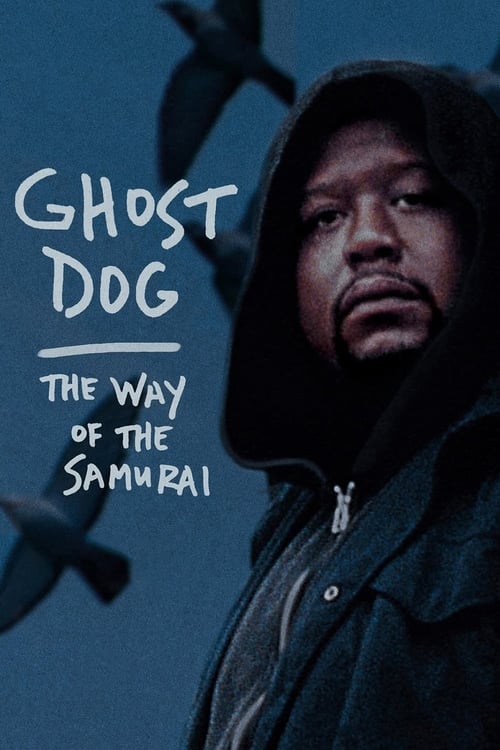
A Black hitman who models after the samurai of old finds himself targeted for death by the mob.
Ghost Dog: The Way of the Samurai

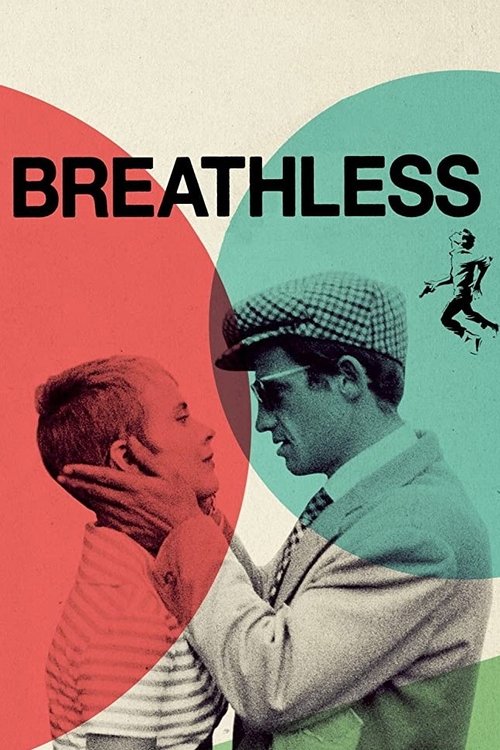
A small-time thief steals a car and impulsively murders a motorcycle policeman. Wanted by the authorities, he attempts to persuade a girl to run away to Italy with him.
Breathless

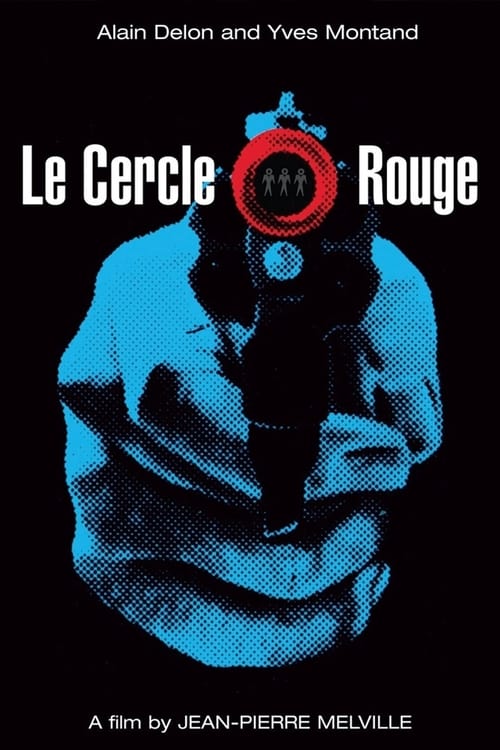
When French criminal Corey gets released from prison, he resolves to never return. He is quickly pulled back into the underworld, however, after a chance encounter with escaped murderer Vogel. Along with former policeman and current alcoholic Jansen, they plot an intricate jewel heist. All the while, quirky Police Commissioner Mattei, who was the one to lose custody of Vogel, is determined to find him.
Le Cercle Rouge

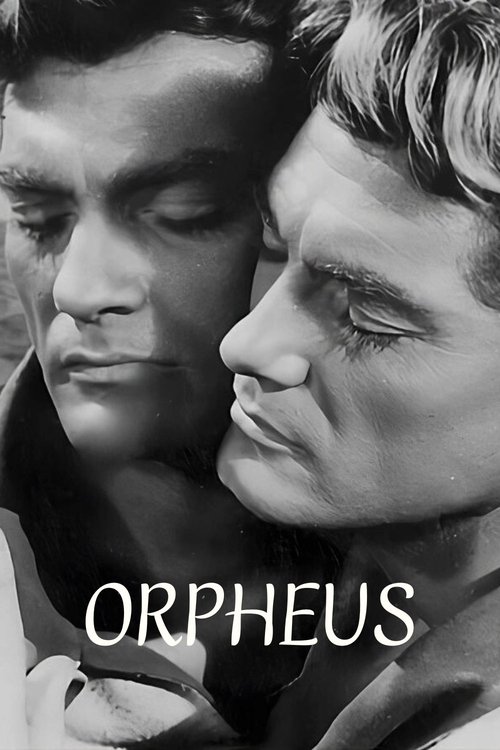
A famous poet in postwar Paris, scorned by the Left Bank youth, is in love with both his wife Eurydice and a mysterious princess. Seeking inspiration, the poet becomes obsessed and follows the princess from the world of the living to the land of the dead.
Orpheus

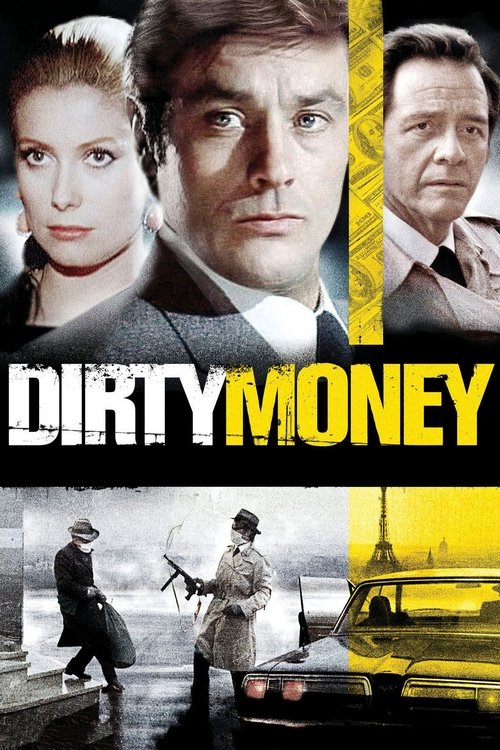
A Parisian police chief has an affair, but unbeknownst to him, the boyfriend of the woman he’s having an affair with is a bank robber planning a heist.
A Cop

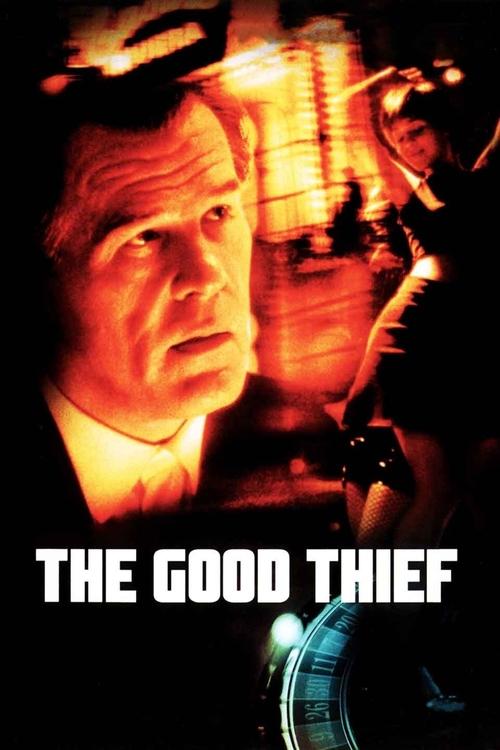
An aging gambler on a losing streak attempts to rob a casino in Monte Carlo. But someone's already tipped off the cops before he even makes a move.
The Good Thief

Betrayed by an informant, Philippe Gerbier finds himself trapped in a torturous Nazi prison camp. Though Gerbier escapes to rejoin the Resistance in occupied Marseilles, France, and exacts his revenge on the informant, he must continue a quiet, seemingly endless battle against the Nazis in an atmosphere of tension, paranoia and distrust.
Army of Shadows

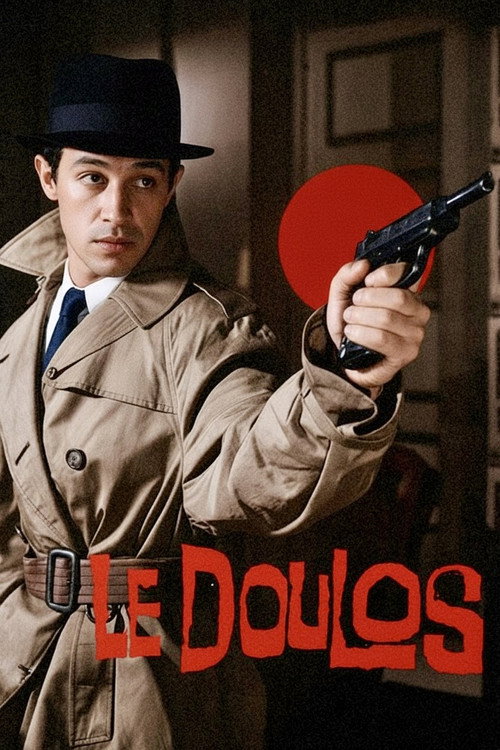
Enigmatic gangster Silien may or may not be responsible for informing on Faugel, who was just released from prison and is already involved in what should be a simple heist. By the end of this brutal, twisting, and multilayered policier, who will be left to trust?
Le Doulos

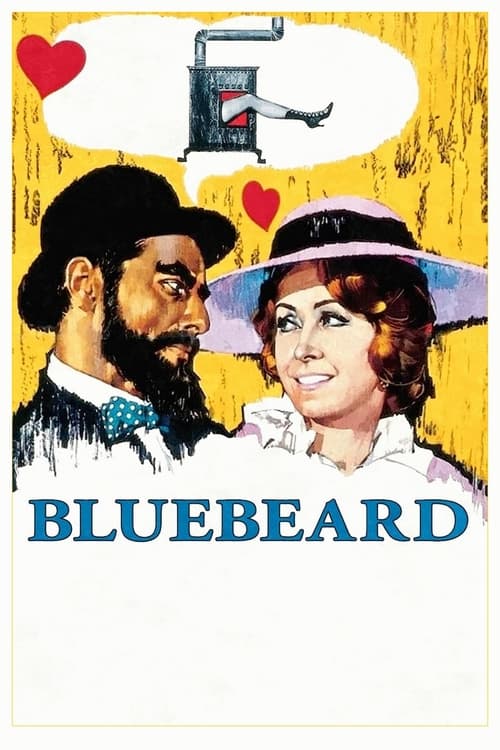
Paris, France, during the First World War. While thousands of soldiers die every day on the battlefields, Henri Landru, a seemingly respectable furniture dealer, married and father of four children, relentlessly feeds his own sinister factory of death.
Bluebeard

A gangster escapes jail and quickly makes plans to continue his criminal ways elsewhere, but a determined inspector is closing in.
Le Deuxième Souffle

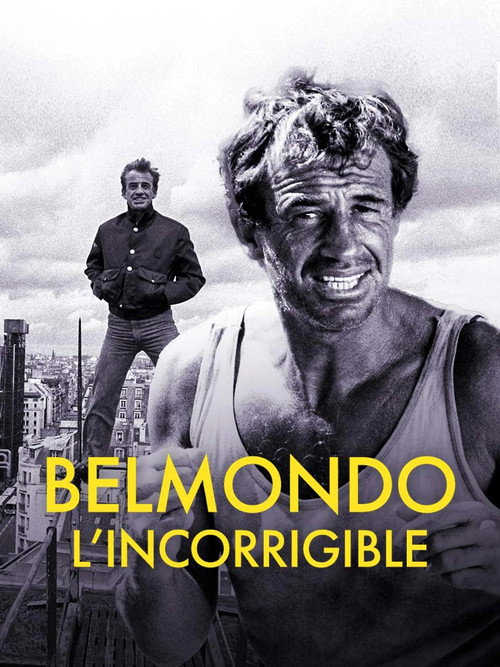
Mixing interviews, rare archival footage and film extracts, the film shows how Melville's works were impacted by what he experienced in his youth during WWII, and how it structured his whole approach to cinema, not only in its thematic but also in its aesthetics.
Code Name: Melville

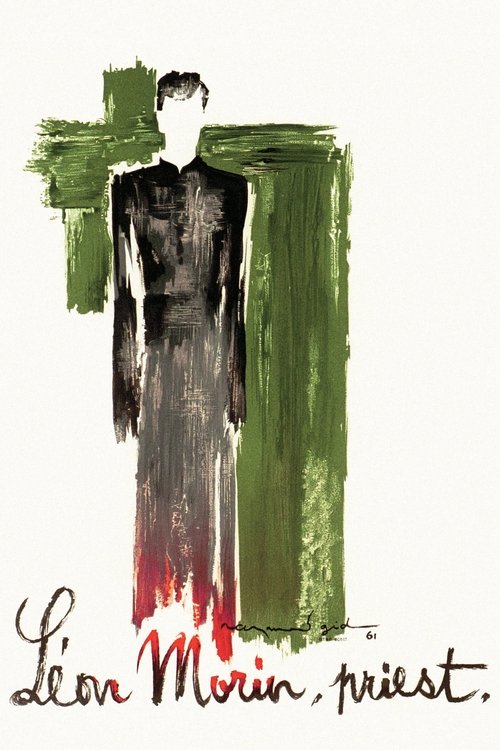
Barny, although a Marxist, is intrigued by the mysteries of religion. In confession, she teases a priest, Léon Morin, but he is a young and intelligent man and ready to discuss anything.
Léon Morin, Priest

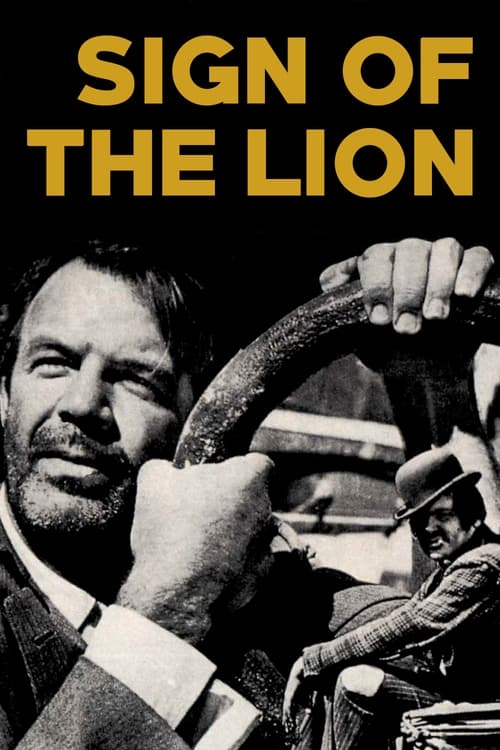
An American in Paris lives by sponging off his working friends, and throws a party using borrowed money when his rich American aunt dies, believing firmly in his horoscope.
Sign of the Lion

In Paris, Bob Montagne is practically synonymous with gambling -- and winning. He is kind, classy and well-liked by virtually everyone in town, including police inspector Ledru. However, when Bob's luck turns sour, he begins to lose friends and makes the most desperate gamble of his life: to rob the Deauville casino during Grand Prix weekend, when the vaults are full. Unfortunately, Bob soon learns that the game is rigged and the cops are on to him.
Bob le Flambeur

Elisabeth and her brother Paul live isolated from much of the world after Paul is injured in a snowball fight. As a coping mechanism, the two conjure up a hermetic dream of their own making. Their relationship, however, isn't exactly wholesome. Jealousy and a malevolent undercurrent intrude on their fantasy when Elisabeth invites the strange Agathe to stay with them -- and Paul is immediately attracted to her.
The Strange Ones

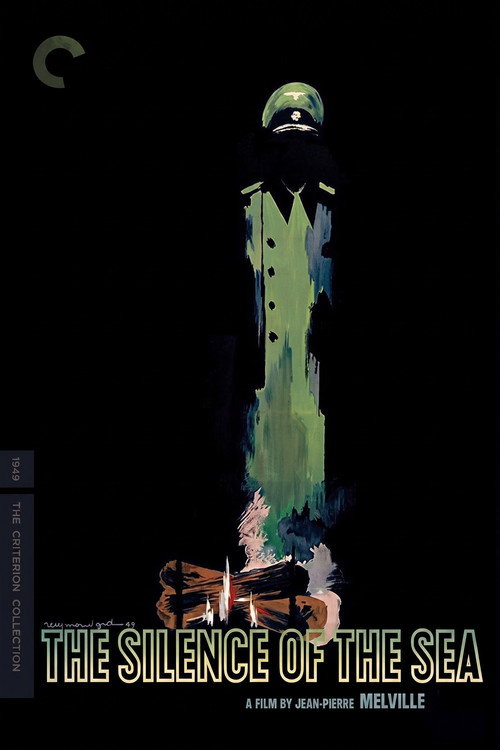
In a small town in WWII France, a German officer is billeted in the house of an elderly man and his niece who resist the occupation by refusing to interact with him, even as he speaks to them candidly about his life and hopes for the future of France and Germany.
The Silence of the Sea

After a novice nun learns of the sudden death of her parents, she leaves the convent to manage the family business and look after her teenage sister. Both of them fall prey to a womanizing mechanic with psychopathic tendencies.