Jürgen Lenz
Camera
Known For

Polizeiruf 110 is a long-running German language detective television series. The first episode was broadcast 27 June 1971 in the German Democratic Republic, and after the dissolution of Fernsehen der DDR the series was picked up by ARD. It was originally created as a counterpart to the West German series Tatort, and quickly became a public favorite.
Polizeiruf 110

Hans the farmer is drawn into war as a soldier. Returning from the front, having been defrauded of his pay by his own king, he makes his way home. On his trip, he encounters a witch who asks him to fetch the light from a spring. He keeps it when the witch tries to deceive him and he discovers her foul magic. When the light is ignited, a little man appears who must serve the owner of the light, but it only has power if the owner has faith in himself. His courage bolstered, Hans goes to the king once more to demand his wages be paid.
The Blue Light
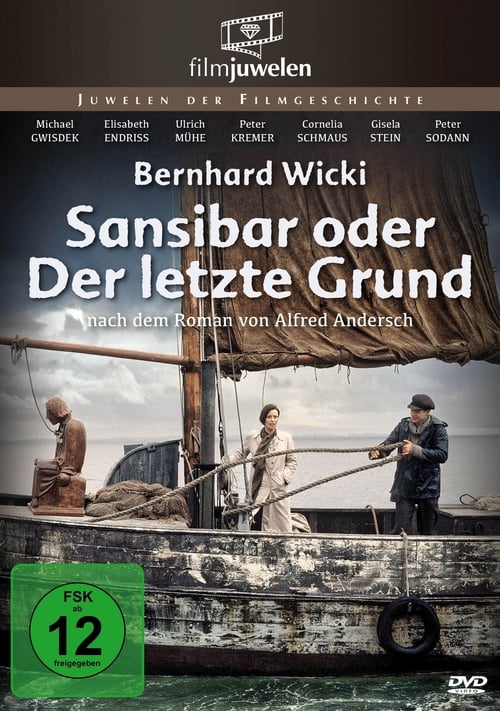
Shortly before the outbreak of World War II, the paths of three people on the run cross by chance in the small Baltic Sea port of Rerig: Gregor, a member of the Communist Party of Germany (KPD); Judith, a Jewish woman; and a pastor who wants to save an Ernst Barlach sculpture classified as degenerate art. All those involved share a common fate and the dream of a fisherman's boy from Zanzibar, which is less a real goal than a utopia of a better future. Adaptation of Alfred Andersch's novel.
Sansibar oder Der letzte Grund
He could have had women, he could have climbed the ladder of his accountancy career, and he could have stood on the podium next to the highest in the land. If only he had wanted to! But Farssmann, shaken by divorce and unwilling to better himself, wants to remain what he is: an ordinary bookkeeper like you and me. And so the dollar deal with Mr. Osbar from Utah (USA) is not the first time he comes into conflict with the very palpable unreality of a country called the German Democratic Republic.
Farssmann oder Zu Fuß in die Sackgasse
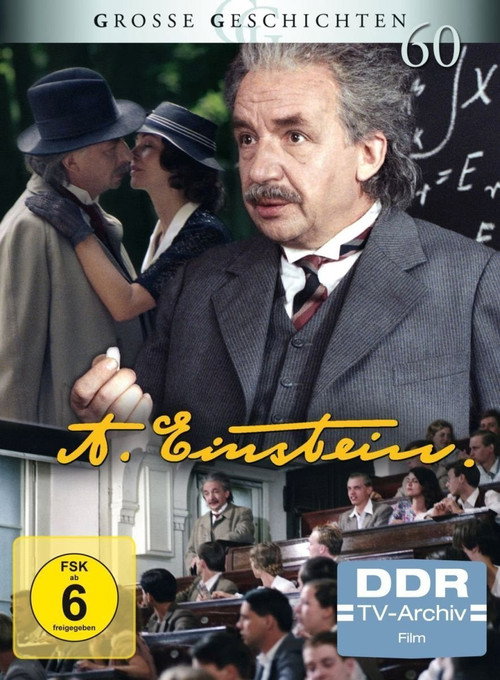
Two-part miniseries about Einstein's escape from Germany in 1932 and his influence in the invention of the nuclear bomb in 1939.
Albert Einstein
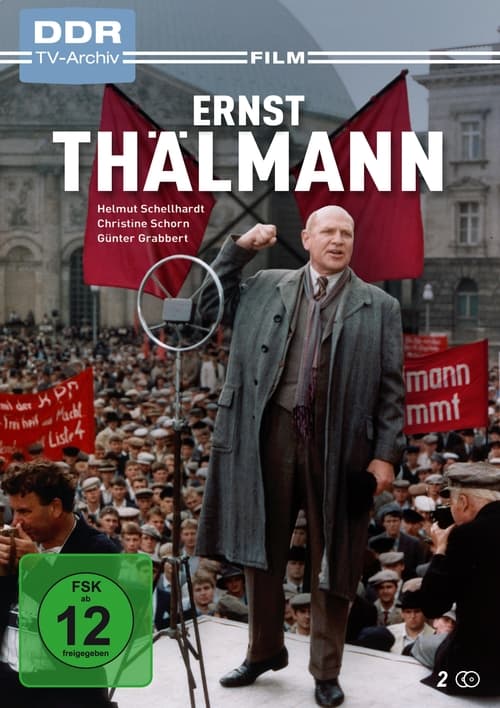
This elaborate two-part television film features a section from the life of communist worker leader Ernst Thälmann. It begins with the bloody riots on May 1, 1929 in Berlin, in which police officers shot at demonstrating workers, and ends with February 7, 1933, when Thälmann appeared as a speaker at the illegal meeting of the Central Committee of the Communist Party of Germany in goat neck. This period was marked by the struggle of the Communists against the ever stronger National Socialists and the rise of Adolf Hitler.
Ernst Thälmann
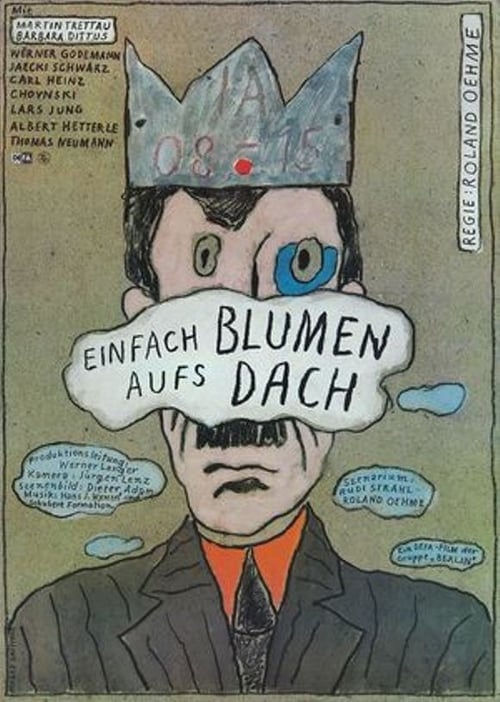
Mechanic Hannes Blaschke and his wife Maxi, who works as a bus driver, have just become happy parents of twins. Now they have a serious transportation problem: Their Trabant is far too small for the grown family that furthermore includes two sons and a dog. Thanks to the support of a state secretary and of his brigade, Hannes acquires a Tschaika – a limousine that is normally restricted to representational purposes – for a small price. Whereas Maxi views the state carriage only as a useful means of transportation, Hannes enjoys the unusual pre-emption he is receiving for the spectacular car. Hannes, who normally is just a humble guy, starts to grate his colleagues with his new affectations. Thus, they teach him an effective lesson: They decorate the state carriage with flowers and thus bring Hannes back down to earth in a humorous way.
Einfach Blumen aufs Dach
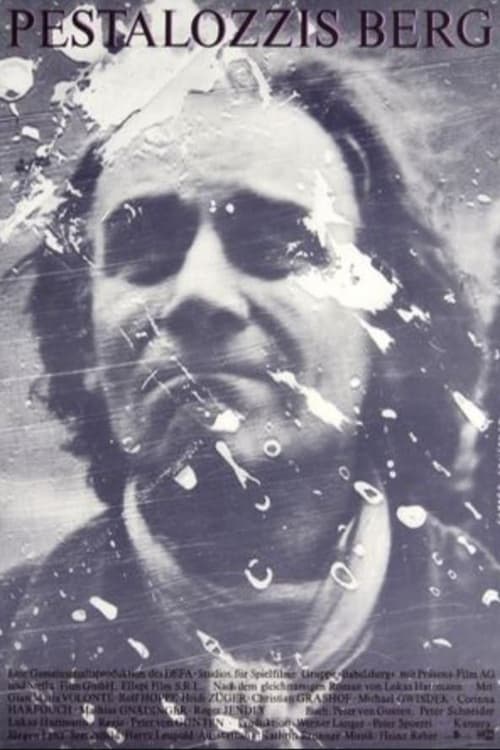
In the 1770s, Swiss farmer Johann Heinrich Pestalozzi established a school for poor orphaned children in the Aargau. Up to total exhaustion he sacrificed himself for his pedagogical theories. Five years later, the project of the idealistic educator failed after bloody attacks of the French. In retrospect, the disappointed Pestalozzi experiences the last few months with "his" children.
Pestalozzi's Mountain
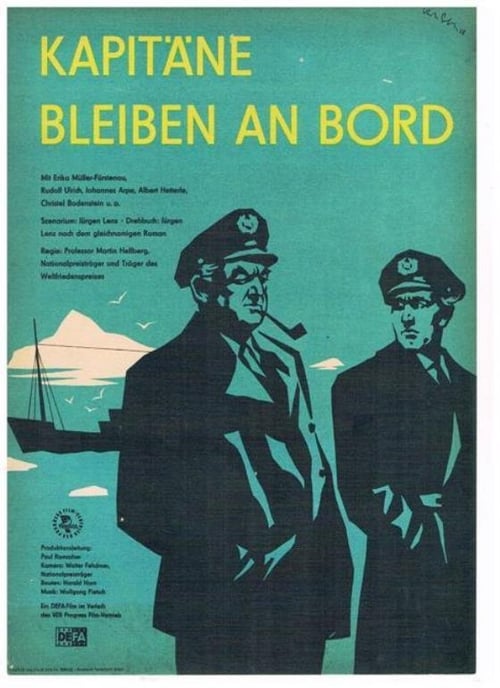
Kurt Kars, the young, enthusiastic but rather inexperienced captain of a fishing vessel, lets his ambition drive him into a risky venture. According to a newspaper report, there are excellent fishing grounds in the Arctic Ocean. Against the orders of the combine, he heads for them. A collision with drift ice puts the crew and ship in extreme danger. Kurt proves his worth in this emergency situation, but is called to account on his return. Initially, he wants to resign out of defiance, but then comes to his senses, realizing his guilt. The older captains, who have always kept their fishing grounds a secret and hardly ever passed on their experiences to the collective, realize that they too were not entirely innocent in the "Kars case".
Kapitäne bleiben an Bord
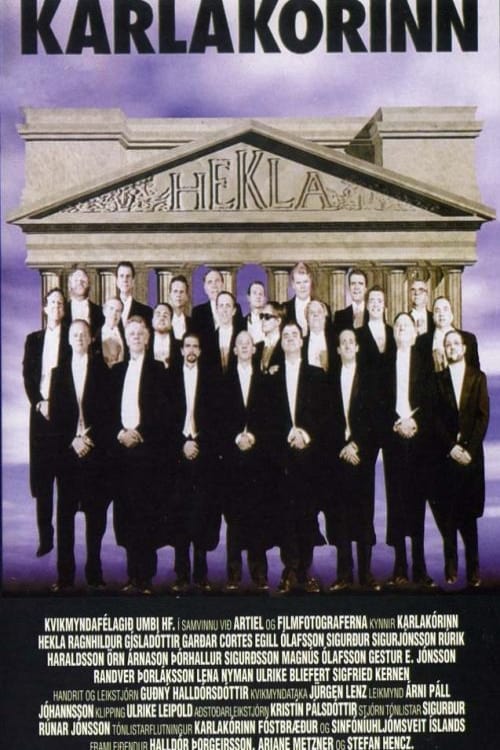
A men's choir decides to go to Sweden and Germany. Shortly before their departure the choir director, Max, dies and is mourned by the choir and especially by their accompanist Magga, whom he was in love with. In deference to Max's memory, they embark upon a mission of song and companionship, in order to adjust to their loss.
The Men's Choir
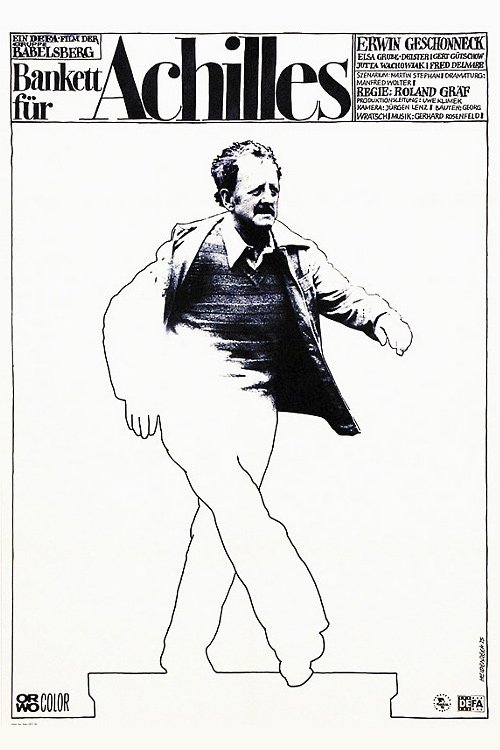
For thirty years, Karl Achilles has been working at the chemical collective in Bitterfeld. But now his last day as a master at the plant has come. He is about to retire; even if Karl, who finds ending his working life difficult, wanted to stay on, it would not be possible. Karl’s colleagues have arranged a farewell dinner for the retiring master at an outdoor restaurant. But on his last day of work, before the farewell dinner, he meets all sorts of people: both colleagues and people, who do not work at the plant. A mosaic of the biography of a person who found fulfilment in his work and now has to look for the meaning of his life anew.
Bankett für Achilles
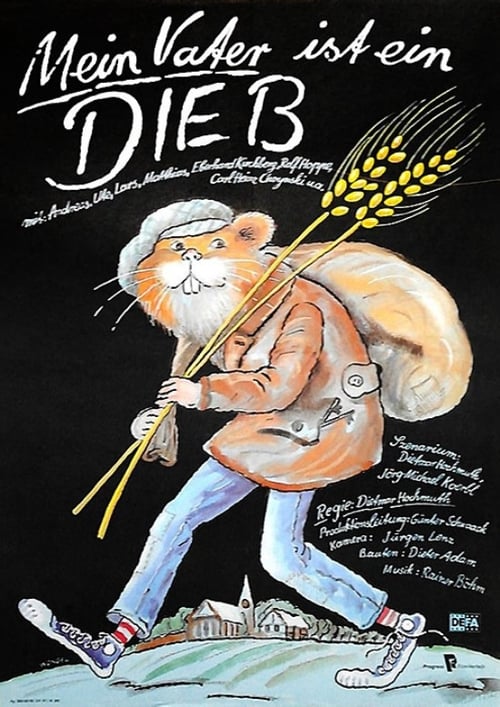
When the ten-year-old Til and two of his friends are caught in heavy rains, they escape into a barn. They are not alone in there, however. A man whom they do not recognize is obviously stealing crop from the barn. When the friends investigate the matter, Tim discovers the terrible fact that the thief is his own father. Since he wants to keep his discovery a secret by all means, he sets his friends on the wrong track. Although Til is embarrassed and would like to know the reason for the thievery, he does not have the guts to take his father to task. Eventually, he breaks the secret to the coachman Paul. In the meantime, however, his friends have also found out about Til′s father and the case is revealed.
Mein Vater ist ein Dieb

Two best teenage friends spend the summer holidays together in a village. Then a good looking teenage boy appears.
I Love Victor
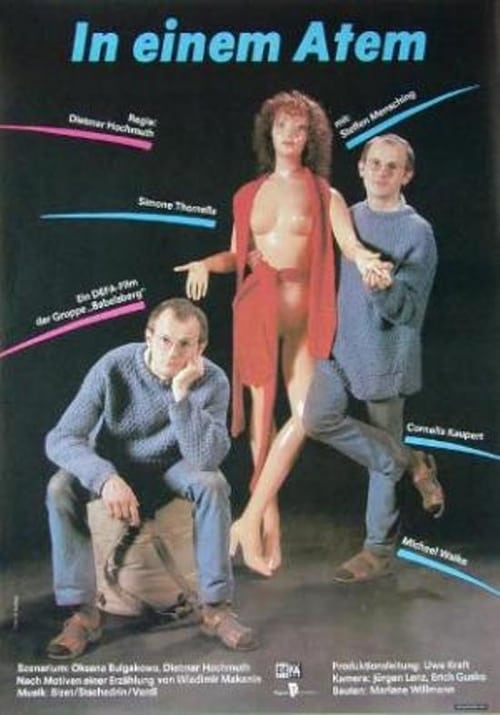
The 24-year-old Andreas works as a mechanic at a tunnel building site in the Bulgarian Rhodopes. One day, he gets the startling news that his girlfriend Sabine, who is supposedly waiting for him in their far-off hometown Berlin, wants to marry another man. Seething with anger, Andreas leaves the building site and hurries to the capital in order to prevent his beloved’s wedding. On the first encounter with his rival, an athletic water polo player, Andreas comes off second best. However, neither his zest for action nor his firm intention can be shaken by this defeat. With passionate energy and some outlandish ideas he takes up the fight for Sabine’s heart.
In einem Atem
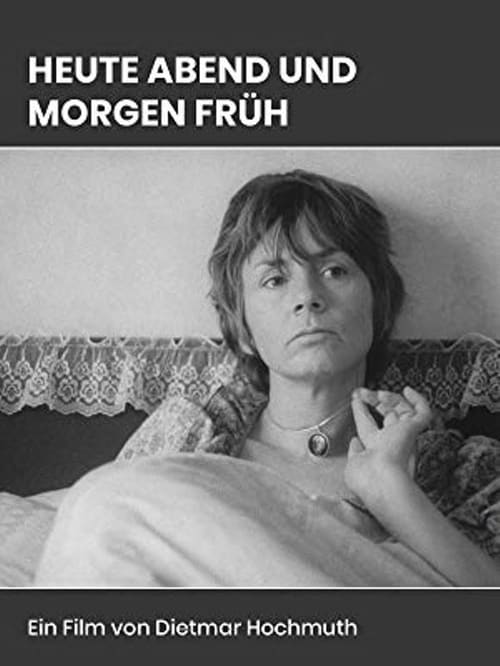
A woman in her mid thirties drifts through Berlin on a Friday night then lazes around her apartment with her husband the next morning.
Tonight and Tomorrow Morning
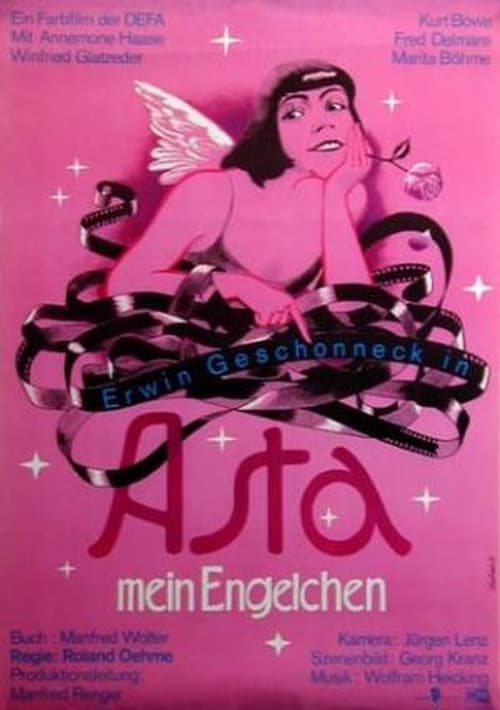
Old Otto Gratzick is a porter at DEFA and a great admirer of Asta Nielsen. When the famous actor Hermann Gschwindner dies shortly before the end of his film, the director is looking for a double for the final scenes and discovers Otto in the movie theater, who has just been moved by Asta again. Otto takes on the task. He also places a marriage advertisement looking for a woman who resembles Asta. The first date with Astrid, who does indeed look like Asta, is a flop. Otto falls asleep. He tries again with her - as Hermann Gschwindner - and is successful. He is recognized in a hotel bar and asked to perform a song. Everyone, including Astrid, is entranced. After a few complications, his real identity is revealed - Astrid had also done a lot of work to look like Asta.
Asta, mein Engelchen

A young woman does everything she can to catch the eye of her chosen one. In the end, she even goes into the water - wearing a diving suit. A cheerful underwater love story for GDR television, which also casually promotes the diving section of the pre-military Society for Sport and Technology in the GDR.
Amor holt sich nasse Füße
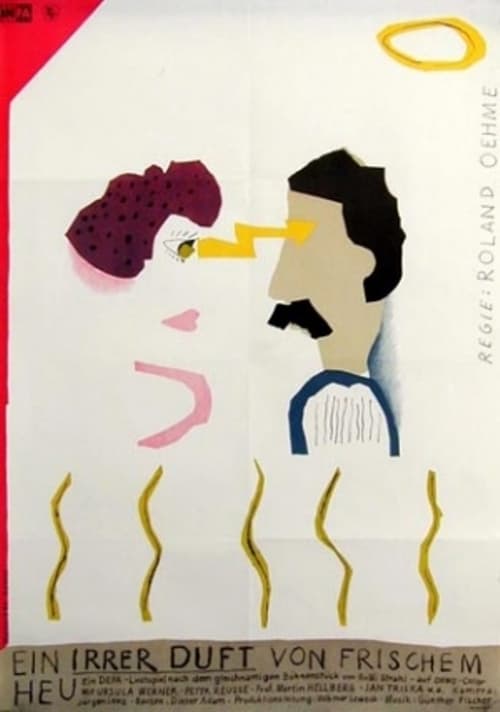
Signs and wonders are said to be happening in Trutzlaff, a small village in Mecklenburg. The party secretary of the local LPG, Mattes Mathias, has the "second face", which has been passed down from generation to generation in his family and is first mentioned in the witches' church chronicle in 1681. This special bond with the church lives on to this day. Mattes engages in a constant but creative competition with Pastor Himmelknecht. But it is not only his weather forecasts that come true every day. With his miraculous powers, Mattes tracks down lost things and heals the sick. Mattes' reputation reaches far beyond the village of Trutzlaff to the district town. A letter from the village cobbler has even reached the Vatican. Both here and there, people have pricked up their ears and want to get to the bottom of the matter. ... The only one who keeps a clear head is Mattes. But then there is "The crazy smell of fresh hay"!
The Crazy Smell of Fresh Hay
The former athlete Barbara follows her husband to the province and attempts to masters her new life, even after her separation from him.
The Incorrigible Barbara

A sharp-witted parody of the talk show format, this self-conceived television special by legendary German comedian Loriot blends satire and sketch comedy. Featuring Loriot in multiple roles, the program playfully disrupts the typical talk show structure with absurd interruptions and cleverly crafted sketches. Originally aired on November 13, 1974, it marked Loriot’s first full creative venture as writer, director, and performer. Elements of Loriot’s Telecabinet later resurfaced in his iconic comedy series, cementing its place in German television history.