FEEL IT.STREAM
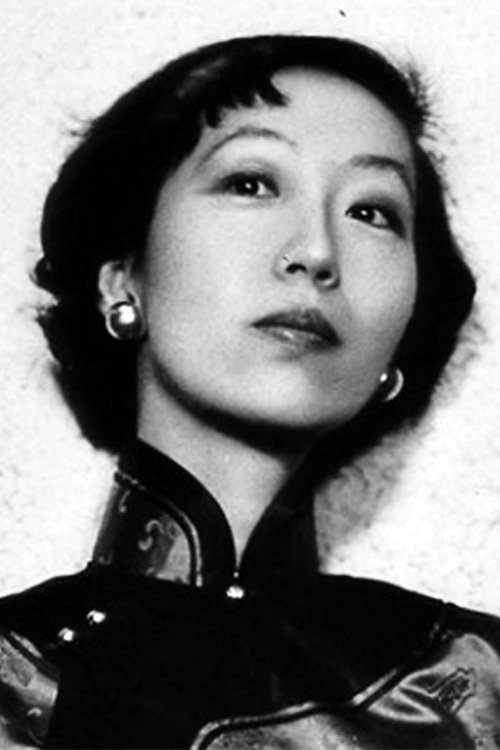
Eileen Chang

Eileen Chang

Writing

Biography

Eileen Chang, also known as Chang Ai-ling or Zhang Ailing, her pen name was Liang Jing, was a Chinese-born American essayist, novelist, and screenwriter. She is a well-known feminist in Chinese history. Chang was born with an aristocratic lineage and educated bilingually in Shanghai.
Known For

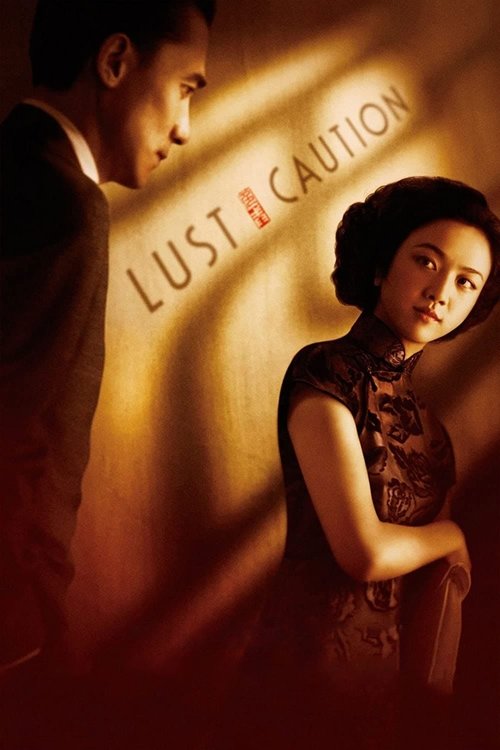
Lust, Caution
7.3

During World War II, a secret agent must seduce and assassinate an official who works for the Japanese puppet government in Shanghai.

Lust, Caution

2007
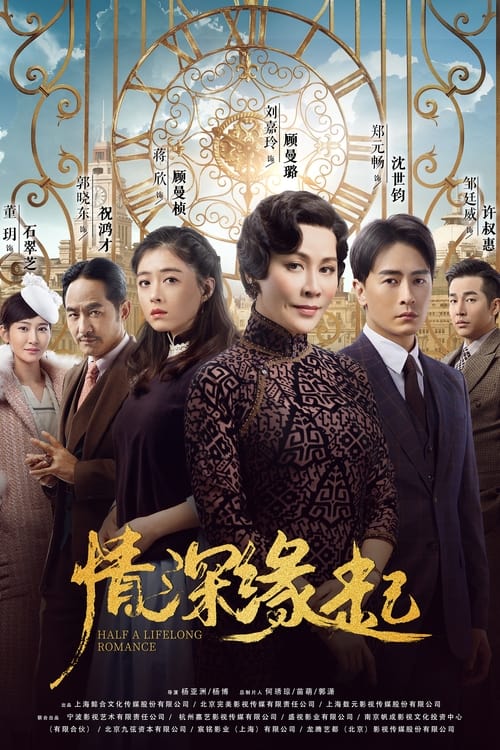
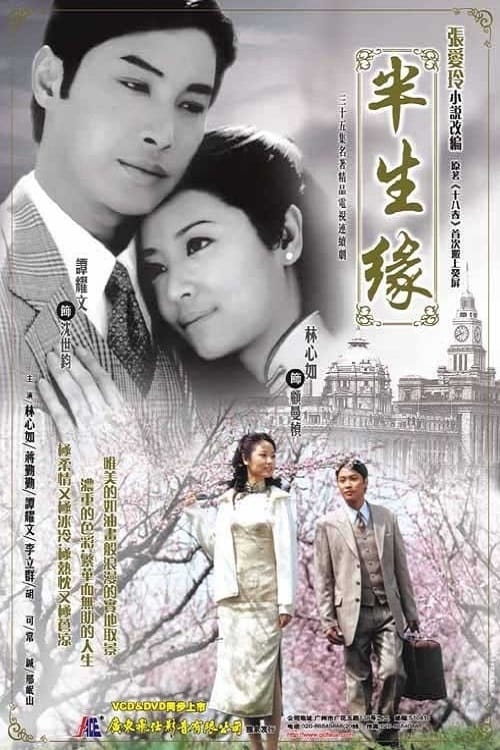
Half a Lifelong Romance
N/A

Gu Manzhen falls for the engaged Shen Shijun, while Gu Manlu marries the unfaithful Zhu Hongcai. A decade later, both are married and must navigate societal expectations to find happiness.

Half a Lifelong Romance

2020
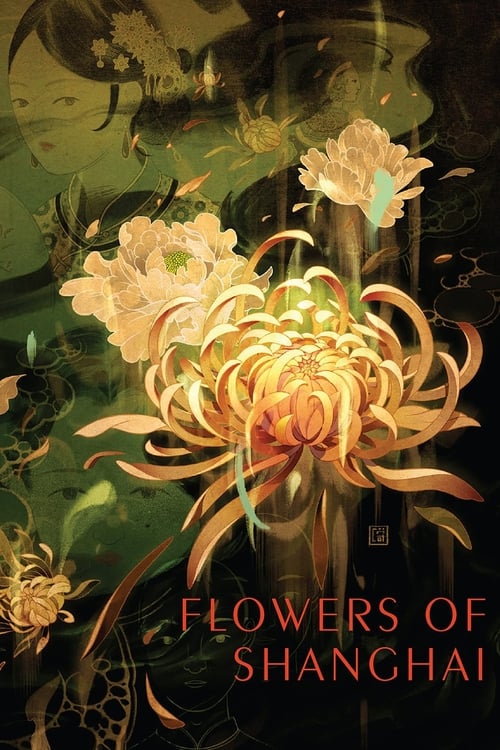
Flowers of Shanghai
6.9

At the end of the 19th century, Shanghai is divided into several foreign concessions. In the British concession, a number of luxurious “flower houses” are reserved for the male elite of the city. Since Chinese dignitaries are not allowed to frequent brothels, these establishments are the only ones that these men can visit. They form a self-contained world, with its own rites, traditions and even its own language. The men don’t only visit the houses to frequent the courtesans but also to dine, smoke opium, play mahjong and relax. The women working there are known as the “flowers of Shanghai”.

Flowers of Shanghai

1998
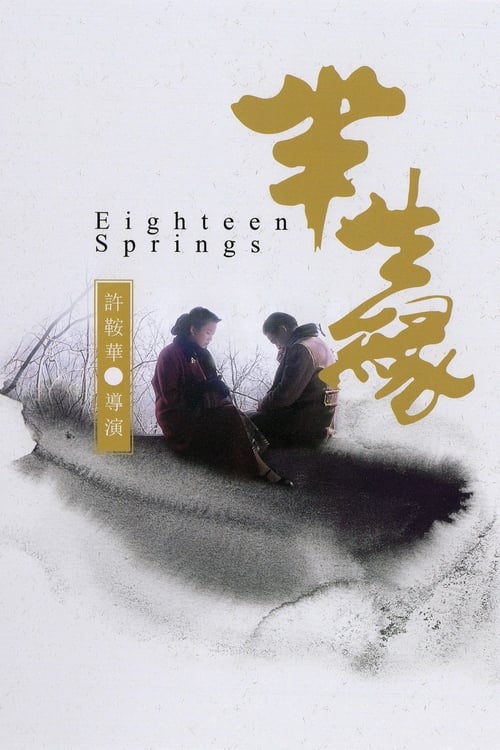
Eighteen Springs
N/A

Eighteen Springs (also known as Affair of Half a Lifetime) is a 2003 drama-romance TV series based on the novel of the same name by Chinese author Eileen Chang. The series stars Ruby Lin, Patrick Tam, Jiang Qinqin and Li Liqun. It had the most simultaneous broadcasts on China cable/satellite TVs during 2004. The series was filmed in Shanghai and Taiwan.

Eighteen Springs

2002
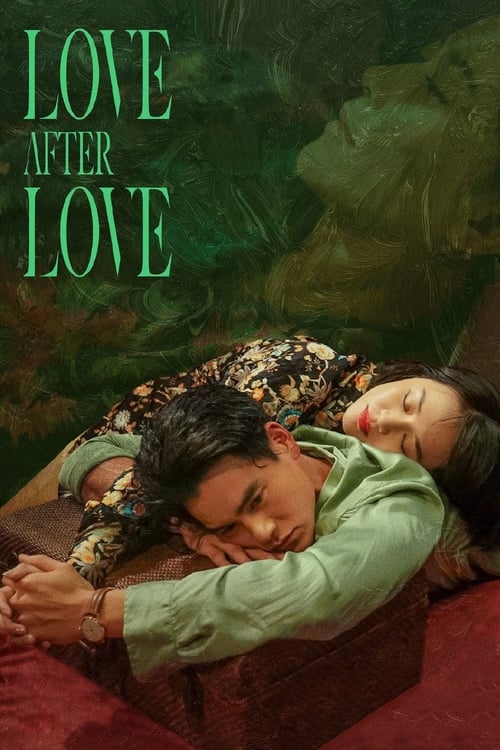
Love After Love
5.6

The film tells the story of a young girl who travels from Shanghai to Hong Kong in pursuit of education, but ends up working for her aunt seducing rich and powerful men.

Love After Love

2021
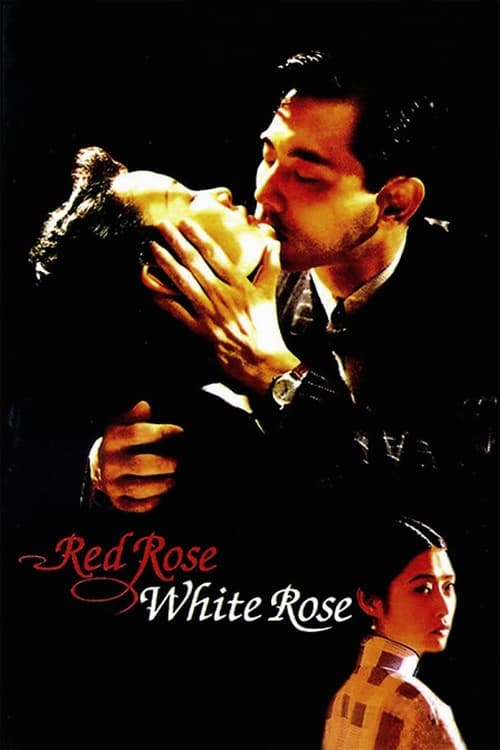
Red Rose White Rose
6.3

Chronicles the love life of a man, Zhenbao. He has a steamy fling with the wife of a friend, the saucy and exciting Red Rose. Even though he feels happy with her, he knows he will not end up with her. To maintain his reputation, he marries an antiseptic, frigid but classy lady of a prim and proper background. Dissonance abound when he finds his bride irritating.

Red Rose White Rose

1994
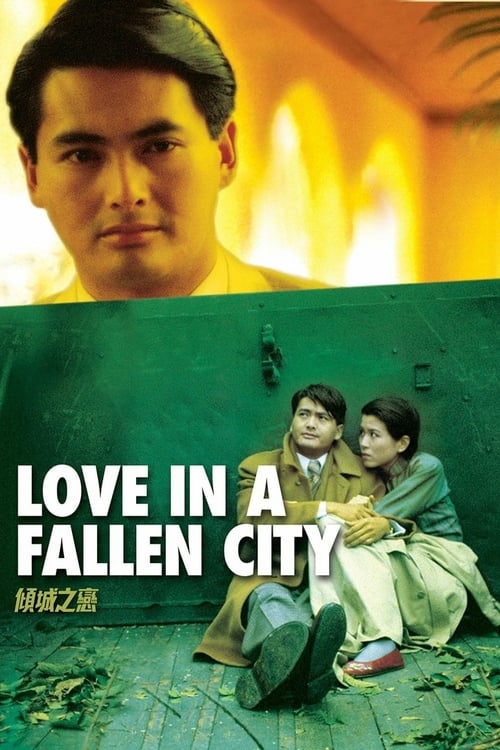
Love in a Fallen City
6.4

Taking place in 1941, Love in a Fallen City centers on Pai, a young woman who has been ostracized by her family for divorcing her rich husband. A local match-maker, Mrs. Hsu, takes pity on Pai and decides to bring her to Hong Kong, under the guise of employing her as the Hsu's nanny, but in reality to introduce her to Fan. Pai and Fan seem to hit it off, but Fan's refusal to marry Pai soon sours things. However, as the Japanese begin to invade Hong Kong, the two begin to realize their true feelings for each other.

Love in a Fallen City

1984
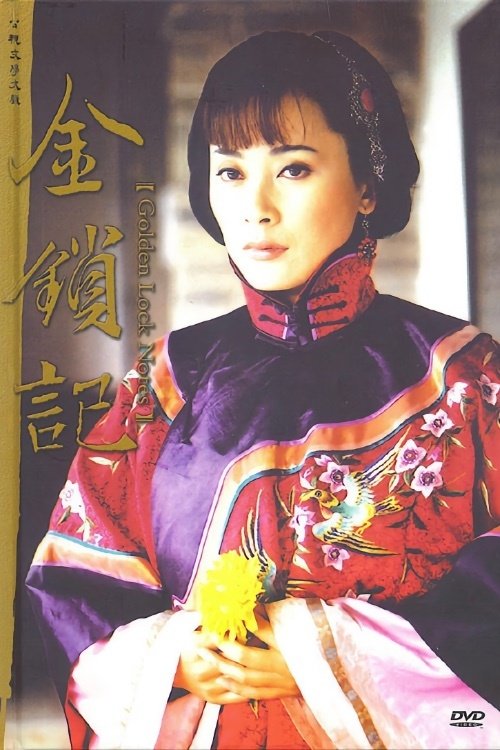
Golden Lock Notes
N/A

No description available.

Golden Lock Notes

2004
Eighteen Springs
7.4

In 1930s Shanghai, a young office girl falls in love with a factory worker in the same company.

Eighteen Springs

1997
Rouge of the North
5.3

In this drama, the harsh treatment of women in Chinese society is examined and subtly commented upon as it tells the tale of an impoverished woman living in Shanghai, circa 1910 who tries to support her brother and sister-in-law. A marriage to a wealthy man is arranged for her, and reluctantly she endures it, even though she does not love the man who is as cruel as he is wealthy. His mother is also brutally unkind to her. She then has a son, but her struggles are not over when her husband dies and only leaves her a modest inheritance. Her wretched life has made her bitter, and so she begins making her son suffer as she die; she also becomes addicted to opium.

Rouge of the North

1988
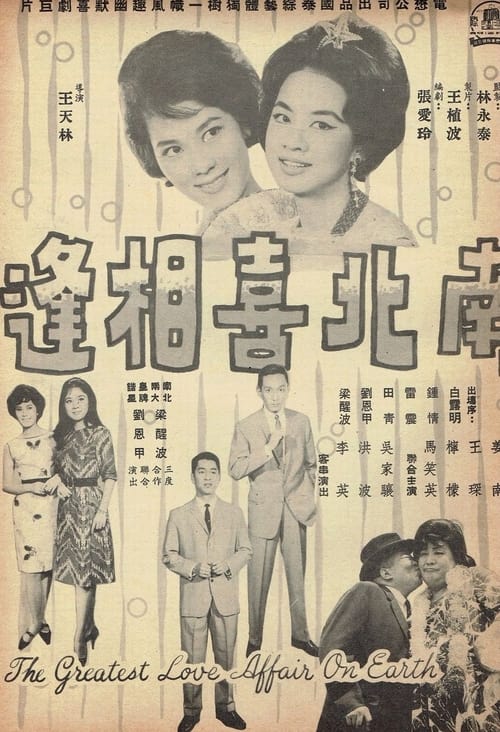
The Greatest Love Affair on Earth
10.0

The third film of ‘The Greatest' film series plays down cultural differences for an amusing cross-dressing comedy that features another great collaboration between Leung Sing-por and Liu Enjia. This time, Leung puts on omega hair and woman's clothing, posing as a rich woman in order to help his two friends get love. Liu is equally amusing, sharing the dance floor with Leung in a hilarious dance scene. Loosely based on the British play Charley's Aunt, the film is a delightful comedy on grassroots, offering a refreshing alternative to MP & GI's usual line of comedies.

The Greatest Love Affair on Earth

1964
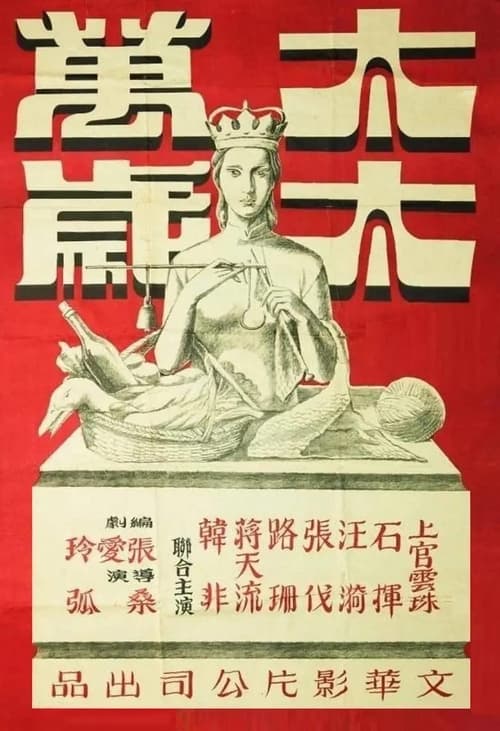
Long Live the Mistress!
7.5

A man who becomes wealthy starts to have an affair and though his wife knows of it, she says nothing. Soon, the affair starts to have consequences and his business falls apart while the man’s sister starts to have a relationship with the brother of his wife.

Long Live the Mistress!

1947
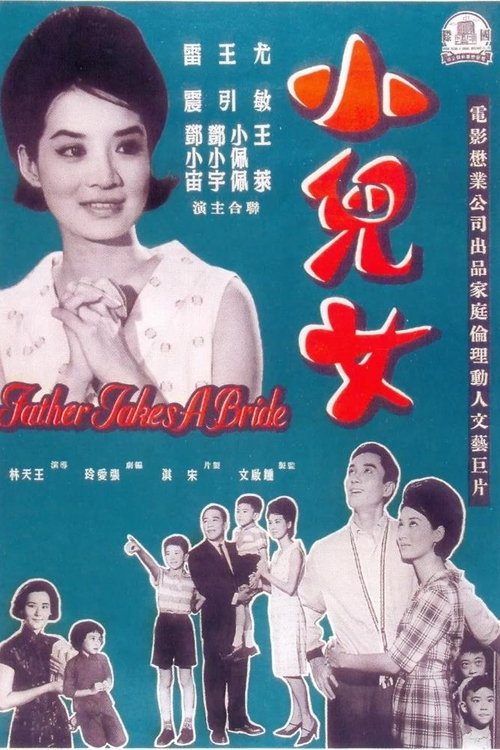
Father Takes a Bride
8.5

A young lady has taken the place of caring for her two younger brothers since the death of their mother. She is content with putting her life on hold whilst she cares for them until one day...

Father Takes a Bride

1963
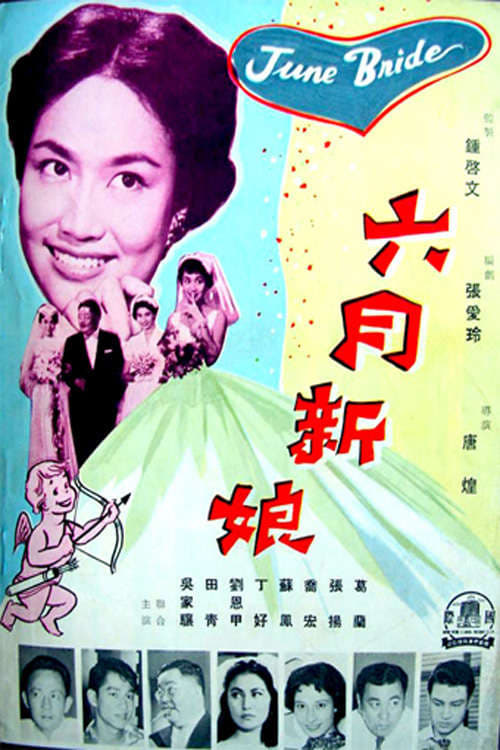
June Bride
9.0

To marry her fiance Dong Jifang, Wang Danlin and her father Zhuoran take the cruise home to Hong Kong. The daughter fails to see eye to eye with her father who covets after Dong's money for speculation. On the ship, she suffers intensive courtship from the Filipino Chinese Lin Yamang. Meanwhile, Dong is eager to match his old frame Bai Jin with the sailor Mai Qin, but Mai mistakes Danlin for Bai and falls in love with her, resulting in a morass of troubles. Finding out Dong's affair with Bai, Danlin calls off the wedding in anger. Dong responds by deciding to marry Jin. Their nuptials are saved with the timely intervention of Mai.

June Bride

1960
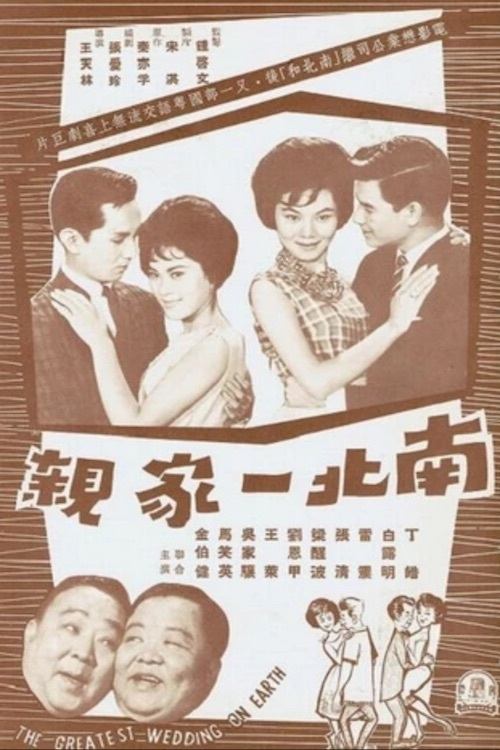
The Greatest Wedding on Earth
8.0

Leung Sing-por and Liu Enjia reunite with director Wong Tin-lam as they carry their inter-cultural feud to the dining table in this foodie comedy. This time, the two plump stars play owners of competing restaurants—Cantonese cuisine in one and Northern cuisine in the other, of course—whose rivalry heats up when their respective children decide to get married. While the script by Eileen Chang cleverly uses the two regions' foods to bring out clash of cultures, the film's title already says that it is ultimately a heartwarming film about two decent men who must put petty arguments aside for their children's happiness.

The Greatest Wedding on Earth

1962
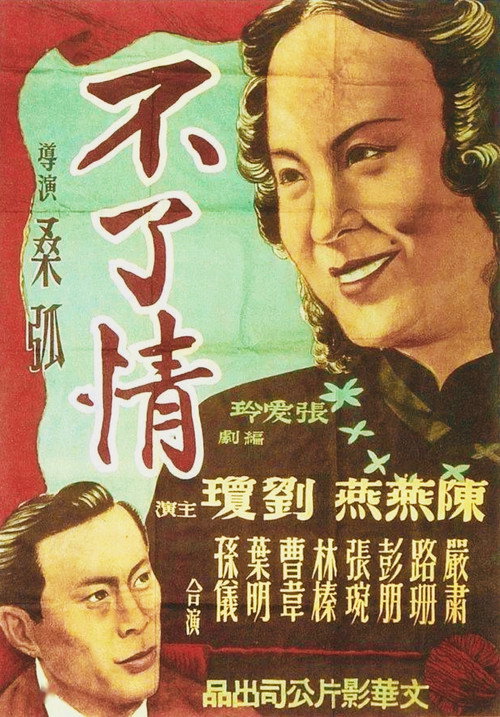
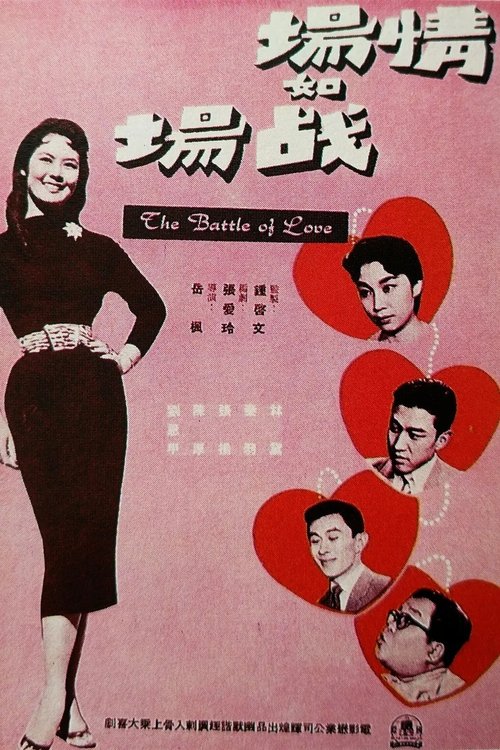
The Battle of Love
10.0

Yeh Wei-fang, a rich young lady, flirts with her suitors and hopes it would make Shi Rongsheng, the cousin she loves, angry. But Rongsheng doesn’t pay attention to that, and lectures her for lacking self-respect. Tao Wen-ping, Rongsheng's friend, gets to know Wei-fang. He invites her to go to the resort house borrowed from Rongsheng, but is fooled by her. Wen-ping gets to know Fang's sister, Wei-ling, by chance. Sharing common interests, Wei-ling grows a secret love for him. Wei-fang's home has a JP’s son as a guest. Rongsheng invites Wen-ping to join. Wei-fang knows that Wei-ling likes Wen-ping, but she shows intimacy towards him. Another guest, the antiquary Prof Ho Chi-hua, arrives, he is infatuated with Wei-fang. Wei-fang shows zeal for both, who in the end quarrel and fight. Wei-fang finally declares her love for Rongsheng under the pressure from Wen-ping and Chi-hua, who had a fight over her. Rongsheng's evasiveness proves weak for Wei-fang's quest for his love.

The Battle of Love

1957
Love Without End
N/A

Yu Jiayin falls in love with the father of the girl she tutors.

Love Without End

1947
Sorrows and Joys of a Middle-Aged Man
8.4

Chen Shaochang (Shi Hui), a primary school principal widowed at a young age, raises his children alone. His close friend's daughter, Liu Minhua (Zhu Jiachen), whom he hasn't seen for many years, begins working at the primary school through his introduction. Chen Shaochang's son, Jianzhong (Han Fei), and daughter-in-law, Feng Lijun (Li Huanqing), consider Chen's job undignified. After retiring, he is filled with melancholy, understood only by Minhua. Although their relationship deepens, they must contend with the ethical and social norms of Republican-era Shanghai.

Sorrows and Joys of a Middle-Aged Man

1949