Ernest Hemingway
Writing
Biography
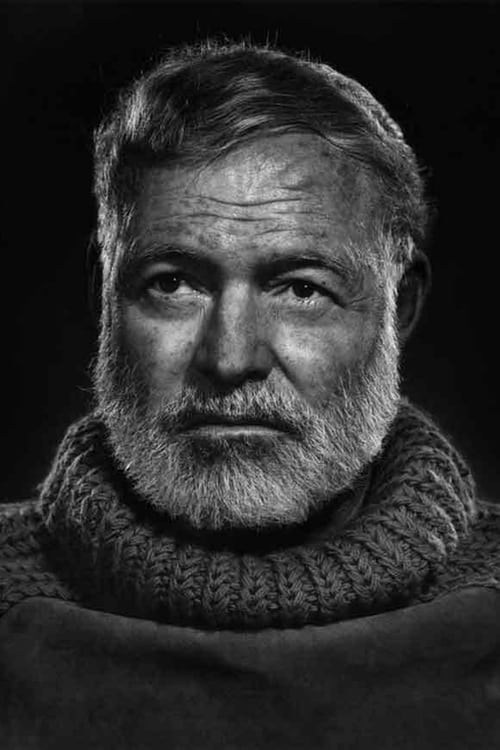
Description above from the Wikipedia Ernest Hemingway (journalist), licensed under CC-BY-SA, full list of contributors on Wikipedia. Ernest Miller Hemingway (July 21, 1899 – July 2, 1961) was an American journalist, novelist, short-story writer, and sportsman. His economical and understated style—which he termed the iceberg theory—had a strong influence on 20th-century fiction, while his adventurous lifestyle and his public image brought him admiration from later generations. Hemingway produced most of his work between the mid-1920s and the mid-1950s, and he won the Nobel Prize in Literature in 1954. He published seven novels, six short-story collections, and two nonfiction works. Three of his novels, four short-story collections, and three nonfiction works were published posthumously. Many of his works are considered classics of American literature. Hemingway was raised in Oak Park, Illinois. After high school, he was a reporter for a few months for The Kansas City Star before leaving for the Italian Front to enlist as an ambulance driver in World War I. In 1918, he was seriously wounded and returned home. His wartime experiences formed the basis for his novel A Farewell to Arms (1929). In 1921, Hemingway married Hadley Richardson, the first of four wives. They moved to Paris where he worked as a foreign correspondent and fell under the influence of the modernist writers and artists of the 1920s' "Lost Generation" expatriate community. His debut novel The Sun Also Rises was published in 1926. He divorced Richardson in 1927 and married Pauline Pfeiffer; they divorced after he returned from the Spanish Civil War, where he had been a journalist. He based For Whom the Bell Tolls (1940) on his experience there. Martha Gellhorn became his third wife in 1940; they separated after he met Mary Welsh in London during World War II. He was present with the troops as a journalist at the Normandy landings and the liberation of Paris. Hemingway maintained permanent residences in Key West, Florida (in the 1930s), and Cuba (in the 1940s and 1950s). He almost died in 1954 after plane crashes on successive days; injuries left him in pain and ill health for much of the rest of his life. In 1959, he bought a house in Ketchum, Idaho, where, in mid-1961, he ended his own life.
Known For

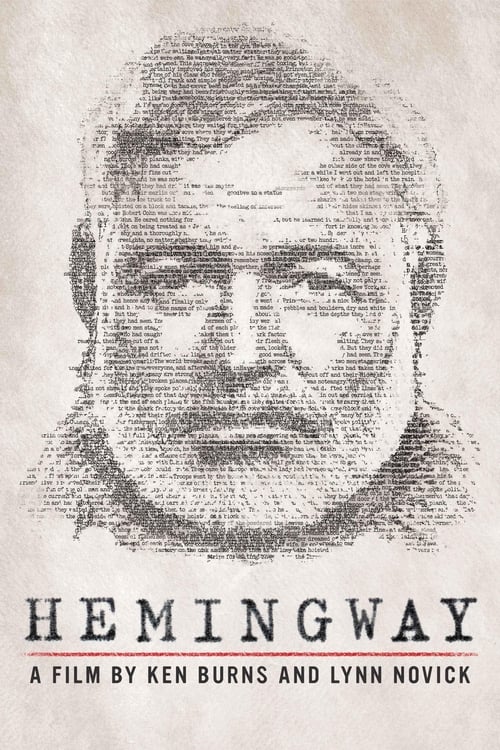
The visionary work and the turbulent life of Ernest Hemingway, one of the greatest and most influential writers America has ever produced. Interweaving his eventful biography with carefully selected excerpts from his iconic short stories, novels, and non-fiction, the series reveals the brilliant, ambitious, charismatic, and complicated man behind the myth, and the art he created.
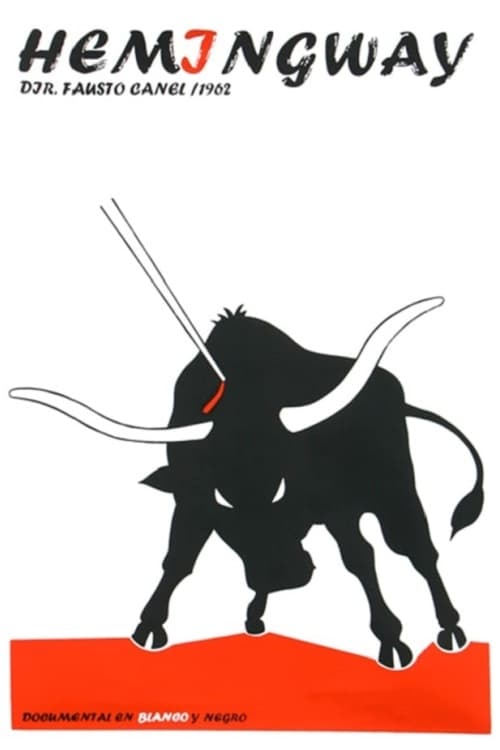
Hemingway

Adaptation of the novel by Ernest Hemingway.
The Sun Also Rises

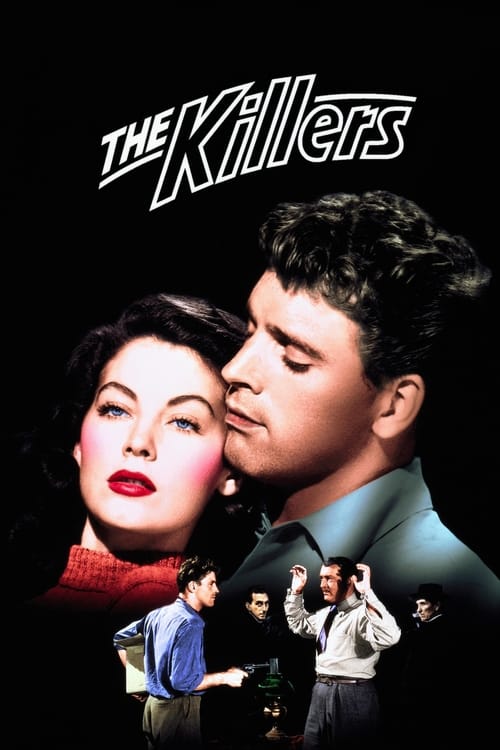
Two hit men walk into a diner asking for a man called "the Swede". When the killers find the Swede, he's expecting them and doesn't put up a fight. Since the Swede had a life insurance policy, an investigator, on a hunch, decides to look into the murder. As the Swede's past is laid bare, it comes to light that he was in love with a beautiful woman who may have lured him into pulling off a bank robbery overseen by another man.
The Killers

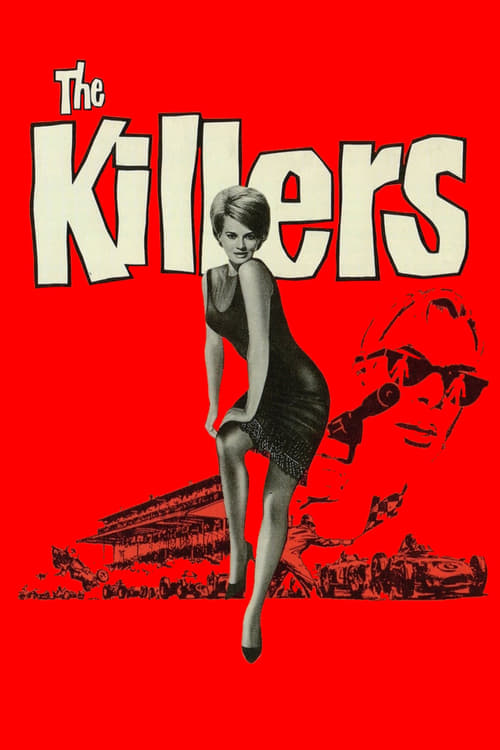
A hit man and his partner try to find out why their latest victim, a former race-car driver, did not try to get away.
The Killers

An in-depth investigation into the private world of the American writer J. D. Salinger (1919-2010), who lived most of his life behind the impenetrable wall of a self-imposed seclusion: how his dramatic experiences during World War II influenced his life and work, his relationships with very young women, his obsessive writing methods, his many literary secrets.
Salinger

Four master helmers from Korea reload the hitman flick. Vampire sleaze, assassin slapstick, neo-noir, and an avant-garde mind-bender to die (kill) for!
The Killers

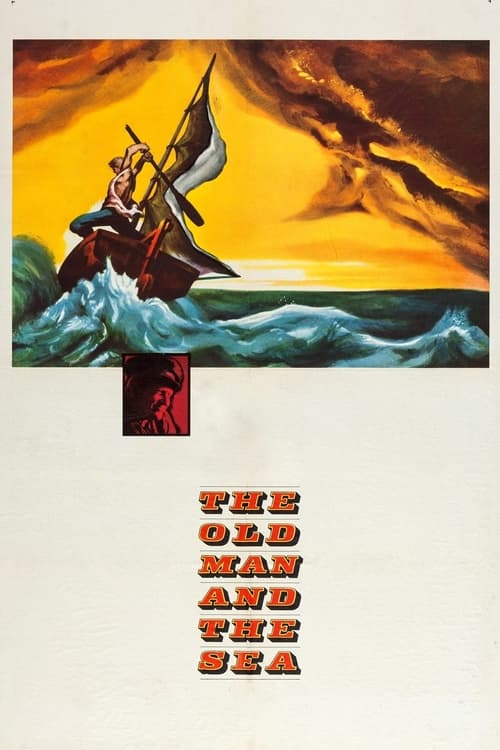
An old fisherman makes the biggest catch of his life.
The Old Man and the Sea

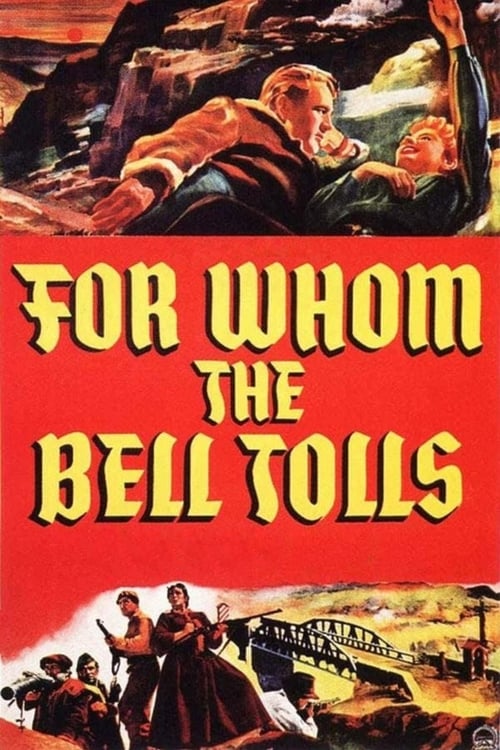
Spain in the 1930s is the place to be for a man of action like Robert Jordan. There is a civil war going on and Jordan—who has joined up on the side that appeals most to idealists of that era—has been given a high-risk assignment up in the mountains. He awaits the right time to blow up a crucial bridge in order to halt the enemy's progress.
For Whom the Bell Tolls

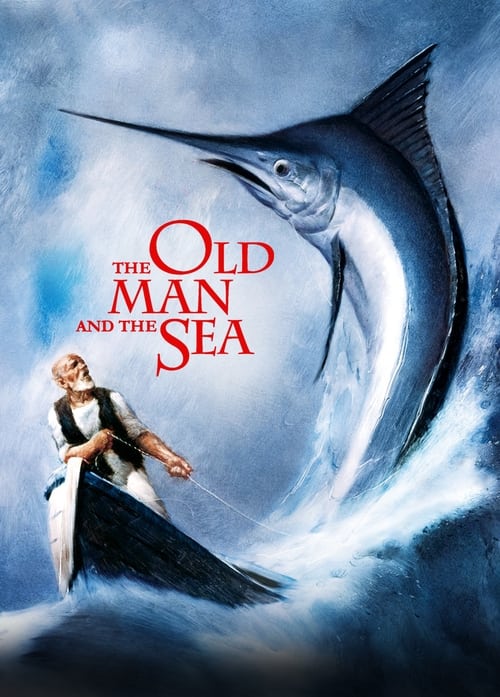
Santiago is an aging, down-on-his-luck, Cuban fisherman who, after catching nothing for nearly 3 months, hooks a huge Marlin and struggles to land it far out in the Gulf Stream.
The Old Man and the Sea

Writer Harry Street reflects on his life as he lies dying from an infection while on safari in the shadow of Mount Kilimanjaro.
The Snows of Kilimanjaro

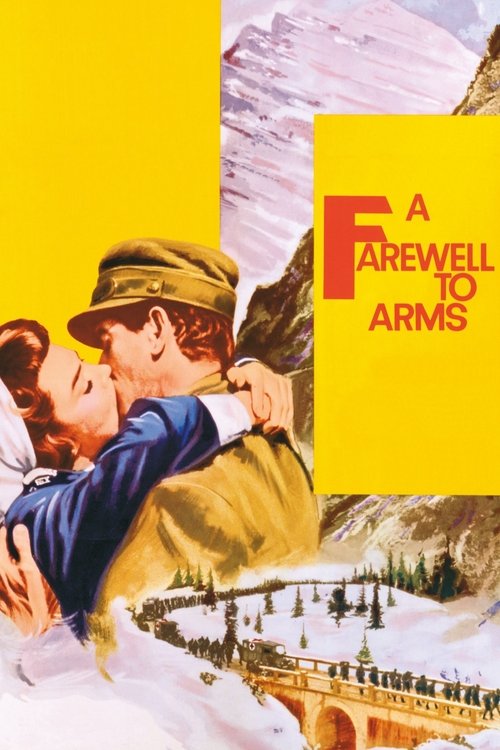
An English nurse and an American soldier on the Italian front during World War I fall in love, but the horrors surrounding them test their romance to the limit.
A Farewell to Arms

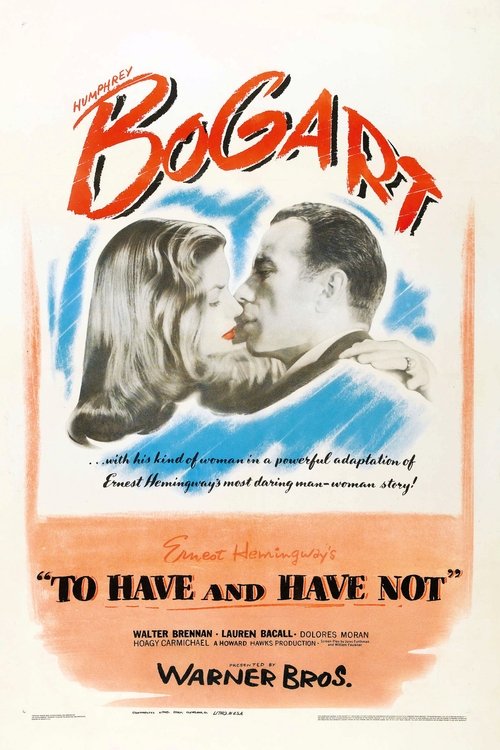
A Martinique charter boat skipper gets mixed up with the underground French resistance operatives during WWII.
To Have and Have Not

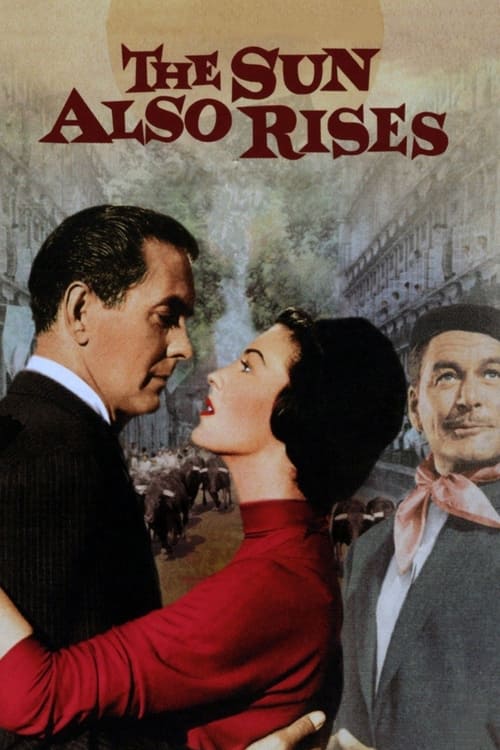
A group of disillusioned American expatriate writers live a dissolute, hedonistic lifestyle in 1920's France and Spain.
The Sun Also Rises

A tale of the World War I love affair, begun in Italy, between American ambulance driver Lt. Frederic Henry and British nurse Catherine Barkley. Eventually separated by Frederic's transfer, tremendous challenges and difficult decisions face each as the war rages on.
A Farewell to Arms

Young and restless Nick Adams, the only son of a domineering mother and a weak but noble doctor father, leaves his rural Michigan home to embark on an eventful cross-country journey. He is touched and affected by his encounters with a punch-drunk ex-boxer, a sympathetic telegrapher, and an alcoholic advanceman for a burlesque show. After failing to get a job as reporter in New York, he enlists in the Italian army during World War I as an ambulance driver. His camaraderie with fellow soldiers and a romance with a nurse he meets after being wounded propel him to manhood.
Hemingway’s Adventures of a Young Man

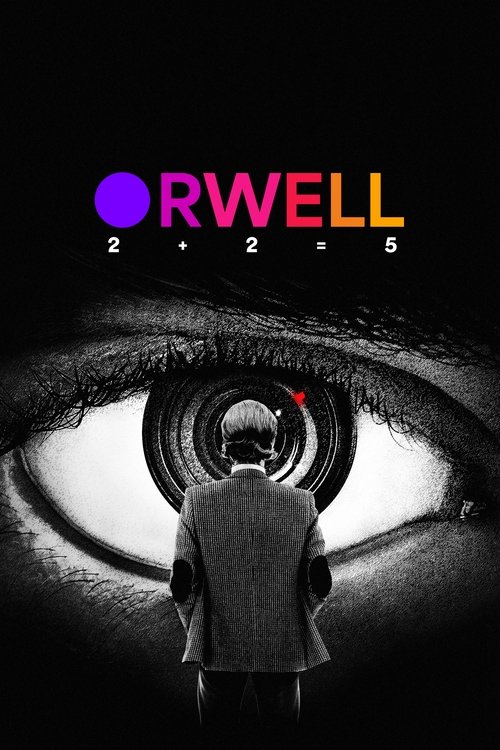
George Orwell was one of the most visionary authors of the 20th century, whose novels 1984 and Animal Farm foretold a chilling, authoritarian future. Acclaimed director Raoul Peck interweaves clips, readings from Orwell's diary, cinematic references, and modern-day footage to craft not only a portrait of the writer, but a fresh take on how prophetic his work has become.
Orwell: 2+2=5

This trio of tales, based on classic short stories, chronicles the complicated relations between the sexes.
Women and Men: Stories of Seduction

In post WW2 Venice Italy, American Army Col. Richard Cantwell, haunted by the war, faces news of his illness with stoic disregard. Determined to spend a weekend in quiet solitude, he commandeers a military driver to visit his old haunts in Venice. As Cantwell's plans begin to unravel, a chance encounter with a remarkable young woman begins to rekindle hope. Based on the harrowing novel by Ernest Hemingway.
Across the River and into the Trees

Remake of "To Have and Have Not" based on Hemingway short story. Plot reset to early days of Cuban revolution. A charter boat skipper gets entangled in gunrunning scheme to get money to pay off debts. Sort of a sea-going film noir with bad girl, smarmy villain, and the "innocent" drawn into wrong side of law by circumstances.
The Gun Runners

The Killers is a 1956 student film by the Soviet and Russian film director Andrei Tarkovsky and his fellow students Marika Beiku and Aleksandr Gordon. The film is based on the short story "The Killers" by Ernest Hemingway, written in 1927. It was Tarkovsky's first film, produced when he was a student at the State Institute of Cinematography.